
A Finnish-style electric sauna heater produces dry, high-heat steam by pouring water over hot stones, creating a brief burst of intense löyly that quickly rises to the ceiling. A soft-steam heater, by contrast, generates a gentler, more humid atmosphere that stays lower in the room and feels less intense on the skin and lungs. The key difference comes down to temperature, humidity levels, and how the steam moves through the space. Below, we answer the most common questions people have when choosing between the two.
How does a Finnish-style electric sauna heater actually work?
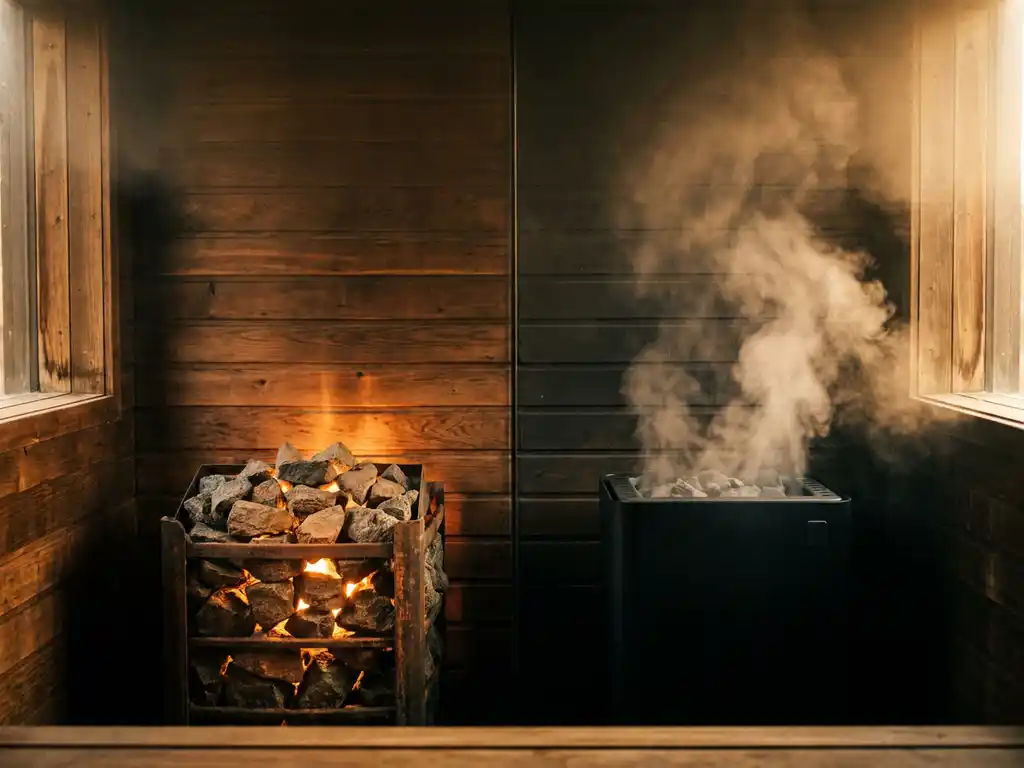
A Finnish-style electric sauna heater works by heating a bed of stones to very high temperatures, typically between 80°C and 100°C, and then producing löyly when water is poured over those stones. The resulting steam is brief, intense, and dry, with low relative humidity. The heat rises sharply to the ceiling, creating a strong temperature gradient between the upper and lower parts of the room.
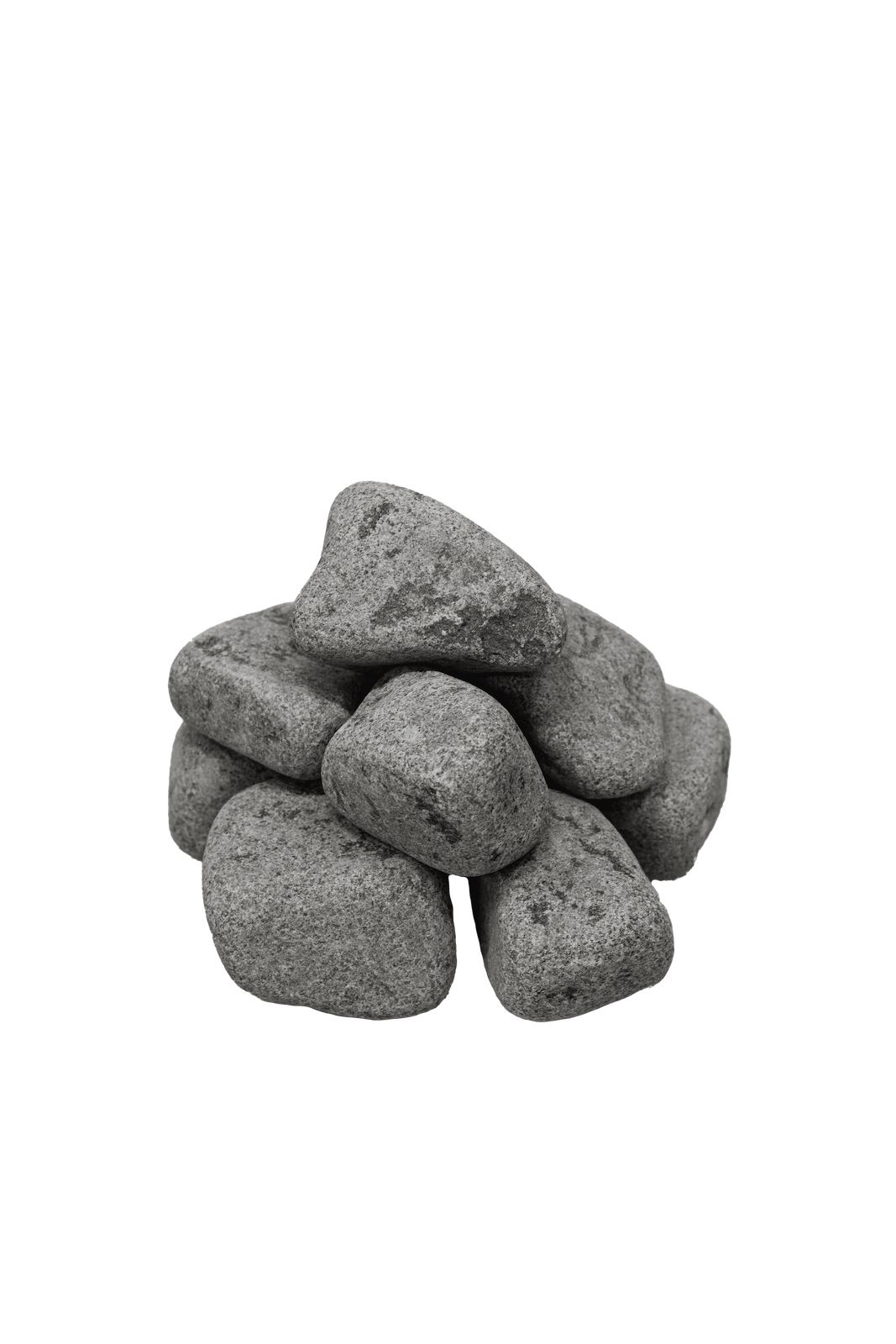
This is the traditional Nordic approach to bathing, where the experience is defined by short, sharp bursts of heat rather than a continuous humid atmosphere. Bathers sit on upper benches to catch the rising heat, and sessions are often broken up with cool-downs. The stones themselves are central to the experience: their mass determines how much water you can throw and how quickly the heater recovers between rounds of löyly.
One challenge with the classic Finnish setup is that the hottest air collects near the ceiling while the floor stays noticeably cooler. This uneven distribution means the person sitting on the lower bench has a very different experience from the person sitting at the top, and the steam can feel harsh or difficult to breathe at its peak.
What makes a soft-steam sauna heater different from a Finnish one?
A soft-steam sauna heater produces a lower-temperature, higher-humidity environment compared to a traditional Finnish heater. Instead of short, sharp bursts of dry heat, soft steam creates a continuous, moist atmosphere that feels gentler on the airways and skin. The temperature is typically lower, often between 45°C and 65°C, while relative humidity is significantly higher.
This style of sauna is sometimes called a steam room or a wet sauna, and it appeals to people who find the intense dry heat of a Finnish sauna uncomfortable. The moisture in the air makes the perceived temperature feel warmer than it actually is, which means bathers can enjoy a deeply relaxing, sweat-inducing session without the same respiratory challenge that comes with very high dry heat.
Soft-steam heaters are also popular in spa and wellness settings because they are easier for a wider range of guests to tolerate, including those who are new to sauna bathing or who have mild respiratory sensitivities.
Which sauna experience is more comfortable to breathe in?
For most people, a soft-steam sauna is more comfortable to breathe in because the lower temperature and higher humidity are gentler on the nose, throat, and lungs. However, a well-designed Finnish sauna with good air circulation can also be highly breathable, especially when the steam is evenly distributed rather than concentrated near the ceiling.
Breathing comfort in any sauna depends heavily on two factors: temperature and air quality. Very high dry heat can feel suffocating, particularly when oxygen-depleted air pools at bench height. Soft steam, being cooler and moister, tends to feel easier on the airways from the first breath.
That said, a Finnish sauna with active air mixing changes this equation considerably. When hot air from the ceiling is continuously blended with cooler, oxygen-richer air from the floor, the result is a softer, more breathable löyly even at traditional Finnish temperatures. This is why air circulation technology has become one of the most meaningful upgrades in modern electric sauna heaters.
Can one electric heater deliver both Finnish and soft-steam modes?
Yes, modern multi-mode electric sauna heaters can deliver both Finnish and soft-steam experiences from a single unit. By adjusting temperature settings, steam output, and airflow, the same heater can shift between a dry, high-heat Finnish session and a gentler, more humid soft-steam atmosphere. This flexibility makes multi-mode heaters a practical choice for households or facilities where different users have different preferences.
The ability to switch modes depends on the heater’s design. A basic heater with no humidity or airflow control is limited to one style. More advanced units allow you to dial in the exact combination of heat, moisture, and air movement that suits the moment, whether that is a bracing traditional Finnish session, a relaxing soft-steam soak, or something in between.
Some heaters go further still, offering additional modes such as salt-ionized air or aroma infusion alongside the core Finnish and soft-steam settings. For anyone building a home sauna or upgrading an existing indoor sauna, a multi-mode heater removes the need to choose one style permanently at the point of purchase.
Which type of sauna heater is better for home use?
For home use, a multi-mode electric heater that covers both Finnish and soft-steam styles is generally the better investment because it adapts to different users, moods, and seasons. If you know with certainty that everyone in your household prefers one specific style, a dedicated heater for that style is perfectly valid. But most home sauna owners find their preferences shift over time.
A few practical considerations help narrow the choice:
- Room size: Soft-steam setups typically require better insulation and sealing to retain humidity, while Finnish heaters work well in slightly less airtight rooms.
- User variety: If guests or family members with different tolerances will use the sauna, a softer, more adjustable experience is easier to share.
- Health goals: Those focused on deep relaxation and skin hydration often prefer soft steam, while those seeking intense heat therapy lean toward the Finnish style.
- Maintenance: Finnish heaters with large stone beds tend to be straightforward to maintain; soft-steam and sauna steam room setups may require more attention to humidity management and condensation.
Ultimately, the best home sauna heater is one that matches how you actually want to use the space, not just how you imagine using it before the first session.
How Saunum helps with electric sauna heaters
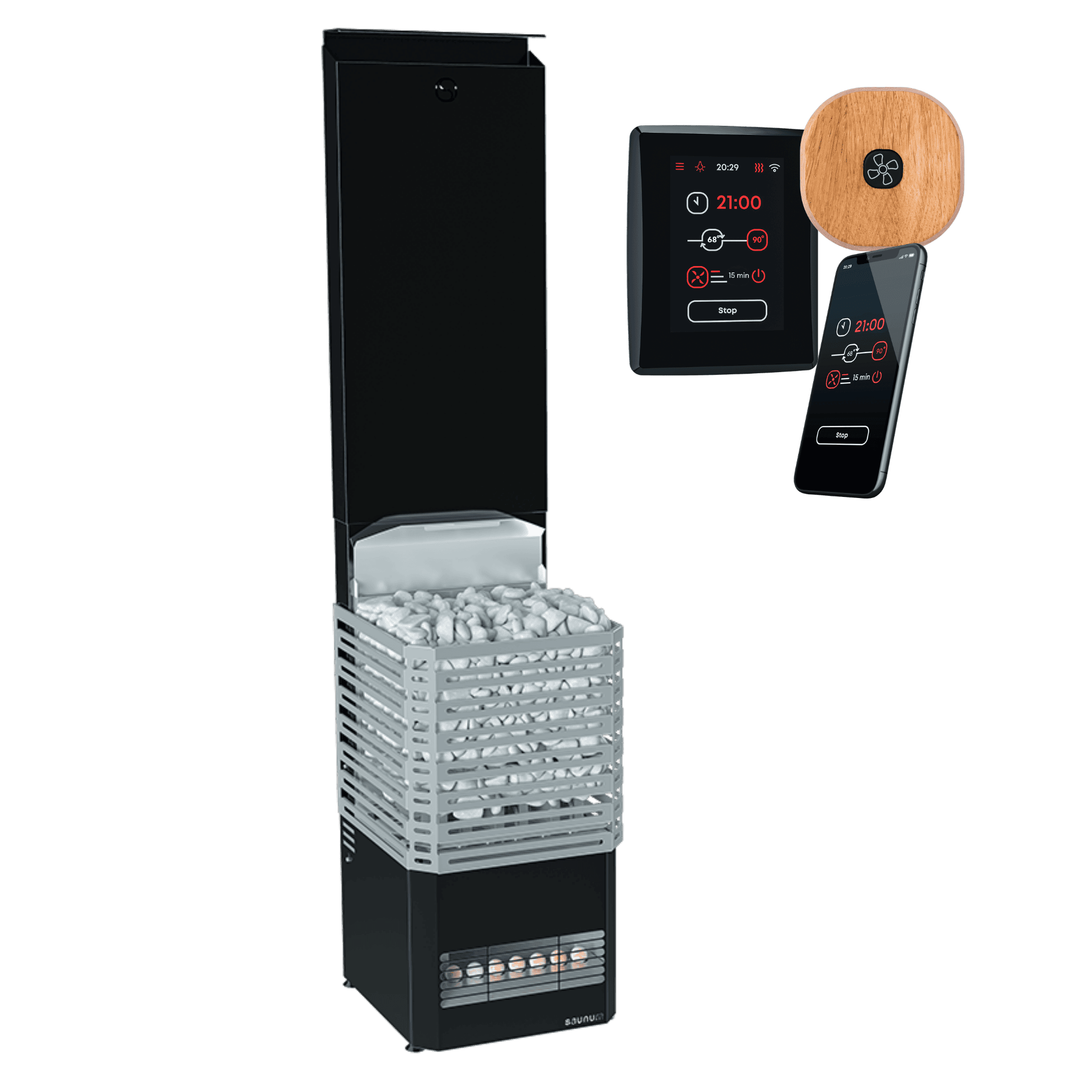
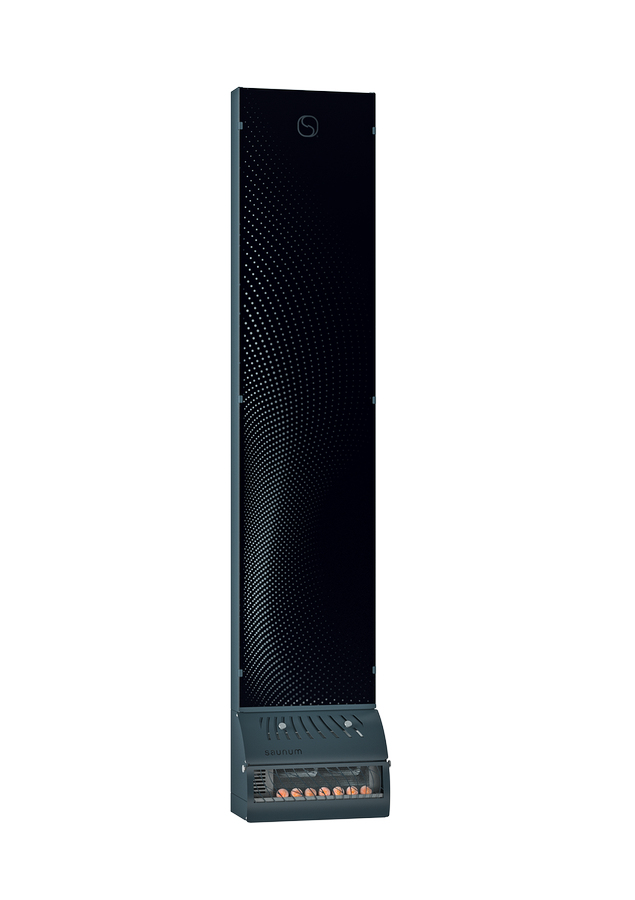
Saunum’s electric sauna heaters are built around a patented air circulation system that addresses one of the most common challenges in both Finnish and soft-steam saunas: uneven heat distribution. By continuously drawing hot air down from the ceiling and blending it with cooler air from the floor, the heaters maintain a consistent temperature from bench height to the top of the room, producing softer, more breathable steam regardless of which mode you choose.
Here is what Saunum’s approach offers for home and commercial sauna owners:
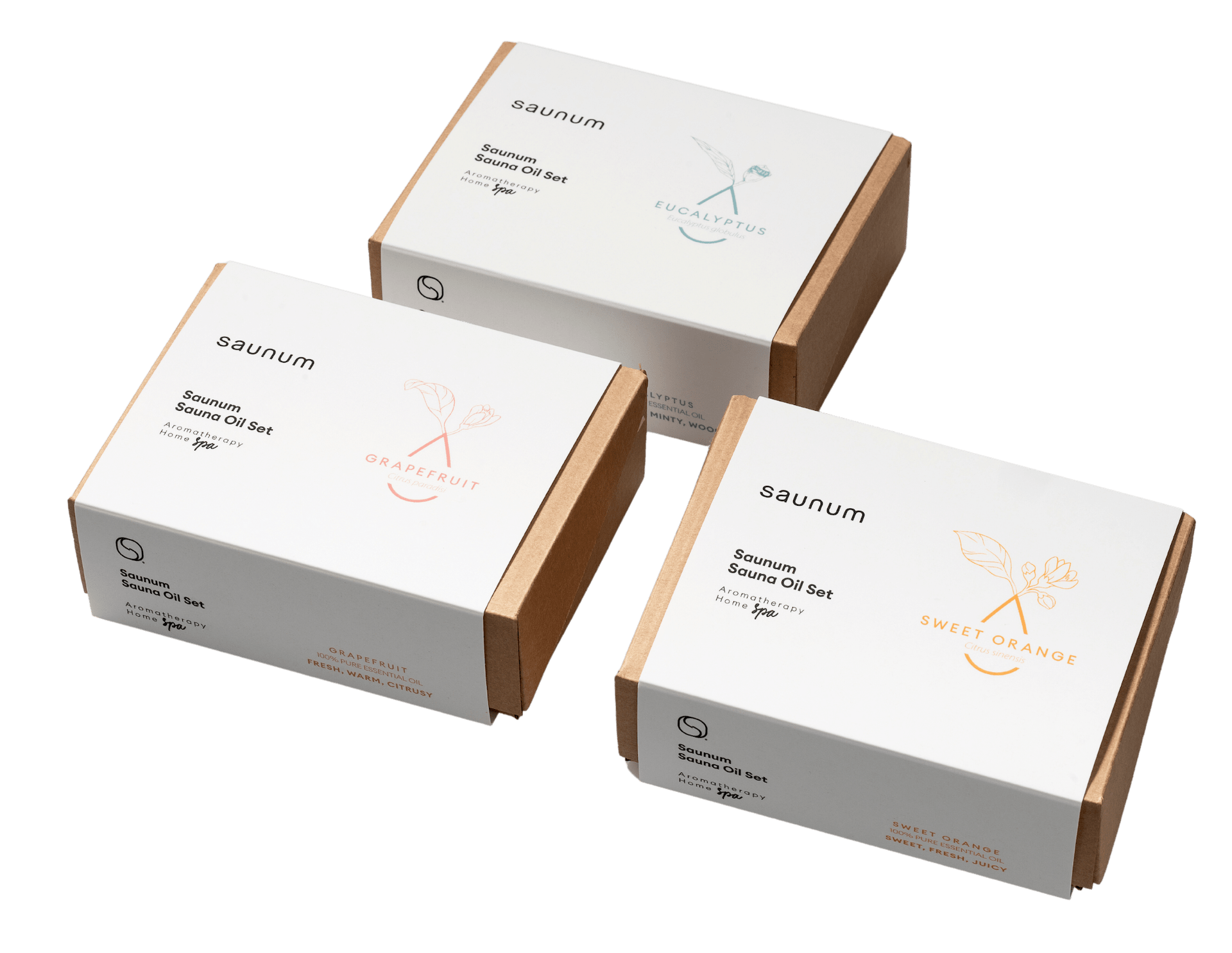
- Five-in-one versatility: Switch between Finnish sauna, soft-steam, relaxation, salt-ionized, and aroma sauna modes from a single unit.
- Patented air mixing: Hot steam trapped near the ceiling is redirected evenly throughout the room, eliminating harsh temperature spikes at the top bench.
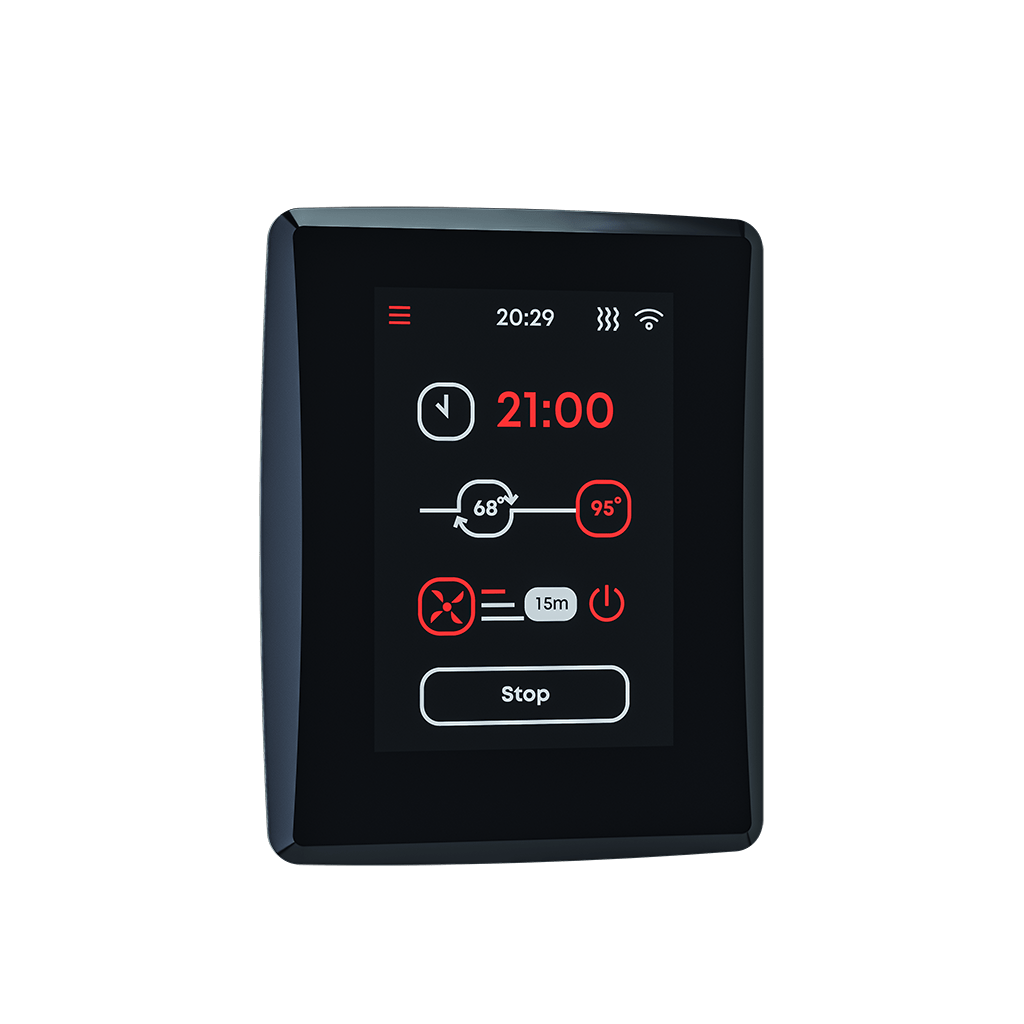
- Smart control: The Saunum app lets you pre-heat, adjust fan speed, and toggle salt ionization remotely from iOS or Android.
- Award-winning innovation: The Saunum Spa Session heater won the Golden Wave 2024 award for the most innovative technology.
Whether you are building a new indoor sauna at home or upgrading a commercial wellness space, Saunum offers a compelling range of heaters that adapt to a variety of needs and preferences. Explore their full range or get in touch with their team to find the right heater for your space. Contact Saunum today and they will help you choose the setup that fits your sauna goals perfectly.