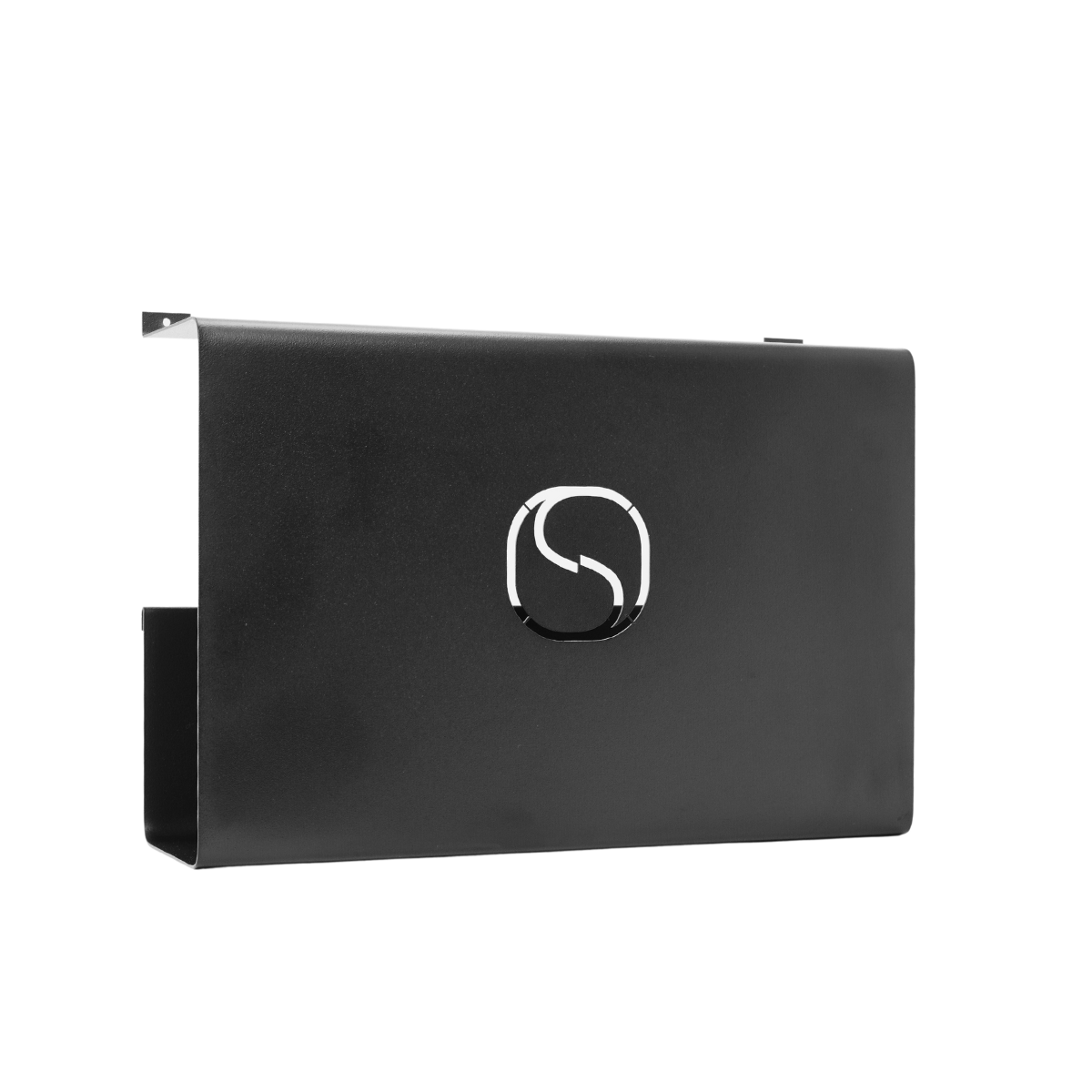
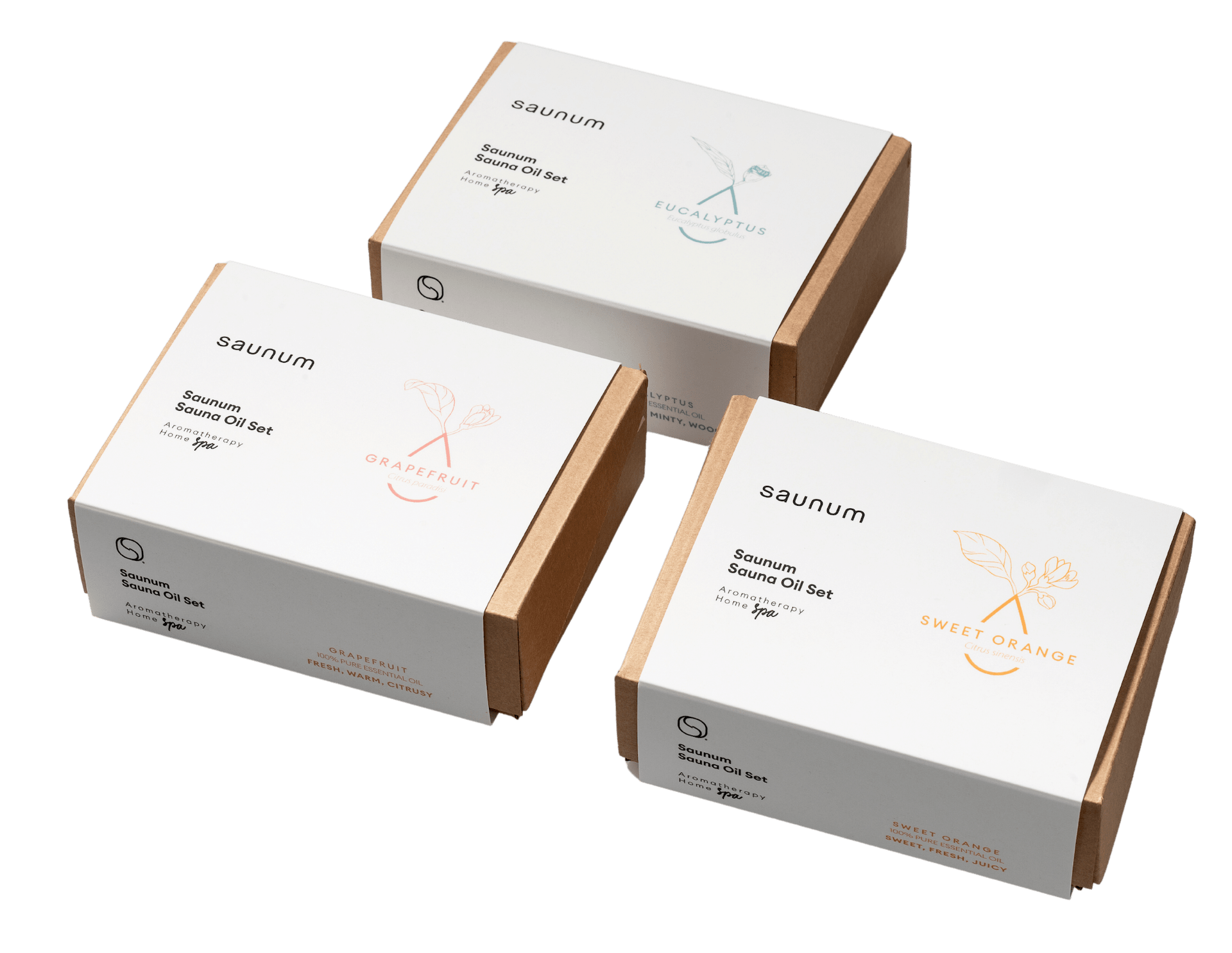


A sauna indoor climate device is worth the investment for most sauna users in 2026, particularly if you want a more comfortable, breathable, and evenly heated experience. The core benefit is simple: these devices eliminate the harsh temperature layering that makes traditional saunas feel suffocating, replacing it with smooth, consistent heat from floor to ceiling. Below, we unpack exactly how they work, what they cost, and whether one belongs in your sauna setup.
What does a sauna indoor climate device actually do?
A sauna indoor climate device is a system that actively circulates air inside the sauna cabin to eliminate temperature stratification. Instead of letting scorching air pool near the ceiling while cooler air sits near the floor, the device continuously mixes these layers, creating a uniform, breathable environment throughout the entire space.
In a conventional sauna, heat rises naturally and stays there. The air near the ceiling can be dangerously hot, while the air at bench height remains relatively cool. A sauna air circulation device interrupts this pattern by drawing the superheated air down from the ceiling, blending it with the cooler air near the floor, and redistributing it evenly. The result is a sauna that feels gentler on the lungs, more comfortable on the skin, and easier to stay in for longer sessions.
Beyond temperature balancing, many climate devices also manage humidity levels, ensuring that steam from water poured on the stones spreads evenly rather than hitting bathers in a sudden, concentrated wave.
How does a sauna climate device improve the sauna experience?
A sauna climate device improves the experience by making the heat feel softer, the air more breathable, and the steam more evenly distributed. Because oxygen is no longer stagnant near the floor, bathers at bench height breathe fresher, more oxygen-rich air, which reduces the suffocating sensation that some people associate with high-heat saunas.
The practical improvements are noticeable from the very first session. When the air is evenly mixed, you can pour water on the stones more frequently without creating an overwhelming burst of steam. The humidity level stays more consistent, which means your skin and airways benefit from sustained moisture rather than brief, intense spikes. Many users also find they can stay in the sauna longer, which deepens the therapeutic and relaxation benefits of each session.
For those who enjoy aromatic or salt-infused sessions, a sauna indoor climate system distributes these elements far more effectively than passive diffusion alone. The circulating air carries scent and beneficial particles to every corner of the cabin, rather than concentrating them near the source.
What’s the difference between a sauna heater and a climate device?
A sauna heater generates heat by warming stones, which then radiate warmth and produce steam when water is poured over them. A sauna climate device does not generate heat itself. Instead, it manages how that heat and steam move through the cabin, ensuring even distribution and a more controlled indoor atmosphere.
Think of the heater as the engine and the climate device as the ventilation system. The heater determines how hot the sauna gets; the climate device determines how that heat feels to the people inside. Some advanced systems combine both functions into a single unit, integrating the heating element with a built-in air circulation mechanism so the two work in sync from the moment the sauna is switched on.
The distinction matters when you are planning a sauna build or upgrade. Adding a standalone climate device to an existing heater is one option. Choosing an integrated solution that handles both heating and air management is another, and often the more seamless choice for new installations.
How much does a sauna indoor climate device cost?
Sauna indoor climate devices range broadly in price depending on the technology, capacity, and whether the system is standalone or integrated with a heater. Entry-level add-on circulation units can start at a few hundred euros or dollars, while premium integrated systems with smart controls and multi-mode functionality sit at a higher price point, often comparable to a mid-range or high-end sauna heater.
When evaluating cost, it helps to consider the full picture rather than the upfront price alone. A well-designed sauna indoor climate system can extend the usable length of your sauna sessions, reduce the energy wasted on heating air unevenly, and eliminate the need for separate accessories like aroma diffusers or salt lamps. For commercial operators running saunas daily, the efficiency gains and improved guest experience can justify the investment relatively quickly.
For home users, the question is whether the improvement in comfort and versatility aligns with what you value in a sauna. If you use your sauna regularly and want more from each session, the cost-per-use calculation tends to work in the device’s favor over time.
Who benefits most from a sauna climate device?
The people who benefit most from a sauna climate device are those who find traditional saunas too harsh, use their sauna frequently, or want to explore different sauna styles beyond the standard dry Finnish experience. This includes health-conscious users, commercial wellness operators, and anyone building or upgrading a home sauna with long-term enjoyment in mind.
Specifically, a sauna air circulation device makes the biggest difference for:
- Bathers who feel breathless or uncomfortable in high-heat saunas and want a gentler, more oxygen-rich environment
- Commercial spa and hospitality operators who need consistent, reliable performance across many daily sessions
- Home sauna enthusiasts who want to switch between sauna styles, such as Finnish, aroma, or salt sauna, without separate equipment
- Anyone who pours water frequently and wants steam to distribute evenly rather than hit in sudden bursts
Casual users who sauna only occasionally and are satisfied with a basic experience may find the upgrade less essential. But for anyone who treats sauna as a regular wellness ritual, the difference a climate device makes is hard to ignore once you have experienced it.
How Saunum approaches sauna indoor climate
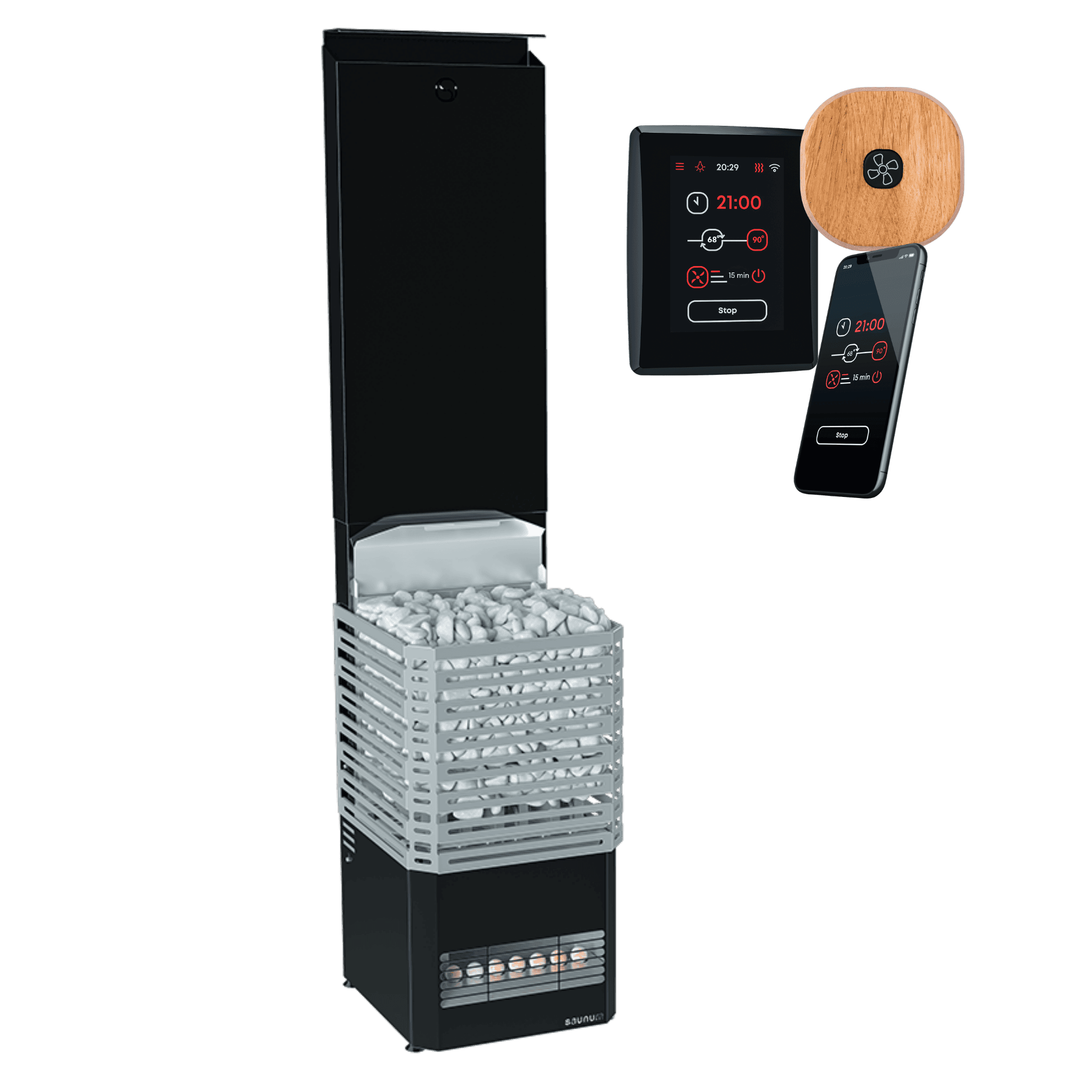
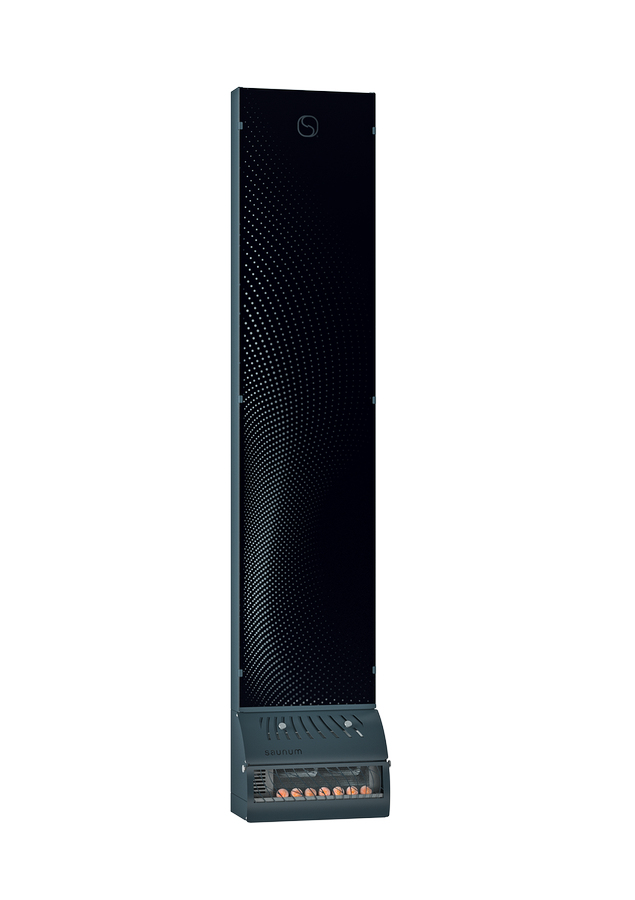
Saunum has built its product line around solving the indoor climate problem that affects most conventional saunas. Their patented air circulation system draws the scalding air that collects under the ceiling, blends it with the cooler air near the floor, and returns soft, even steam back into the cabin. The result is a sauna that feels consistently comfortable at every level, from the floor to the top bench.
Key features of their system include:
- Five-in-one sauna modes in a single unit: classic Finnish sauna, steam sauna, relaxation sauna, salt-ionized sauna, and aroma sauna
- Himalayan salt ball ionization that circulates beneficial salt ions through the air with every session
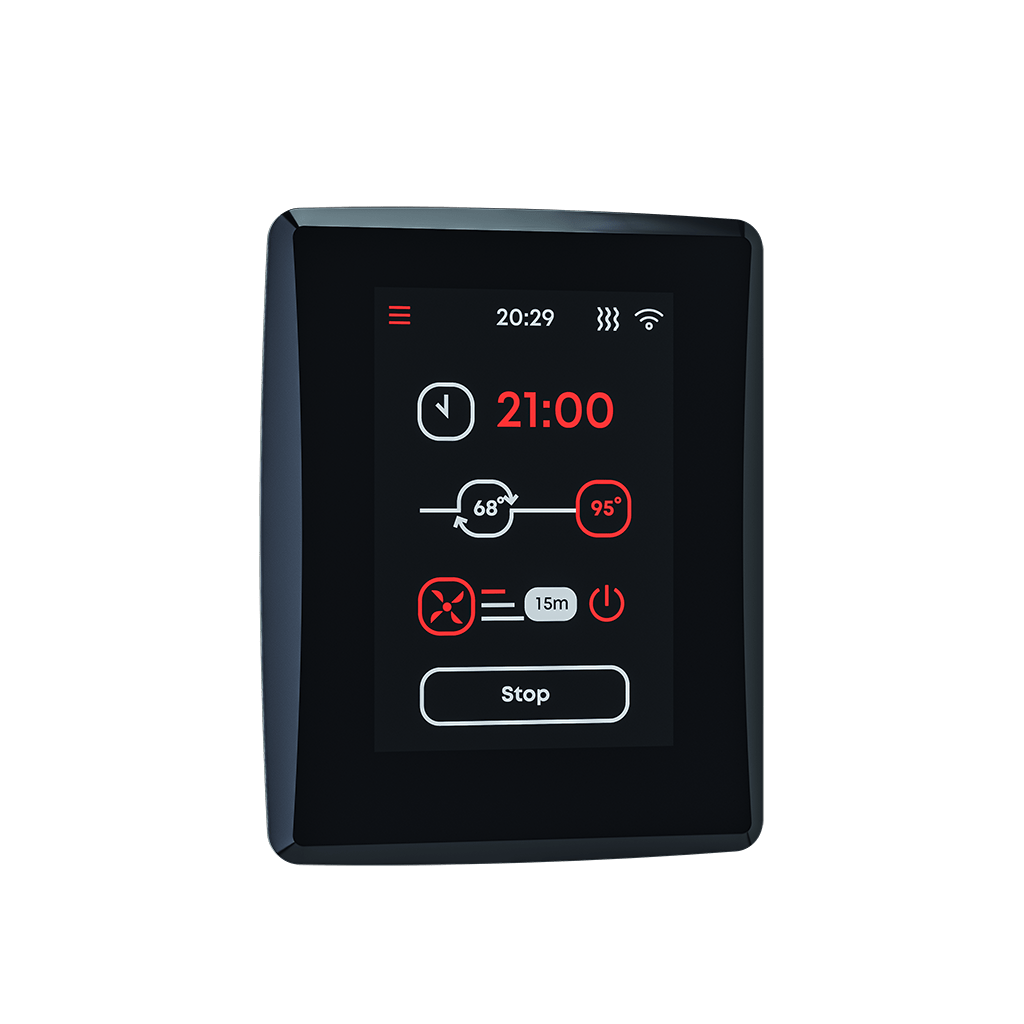
- Smart control via the Saunum app, including the Saunum Leil control unit with pre-set sauna profiles and AutoLeil automatic water dosing for hands-free humidity management
Their patented sauna technology is designed for both home users and commercial wellness environments, and every unit is built and assembled in Estonia. Whether you are setting up a new sauna or upgrading an existing one, you can explore their full range or get in touch with Saunum to find the right solution for your space.
Is a sauna indoor climate device worth it in 2026?
Yes, a sauna indoor climate device is worth it in 2026 for anyone who uses their sauna more than occasionally and wants a noticeably better experience. The technology has matured, integrated solutions are more accessible than ever, and the gap in comfort between a climate-controlled sauna and a basic one is significant enough to feel on the very first session.
The sauna investment in 2026 makes particular sense given how the wellness market has shifted. Sauna culture has expanded well beyond Scandinavia, and expectations around comfort, air quality, and session customization have risen accordingly. A basic heater in a wooden box no longer represents the ceiling of what a home or commercial sauna can offer.
For home users, the question comes down to how much you value your sauna time. If you sauna regularly, the improvement in breathability, steam quality, and session versatility pays off in enjoyment alone. For commercial operators, the case is even clearer: a better guest experience, more consistent performance, and the ability to offer multiple sauna styles without multiple installations are all tangible business advantages. In both cases, a sauna indoor climate system is one of the more impactful upgrades available in 2026. Saunum’s integrated approach, combining patented air circulation, multi-mode functionality, and smart controls into a single unit, represents one of the more complete solutions currently on the market for anyone ready to make that upgrade.