


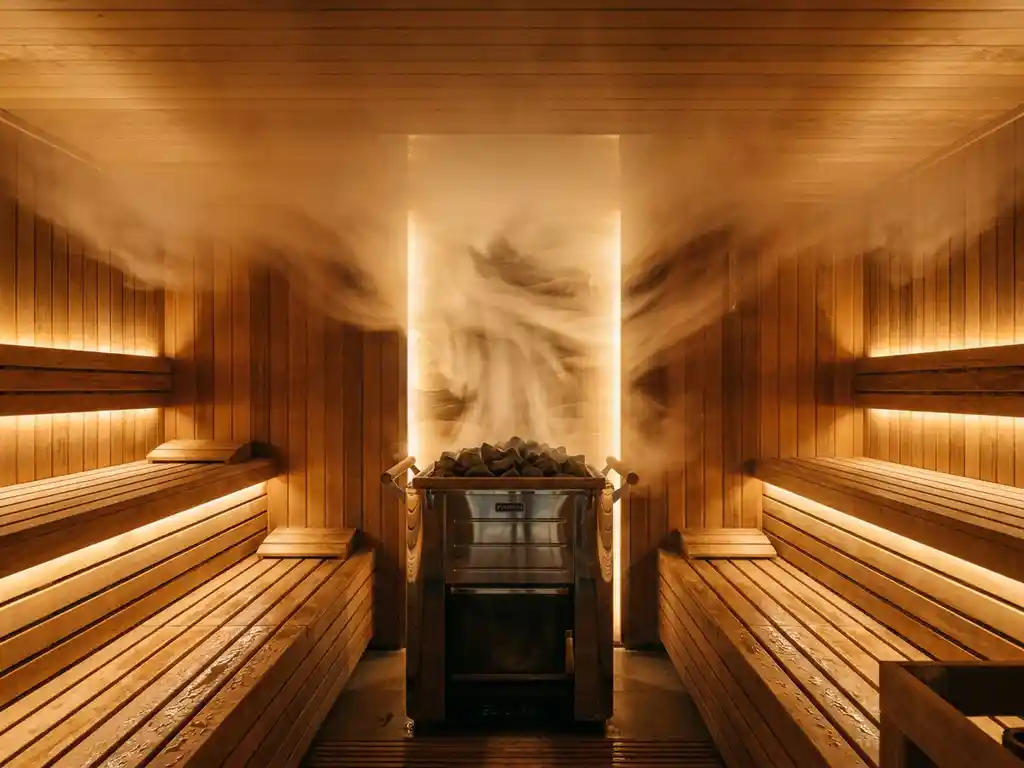
Yes, sauna room size directly affects how an air blending system should be configured. Larger rooms require more airflow capacity and higher fan speeds to achieve consistent air circulation, while smaller rooms need more restrained settings to avoid over-mixing that disrupts comfort. Ceiling height, floor area, and room shape all play a role in finding the right balance.
Getting the configuration right means the difference between a sauna that feels stuffy and uneven and one where the heat wraps around you gently from floor to ceiling. The sections below walk through each key factor so you can dial in your setup with confidence.
How does room size affect air circulation in a sauna?
Room size determines how much air volume the blending system needs to move and how quickly it can achieve an even temperature distribution. In a small sauna, the system reaches equilibrium faster because there is less air to mix. In a larger room, the system must work harder and longer to pull hot air down from the ceiling and blend it with cooler air near the floor.
The core challenge in any sauna is the natural tendency of hot air to rise and stay near the ceiling while cooler, denser air settles at bench level. In a compact room, this stratification is easier to break up. In a spacious sauna, the temperature difference between the ceiling and the floor can be dramatic if the air blending system is not sized and configured correctly. A well-matched system keeps that gradient tight, so everyone on every bench level experiences a consistent, comfortable heat rather than a scorching top shelf and a lukewarm lower bench.
What happens if an air blending system is undersized for the room?
An undersized air blending system cannot move enough air volume to break up temperature stratification effectively. The result is uneven heat distribution: the ceiling stays dangerously hot while the lower benches remain cool, and the overall sauna experience feels uncomfortable and inefficient. The heater also works harder to compensate, which increases energy consumption.
Beyond comfort, an undersized system affects air quality. When hot, oxygen-depleted air stays trapped near the ceiling and is not continuously cycled back into the breathing zone, the atmosphere at bench height can feel stuffy and harder to breathe. This is one of the key problems that a properly sized air circulation system is designed to solve. If you notice that your sauna feels oppressive at high temperatures or that the upper and lower benches feel like two different rooms, undersizing is likely the culprit.
Does ceiling height matter more than floor area?
Ceiling height and floor area both matter, but ceiling height has a more direct impact on how aggressively the air blending system needs to work. A taller ceiling creates a larger vertical temperature gradient, meaning the system must draw hot air from further above and push it further down to reach the benches. Floor area affects the total air volume but does not create the same intensity of stratification on its own.
A sauna with a high ceiling but modest floor area can actually be more challenging to configure than a wider room with a standard ceiling height. The vertical distance the system must overcome is the primary driver of how much fan capacity and airflow direction matter. When ceiling height exceeds the standard range, increasing fan speed and ensuring the system’s outlet is positioned to direct air downward becomes especially important.
How should fan speed be adjusted for different room sizes?
Fan speed should be set higher for larger rooms and lower for smaller ones, with adjustments made based on how quickly the room reaches an even temperature distribution. The goal is the lowest fan speed that still achieves consistent heat from floor to ceiling, because excessive airflow can make the sauna feel drafty rather than enveloping.
A practical approach is to start at a moderate fan speed, let the sauna reach operating temperature, and then check the temperature difference between the upper and lower bench levels. If the gap is noticeable, increase fan speed incrementally. If the air feels too turbulent or the steam disperses too quickly after a water throw, reduce it slightly. Many users find a middle setting works well for average-sized rooms, while larger or taller saunas benefit from a higher setting, particularly during the initial heat-up phase.
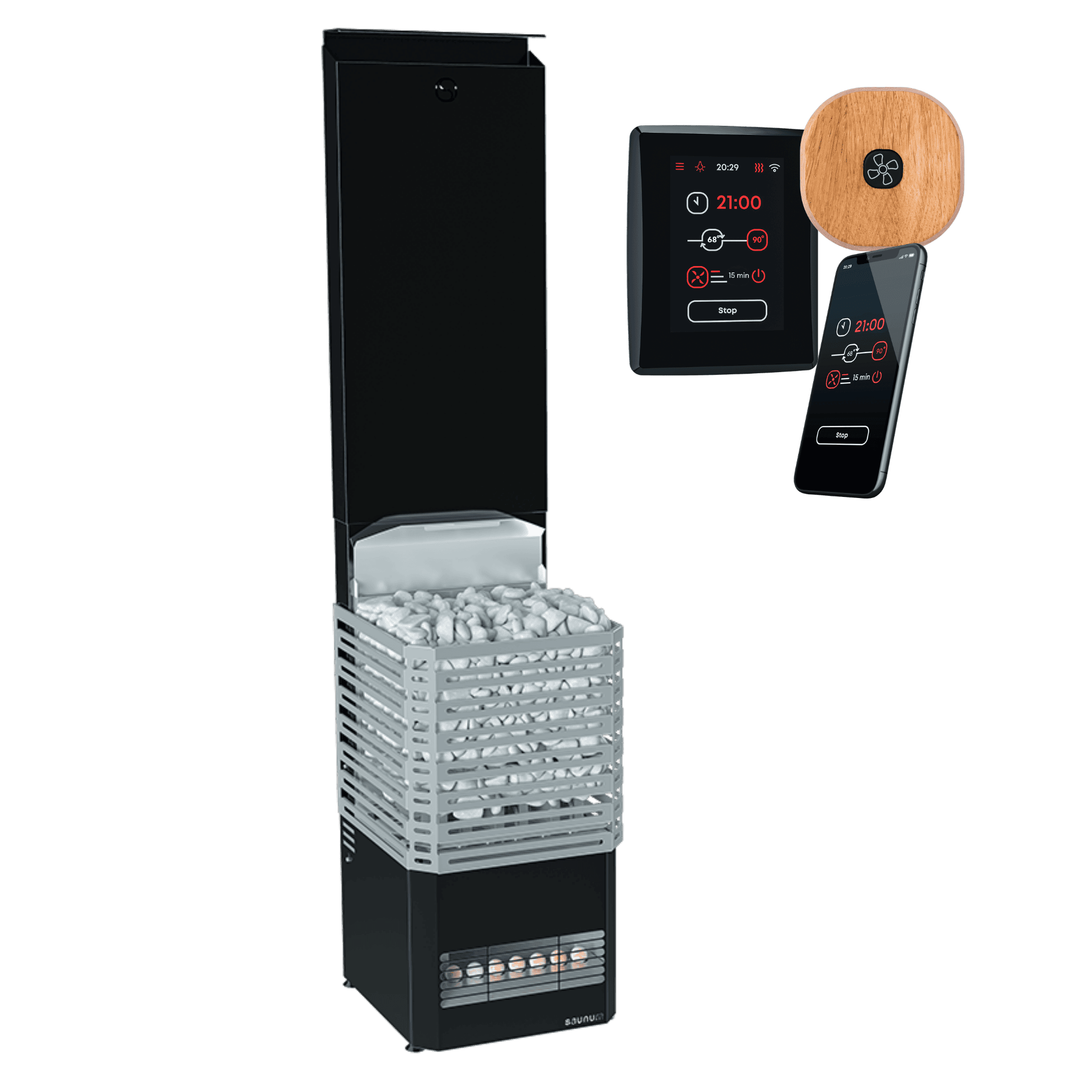
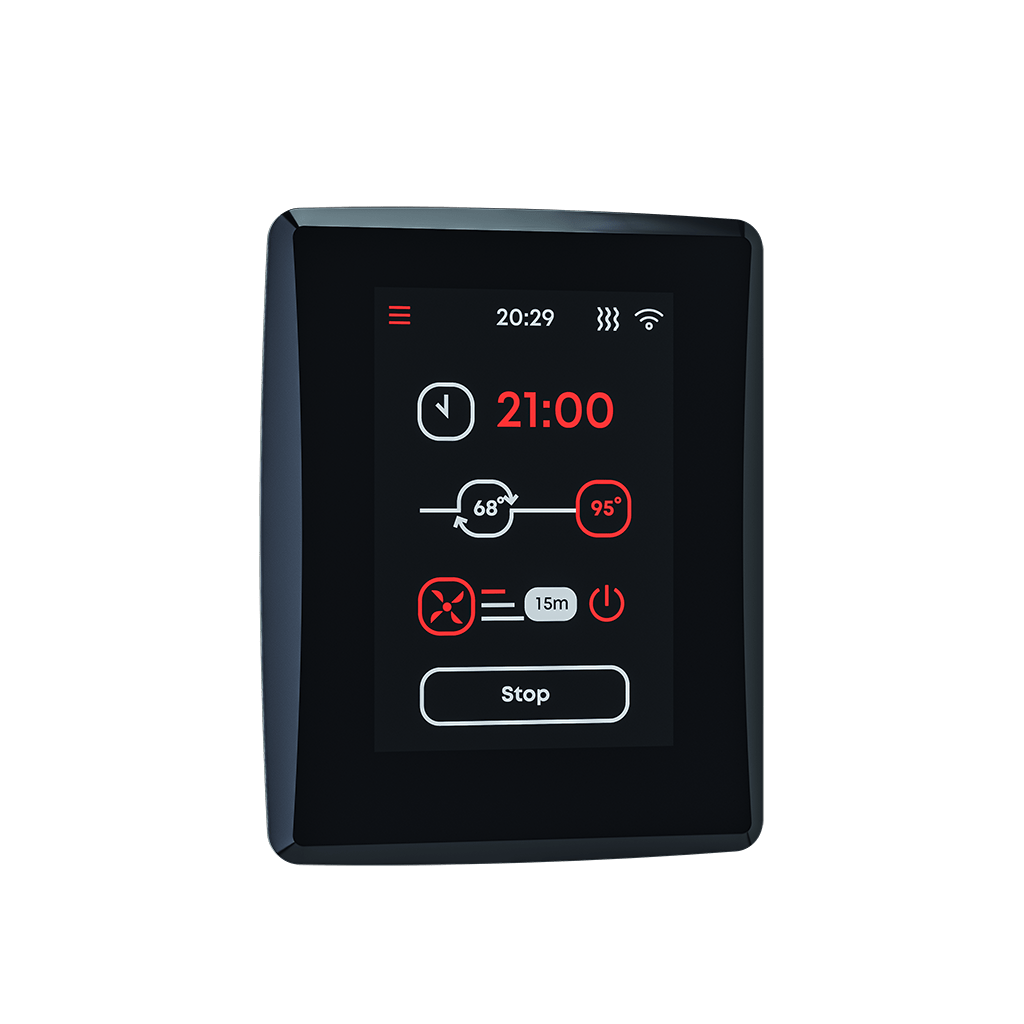
With a smart control system, this process becomes much more intuitive. The Saunum Leil control unit allows you to pre-set fan speed alongside your preferred sauna type, so once you find the right configuration for your room, you can save it and return to it with just a few taps.
Does room shape or layout change how the system should be configured?
Yes, room shape and layout influence how air circulates and where dead zones might form. An L-shaped or irregularly shaped sauna can create areas where airflow does not reach consistently, particularly in corners or recessed sections far from the heater and air blending unit. A standard rectangular room is the easiest to configure because airflow patterns are predictable.
In non-rectangular rooms, consider these layout factors:
- Position the heater and air blending unit so the outlet faces the longest unobstructed dimension of the room
- Avoid placing benches in corners that are shielded from the primary airflow path
- In L-shaped rooms, a slightly higher fan speed helps push air around the corner
- Rooms with interior partitions or dividers may need the system positioned centrally rather than against one wall
The goal is always to ensure the blended air reaches every occupied area of the room. If certain spots consistently feel cooler or stuffier, repositioning the unit or adjusting the outlet direction is often more effective than simply increasing fan speed.
What’s the best way to verify the configuration is working correctly?
The most reliable way to verify your air blending configuration is to measure the temperature at both bench levels after the sauna has been running for at least 15 to 20 minutes. A well-configured system should produce a temperature difference of no more than a few degrees between the upper and lower benches. If the gap is larger, the system needs adjustment.
Beyond thermometer readings, your own physical experience is a strong indicator. A correctly configured sauna should feel:
- Evenly warm at every bench level, with no harsh heat spike near the ceiling
- Easy to breathe, with no stuffiness or oxygen-depleted sensation at bench height
- Responsive to water throws, with steam distributing gently rather than blasting in one direction
- Consistent from session to session once the settings are saved
If the steam from a water throw disperses unevenly or rushes immediately to one side of the room, that is a sign the fan speed or outlet direction needs fine-tuning. Regular checks after seasonal changes are also worthwhile, since the ambient temperature outside the sauna can affect how the system performs during heat-up.
How Saunum helps you configure your air blending system for any room size
Getting the air blending configuration right for your specific sauna room does not have to be a guessing game. Saunum has built its systems specifically to make this process straightforward, whether you are setting up a compact home sauna or a larger commercial space.
Here is what Saunum brings to the table:
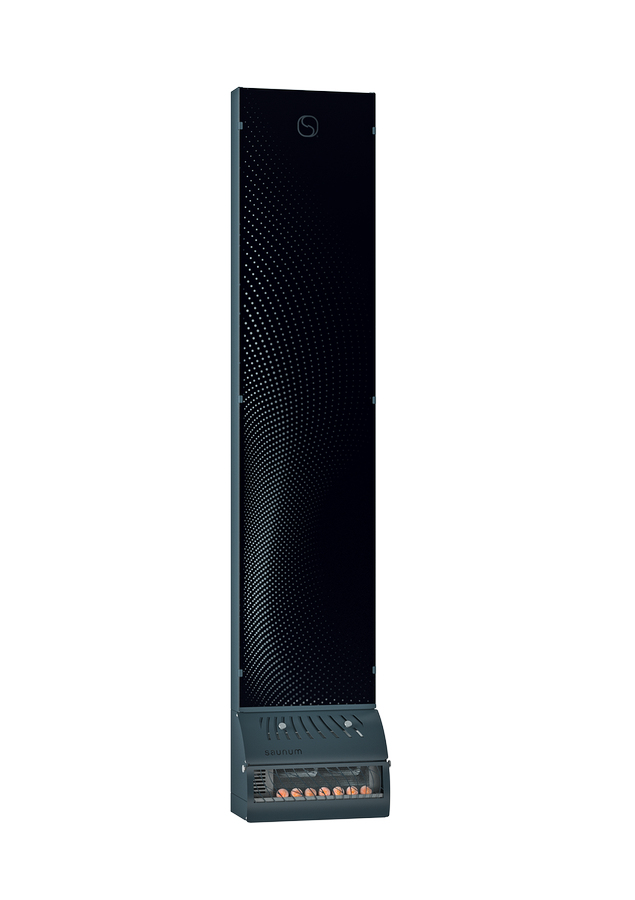
- Patented air circulation technology that draws scorching air from the ceiling, blends it with cooler floor-level air, and returns soft, even heat to the entire room
- Adjustable fan speed so you can fine-tune airflow to match your room’s volume, ceiling height, and layout
- Smart control via the Saunum Leil unit, which lets you save your preferred settings for different sauna modes and adjust fan speed remotely through the Saunum app
Whether you are building a new sauna or upgrading an existing one, Saunum makes it easy to achieve a consistent, breathable, and genuinely enjoyable sauna climate in rooms of any size. Get in touch with us to find the right configuration for your space, or explore our range to find the system that fits your room.