


Yes, your body does get used to sauna heat over time. Through a process called heat acclimatization, repeated sauna sessions train your cardiovascular system, sweat glands, and nervous system to handle high temperatures more efficiently. This is a sign your body is adapting well, not that the sauna has stopped working for you. Below, we unpack what that adaptation actually means, how long it takes, and how to keep getting the most from every session.
How does your body adapt to repeated sauna heat exposure?
Sauna heat adaptation happens through a series of physiological changes that make your body more efficient at managing heat stress. Your plasma volume increases, your sweat glands become more responsive, and your heart rate during heat exposure gradually lowers. These are signs of improved cardiovascular fitness and thermoregulation, not diminishing returns.
In practical terms, this means you will start sweating sooner and more abundantly, your skin temperature rises faster, and you feel less overwhelmed by the heat. Your body is essentially becoming a better cooling machine. This process, known as sauna acclimatization, mirrors what happens when athletes train in hot climates to improve performance. The discomfort you felt in your first few sessions gives way to a more relaxed, controlled experience as your body learns to cope.
Does sauna tolerance mean you stop getting health benefits?
Building sauna tolerance does not mean you stop getting health benefits. In fact, the opposite is often true. As your body adapts, you can stay in the sauna longer and at higher comfort levels, which means your cardiovascular system, lymphatic system, and detoxification pathways are being stimulated more thoroughly with each session.
The key distinction is between comfort and effect. You may feel less dramatically hot, but your core body temperature is still rising, your heart is still working harder, and your sweat is still carrying waste products out through your skin. Regular sauna users often report deeper relaxation, better sleep, and more consistent respiratory benefits over time, all of which point to compounding health gains rather than a plateau.
How long does it take to build sauna heat tolerance?
Most people notice meaningful sauna heat tolerance developing within two to four weeks of regular use, typically with sessions three to four times per week. The first few sessions are usually the most intense, and by the end of the first month, the same temperature that felt overwhelming will feel manageable and even enjoyable.
Individual timelines vary based on fitness level, age, and how frequently you use the sauna. People who are already physically active tend to acclimatize faster because their cardiovascular systems are already conditioned to handle elevated heart rates. Beginners should start with shorter sessions of around ten to fifteen minutes and gradually extend duration as comfort grows, rather than pushing temperature higher too quickly.
Why does sauna steam quality affect how heat feels on the body?
Steam quality has a direct impact on how heat is perceived because the moisture content and distribution of steam determine how efficiently your body can cool itself through sweating. Harsh, stratified steam concentrated near the ceiling creates uneven heat that feels aggressive and difficult to breathe in, making the sauna feel hotter and more stressful than it actually is.
When steam is soft, evenly distributed, and mixed with oxygenated air, the heat feels gentler and more enveloping. You can breathe more easily, stay longer, and sweat more consistently. This is why the quality of your sauna heater matters so much for the long-term experience. A breathable steam sauna environment allows your body to respond to heat naturally rather than defensively, which supports deeper relaxation and more effective perspiration throughout the session.
Should you increase sauna temperature as your tolerance grows?
You do not necessarily need to increase sauna temperature as your tolerance grows. Duration and frequency are often more effective levers than raw heat. Staying in a well-maintained sauna for longer periods, or adding an extra session per week, tends to deliver greater cumulative health benefits than simply cranking up the thermostat.
That said, if you have been using the same temperature for months and your sessions feel effortless, a modest increase can reintroduce the mild heat stress that drives adaptation. The goal is to stay in a zone where the heat is challenging but not overwhelming. A useful rule of thumb is to increase temperature only when you can comfortably complete your target session duration at the current setting without feeling rushed to leave.
What sauna habits help maintain long-term health benefits?
Consistency is the single most important habit for maintaining long-term sauna health benefits. Regular sessions, even shorter ones, outperform occasional marathon sessions in terms of cardiovascular conditioning, stress reduction, and respiratory support. Aim for at least two to three sessions per week to keep the benefits compounding.
- Hydrate well before and after each session to support sweating and recovery
- Allow adequate cool-down time between heat rounds to let your body reset
- Vary your routine occasionally by adjusting duration, steam intensity, or adding complementary practices like cold exposure
- Pay attention to how your body feels rather than chasing a specific temperature or time target
Beyond frequency, the environment inside your sauna matters. A session in a well-ventilated, evenly heated space with quality steam will always deliver more than the same duration in a poorly designed setup. Investing in the right equipment from the start means your long-term sauna habit is built on a foundation that actually supports your health goals.
How Saunum’s electric sauna heaters support your long-term sauna experience
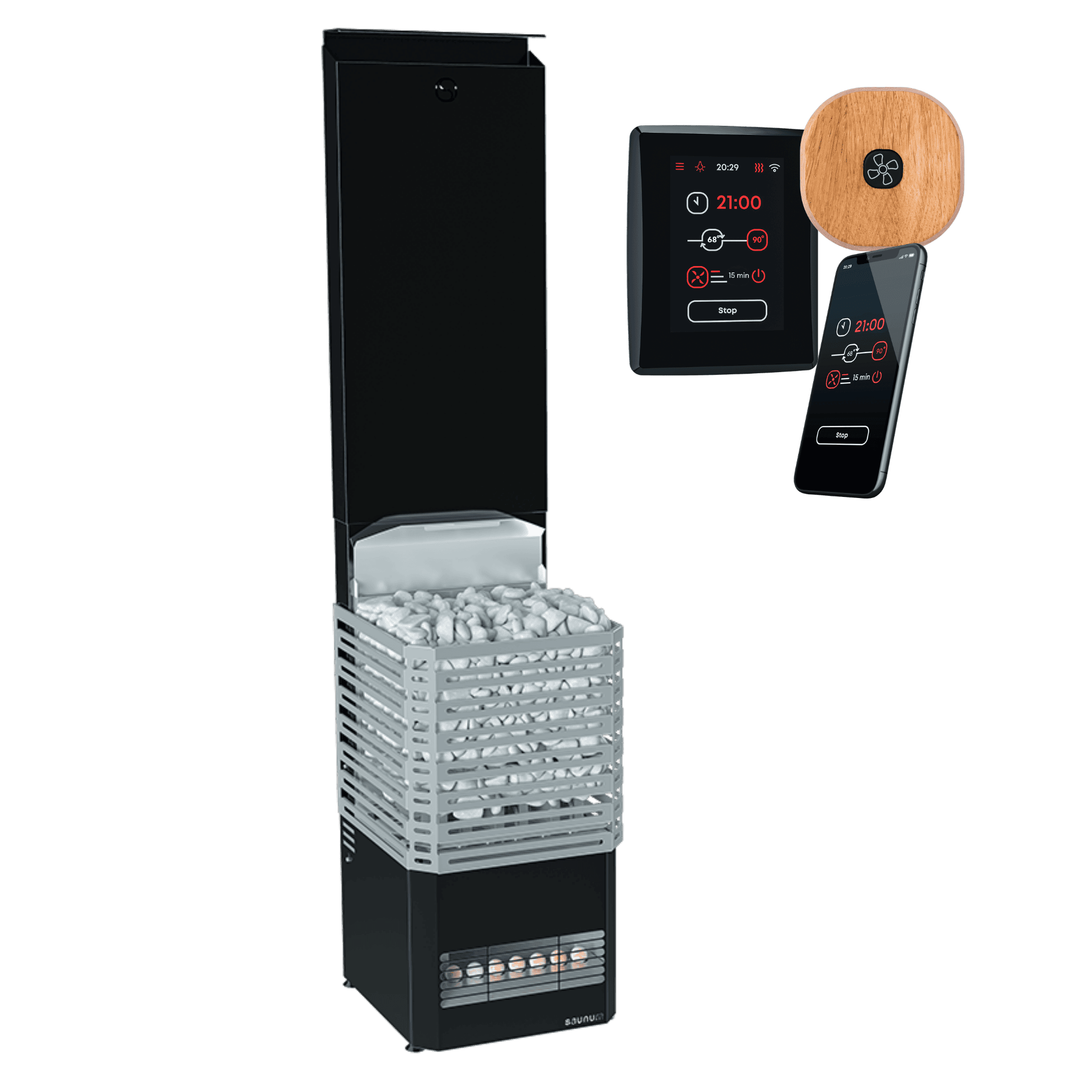
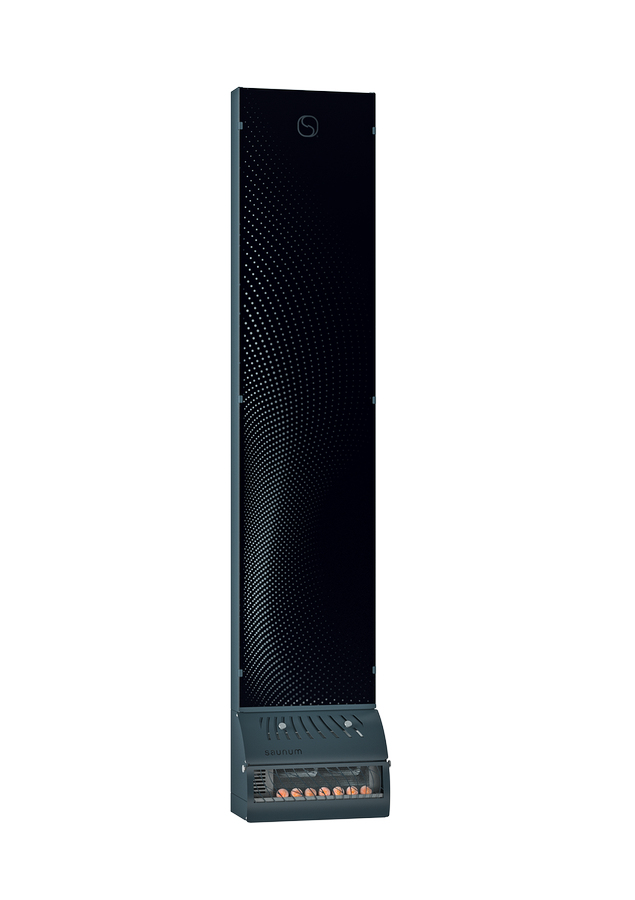
As your sauna tolerance develops, the quality of your sauna environment becomes more important, not less. Saunum’s electric sauna heaters are built around a patented air circulation system that addresses the core challenges of long-term sauna use directly.
- The system draws hot steam from the ceiling and mixes it with cooler, oxygenated air from the floor, equalizing room temperature by up to 60%
- The result is softer, more breathable steam that makes sessions more comfortable and encourages longer, more effective time in the heat
This means that as your body adapts to sauna heat, you are working with an environment that consistently supports deeper sweating, easier breathing, and a more satisfying session every time. Whether you are new to sauna or a seasoned regular, Saunum gives you the conditions to keep progressing. Explore our range and find the heater that fits your sauna.
Frequently Asked Questions
Is it safe to use the sauna every day once I've built up heat tolerance?
Daily sauna use can be safe for healthy adults who have already acclimatized, but most experts recommend taking at least one or two rest days per week to allow full recovery. Overuse without adequate rest and hydration can lead to fatigue, dehydration, or electrolyte imbalances. Listen to your body — if you feel unusually tired or lightheaded after sessions, scaling back to five days per week is a sensible approach.
How do I know if I'm pushing the heat too hard too soon?
Warning signs that you are progressing too aggressively include dizziness, nausea, a pounding heartbeat, or feeling unable to breathe comfortably during a session — these are signals to exit the sauna immediately and cool down. A healthy sauna challenge should feel warm and demanding, not distressing. If you cannot hold a calm, steady breath throughout your session, the temperature or duration is likely too high for your current tolerance level.
Does body weight or fitness level affect how quickly I adapt to sauna heat?
Yes, both factors play a role. People with higher cardiovascular fitness tend to acclimatize faster because their hearts and circulatory systems are already efficient at managing elevated demands. Body composition can also affect heat retention and sweat response, meaning adaptation timelines genuinely vary from person to person. Rather than comparing your progress to others, track your own sessions and note when the same duration starts feeling noticeably more manageable — that personal benchmark is the most reliable indicator of adaptation.
Can I combine cold plunges or cold showers with sauna sessions without disrupting the adaptation process?
Absolutely — contrast therapy (alternating between sauna heat and cold exposure) is widely used and actually complements the adaptation process rather than disrupting it. The cold phase helps reset your cardiovascular system between heat rounds, allowing you to return to the sauna refreshed and potentially extend your total session time. Start with a brief cold rinse of 30 to 60 seconds after each heat round and gradually work toward longer cold exposure as your body adjusts to both extremes.
What should I eat or drink before a sauna session to get the most out of it?
Hydration is the top priority — drink at least one to two glasses of water in the hour before your session to ensure your body has enough fluid to sweat efficiently. Avoid heavy meals within 90 minutes of a session, as digestion diverts blood flow away from the muscles and skin, making heat management harder and potentially causing discomfort. A light snack rich in electrolytes, such as a banana or a small handful of nuts, can be a good option if you are heading into a longer session.
Why do I sometimes feel colder after a sauna session than before I went in?
This is a normal physiological response. During a sauna session, your blood vessels dilate and your body redirects blood flow toward the skin to release heat. After you exit and cool down, this process reverses rapidly, and the contrast between your heated skin and the cooler ambient air can trigger a temporary sensation of chilliness. Allowing a gradual cool-down period rather than stepping into a very cold environment immediately can help ease this transition and leave you feeling warm and relaxed rather than suddenly cold.
How do I maintain my sauna heater to ensure consistent steam quality over time?
Regular maintenance is key to preserving steam quality and getting the most from every session. This includes descaling the heater stones periodically (typically every six to twelve months depending on water hardness), checking that stones are not cracked or compacted, and ensuring ventilation channels remain clear. For electric heaters with air circulation systems like Saunum’s, following the manufacturer’s maintenance schedule ensures the airflow mechanism continues to distribute steam evenly — which directly impacts the comfort and effectiveness of your sessions long-term.