



Yes, humidity significantly affects the sauna wellness experience. The moisture level in the air determines how your body sweats, how easily you breathe, and how intensely heat penetrates your skin. Whether you prefer a dry Finnish sauna or a steam-rich wet sauna, getting the humidity right is the difference between a session that feels restorative and one that feels overwhelming. This article unpacks the most common questions about sauna humidity so you can make the most of every session.
How does humidity level change what your body feels in a sauna?
Humidity in a sauna directly influences how your body perceives heat and how effectively it cools itself through sweating. In low-humidity environments, sweat evaporates quickly from the skin, which creates a dry, intense heat sensation. In higher-humidity conditions, sweat evaporates more slowly, making the air feel hotter and encouraging deeper, more prolonged perspiration. The result is a noticeably different physical experience even at the same air temperature.
Beyond sweat response, humidity also affects your respiratory comfort. Dry air can irritate the airways and throat, especially during longer sessions, while moist air tends to feel gentler on the lungs. This is why many wellness enthusiasts find that a balanced level of steam makes the sauna experience more enjoyable and easier to sustain over time. The key is not choosing between dry and wet, but understanding how each affects your body so you can tailor your session to your goals.
What is the difference between a dry sauna and a wet sauna?
A dry sauna operates at high temperatures, typically between 80 and 100 degrees Celsius, with very low relative humidity, usually between 10 and 20 percent. A wet sauna, often called a steam sauna or steam room, runs at lower temperatures but with much higher humidity, sometimes reaching 100 percent. The core difference is the moisture content in the air, which shapes everything from how hot the room feels to how your skin and lungs respond.
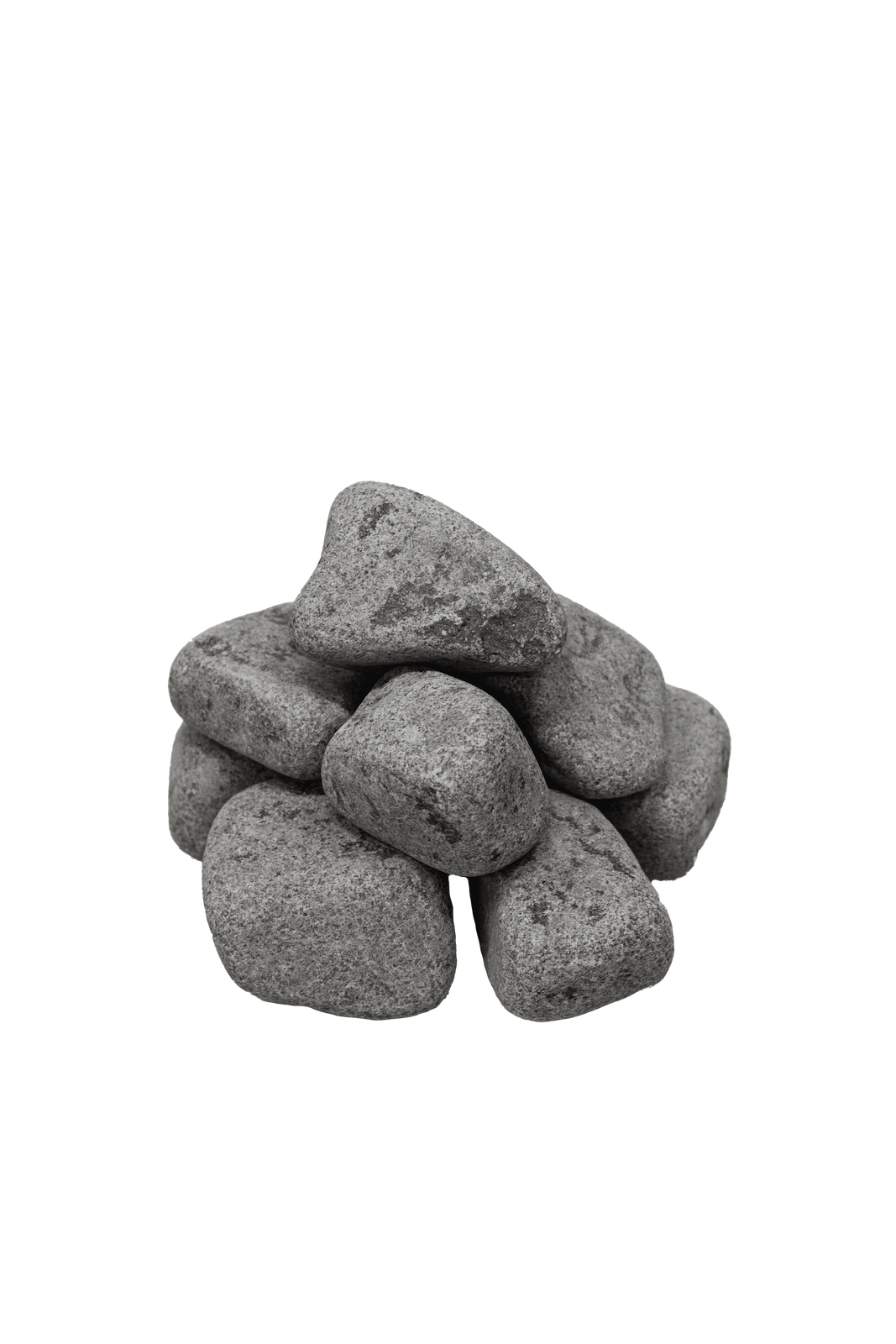
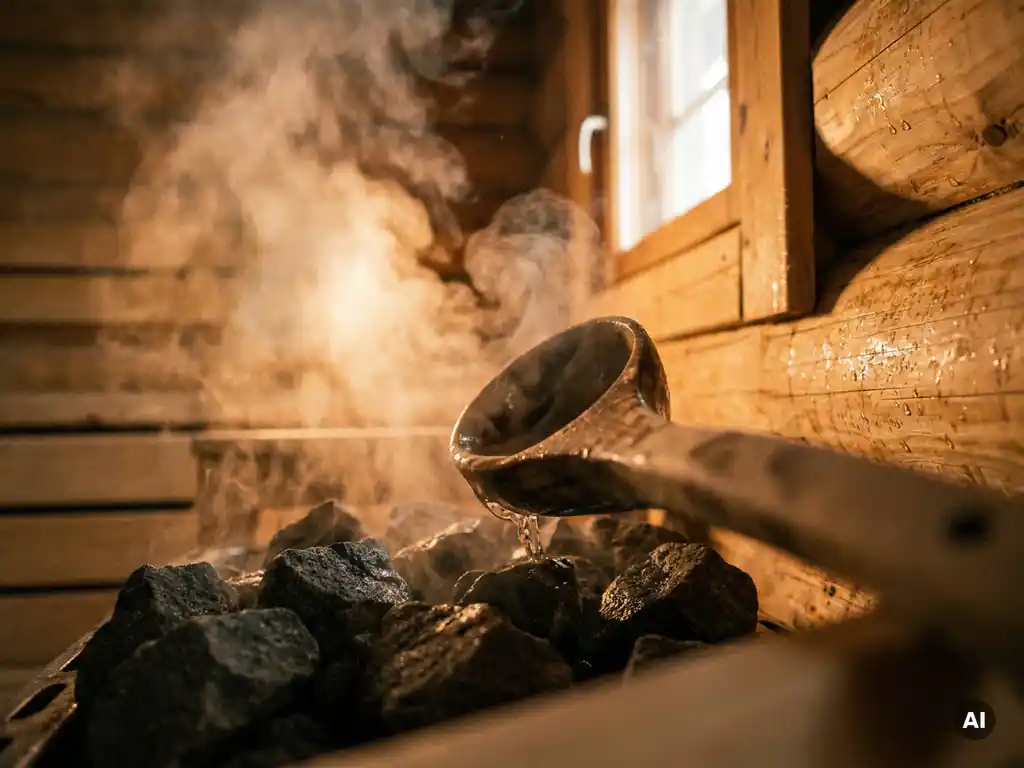
In a traditional Finnish dry sauna, water is occasionally thrown onto hot stones to create brief bursts of steam, known as löyly. This temporarily raises humidity without turning the sauna into a full steam room. A wet sauna, by contrast, continuously generates steam, creating a consistently moist environment. Both approaches offer genuine sauna health benefits, but they suit different preferences and wellness goals. People with sensitive airways often find wet sauna conditions more soothing, while those who prefer intense heat tend to favor the dry format.
Does higher humidity make sauna sessions more beneficial for respiratory health?
Higher humidity in a sauna can support respiratory health by moistening the airways, loosening mucus, and making breathing feel easier. Warm, moist air has long been used as a natural remedy for congestion, sinus discomfort, and mild respiratory irritation. For people dealing with conditions like seasonal allergies or mild asthma, a humid sauna environment may offer noticeable relief during and after a session.
That said, the quality of the steam matters as much as the quantity. Steam that is too dense or too hot can feel suffocating rather than soothing. The ideal is breathable steam, warm and moist enough to open the airways without overwhelming the lungs. This is where the balance between temperature and humidity becomes especially important for anyone using the sauna with respiratory wellness in mind.
Why does uneven humidity cause discomfort in a sauna?
Uneven humidity in a sauna creates hot, dry pockets near the ceiling and cooler, damper zones near the floor. This stratification means that different parts of your body experience very different conditions simultaneously, which can feel harsh, disorienting, or simply unpleasant. When steam and heat are not evenly distributed, the session becomes harder to enjoy and harder to sustain.
The discomfort goes beyond temperature. Uneven moisture distribution also affects breathing. If the air near your face is excessively dry while the floor-level air is cool and damp, your respiratory system has to work harder to adjust. This inconsistency reduces the therapeutic value of the session and is one of the most common complaints among sauna users who feel that their sauna “runs hot” or feels harsh despite normal temperature readings.
How can you get softer, more breathable steam in a sauna?
Softer, more breathable steam comes from blending hot steam with cooler, oxygen-rich air before it reaches the bather. When steam rises to the ceiling and stays trapped there, it becomes superheated and harsh. Mixing that ceiling steam back down with the fresher air near the floor produces a gentler, more even moisture that is easier to breathe and more comfortable on the skin.
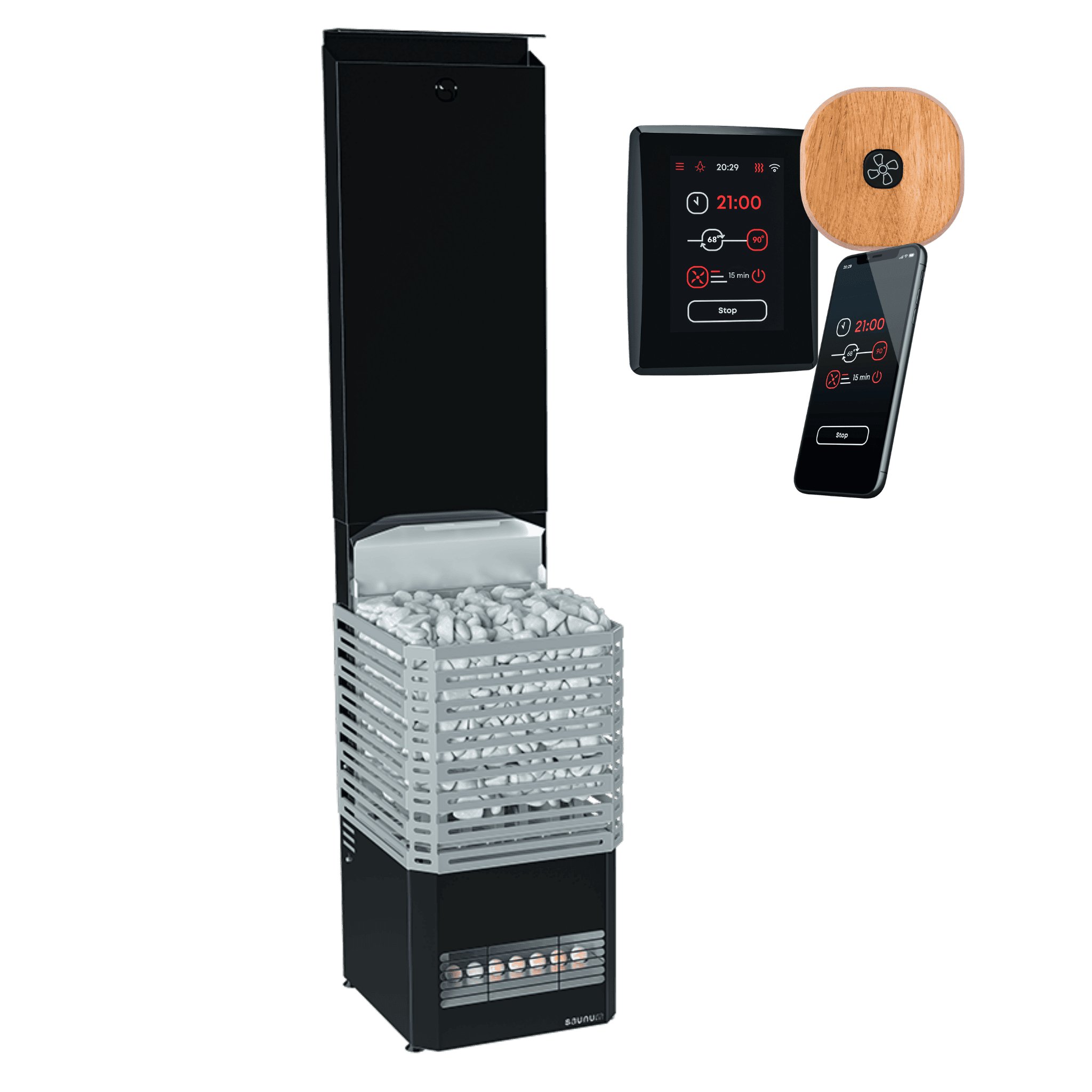
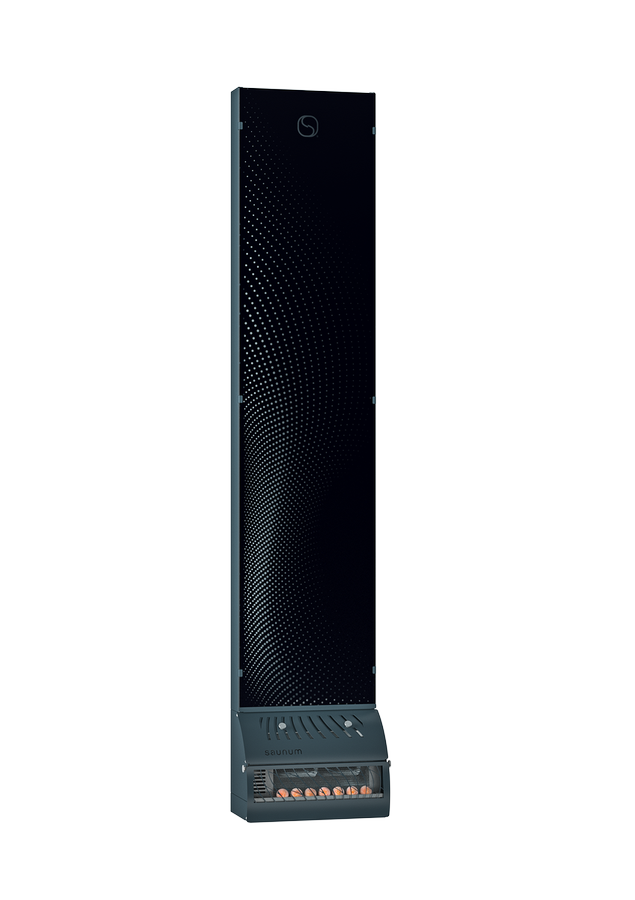
Our electric sauna heaters are built around exactly this principle. The patented air circulation system draws overheated steam from the ceiling, blends it with cooler floor-level air, and redistributes it evenly throughout the room. The result is a consistently soft, breathable steam environment rather than a harsh, stratified one. This approach also means you can throw water on the stones more frequently without the air becoming unbearable, which leads to a more satisfying and immersive sauna session overall.
What humidity level is ideal for a sauna wellness session?
The ideal humidity level for a sauna wellness session depends on the type of sauna and your personal health goals, but a relative humidity of between 20 and 40 percent is widely considered the sweet spot for a traditional Finnish-style sauna. This range provides enough moisture to keep breathing comfortable and support skin hydration without making the heat feel oppressive. Steam rooms operate at much higher humidity, which suits different wellness purposes.
For most wellness-focused sessions, the goal is not to hit a specific number but to achieve a balance where the air feels warm, moist, and easy to breathe throughout the room. Consider these factors when dialing in your ideal sauna humidity:
- Your health goals: Respiratory support benefits from slightly higher humidity, while intense heat therapy may suit drier conditions.
- Session length: Higher humidity can feel more manageable during shorter sessions but may become uncomfortable over longer ones.
- Room temperature: As temperature rises, even moderate humidity feels more intense, so the two variables need to be balanced together.
- Air distribution: Even humidity throughout the room matters more than the exact percentage, since stratified air creates inconsistent conditions regardless of the average reading.
How Saunum’s electric sauna heaters improve sauna humidity and comfort
Saunum’s electric sauna heaters are designed to solve the core humidity and comfort challenges described throughout this article. Our patented air blending system actively works to eliminate the stratification that makes so many sauna sessions feel harsh or uneven. Here is what that means in practice:
- Even temperature and humidity from floor to ceiling, reducing the hot-dry ceiling and cool-damp floor effect by up to 60 percent.
- Softer, more breathable steam created by mixing superheated ceiling air with cooler, oxygen-rich floor air before it reaches the bather.
- More frequent löyly throwing becomes comfortable because the air stays balanced rather than becoming suffocatingly hot.
- Optional Himalayan salt orbs that infuse the circulating air with beneficial salt ions, adding a therapeutic dimension to every session.
Whether you are building a new sauna or upgrading an existing one, Saunum offers a five-in-one wellness solution that combines classic Nordic sauna, steam sauna, relaxation sauna, salt ion therapy, and aromatherapy in a single heater. Explore our range and find the right fit for your wellness goals at our online store.
Frequently Asked Questions
How do I know if the humidity in my sauna is too high or too low?
The most reliable indicator is how your body feels during the session. If the air feels scratchy, your throat becomes dry, or your skin feels tight, humidity is likely too low. If breathing feels labored, the air feels suffocating, or you feel dizzy despite a normal temperature, humidity is probably too high. A simple hygrometer placed at seated head height gives you an accurate reading and takes the guesswork out of adjusting your sessions.
Can I add humidity to my existing dry sauna without buying a new heater?
Yes, the simplest way is to ladle water onto your sauna stones more frequently, which temporarily raises humidity through löyly. You can also place a small bowl of water near the stones to allow gradual evaporation between ladles. However, these methods do not solve the underlying stratification problem, meaning the steam will still tend to collect unevenly near the ceiling rather than distributing throughout the room. Upgrading to a heater with an active air circulation system is the most effective long-term solution for consistent, breathable humidity.
Is it safe to use a sauna with high humidity if I have asthma or other respiratory conditions?
Many people with mild asthma or respiratory sensitivities actually find that warm, moist sauna air is more comfortable than dry heat, since it helps open the airways rather than irritating them. That said, you should always consult your doctor before using a sauna if you have a diagnosed respiratory condition, as very high humidity combined with intense heat can place additional strain on the cardiovascular and respiratory systems. Start with shorter sessions at moderate temperatures and humidity levels, and pay close attention to how your body responds before gradually increasing intensity.
Why does my sauna feel unbearably hot near the ceiling but cool near the floor?
This is a classic sign of thermal stratification, which occurs when hot air and steam rise and become trapped at ceiling level without being redistributed downward. The temperature difference between ceiling and floor in a conventionally heated sauna can be as large as 30 to 40 degrees Celsius, creating a very uneven experience. Improving ventilation, adjusting your heater placement, or switching to a heater with an active air blending system are the most effective ways to address this problem at its source.
How often should I throw water on the sauna stones, and does it affect humidity long-term?
A general guideline is to ladle water onto the stones every 5 to 10 minutes, using roughly 50 to 100 milliliters per throw, but personal preference and stone temperature play a big role. Each ladle creates a short burst of steam that raises humidity temporarily before it dissipates or stratifies near the ceiling. Frequent löyly throwing does not significantly raise the baseline humidity of the room over time unless your heater is designed to blend and recirculate that steam evenly, which is why air circulation technology makes such a noticeable difference in the overall session quality.
What is the best way to maintain consistent humidity across multiple sauna sessions?
Consistency starts with a well-insulated sauna room that retains heat and moisture evenly, combined with a heater that reaches and holds its target temperature reliably before you begin. Pre-heating your sauna for at least 30 to 45 minutes allows the walls, bench, and stones to absorb heat fully, which stabilizes both temperature and humidity response once you start throwing water. Keeping a log of your temperature, humidity readings, and löyly frequency across sessions is a practical way to identify what combination works best for your specific room and wellness goals.
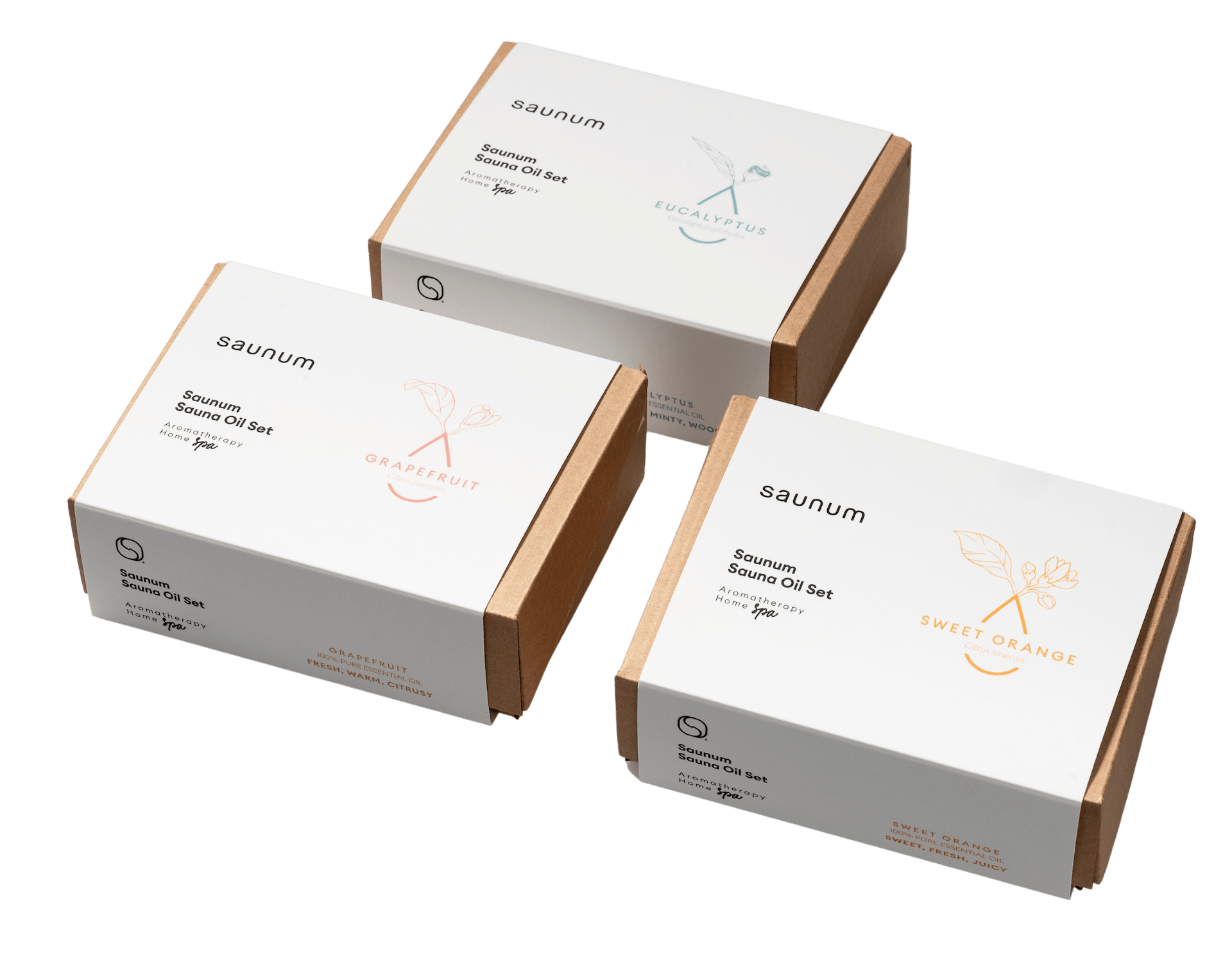
Can aromatherapy oils be used in a sauna with higher humidity, and are there any risks?
Yes, essential oils can be added to the water you ladle onto the stones, and they tend to disperse beautifully in a humid sauna environment since the steam carries the aromatic compounds throughout the room. Always dilute essential oils in water before applying them to the stones, as undiluted oils can burn off too quickly, produce harsh fumes, or damage the stone surface over time. Eucalyptus, pine, and birch are traditional choices that complement the respiratory benefits of a humid sauna session, while lavender is popular for relaxation-focused sessions.


