



Heat, humidity, and airflow work together in a sauna by creating a layered climate that determines how hot the air feels, how well steam distributes through the room, and how comfortably you can breathe. When all three factors are in balance, the sauna produces soft, even heat that surrounds your body rather than scorching from above. The sections below unpack each element and explain what happens when they work in harmony.
How does humidity affect the way heat feels in a sauna?
Humidity changes the way your body perceives sauna heat by slowing down sweat evaporation. In a dry sauna, perspiration evaporates quickly, which cools the skin and makes high temperatures feel more tolerable. Add moisture to the air and that evaporation slows, so the same temperature feels significantly more intense. This is why a humid sauna at 70°C can feel hotter than a dry one at 90°C.
The relationship between humidity and perceived heat is central to the entire sauna experience. Low humidity suits people who prefer a milder, longer session, while higher humidity encourages faster, more intense sweating. The key is control. Too much steam without proper air movement creates a suffocating, heavy atmosphere. The right amount of moisture, paired with good circulation, produces what sauna enthusiasts describe as breathable steam: warm, enveloping, and easy on the lungs.
What role does airflow play in sauna temperature distribution?
Airflow in a sauna determines how evenly heat and steam spread across the room. Without active air circulation, hot air stratifies into layers, with the hottest air pooling near the ceiling and cooler air sitting near the floor. Good airflow breaks up these layers, moving warm air downward and distributing it more evenly from bench level to the top of the room.
In practice, poor airflow means the person sitting on the upper bench gets blasted with intense heat while someone on the lower bench barely feels warm. It also means steam lingers near the ceiling rather than wrapping around bathers. Effective sauna air circulation solves both problems at once, creating a consistent temperature zone throughout the room and making every seat on every bench a comfortable one.
Why does steam rise to the ceiling instead of filling the whole room?
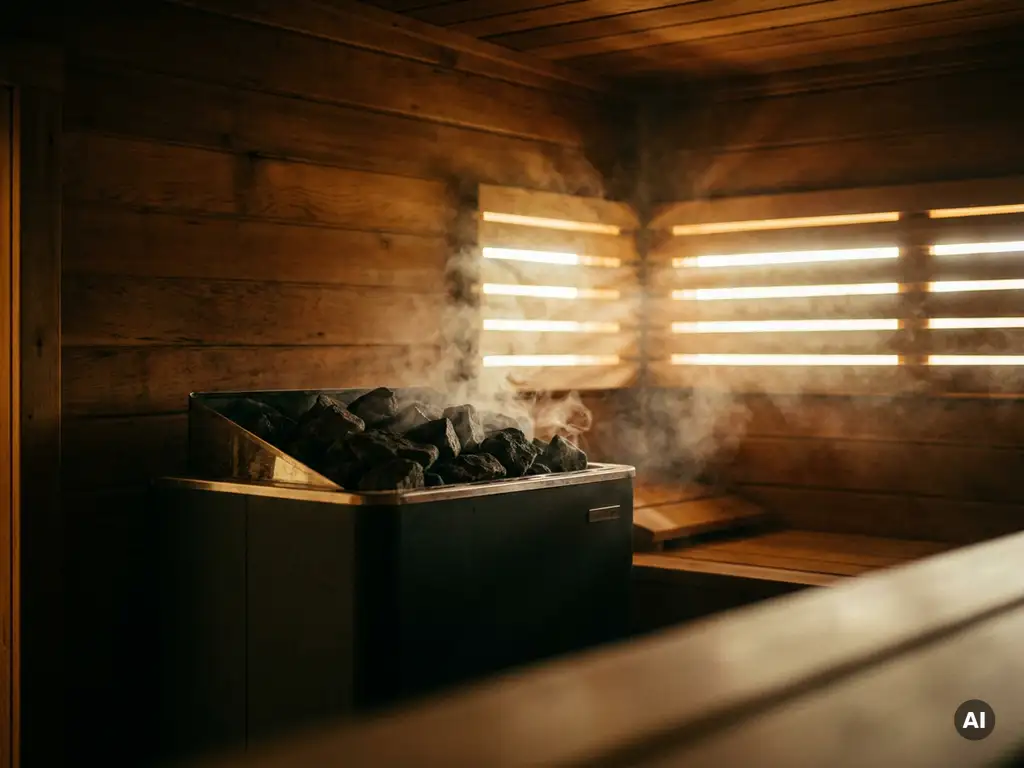
Steam rises to the ceiling because hot air and water vapor are lighter than cooler air, so they naturally float upward. When you pour water onto sauna stones, the resulting steam shoots upward rapidly and accumulates at the top of the room. Without a mechanism to push it back down, that steam stays trapped near the ceiling, where it gradually cools and condenses rather than delivering its warmth to bathers.
This is one of the most common frustrations in traditional sauna design. The hottest, most humid air sits exactly where it is least useful, above head height or higher. Bathers on the lower bench miss out on the steam entirely, while those on the upper bench experience an uneven blast of heat concentrated at the top. The solution lies in actively redirecting that ceiling-level steam back into the room’s breathing zone.
What happens when heat, humidity, and airflow are properly balanced?
When sauna heat, humidity, and airflow are properly balanced, the room maintains a consistent temperature from floor to ceiling, steam distributes evenly, and the air feels soft and easy to breathe. Bathers sweat more intensely and more evenly across the body, sessions feel longer and more comfortable, and the therapeutic benefits of heat exposure are amplified because the body is surrounded by warmth rather than exposed to it unevenly.
A well-balanced sauna climate also makes a meaningful difference for respiratory comfort. When steam is mixed with oxygenated air rather than sitting as a dense, stagnant layer, each breath feels lighter. This is especially noticeable for people who find traditional saunas harsh or difficult to breathe in. The result is a session that feels genuinely restorative rather than something to endure.
How does a sauna heater control all three climate factors at once?
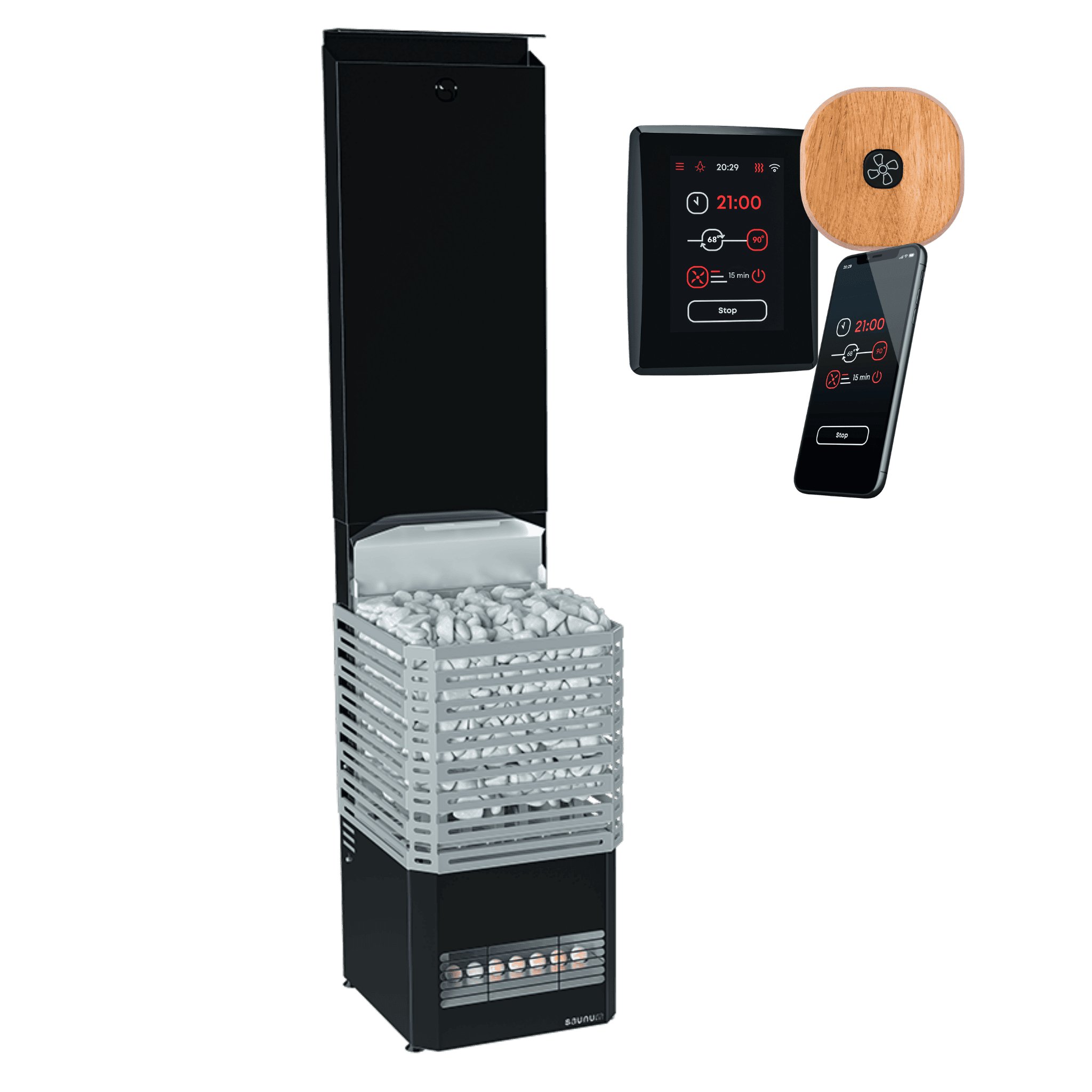
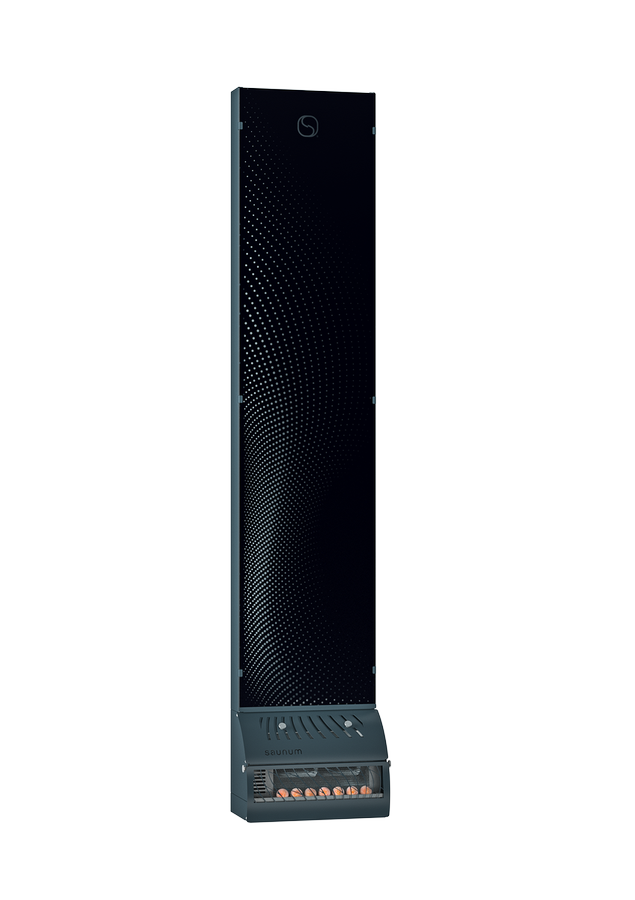
A sauna heater controls heat output directly through its power and stone mass, but it influences humidity and airflow through its design. Standard heaters heat the stones and leave steam distribution to chance. Advanced heaters incorporate built-in air circulation systems that actively draw hot steam from the ceiling, mix it with cooler air from floor level, and redirect the blended air back into the room as soft, even warmth.
This integrated approach means the heater is not just a heat source but a full sauna climate management system. By controlling where air moves and how steam is redistributed, the heater determines the humidity level bathers actually experience, the temperature consistency across the room, and the breathability of the air. The difference between a heater that simply gets hot and one that actively manages airflow is the difference between a harsh sauna and a genuinely enjoyable one.
Can better airflow make sauna sessions healthier?
Yes, better airflow can make sauna sessions healthier by improving the quality of the air you breathe and ensuring your body receives heat more evenly. When steam is blended with oxygenated air rather than sitting as a dense ceiling layer, the air in the breathing zone is easier on the lungs. This matters most for people with respiratory sensitivities, but it improves comfort for everyone.
Improved air circulation also supports more effective sweating. When warmth surrounds the body evenly, perspiration is triggered more uniformly across the skin’s surface, which supports the detoxification and cardiovascular benefits associated with regular sauna use. Sessions can last longer because the environment feels less oppressive, and the overall experience shifts from something physically demanding to something genuinely therapeutic.
- Even heat distribution encourages full-body sweating rather than localized heat exposure
- Oxygenated, blended steam is easier to breathe, especially for those with respiratory concerns
- Consistent temperature across bench levels means every seat delivers the same quality session
- Softer steam allows for more frequent water pours without overwhelming the room
How Saunum’s electric sauna heaters manage heat, humidity, and airflow
Our electric sauna heaters are built around a patented air circulation system that addresses the core challenge described throughout this article: hot steam rising to the ceiling and staying there. The heater draws that ceiling-level steam downward, blends it with cooler, oxygen-rich air from the floor, and redirects it evenly throughout the room. The result is a sauna climate where temperature variation from floor to ceiling is reduced by up to 60%, steam is softer and more breathable, and sessions feel noticeably more comfortable and longer-lasting. If you want to experience what a properly balanced sauna climate actually feels like, explore our range of heaters and find the right fit for your sauna.
Frequently Asked Questions
What is the ideal temperature and humidity combination for a balanced sauna experience?
For most people, a comfortable balance sits around 80–90°C with relative humidity between 10–20% in a traditional dry sauna, or 60–80°C with humidity up to 40–60% in a steam-forward session. The sweet spot depends on personal preference, but the key principle is that as humidity rises, you should lower the temperature to maintain a breathable, comfortable environment. Starting at a lower temperature and gradually adding steam through water pours lets you find your ideal balance without overwhelming the room.
How can I tell if my sauna has poor airflow without any special equipment?
The simplest test is to compare how the air feels at bench level versus near the ceiling — if the upper bench feels unbearably hot while the lower bench feels barely warm, your sauna has significant heat stratification caused by poor airflow. Another sign is steam that disappears quickly upward after a water pour rather than wrapping around bathers. You may also notice that the air feels heavy or hard to breathe, which typically means stagnant, oxygen-depleted air is sitting in the breathing zone.
Can I improve airflow in an existing sauna without replacing the heater?
Yes, there are some steps you can take, such as ensuring your sauna’s intake and exhaust vents are correctly positioned — the intake vent should sit low near the heater and the exhaust vent near the floor on the opposite wall to encourage natural convection. Keeping the door slightly ajar during a session or adjusting bench height can also help. However, these measures address symptoms rather than the root cause; a heater with an integrated air circulation system is the most effective long-term solution for consistent, even heat distribution.
How often should I pour water on the stones to maintain the right humidity level?
A good starting point is small, frequent pours of around 50–100ml every few minutes rather than large amounts all at once, which can overwhelm the room with steam and create a suffocating atmosphere. The right frequency depends on your heater’s stone mass, the room size, and your personal humidity preference. With good airflow, you can pour more often because the steam is redistributed efficiently rather than accumulating as a dense ceiling layer — this is one of the practical benefits of a well-circulated sauna climate.
Is a higher temperature always better for sauna health benefits?
Not necessarily — research suggests that the cardiovascular and detoxification benefits of sauna use are linked to core body temperature rising, which can be achieved at a range of temperatures depending on humidity and session duration. A lower-temperature, higher-humidity sauna can trigger the same physiological responses as a hotter, drier one, often with less respiratory stress. What matters most is that heat reaches the body evenly and that sessions are long enough to sustain an elevated heart rate, both of which depend more on climate balance than raw temperature.
What common mistakes do sauna owners make that disrupt the heat, humidity, and airflow balance?
The most common mistake is pouring too much water too quickly, which floods the room with steam before the heater can redistribute it, creating a dense, uncomfortable atmosphere. Another frequent error is blocking or incorrectly positioning ventilation openings, which prevents natural air movement and causes heat to stratify. Many owners also underestimate the importance of stone mass — too few stones heat up unevenly and produce harsh, dry bursts of heat rather than the soft, sustained warmth that comes from a well-loaded heater.
How long does it typically take for a sauna to reach a properly balanced climate after heating up?
Most saunas need 30–45 minutes of preheating before the walls, benches, and stones have absorbed enough heat to maintain a stable climate. Rushing into a session before the room has fully saturated with heat means the environment will fluctuate significantly as you add steam, making balance harder to achieve. Saunas with active air circulation systems tend to reach a stable, even temperature distribution faster because the heater is continuously working to equalize heat across the room rather than relying on passive convection alone.


