



Home saunas are becoming popular for wellness because they make regular heat therapy accessible without leaving the house. Consistent access removes the biggest barrier to building a sauna habit, and research consistently links regular sauna use to meaningful improvements in cardiovascular health, muscle recovery, stress reduction, and sleep quality. The sections below answer the most common questions about home sauna wellness so you can decide whether one belongs in your routine.
What health benefits do home saunas actually deliver?
Home saunas deliver a broad range of evidence-backed health benefits, including improved circulation, reduced muscle tension, stress relief, better sleep, and support for the body’s natural detoxification processes. Because heat exposure triggers a cascade of physiological responses, a well-designed home sauna session can function as a genuine wellness tool rather than a luxury indulgence.
The most consistently reported benefit is cardiovascular support. When your body heats up, your heart rate rises and blood vessels dilate, mimicking the effect of moderate aerobic exercise. Over time, regular sessions are associated with lower resting blood pressure and improved vascular flexibility. Muscle recovery is another major draw, particularly for fitness enthusiasts: heat increases blood flow to fatigued tissue, helping clear metabolic waste and reduce soreness faster than passive rest alone.
On the mental health side, heat exposure stimulates the release of endorphins and reduces cortisol levels, which explains why most people step out of a sauna feeling noticeably calmer. Better sleep often follows, since the body’s gradual cool-down after a session signals the nervous system to shift into rest mode. For anyone exploring sauna health benefits at home, the combination of physical and mental effects is what makes consistent use so rewarding.
How does sauna heat affect the body during a session?
During a sauna session, rising heat causes your core body temperature to increase, triggering a chain of physiological responses: blood vessels dilate, heart rate climbs, sweat glands activate, and circulation accelerates throughout the body. These responses work together to support cardiovascular conditioning, toxin elimination through sweat, and deep muscular relaxation.
Within the first few minutes, your skin temperature rises sharply and your sweat glands begin producing perspiration to cool you down. This sweating process carries trace amounts of metabolic byproducts out through the skin, which is why sauna use is often associated with detoxification. As the session continues, the increased circulation delivers more oxygen and nutrients to muscles and joints, which is why heat therapy has long been used to ease stiffness and chronic discomfort.
The quality of the heat matters enormously here. Harsh, uneven heat concentrated near the ceiling can make breathing uncomfortable and force you to cut sessions short. A more evenly distributed heat environment, where the air temperature is consistent from floor to ceiling, allows the body to respond fully without the discomfort that drives people out of the sauna prematurely.
What’s the difference between a traditional sauna and a steam sauna?
A traditional sauna uses dry heat, typically produced by an electric or wood-burning heater, with low humidity levels between 10 and 20 percent. A steam sauna, or steam room, operates at much lower temperatures but with humidity close to 100 percent. The two experiences feel very different on the body, and each has distinct wellness applications.
Traditional saunas heat the air to temperatures between roughly 70 and 100 degrees Celsius, creating an intense, enveloping warmth that penetrates deeply into muscle tissue. The low humidity means breathing remains relatively comfortable, and you can control the moisture level by ladling water onto the heater stones to produce bursts of steam, known as löyly in Finnish tradition. This combination of dry heat and controlled steam is what most people picture when they think of a classic Nordic sauna experience.
Steam saunas, by contrast, sit at lower temperatures, often between 40 and 50 degrees Celsius, but the saturated air feels significantly hotter because sweat cannot evaporate efficiently. This makes steam rooms particularly effective for opening airways and soothing respiratory passages, though the dense humidity can feel overwhelming for some users. Modern home sauna systems increasingly bridge the gap between these two formats, allowing users to shift between drier and more humid conditions within a single session.
Can a home sauna help with respiratory health?
Yes, regular home sauna use can support respiratory health by warming and humidifying the airways, helping to loosen mucus, reduce nasal congestion, and ease breathing for people with conditions like asthma, sinusitis, or seasonal allergies. The warm, moist air created during a sauna session acts similarly to steam inhalation therapy, but in a full-body format.
The mechanism is straightforward: warm, humid air relaxes the smooth muscle tissue lining the airways and encourages the natural clearance of mucus. People with chronic respiratory conditions often report that regular sauna sessions help them breathe more freely in the hours following a session. The key is air quality inside the sauna itself. If the steam is harsh or the air is stratified, with scorching heat trapped near the ceiling and cooler, stale air near the floor, the breathing experience becomes unpleasant rather than therapeutic.
This is where a well-engineered air circulation system makes a real difference. When hot steam is drawn down from the ceiling, blended with cooler, oxygen-rich air from the floor, and redistributed evenly throughout the room, the resulting breathable steam sauna environment is far gentler on the lungs. Adding Himalayan salt therapy to the session introduces negative ions into the air, which some wellness practitioners associate with additional respiratory benefits, particularly for those sensitive to airborne irritants.
How often should you use a home sauna for wellness results?
For meaningful wellness results, using a home sauna three to four times per week is a widely recommended starting point. Shorter, more frequent sessions tend to produce better outcomes than occasional long ones, because the body adapts and responds to consistent heat exposure over time rather than sporadic intense use.
Beginners should start with sessions of 10 to 15 minutes and gradually build toward 20 to 30 minutes as their heat tolerance improves. Staying well hydrated before and after each session is essential, since sweating causes significant fluid loss. Most people find that evening sessions work particularly well for sleep, while morning sessions can feel energizing and help loosen stiff joints.
The most important factor is consistency. A home sauna makes this far easier to achieve than a gym or spa facility, because there is no travel time, no scheduling, and no waiting. Having the sauna at home means you are far more likely to use it regularly, which is ultimately what drives the long-term health benefits associated with sauna wellness.
What should you look for when choosing a home sauna?
When choosing a home sauna, the most important factors are heater quality, air circulation design, temperature consistency, size relative to your space, and the range of wellness features available. A sauna that delivers even, breathable heat throughout the room will always outperform one that simply gets hot.
- Heater technology: Look for an electric sauna heater with a proven track record and, ideally, a patented air management system that prevents heat from stratifying near the ceiling.
- Temperature evenness: A well-designed heater should maintain consistent temperatures from floor to ceiling, so every part of the sauna feels comfortable and therapeutically effective.
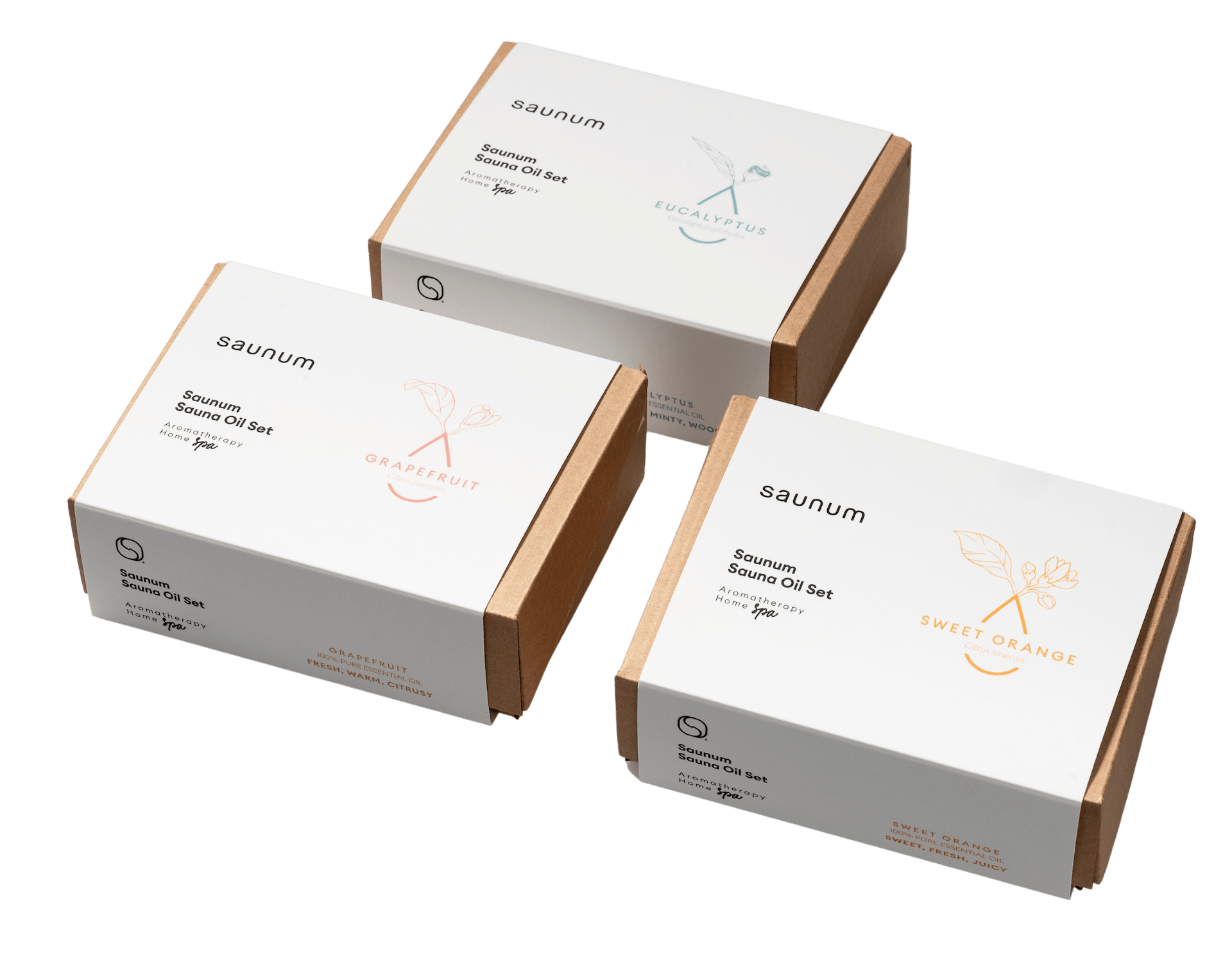
- Wellness add-ons: Features like Himalayan salt reservoirs, aromatherapy compatibility, and adjustable humidity settings expand the range of experiences a single unit can deliver.
- Build quality and safety: Opt for heaters and cabin materials that meet recognized safety standards and come with reliable warranties.
How Saunum’s electric sauna heaters support your home wellness routine
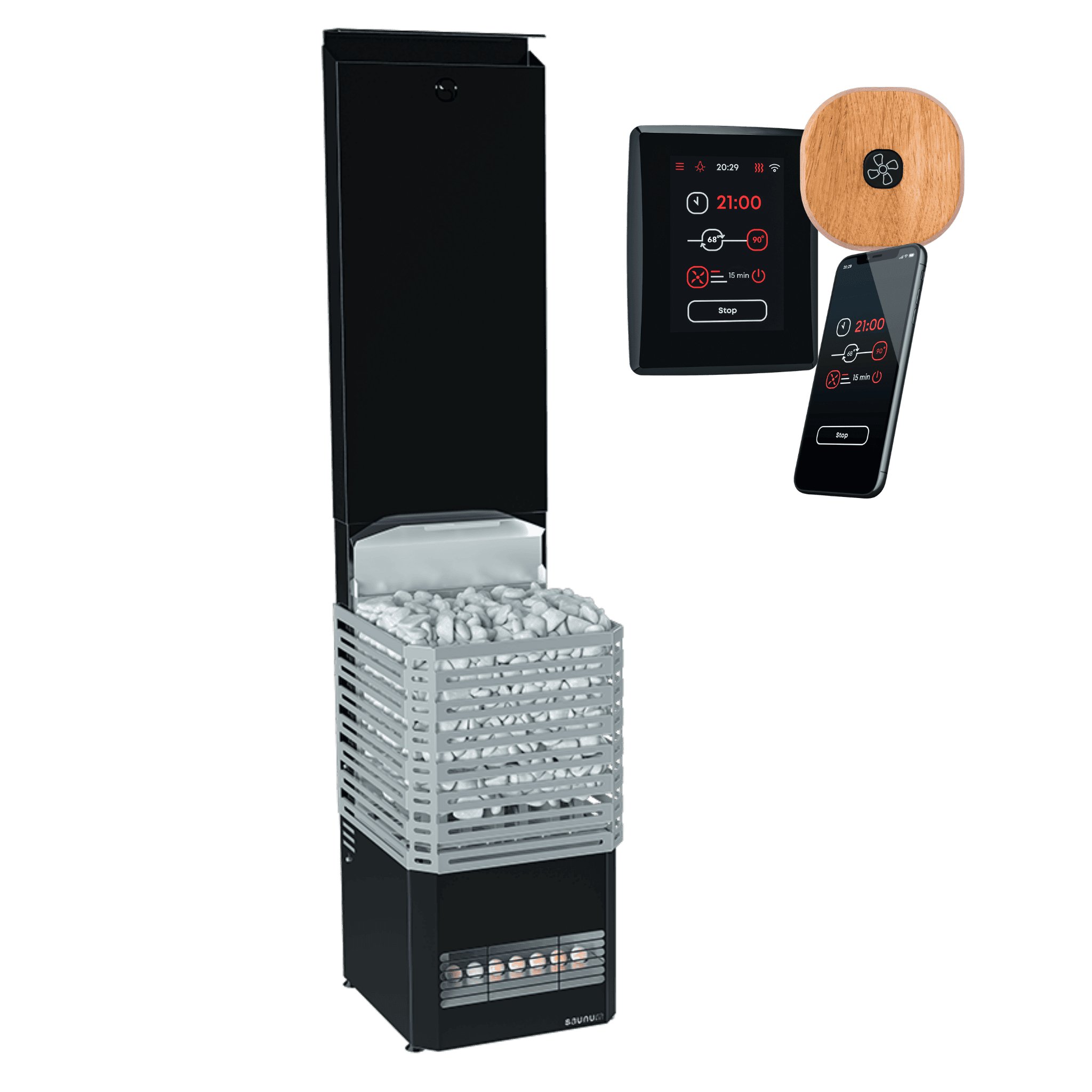
Our electric sauna heaters are built around a patented air circulation system that solves the most common frustration with home saunas: uneven, harsh heat that makes long sessions uncomfortable. Here is what sets our approach apart:
- The heater draws scorching steam from the ceiling, blends it with cooler, oxygen-rich air from the floor, and redistributes soft, even heat throughout the entire room, reducing temperature variation by up to 60 percent.
- The result is a breathable steam environment that lets you stay in longer, sweat more intensely, and breathe more easily, even when throwing water on the stones frequently.
We also offer a five-in-one wellness experience from a single unit: classic Nordic sauna, humid steam sauna, relaxation sauna, Himalayan salt ion sauna, and aromatherapy sauna. The Himalayan salt orbs sit directly in the air stream, so every breath carries the beneficial ions naturally into the room. If you are ready to bring a genuinely therapeutic sauna experience home, explore our range at Saunum’s online store and find the heater that fits your space and wellness goals.
Frequently Asked Questions
How long does it take to start noticing health benefits from regular home sauna use?
Most people begin noticing immediate short-term effects — like reduced muscle tension, improved mood, and better sleep — after just a few sessions. However, the more significant long-term benefits, such as improved cardiovascular markers and reduced resting blood pressure, typically emerge after four to eight weeks of consistent use (three to four sessions per week). Think of it like exercise: the cumulative effect of regular exposure is what drives lasting physiological change.
Is it safe to use a home sauna every day?
For most healthy adults, daily sauna use is generally considered safe and is actually common practice in countries like Finland where sauna culture is deeply ingrained. That said, it’s important to listen to your body, stay well hydrated, and keep sessions within a reasonable duration — typically 15 to 30 minutes. If you have an underlying cardiovascular condition, are pregnant, or are on certain medications, consult your doctor before establishing a daily routine.
What are the most common mistakes beginners make when starting a home sauna routine?
The most frequent mistakes are going too hot for too long too soon, not drinking enough water before and after sessions, and skipping the cool-down period afterward. Beginners often underestimate how much fluid they lose through sweating and step out feeling lightheaded as a result — always hydrate before you get in and again once you’re done. Starting with shorter sessions of 10 to 15 minutes at moderate temperatures and gradually building up is a far safer and more sustainable approach.
Can I use a home sauna if I have a heart condition or high blood pressure?
While research does suggest that regular sauna use can support cardiovascular health over time, anyone with a diagnosed heart condition, high blood pressure, or other serious medical concerns should consult their physician before using a sauna. The cardiovascular demands of heat exposure — elevated heart rate and dilated blood vessels — are generally well-tolerated by healthy individuals but may require medical guidance for those with pre-existing conditions. Your doctor can help you determine appropriate session lengths, temperatures, and frequency based on your specific health profile.
What's the best way to cool down after a home sauna session?
The most effective cool-down method is a gradual one: step out of the sauna, rest in a cooler room for a few minutes, then take a cool (not ice-cold) shower or splash cool water on your face and limbs. This contrast between heat and cool stimulates circulation further and helps the body regulate its temperature naturally. Avoid jumping straight into an ice-cold plunge if you’re new to contrast therapy — build up to it gradually to avoid putting unnecessary strain on your cardiovascular system.
How much space do I actually need to install a home sauna?
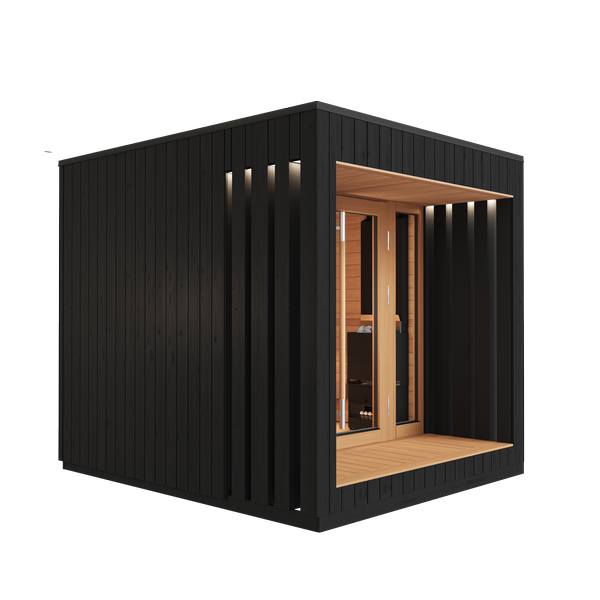
Home saunas are available in a surprisingly wide range of sizes, from compact two-person cabins that fit in a spare bathroom or corner of a basement, to larger multi-person rooms designed for dedicated wellness spaces. A basic two-person indoor sauna can fit in as little as 1.2 x 1.2 meters of floor space, making it a realistic option for most homes. The key considerations are ceiling height (typically a minimum of 2 meters for proper heat distribution), ventilation access, and proximity to an appropriate electrical outlet for the heater.
Does adding aromatherapy or Himalayan salt to a sauna session actually make a difference, or is it just a gimmick?
Both aromatherapy and Himalayan salt therapy have genuine, if modest, evidence supporting their use as wellness complements to heat therapy — they’re not purely cosmetic additions. Essential oils like eucalyptus and peppermint have well-documented effects on airway openness and relaxation when inhaled in a warm, humid environment. Himalayan salt is believed to release negative ions that may help neutralize airborne irritants, which is why salt therapy (halotherapy) is used in dedicated clinical settings for respiratory support — having the salt orbs positioned directly in the air stream, as with Saunum’s design, ensures you’re actually getting consistent exposure rather than just a decorative effect.