

Sauna heater stone capacity refers to the weight of stones a heater can hold, and it matters for steam quality because more stones store more thermal energy, which means water thrown on them vaporizes instantly into soft, even steam rather than creating a harsh, wet burst. The right stone capacity ensures your sauna produces consistent, breathable steam throughout the session. Below, we answer the most common questions about stone capacity so you can make the right choice for your setup.
How does stone capacity actually affect steam output?
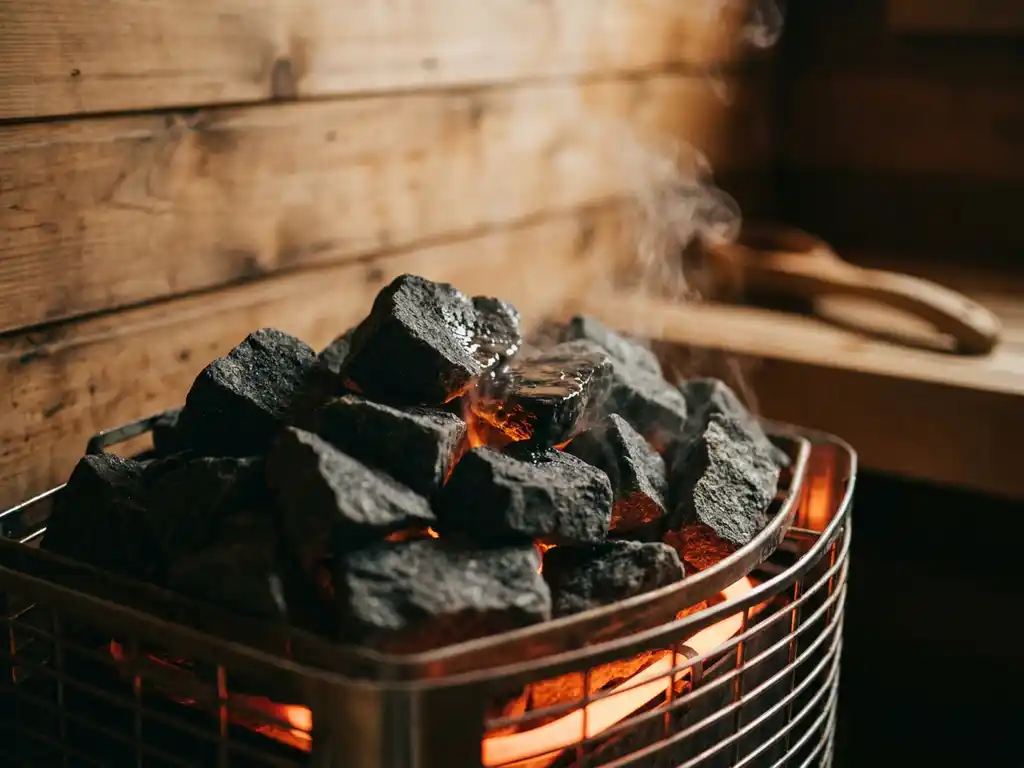
Stone capacity directly determines how much heat energy is available to convert water into steam. A heater loaded with the correct weight of stones reaches a stable, high surface temperature across all the stones, so when you pour water over them, it flash-vaporizes into fine, soft steam rather than pooling and producing a heavy, scalding burst. The more evenly distributed that thermal mass is, the more consistent and pleasant the steam output becomes.
Think of the stones as a thermal battery. A larger battery holds more charge, releases energy more steadily, and recovers faster after each ladle of water. A heater with insufficient stone capacity depletes that battery quickly, causing temperature spikes and drops that make the steam feel uneven and the air harder to breathe. For anyone building a home sauna or an indoor sauna, matching stone capacity to room size is one of the most important decisions you will make.
What happens when a sauna heater has too few stones?
When a sauna heater has too few stones, the thermal mass is too low to absorb and release heat evenly. Water poured on a small, overheated stone surface vaporizes explosively, producing a sharp, aggressive steam that feels harsh on the skin and airways. The heater also struggles to recover between rounds of steam, leading to noticeable temperature drops and an inconsistent sauna experience.
Beyond comfort, under-stoned heaters work harder to compensate, which can shorten the lifespan of the heating elements. In a sauna steam room context, where guests expect a reliably smooth experience, this is a serious problem. The practical signs of too few stones include a stinging sensation during steam, rapid cooling after each ladle, and a feeling of stuffiness as the air becomes unbalanced.
What’s the difference between stone capacity in home and commercial sauna heaters?
The key difference is scale and recovery speed. Home sauna heaters typically carry between 20 and 60 kilograms of stones, sized for smaller rooms used by one to four people with moderate frequency. Commercial sauna heaters are engineered to hold significantly more stones, sometimes well over 100 kilograms, because they need to serve larger rooms, higher occupancy, and continuous use without losing steam quality between sessions.
Commercial settings also demand faster heat recovery. When a group of guests throws water repeatedly in quick succession, the stones must absorb and re-release heat without faltering. A home-grade heater in a commercial environment will overheat its elements, underperform on steam, and wear out prematurely. Choosing the right category of heater from the start protects both the guest experience and your investment.
Which types of stones are best for sauna heaters?
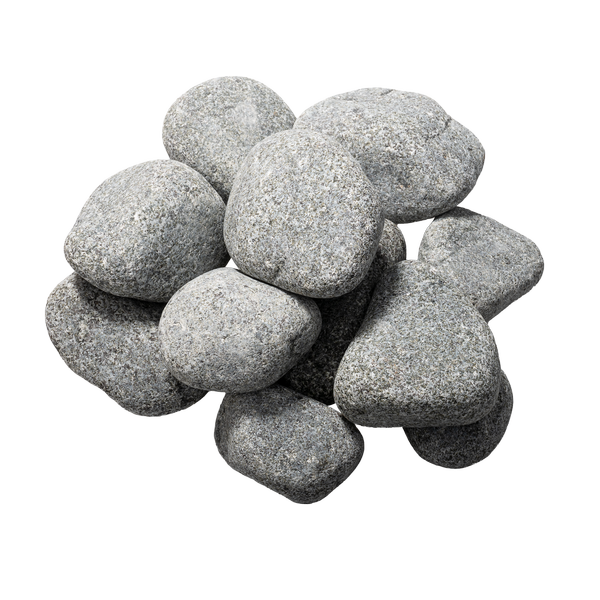
The best stones for sauna heaters are dense, non-porous volcanic rocks such as olivine diabase, peridotite, and vulcanite. These stones withstand repeated thermal shock, meaning they do not crack when cold water hits a hot surface. They also retain heat efficiently and release it gradually, which is exactly what produces smooth, long-lasting steam.
Stones to avoid include sedimentary rocks like sandstone or limestone, which absorb moisture, crack under heat stress, and can even release harmful particles when they deteriorate. Regardless of stone type, stones should be replaced every two to three years in regular use, because even the best volcanic rock eventually develops micro-fractures that reduce heat retention and steam quality.
- Olivine diabase: Dense, heat-stable, and widely regarded as the gold standard for sauna stones
- Peridotite: Excellent thermal mass and durability under repeated heating cycles
- Vulcanite: Good heat retention with a smooth surface that distributes steam evenly
- Avoid: Sedimentary rocks, river stones with visible cracks, or any stone that absorbs water
How does air circulation interact with stone capacity for steam quality?
Air circulation and stone capacity work together to determine whether steam reaches every corner of the sauna evenly. Even a heater with the perfect stone load will produce uneven steam if the air in the room is stratified, meaning hot air pools near the ceiling while cooler air stays near the floor. In that scenario, the steam rises, concentrates at the top, and never reaches the people sitting at bench level.
When the air is continuously mixed from floor to ceiling, steam distributes uniformly throughout the room, the temperature feels consistent at every height, and each ladle of water produces a noticeable, pleasant wave of steam rather than a localized burst near the heater. Good circulation also means the stones themselves stay at a more stable temperature, because the air around them does not fluctuate as dramatically between throws. Some modern electric sauna heaters, including those from Saunum, incorporate active air circulation systems specifically designed to address this challenge.
How do you calculate the right stone capacity for your sauna size?
The standard starting point is to match heater power and stone capacity to the cubic volume of your sauna room. As a general guideline, you need roughly 1 kilowatt of heater power per cubic meter of sauna space, and the stone capacity should align with the heater’s rated output. A well-insulated 8 cubic meter home sauna, for example, typically needs a heater in the 8 to 10 kilowatt range with a corresponding stone load.
Beyond raw volume, factor in these variables:
- Insulation quality: Poorly insulated rooms lose heat faster and may need a higher-capacity heater
- Ceiling height: Taller rooms require more power and stone mass to heat the full air column
- Wall material: Glass walls or large windows increase heat loss and demand more capacity
- Usage intensity: Frequent, multi-person sessions call for more thermal reserve than occasional solo use
When in doubt, size up slightly rather than down. A heater running at 80 percent of its capacity produces better steam and lasts longer than one running at its maximum limit every session.
How Saunum helps with electric sauna heaters
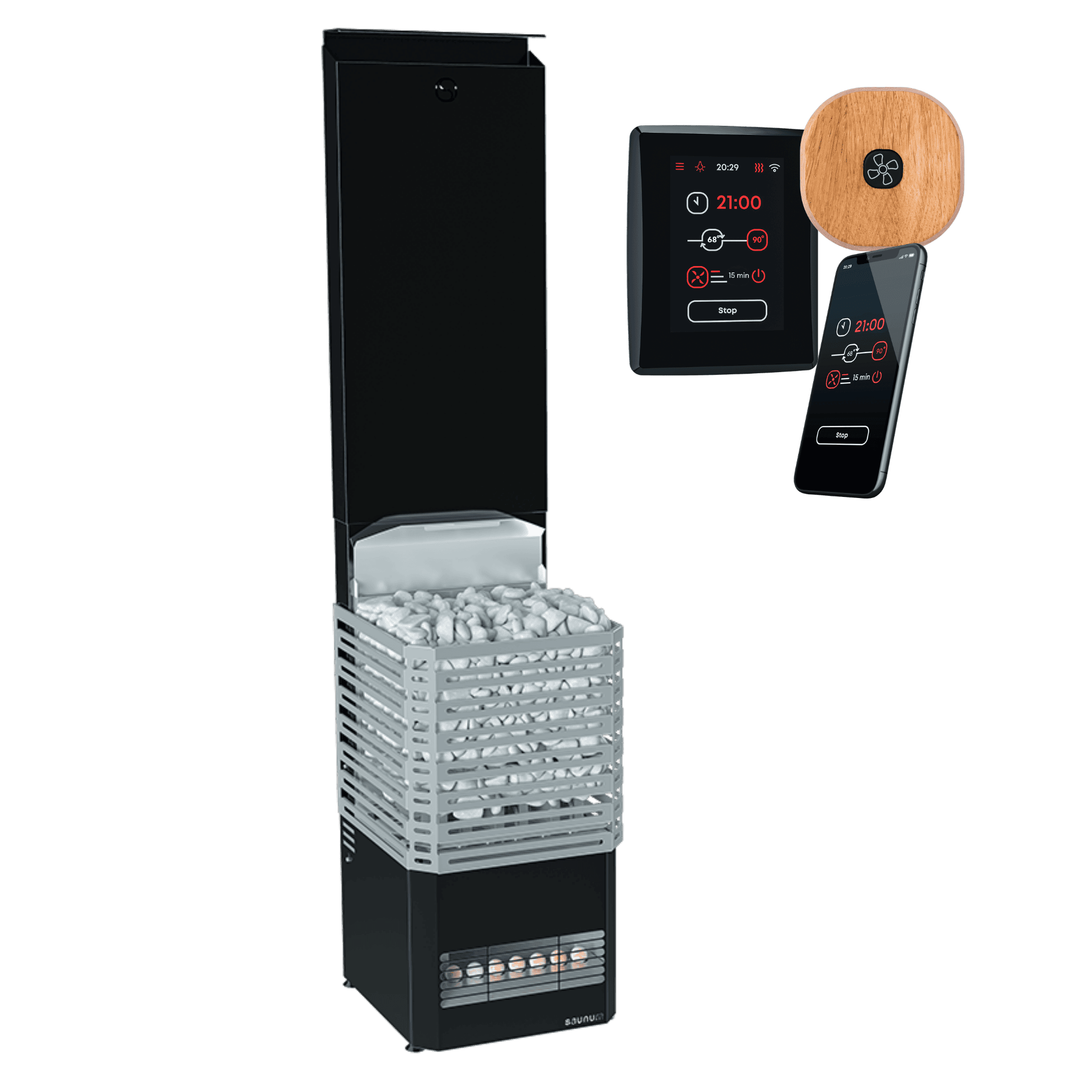
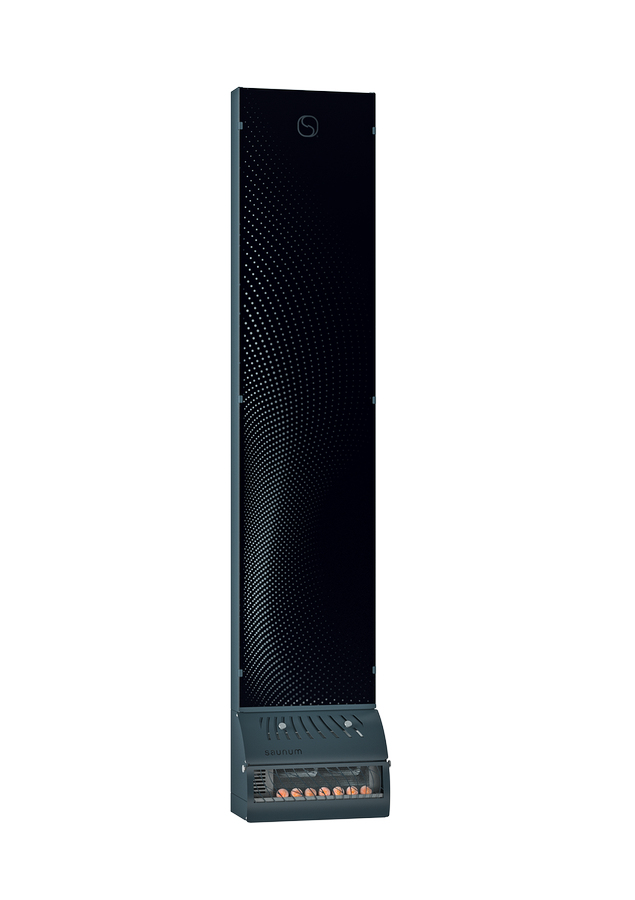
Saunum’s patented air circulation technology addresses the single biggest weakness in conventional sauna heater setups: uneven steam distribution. Their electric sauna heaters actively capture the hot air and steam that accumulates near the ceiling, mix it with cooler air from floor level, and redirect soft, even steam back throughout the entire room. The result is a sauna where stone capacity works at its full potential, because every cubic meter of air is part of the circulation loop.
Here is what that means in practice for your sauna experience:
- Consistent temperature from floor to ceiling: No more scorching air at the top and cold feet at bench level
- Softer, more breathable steam: Mixed air prevents the suffocating feeling common in high-heat saunas
- More frequent steam throws: Stable thermal conditions mean the stones recover faster between ladles
- Five sauna styles in one heater: Switch between Finnish sauna, salt sauna, aroma sauna, and more without changing equipment
Whether you are outfitting a personal home sauna or a commercial wellness facility, Saunum offers heaters sized and engineered for your specific needs. Ready to find the right fit? Contact Saunum and we will help you match the right heater and stone capacity to your space.