

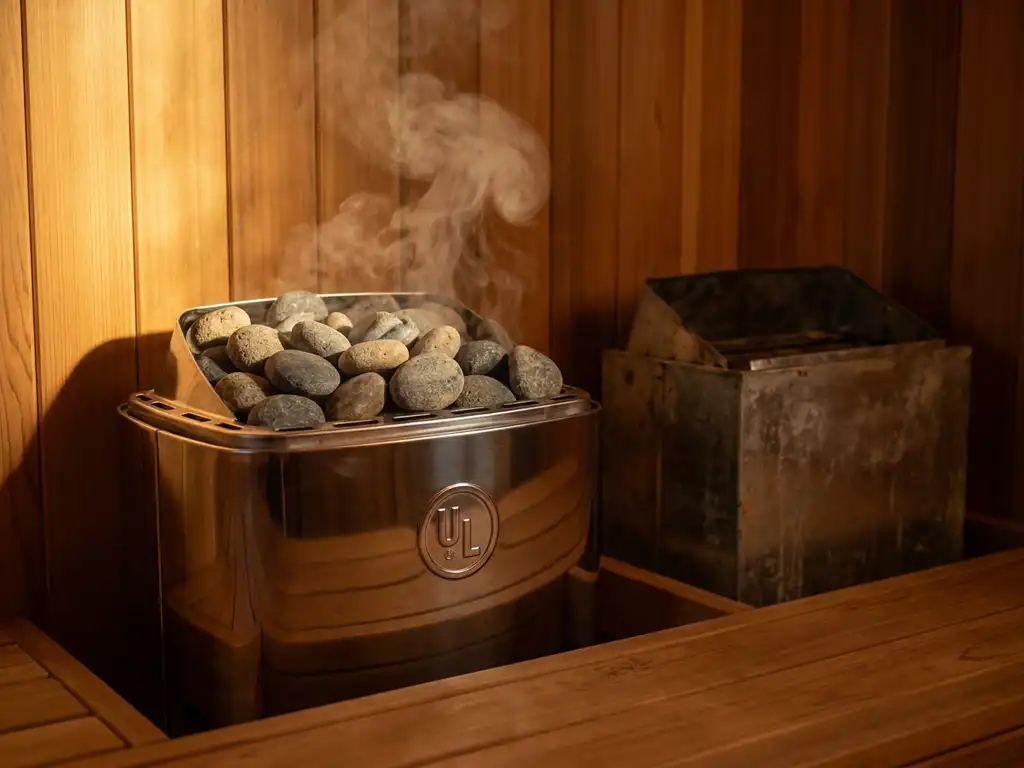
UL-listed electric sauna heaters differ from non-certified models in one fundamental way: they have been independently tested and verified to meet established safety standards for electrical construction, heat resistance, and fire protection. Non-certified heaters carry no such guarantee. For home sauna and indoor sauna installations, this distinction matters enormously, both for personal safety and for meeting local building codes. Below, we unpack the key questions buyers ask when comparing certified and non-certified sauna heaters.
What does UL listing actually certify in a sauna heater?
A UL listing certifies that an electric sauna heater has been independently evaluated by Underwriters Laboratories and found to meet specific safety requirements for electrical construction, thermal performance, and fire risk. The certification covers the heater’s wiring, insulation materials, temperature controls, and protective enclosures under real sauna conditions.
UL testing for sauna heaters typically examines how the unit behaves under sustained high heat, whether its components resist ignition, how it responds to overloading, and whether its controls reliably shut the heater down when temperatures exceed safe thresholds. The heater must pass these evaluations consistently, not just once. Manufacturers must also allow ongoing factory inspections to maintain the listing.
For buyers shopping for a home sauna or indoor sauna heater, the UL mark is a shorthand signal that an independent third party, rather than the manufacturer alone, has verified the product’s safety claims. It does not certify performance quality or energy efficiency, but it does confirm that the heater will not pose an unreasonable electrical or fire hazard when installed correctly.
What safety risks come with non-certified electric sauna heaters?
Non-certified electric sauna heaters carry real risks because no independent body has verified their construction, materials, or safety controls. The most serious concerns include electrical faults, overheating, and fire, all of which are amplified in the high-temperature, high-humidity environment of a sauna steam room.
Without certification testing, there is no way to confirm that a heater’s wiring insulation can withstand prolonged exposure to extreme heat, that its thermal cutoff will activate before a dangerous temperature is reached, or that its housing materials will not ignite. These are not theoretical risks. Sauna heaters operate at temperatures that would destroy standard electrical components, which is precisely why purpose-built, tested equipment matters.
Beyond physical danger, non-certified heaters create liability exposure. If a fire or injury occurs and the heater lacks recognized certification, insurance claims can be denied, and homeowners may face legal consequences. For commercial spa and hospitality operators, the stakes are even higher, as regulatory inspections can shut down a facility using uncertified equipment.
How does UL certification affect sauna heater installation requirements?
UL certification directly shapes installation requirements because most local electrical codes and building authorities in North America require or strongly prefer UL-listed equipment for permanent electrical installations. An inspector reviewing a home sauna or indoor sauna installation will typically look for a recognized certification mark before approving the work.
In practical terms, this means that choosing a non-certified heater can prevent you from obtaining the necessary permits, cause a failed inspection, or require costly rework. Electricians working under the National Electrical Code (NEC) are generally required to install listed equipment in locations covered by that code, and sauna heaters connected to dedicated circuits fall squarely within that scope.
UL listing also comes with installation instructions that have been reviewed as part of the certification process. These instructions specify minimum clearances, required circuit ratings, and acceptable wiring methods. Following them is not optional if you want the listing to remain valid. Deviating from the manufacturer’s certified installation instructions can void the listing and, with it, any safety assurance it provides.
Do UL-listed sauna heaters perform differently than non-certified ones?
UL listing does not directly certify performance, so a listed heater is not automatically a better-performing heater than a non-certified one. However, the engineering discipline required to pass UL testing tends to produce heaters with more robust construction, more reliable controls, and more consistent thermal output over time.
Performance in a sauna context comes down to how evenly the heater distributes heat, how well it maintains temperature during steam generation, and how comfortable the resulting air feels to breathe. These qualities depend on design choices that go beyond certification. Some manufacturers, for example, have developed air circulation systems that address the uneven temperature layering common in many saunas, where air near the ceiling is scorching while the floor stays cool — a comfort problem that certification standards do not specifically target.
In short, UL listing sets a safety floor, not a performance ceiling. Buyers who want both safety and a superior sauna experience should look for heaters that combine recognized certification with thoughtful engineering.
Which electric sauna heaters are UL listed for home and commercial use?
Several established sauna heater manufacturers offer UL-listed models for both residential and commercial applications. The key distinction between home and commercial listings is the duty cycle and wattage range the heater is certified to handle. Commercial-grade heaters are tested for more intensive, continuous use than residential models.
When evaluating options, look for the UL mark on the product itself and verify the listing in UL’s public certification database rather than relying solely on marketing claims. Key factors to compare include:
- Wattage range and the room size it is rated for
- Whether the listing covers the voltage configuration available in your installation
- Compatibility with smart controls or automation systems
- Whether the heater is rated for wet sauna, dry sauna, or both
For buyers considering a sauna steam room with salt ionization, aroma, or humidity control features, it is worth confirming that any add-on components are also certified or covered under the heater’s listing. Mixing certified heaters with uncertified accessories can introduce the same risks you were trying to avoid.
Should you choose a UL-listed heater for an outdoor or barrel sauna?
Yes, a UL-listed heater is the right choice for an outdoor or barrel sauna. Outdoor installations face additional environmental stressors, including moisture ingress, temperature cycling, and exposure to the elements, all of which increase the risk of electrical failure. A certified heater provides a verified baseline of protection against these hazards.
Outdoor sauna heaters may need to meet additional requirements beyond standard UL listing, such as ratings for damp or wet locations depending on how the sauna is constructed and ventilated. A barrel sauna with gaps in the wood, for instance, may expose the heater to more ambient moisture than a fully enclosed indoor sauna. Always check that the specific listing covers the installation environment you are planning.
Local permit requirements apply to outdoor sauna installations just as they do to indoor ones. In many jurisdictions, a dedicated electrical circuit run to an outdoor structure requires inspection, and inspectors will check for listed equipment. Choosing a certified heater from the start avoids complications at that stage.
How Saunum helps with electric sauna heaters
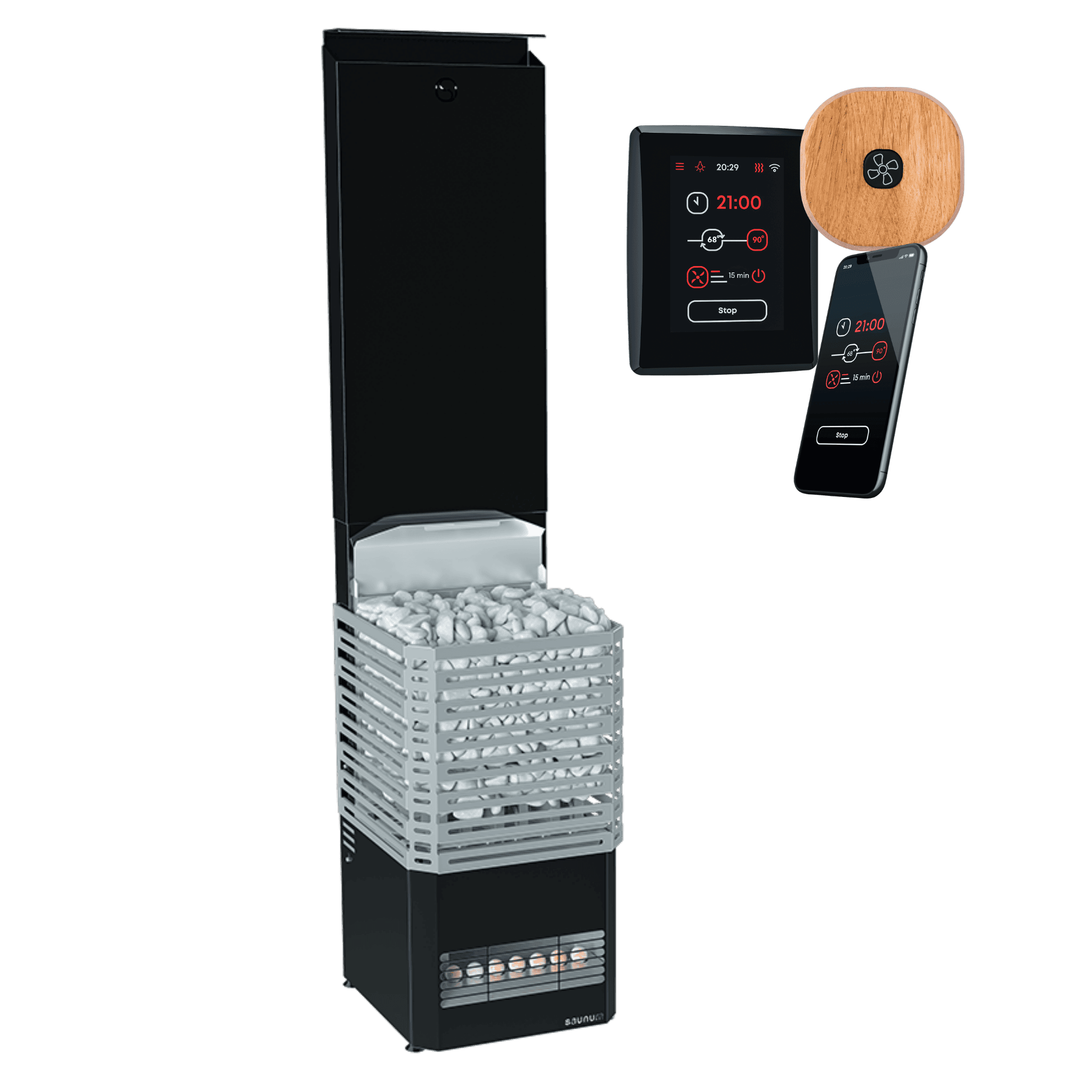
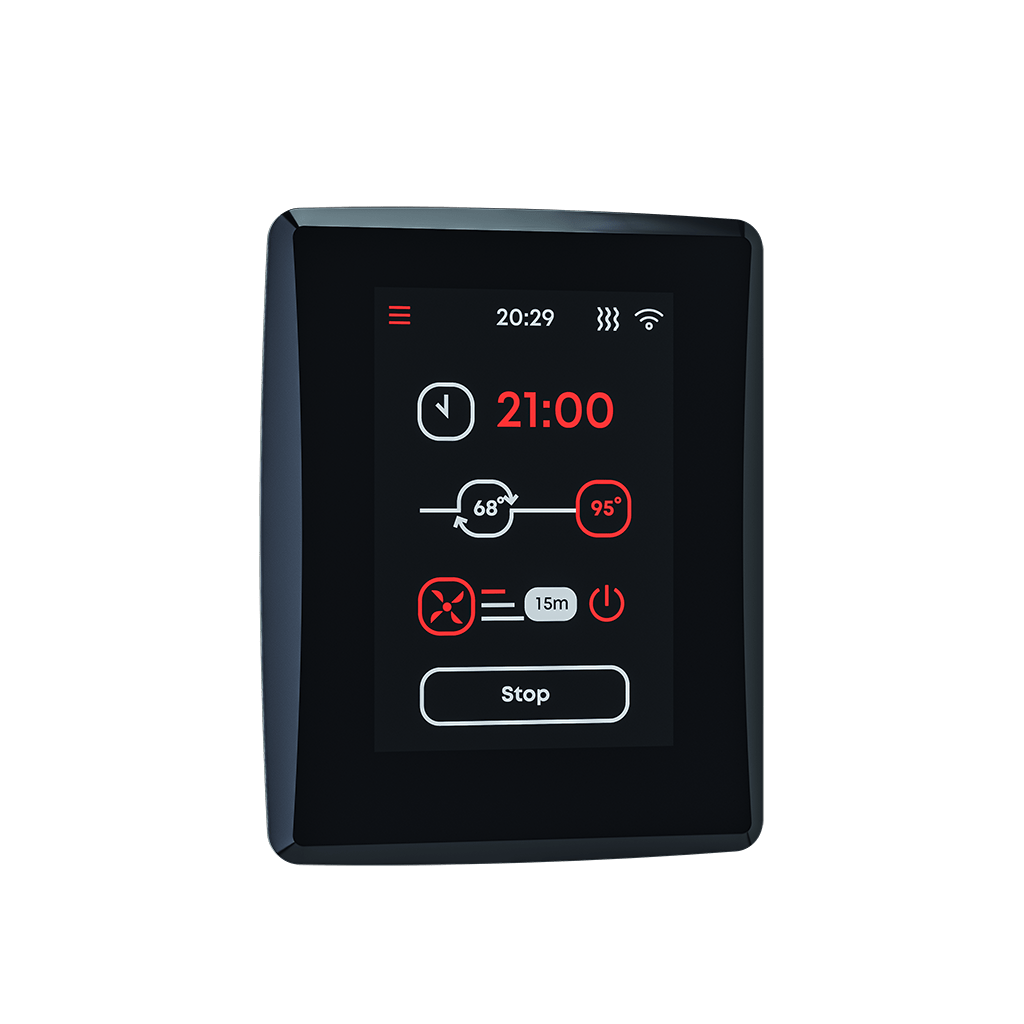
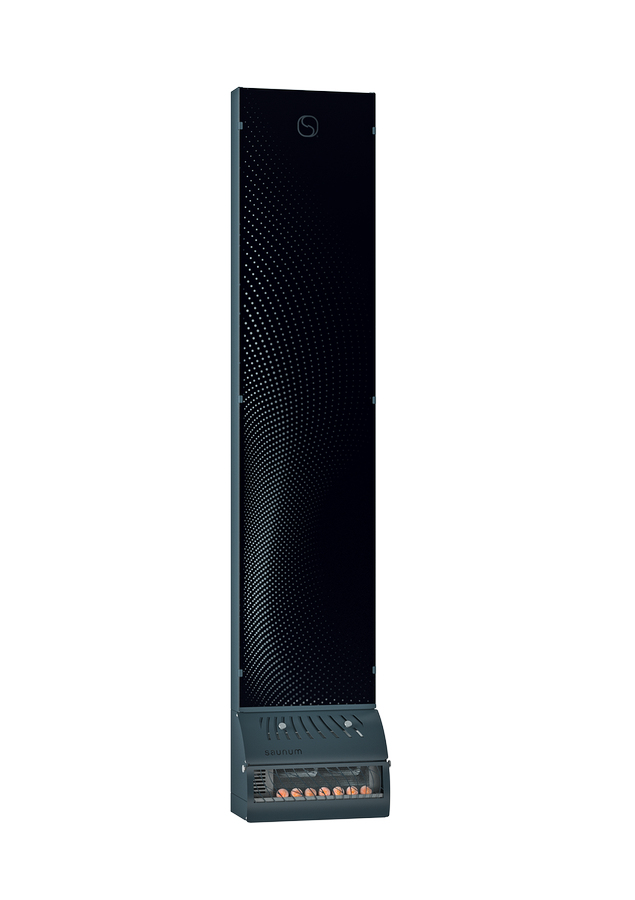
Saunum designs and manufactures electric sauna heaters built around a patented air circulation system that solves the temperature layering problem found in conventional saunas, creating consistent warmth from floor to ceiling and steam that is softer and easier to breathe. Their heaters offer five-in-one functionality covering Finnish sauna, steam sauna, relaxation sauna, salt sauna, and aroma sauna in a single unit, along with smart control via the Saunum app for remote pre-heating, fan speed adjustment, and salt ionization toggling from iOS or Android. Whether you are building a new indoor sauna, upgrading an existing setup, or outfitting a commercial spa, Saunum offers a solution engineered for performance, comfort, and durability. Contact Saunum to find the right heater for your space, or browse their full range to explore available models.