



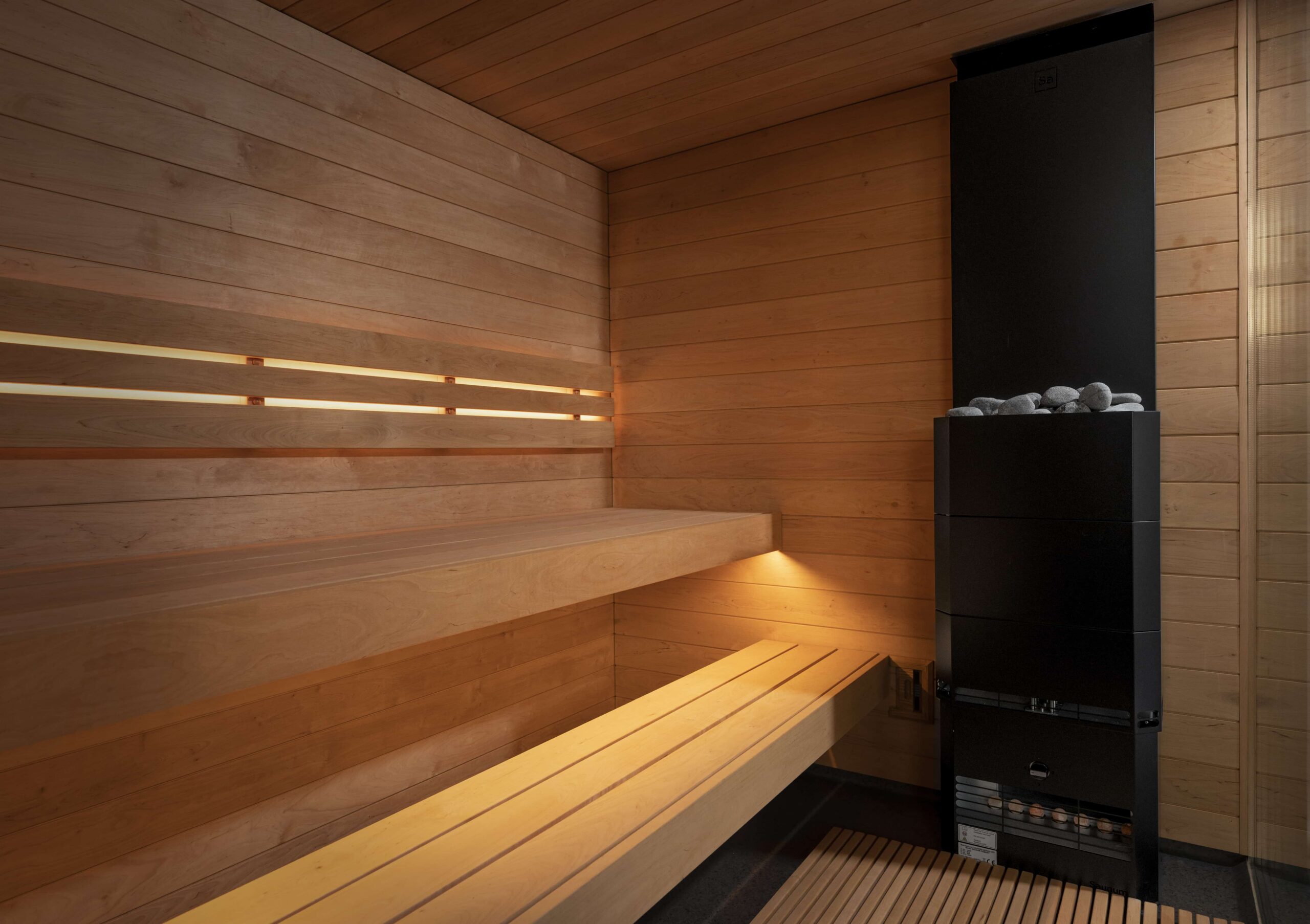
After 20 minutes in a sauna, your body has gone through a significant physiological shift. Your core temperature rises, your heart rate increases to levels comparable to moderate exercise, you lose a meaningful amount of fluid through sweat, and your muscles begin to relax as blood flow increases throughout your body. These effects combine to deliver real, measurable health benefits that go well beyond simple relaxation. Below, we break down exactly what is happening inside your body during a 20-minute sauna session, question by question.
How does your body respond to sauna heat in the first few minutes?
In the first few minutes of a sauna session, your body activates its primary cooling mechanism: sweating. Your skin temperature rises rapidly, triggering your hypothalamus to signal sweat glands across your body. At the same time, blood vessels near the skin surface dilate to help release heat, and your heart rate begins to climb. Most people notice a noticeable warmth spreading through their muscles within two to three minutes.
By around the five-minute mark, your body is in full heat-response mode. Blood is being redirected from your core organs toward your skin to aid cooling, your breathing may deepen slightly, and your muscles start to loosen as circulation increases. This early phase is also when the quality of the sauna environment matters most. Harsh, dry heat concentrated near the ceiling can make breathing feel uncomfortable, while more evenly distributed, softer steam allows your body to settle into the heat rather than fight it.
How much do you sweat in a 20-minute sauna session?
During a 20-minute sauna session, the average person loses between 0.5 and 1 litre of fluid through sweat, though this varies depending on the sauna temperature, humidity, and individual physiology. This is a substantial fluid loss in a short period, which is why staying hydrated before and after your session is essential for both comfort and safety.
Sweating at this intensity serves a genuine purpose. It helps regulate your body temperature, supports your skin’s natural cleansing process, and encourages your body to work harder to maintain internal balance. The more breathable and evenly heated the sauna environment, the more comfortably you can sustain that sweat response for the full session. When the air is harsh or uneven, many people cut their session short before the full benefits kick in.
What happens to your cardiovascular system during a sauna session?
During a sauna session, your cardiovascular system responds much like it does during light to moderate physical exercise. Your heart rate can rise to between 100 and 150 beats per minute, your blood vessels dilate, and cardiac output increases to push more blood toward the skin for cooling. This cardiovascular workout effect is one of the most well-documented sauna health benefits in wellness research.
Regular sauna use has been associated with improved circulation, lower resting blood pressure over time, and better vascular flexibility. The heat essentially trains your blood vessels to respond more efficiently. For people who find vigorous exercise difficult due to joint pain or other conditions, a sauna session offers a way to stimulate cardiovascular activity in a low-impact environment. The key is consistency: occasional sessions provide temporary relief, but regular use builds cumulative cardiovascular benefit.
Does sauna steam actually help your lungs and breathing?
Yes, sauna steam can genuinely support respiratory health, particularly when the steam is soft, moist, and evenly distributed rather than harsh and concentrated. Warm, humid air helps open airways, loosen mucus, and reduce irritation in the nasal passages and throat. People with mild respiratory discomfort often report easier breathing after a sauna session, and this is a key reason respiratory health sauna use has grown in popularity among wellness-focused individuals.
The quality of the steam matters significantly here. Dry, superheated air near the ceiling of a traditional sauna can actually feel difficult to breathe, especially for those with sensitive airways. A sauna environment where steam is blended with cooler, oxygen-rich air and distributed evenly throughout the room creates a far more breathable experience. This is the principle behind air circulation technology that draws hot steam down from the ceiling and mixes it with fresher air before returning it to the room, making each breath feel noticeably lighter and more comfortable.
For those interested in taking respiratory support further, salt therapy sauna sessions add another dimension. When Himalayan salt is placed within the airstream of a sauna heater, microscopic salt ions are carried into the air with the steam, potentially supporting airway health in a way that complements the heat itself.
What are the detox effects of a 20-minute sauna session?
A 20-minute sauna session supports your body’s natural detoxification processes primarily through sweating. While your liver and kidneys do the heavy lifting of filtering waste from your blood, sweat provides an additional route for your body to excrete certain compounds, including some heavy metals and environmental pollutants, through the skin. This is what people mean when they talk about sauna detox effects.
It is worth being clear about what detoxification in a sauna actually means. It is not a dramatic purge of toxins, but rather a meaningful contribution to the body’s ongoing elimination processes. The benefits include:
- Increased sweat production that helps clear pores and support skin health
- Elevated circulation that delivers more oxygen and nutrients to tissues while removing metabolic waste
- A temporary rise in core temperature that may help your immune system function more actively
- Deep muscle relaxation that reduces tension-related physical stress
These effects are real and cumulative. A single session provides a noticeable reset, while regular sessions build a more sustained contribution to overall wellness.
How long should you stay in a sauna to get the most benefit?
For most healthy adults, 15 to 20 minutes per session is the sweet spot for maximising sauna session benefits without overexerting the body. This duration is long enough to raise your core temperature meaningfully, produce significant sweating, and stimulate cardiovascular and respiratory responses, while remaining safe and comfortable for regular use. Beginners should start with 10 to 12 minutes and build up gradually.
What matters as much as duration is the quality of the environment during those 20 minutes. A session in a well-balanced sauna, where temperature is consistent from floor to ceiling and steam is soft and breathable, will deliver more benefit than a longer session in a harsh, uneven environment. Many people find they can stay comfortably longer and sweat more intensely when the air feels gentle rather than punishing. After your session, rest for at least 10 to 15 minutes, rehydrate well, and allow your body to return to its normal temperature gradually.
How Saunum’s electric sauna heaters enhance every session
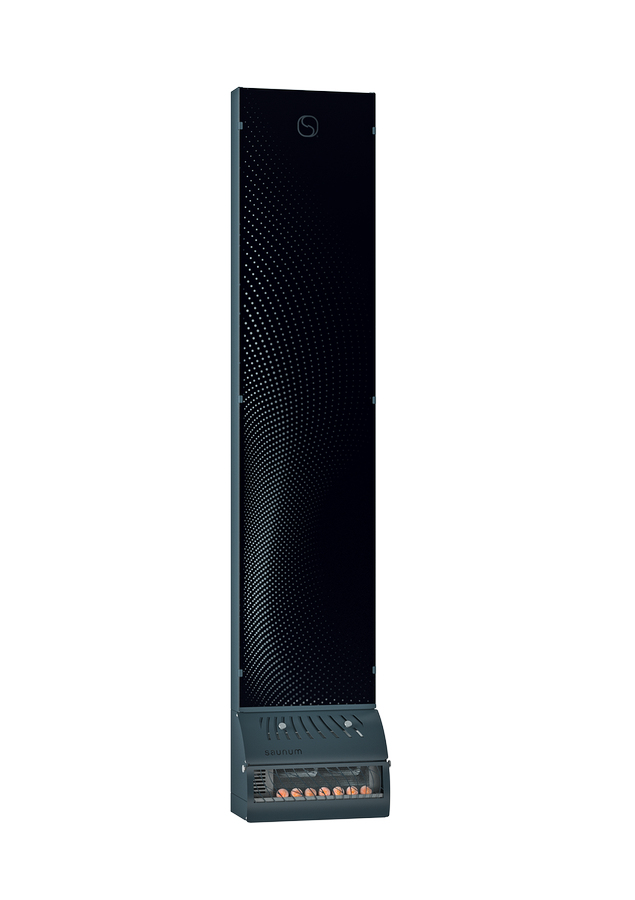
Everything described in this article, from deeper sweating to easier breathing to more effective cardiovascular stimulation, depends heavily on the quality of your sauna environment. This is where our electric sauna heaters make a genuine difference. Our patented air circulation system addresses the core problem with traditional saunas: the uneven distribution of heat and steam that makes sessions uncomfortable and cuts them short.
- Hot steam trapped near the ceiling is drawn down and blended with cooler, oxygen-rich air from floor level
- Soft, evenly distributed steam is returned throughout the room, equalising temperature by up to 60%
The result is a sauna environment where you can breathe more easily, stay in longer, sweat more intensely, and get more from every session. Our heaters also support optional Himalayan salt therapy, placing salt orbs directly within the airstream so that beneficial salt ions are carried into the room with each wave of steam. If you want to experience what a genuinely well-engineered sauna session feels like, explore Saunum’s range and find the heater that fits your space and wellness goals.
Frequently Asked Questions
How often should I use a sauna to see cumulative health benefits?
Research suggests that using a sauna 3 to 4 times per week is the threshold at which cumulative cardiovascular, circulatory, and relaxation benefits become most pronounced. Studies from Finland, where sauna culture is deeply embedded, have found that people who sauna 4 or more times per week show the strongest long-term associations with improved heart health and reduced stress markers. Starting with 2 sessions per week and building up gradually is a sensible approach for beginners.
What should I eat and drink before and after a sauna session?
Avoid heavy meals for at least an hour before entering a sauna, as your body diverts blood flow toward the skin during a session, which can make digestion uncomfortable. Drink 1 to 2 glasses of water before your session to pre-hydrate, and rehydrate with at least 500ml to 1 litre of water or an electrolyte drink afterward to replace the fluid lost through sweat. Light, mineral-rich snacks like a banana or a small handful of nuts after your session can help restore electrolytes and support recovery.
Is it safe to use a sauna every day?
For most healthy adults, daily sauna use is considered safe, provided sessions are kept to a sensible duration of 15 to 20 minutes and you rehydrate properly each time. However, people with cardiovascular conditions, low blood pressure, or those who are pregnant should consult a doctor before making sauna use a daily habit. Listening to your body is key: if you feel dizzy, nauseous, or unusually fatigued during or after a session, exit immediately, cool down, and reduce the frequency or duration of future sessions.
What is the ideal sauna temperature for a 20-minute session?
Most traditional saunas operate between 70°C and 100°C (158°F to 212°F), but the ideal temperature for a comfortable and effective 20-minute session for most people falls in the 80°C to 90°C range. However, temperature alone is not the full picture — humidity and air distribution play an equally important role in how the heat actually feels. A well-circulated sauna at 85°C with evenly distributed, soft steam will feel far more manageable and beneficial than a poorly ventilated sauna at the same temperature with harsh, concentrated heat near the ceiling.
Can I use a sauna if I have sensitive skin or a skin condition?
Many people with sensitive skin tolerate sauna sessions well and even find that regular sweating helps keep pores clear and skin texture smoother over time. However, those with active eczema flare-ups, rosacea, or open skin irritations should approach sauna use cautiously, as intense heat can temporarily worsen redness or inflammation. If you have a diagnosed skin condition, it is worth consulting a dermatologist before starting regular sauna use, and always shower gently with lukewarm water after your session rather than cold water, which can shock already-sensitive skin.
Should I shower before or after a sauna session, or both?
A quick warm shower before entering the sauna is recommended to cleanse the skin and open pores, which helps your body sweat more efficiently from the start of the session. After your session, wait 10 to 15 minutes to allow your body to cool down naturally before showering, as jumping straight into a cold shower can cause a sudden cardiovascular shock. A lukewarm-to-cool shower after cooling down helps rinse away sweat and metabolic waste from the skin’s surface, leaving you feeling refreshed and supporting the skin-cleansing benefits of the session.
What is the difference between a traditional Finnish sauna and an infrared sauna in terms of body response?
Traditional Finnish saunas heat the air around you to high temperatures, triggering your body’s full heat-response cascade — sweating, cardiovascular stimulation, and airway opening — relatively quickly and intensely. Infrared saunas operate at lower ambient temperatures (typically 45°C to 60°C) and use infrared light to heat your body directly from within, which some people find more tolerable but which produces a less intense cardiovascular and respiratory response. For the physiological effects described in this post — meaningful sweat output, heart rate elevation, and respiratory benefits — a traditional steam-based sauna generally delivers a more robust and well-researched response within a 20-minute session.