



Yes, using a sauna can genuinely improve your mood. Research consistently points to sauna sessions triggering the release of feel-good brain chemicals, reducing stress hormones, and promoting a deep sense of relaxation that lingers well after you step out. These effects are not just anecdotal – there are clear physiological reasons why so many people leave a sauna feeling lighter, calmer, and more positive. Below, we unpack the key questions around sauna mood benefits so you know exactly what to expect.
How does sauna use affect your brain chemistry?
Sauna use triggers measurable changes in brain chemistry by stimulating the release of endorphins, serotonin, and dopamine – the neurotransmitters most closely linked to mood, pleasure, and emotional balance. The heat stress your body experiences in a sauna activates the same neurochemical pathways as moderate exercise, producing a natural, drug-free mood lift that many users describe as euphoric calm.
When your core body temperature rises in a sauna, your brain responds by releasing beta-endorphins, which are the same compounds responsible for the well-known “runner’s high.” At the same time, the relaxation that follows a session encourages serotonin production, which plays a central role in regulating mood, sleep, and appetite. The combination of these two effects – stimulation followed by deep relaxation – is part of why sauna and serotonin are so closely linked in wellness conversations. Regular sessions can help keep these neurochemical systems more active over time, contributing to a more stable emotional baseline.
Can regular sauna sessions reduce stress and anxiety?
Yes, regular sauna sessions can meaningfully reduce stress and anxiety. Heat exposure lowers cortisol levels – the body’s primary stress hormone – while simultaneously activating the parasympathetic nervous system, which is responsible for the “rest and digest” state. This physiological shift creates a powerful counterbalance to the chronic tension that drives everyday anxiety.
Sauna stress relief works on both a physical and psychological level. Physically, the heat relaxes muscle tension, slows the heart rate after the initial warm-up phase, and encourages deeper breathing. Psychologically, the ritual of stepping away from screens, noise, and obligations creates a mental reset that is difficult to replicate elsewhere. Over time, people who sauna regularly often report feeling more resilient to daily stressors – not just calmer in the moment, but less reactive overall. For anyone managing low-level anxiety, building a consistent sauna habit can be one of the most accessible and enjoyable tools available.
Does sauna help with depression symptoms?
Sauna use may help ease mild to moderate depression symptoms by activating the brain’s reward and mood-regulation systems. The release of endorphins and serotonin during heat exposure, combined with improved sleep quality and reduced inflammation – all associated with regular sauna use – addresses several of the biological factors that contribute to depressive states.
It is important to be clear: sauna is not a replacement for professional mental health treatment. However, as a complementary wellness practice, it offers genuine support. The warmth itself has a comforting, almost primal quality that many people find soothing during low periods. The post-session relaxation can also improve sleep, and better sleep is one of the most reliable ways to stabilize mood. For people managing sauna depression and anxiety concerns alongside other strategies, consistent sessions can be a meaningful addition to a broader self-care routine.
What role does breathing play in the sauna mood experience?
Breathing quality has a direct impact on the mood benefits you get from a sauna session. When the air in a sauna is too hot, dry, or harsh, shallow breathing kicks in as a protective reflex – and shallow breathing is closely linked to heightened anxiety and reduced relaxation. Softer, more breathable steam allows for deeper, slower breaths, which activate the parasympathetic nervous system and amplify the calming effect.
This is why the quality of steam matters so much. Dense, scalding steam near the ceiling of a traditional sauna can make it hard to breathe comfortably, cutting sessions short and limiting the mood-boosting benefits. When steam is evenly distributed and mixed with oxygenated air, the entire experience becomes more comfortable and immersive. Deeper breathing in a well-balanced sauna environment also supports better oxygen delivery to the brain, which directly supports clearer thinking and a more positive emotional state.
How often should you use a sauna to notice mood improvements?
Most people begin noticing sauna mood benefits after two to three sessions per week, sustained over several weeks. A single session can produce an immediate sense of calm and well-being, but the more lasting effects on stress resilience, sleep quality, and emotional stability tend to build with consistent, repeated use over time.
There is no single universal prescription, but general wellness guidance suggests sessions of 15 to 20 minutes at a comfortable temperature, two to four times per week, as a solid starting point. The key factors are:
- Consistency over intensity – regular shorter sessions tend to outperform occasional long ones
- Listening to your body – comfort and sustainability matter more than pushing limits
- Pairing sauna use with good hydration and rest to support recovery
As your body adapts to heat exposure, you may find you can extend sessions gradually, deepening the neurochemical response and the associated sauna wellness benefits.
Can salt therapy in a sauna enhance the mood-boosting effect?
Salt therapy in a sauna can enhance the mood-boosting effect by improving respiratory comfort, which allows for deeper, more relaxed breathing throughout the session. When Himalayan salt ions are introduced into the sauna air, they may help support clearer airways, making it easier to breathe deeply, stay in the sauna longer, and fully absorb the mental health benefits that come with extended heat exposure.
The connection between salt therapy and mood is largely indirect but meaningful. Easier breathing reduces the physical discomfort that can cut a session short, which means more time for endorphin release and deeper relaxation. People who struggle with respiratory sensitivity often find that salt-enriched sauna air makes the experience far more accessible and enjoyable. A more enjoyable session is simply one you will repeat – and repetition is what drives lasting sauna mental health improvements. Salt therapy mood benefits are therefore best understood as an amplifier of the overall sauna experience rather than a standalone effect.
How Saunum’s electric sauna heaters support a better mood experience
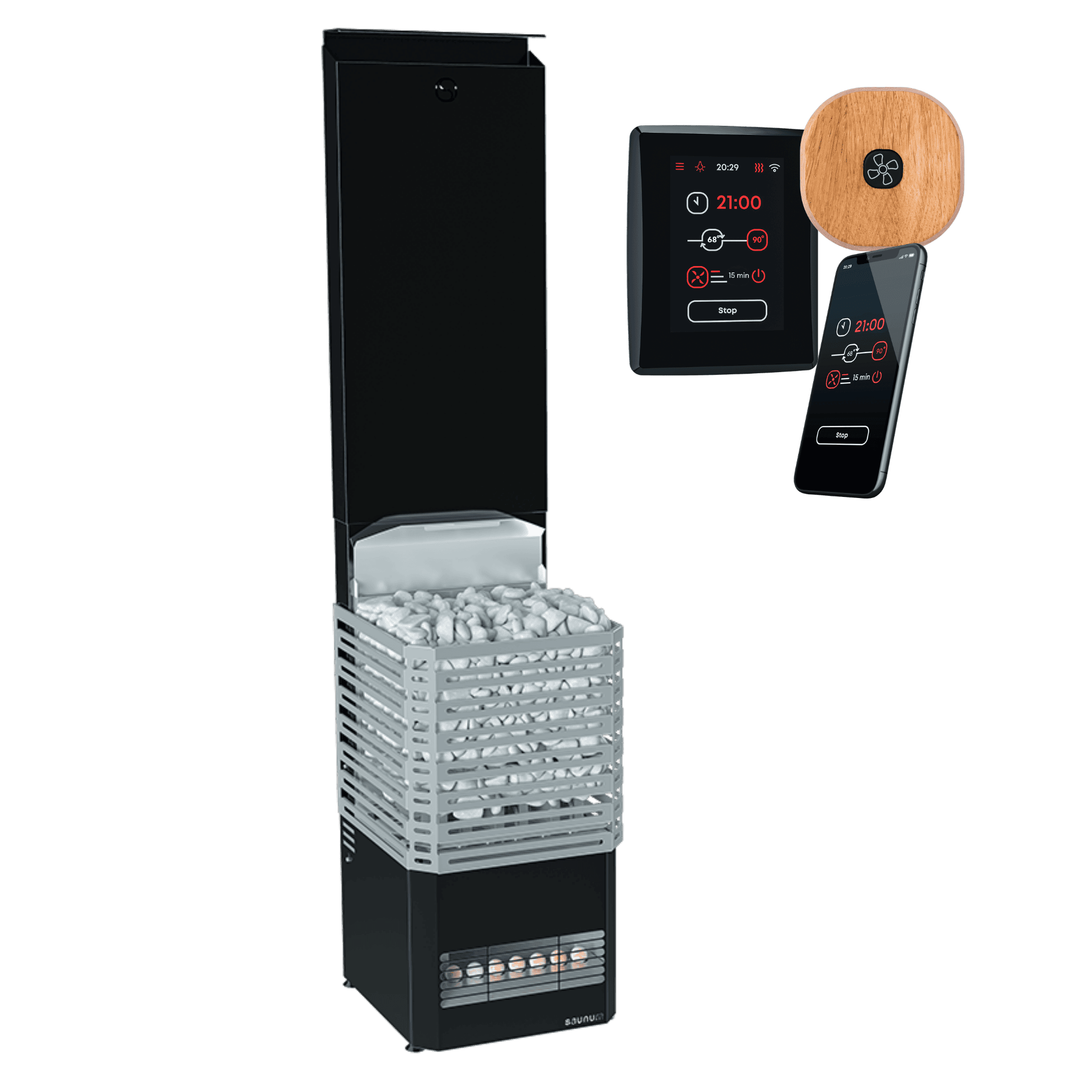
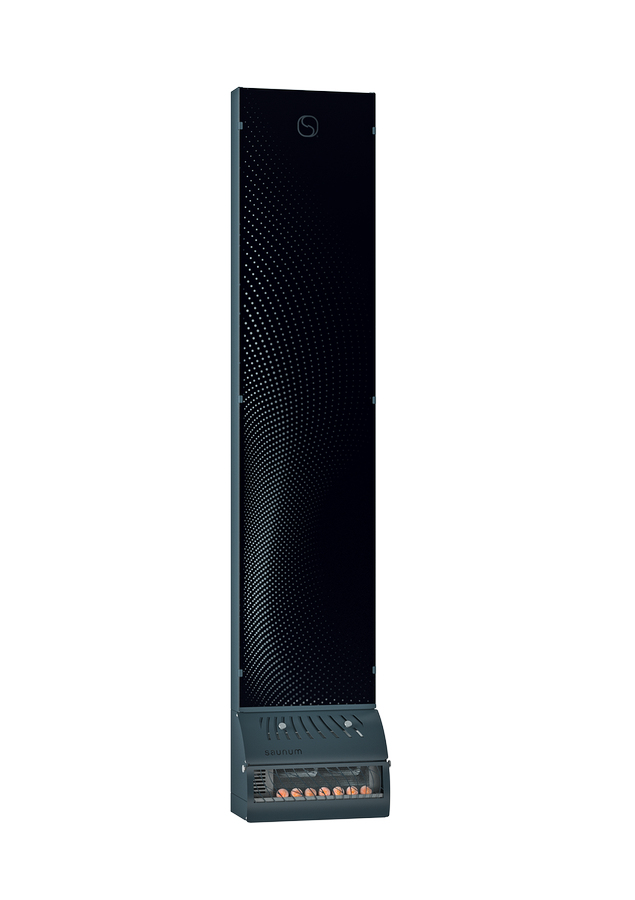
The quality of your sauna environment directly shapes the mood benefits you receive, and that is exactly where we come in. Our electric sauna heaters are built around a patented air circulation system that addresses the two biggest barriers to a genuinely mood-enhancing session: uneven temperature and harsh, unbreathable steam. Here is what that means in practice:
- Hot steam trapped near the ceiling is drawn down and blended with cooler, oxygenated air from the floor, equalizing room temperature by up to 60%
- The result is softer, more breathable steam that encourages deeper breathing and longer, more comfortable sessions
- Our five-in-one system includes a Himalayan salt reservoir positioned directly within the airstream, infusing each session with beneficial salt ions for added respiratory comfort
- A more comfortable, balanced environment means you stay longer, breathe better, and get more from every session
If you are serious about using sauna as a genuine mood and wellness tool, the environment you sauna in matters as much as how often you go. Explore Saunum’s range of electric sauna heaters and find the right fit for your space and your wellness goals.
Frequently Asked Questions
How quickly will I feel a mood boost after my first sauna session?
Most people notice an immediate sense of calm and well-being within minutes of finishing their first session, largely due to the rapid release of endorphins and the activation of the parasympathetic nervous system. However, the depth of that effect tends to grow with familiarity — your body becomes more efficient at responding to heat stress over time. Think of the first session as a preview: pleasant and noticeable, but just the beginning of what consistent use can deliver.
Is there a best time of day to use a sauna for mood benefits?
Evening sessions are particularly effective for mood and mental well-being because the post-sauna drop in core body temperature naturally signals the brain to prepare for sleep, amplifying both relaxation and sleep quality. That said, morning sessions can work well for people who want to start the day with a calm, focused mindset — similar to the clarity many feel after morning exercise. The best time is ultimately the one you can stick to consistently, since regularity matters far more than timing.
Can I use a sauna for mood support if I already take medication for anxiety or depression?
Sauna can be a complementary wellness practice alongside medication, but you should always consult your doctor or psychiatrist before adding regular heat exposure to your routine. Some medications affect how your body regulates temperature or blood pressure, which can make sauna use riskier without medical guidance. When cleared by a healthcare professional, many people find that sauna sessions support their broader treatment plan without interfering with medication.
What are the most common mistakes people make that reduce the mood benefits of sauna?
The most common mistake is cutting sessions short due to discomfort — often caused by overly harsh steam, poor air quality, or dehydration — which limits the time needed for meaningful endorphin and serotonin release. Going in dehydrated is another frequent issue, as it increases physical stress and makes it harder to relax fully. Finally, treating sauna as a rushed task rather than a deliberate mental reset undermines the psychological benefits; leaving your phone outside and allowing yourself to be fully present makes a significant difference.
Does the type of sauna — traditional Finnish, infrared, or steam room — affect the mood benefits?
All three sauna types can produce mood-boosting effects, but they work through slightly different mechanisms. Traditional Finnish saunas deliver intense dry heat with the option of steam (löyly), which most closely replicates the conditions studied in sauna and mood research. Infrared saunas operate at lower temperatures and penetrate tissue more deeply, which some users find gentler and easier to sustain. Steam rooms add high humidity, which supports respiratory comfort but can feel overwhelming for some people — the key is finding the format your body responds to best and that you will use consistently.
How do I know if my sauna environment is actually optimized for mood benefits, or if I'm just getting used to the discomfort?
A well-optimized sauna environment should feel challenging but genuinely comfortable — you should be able to breathe easily, feel warmth evenly distributed throughout the room, and leave feeling relaxed rather than drained or headachy. If you regularly feel lightheaded, struggle to breathe, or feel worse after sessions rather than better, those are signs the environment needs adjustment, not signs of progress. Key indicators of a good session include even heat distribution, soft breathable steam, and a post-session sense of calm that lasts at least an hour.
Can children or teenagers use sauna for mood and stress relief?
Older children and teenagers can generally use saunas safely under adult supervision, at lower temperatures and for shorter durations than adults, and many cultures around the world incorporate sauna into family life from an early age. For stress and mood support in younger users, the social and ritual aspects of sauna — quiet time away from screens, shared relaxation — may be just as valuable as the physiological effects. Always consult a pediatrician before introducing regular sauna use for children, particularly those with any underlying health conditions.