
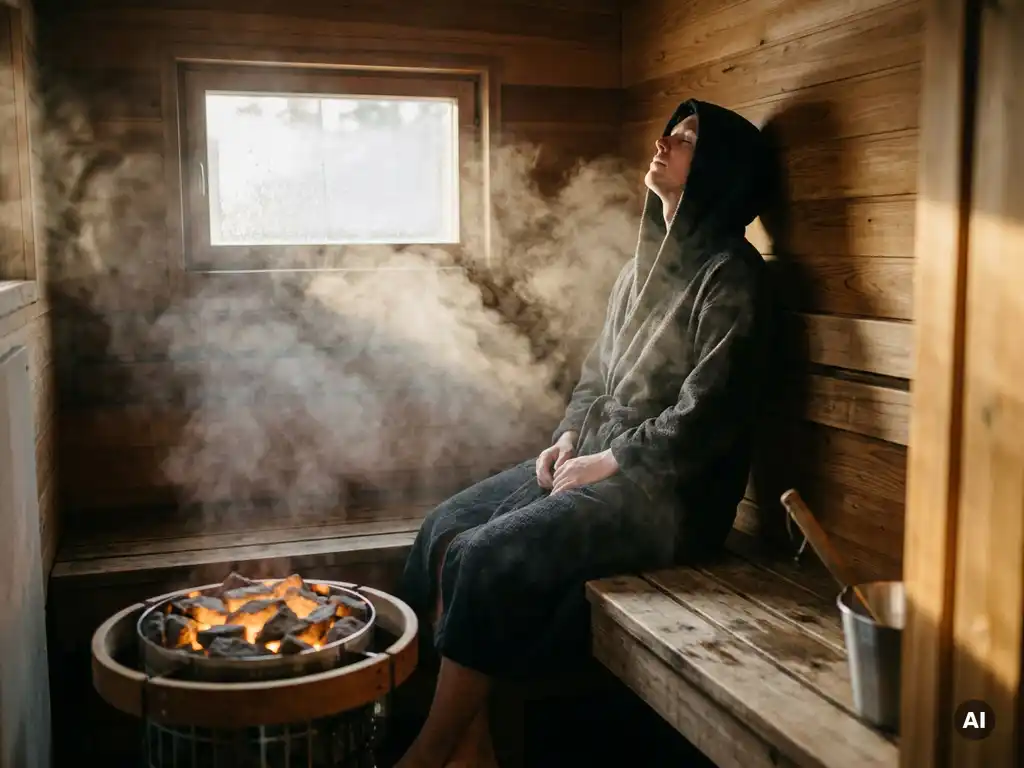
Yes, sauna sessions genuinely help you relax. The combination of heat, steam, and quiet time triggers real physiological changes in your body that reduce stress hormones, ease muscle tension, and calm the nervous system. These effects are well-documented and felt by most people after just a single session. Below, we unpack exactly how it works and how to get the most out of your time in the sauna.
How does a sauna session actually reduce stress?
A sauna session reduces stress by activating your parasympathetic nervous system, the part of your body responsible for rest and recovery. Heat exposure lowers cortisol levels, raises endorphins, and encourages deep muscle relaxation. The result is a shift away from the fight-or-flight state that most people carry throughout the day, replaced by a calm, grounded feeling that can last for hours after you step out.
The mechanism is straightforward. When your body temperature rises in the sauna, your heart rate increases slightly, mimicking the effect of light exercise. This prompts your brain to release endorphins and other feel-good compounds. At the same time, the heat loosens tight muscles and joints, removing a major physical source of tension. Together, these effects create a powerful sauna stress relief response that is both immediate and cumulative with regular use.
What happens to your body and mind during a sauna session?
During a sauna session, your body responds to heat by increasing circulation, opening blood vessels, and triggering sweat production. Your muscles soften, your breathing slows, and your mind tends to quiet down as the physical sensations take over. Most people notice a shift in mental state within the first ten to fifteen minutes, moving from alertness into a more meditative calm.
On the mental health side, regular sauna use has been associated with reduced symptoms of anxiety and improved mood. The enforced stillness of a sauna session, away from screens and noise, also gives your mind a genuine break. This combination of physical warmth and mental downtime makes the sauna one of the most accessible tools for supporting mental health without medication or complicated routines.
How often should you use a sauna to feel the relaxation benefits?
Most people begin to feel meaningful sauna relaxation benefits with two to three sessions per week. A single session delivers immediate relief, but the deeper, longer-lasting effects on stress, sleep quality, and mood tend to build with consistency. Sessions of fifteen to thirty minutes at a comfortable temperature are a practical starting point for most healthy adults.
If your goal is ongoing stress management rather than occasional relief, think of sauna use the way you would exercise: regular exposure compounds the benefits over time. Starting with two sessions per week and adjusting based on how your body responds is a sensible approach. Listen to your body, stay hydrated, and avoid pushing through discomfort in the early stages.
Does steam quality affect how relaxing a sauna session is?
Yes, steam quality has a direct impact on how relaxing a sauna session feels. Harsh, uneven steam that concentrates near the ceiling creates an uncomfortable, suffocating sensation rather than a soothing one. Soft, evenly distributed steam that you can breathe comfortably allows you to stay in the sauna longer, breathe more easily, and experience deeper relaxation throughout the session.
The difference between a breathable steam sauna and one with poor air distribution is significant. When hot air pools at the ceiling and cooler air sits near the floor, the experience becomes uneven and often unpleasant. A well-designed sauna blends the air throughout the room so the temperature is consistent from floor to ceiling, the steam is gentler on the airways, and the overall environment feels welcoming rather than overwhelming. This is why air circulation technology matters as much as the heater’s raw power.
Can salt therapy in a sauna enhance relaxation?
Salt therapy in a sauna can enhance relaxation by adding a respiratory benefit to the heat experience. When salt ions are introduced into the steam, they may help clear the airways, making breathing easier and more comfortable. Easier breathing directly supports a deeper state of relaxation, since tension in the chest and labored breathing are common barriers to fully unwinding.
A salt therapy sauna combines the well-known benefits of halotherapy, the inhalation of salt-infused air, with the heat and circulation benefits of a traditional sauna session. For people who carry stress in their chest or who have mild respiratory sensitivity, this combination can make the sauna experience noticeably more comfortable and restorative. The key is that the salt is delivered through the airstream rather than simply placed in the room, which ensures the ions actually reach you during the session.
Are there any risks to using a sauna for relaxation?
Sauna use is safe for most healthy adults, but there are a few important considerations. Dehydration is the most common issue, since you lose fluid rapidly through sweat. People with cardiovascular conditions, low blood pressure, or who are pregnant should consult a doctor before using a sauna regularly. Overheating is also a real risk if sessions are too long or temperatures are too high, particularly for beginners.
To use a sauna safely for relaxation, keep these points in mind:
- Drink water before and after each session to replace lost fluids
- Start with shorter sessions of ten to fifteen minutes and build up gradually
- Avoid alcohol before or during sauna use
- Exit the sauna immediately if you feel dizzy, nauseous, or short of breath
With sensible precautions, the sauna session benefits far outweigh the risks for the vast majority of people. The goal is a comfortable, sustainable practice, not an endurance test.
How Saunum’s electric sauna heaters support deeper relaxation
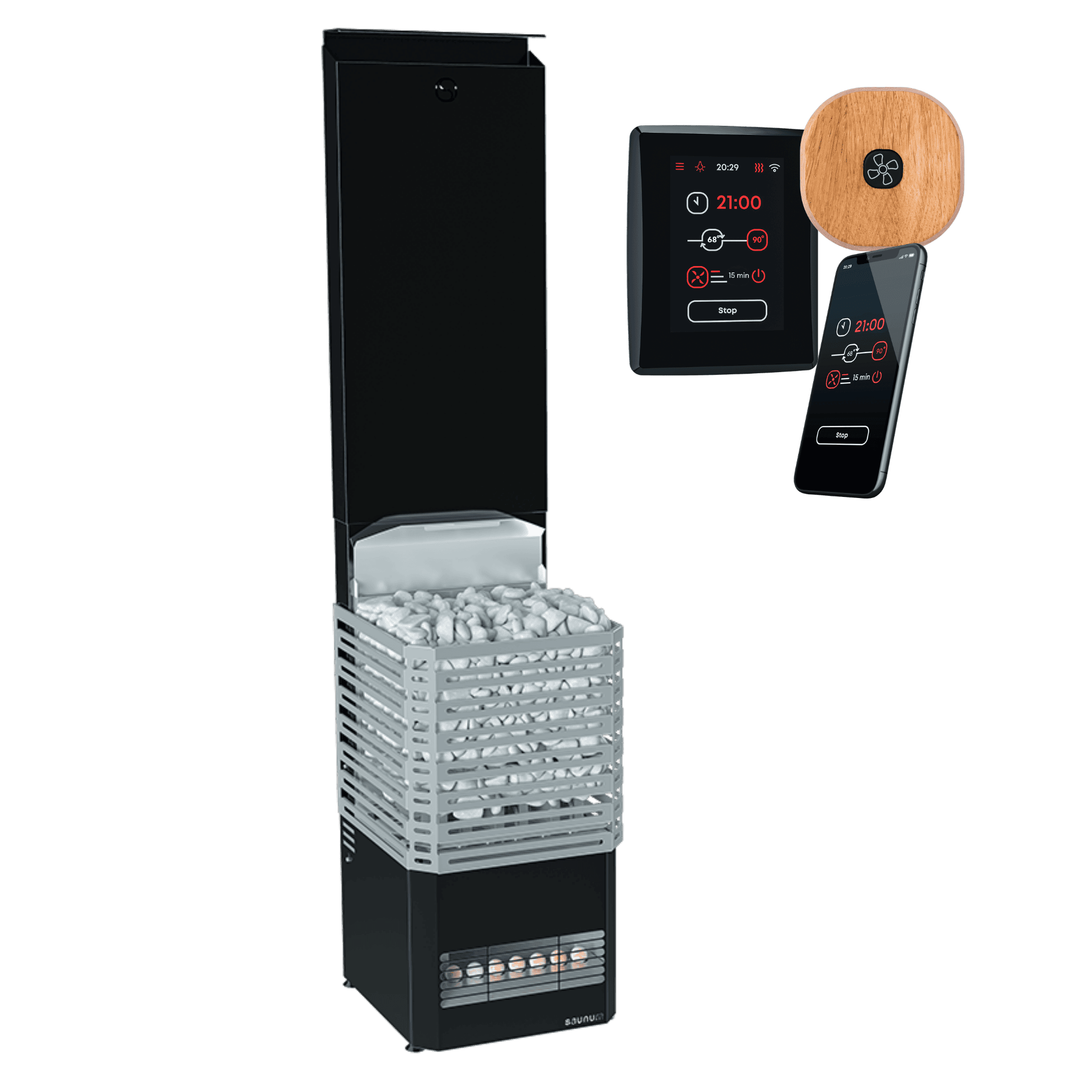
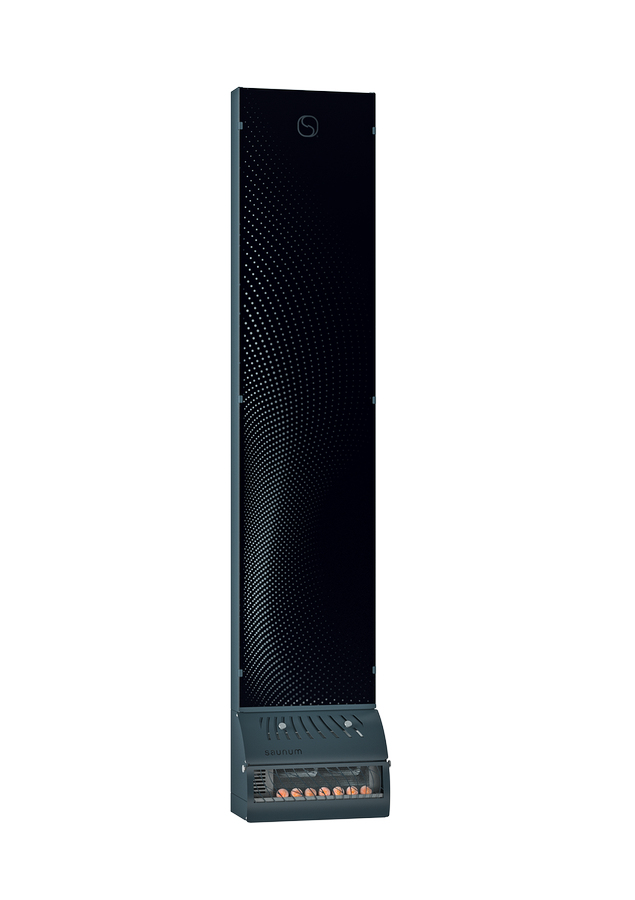
The quality of your sauna environment shapes how deeply you can relax, and that is exactly where our electric sauna heaters make a practical difference. Standard heaters often leave hot air trapped at the ceiling and cooler air sitting near the floor, creating an uneven experience that can feel uncomfortable rather than restorative. Our heaters solve this with a patented air circulation system that draws the hot steam down from the ceiling, blends it with the cooler, oxygen-rich air near the floor, and redistributes it evenly throughout the room. The result is a consistent temperature from floor to ceiling and steam that is genuinely soft and breathable.
For those interested in salt therapy, our climate system also supports Himalayan salt orbs that release beneficial ions directly into the airstream during the session, combining heat therapy and halotherapy in one unit. Here is what this means in practice:
- A more even temperature that lets you stay comfortable and relaxed for longer
- Softer, breathable steam that is easier on the airways
- Salt ions delivered through the air circulation for a genuine therapeutic effect
- A five-in-one sauna experience including classic, steam, relaxation, salt, and aroma modes
If you are ready to experience the difference that thoughtful sauna technology makes, explore our electric sauna heaters and find the right fit for your space. Saunum designs every product with one goal in mind: a sauna session that genuinely restores you, every time.
Frequently Asked Questions
How long does the relaxation effect from a sauna session typically last?
The immediate sense of calm and muscle relaxation from a single sauna session can last anywhere from a few hours to the rest of the day, depending on the individual and session length. With regular use two to three times per week, many people report that the baseline reduction in stress and improved sleep quality becomes a sustained effect rather than a temporary one. Think of it as a cumulative investment: each session builds on the last, making the benefits longer-lasting over time.
What is the ideal temperature for a relaxing sauna session, and does it differ from a detox or fitness-focused session?
For relaxation specifically, a temperature range of 70–85°C (158–185°F) tends to be the sweet spot for most people — warm enough to trigger the physiological stress-relief response without becoming overwhelming. Detox or athletic recovery sessions sometimes push higher, but for pure relaxation, a moderate, consistent heat is more effective because it allows you to stay in the sauna comfortably for longer. The key is that the temperature feels enveloping rather than aggressive, which is why even heat distribution matters as much as the number on the dial.
Should I do anything before or after a sauna session to maximize the relaxation benefits?
Before your session, drink at least one to two glasses of water and avoid heavy meals or alcohol, both of which can make the heat harder to tolerate. After your session, take a few minutes to cool down gradually — a lukewarm shower, a cool room, or simply sitting quietly — rather than rushing back into activity, as this cool-down period is when much of the parasympathetic nervous system response deepens. Finishing with another glass of water and allowing yourself 15–20 minutes of rest afterward helps lock in the calm and supports better sleep if you sauna in the evening.
Can I use a sauna for relaxation if I have anxiety or stress-related health issues?
For most people with anxiety or stress-related concerns, regular sauna use can be a genuinely supportive tool, as the reduction in cortisol and the activation of the parasympathetic nervous system directly counteract the physiological state of anxiety. That said, some individuals with anxiety may initially find the heat or enclosed space uncomfortable, so starting with shorter sessions at a lower temperature and building up gradually is strongly recommended. If you have a diagnosed anxiety disorder or are on medication, it is worth checking with your doctor first, particularly if your medication affects blood pressure or heart rate.
Is a home sauna as effective for relaxation as a commercial or spa sauna?
A home sauna can be just as effective — and in many cases more so — because the convenience removes the friction of getting to a facility, meaning you are far more likely to use it consistently. Consistency is the single biggest driver of long-term relaxation and stress-management benefits, so having access at home on your own schedule is a genuine advantage. The key factor is the quality of the heater and air environment rather than the size or setting of the sauna itself.
What is the difference between a traditional Finnish sauna and a steam room when it comes to relaxation?
A traditional Finnish sauna uses dry heat with low humidity (typically 10–20%), while a steam room operates at 100% humidity and lower temperatures (around 40–50°C / 104–122°F). Both promote relaxation, but they do so slightly differently: the Finnish sauna tends to produce a deeper muscle-relaxing effect due to higher heat, while the steam room’s moist air can feel more soothing for the respiratory system and skin. Many modern sauna systems, including those with controlled steam injection, allow you to blend both experiences, giving you the benefits of each in a single session.
How do I know if my sauna session is actually working for stress relief, or if I am just feeling hot?
There is a clear difference between productive heat exposure and simply feeling overheated. A well-calibrated relaxation session should leave you feeling calm, loose-muscled, and mentally quieter — not dizzy, irritable, or exhausted. If you step out feeling drained rather than restored, the session was likely too long, too hot, or you were dehydrated going in. The benchmark is simple: a good sauna session for relaxation should feel like a reset, leaving you noticeably more at ease than when you walked in.