
Consistent floor-to-ceiling sauna temperature matters because it ensures every part of your body receives even, therapeutic heat, not just your upper body near the ceiling. Without balanced heat distribution, the air near the floor can be significantly cooler than the air above, creating an uncomfortable and less effective sauna session. The sections below explore exactly why this happens and what you can do about it.
What happens to sauna temperature without air circulation?
Without air circulation, sauna temperature becomes severely stratified. Hot air and steam rise naturally to the ceiling, where temperatures can reach well above comfortable levels, while the air near the floor stays noticeably cooler. This creates a dramatic temperature gap between where you sit and where your feet rest, making the sauna environment uneven and often uncomfortable.
This stratification is a basic principle of thermodynamics. Heat rises, and in a sealed sauna room with no mechanism to redistribute it, the hottest air simply accumulates at the top. The result is a room where the ceiling area may feel scorching while the lower bench level feels mild by comparison. Bathers end up leaning forward or adjusting their position constantly to find a comfortable zone, rather than relaxing fully into the experience.
How does uneven heat affect your sauna health benefits?
Uneven sauna heat directly reduces the therapeutic value of your session. When heat is concentrated near the ceiling and cooler air pools near the floor, your body does not receive consistent warmth across all surfaces. This limits how effectively your circulation responds, how deeply your muscles relax, and how intensely you sweat, all of which are central to the health benefits of regular sauna use.
Sweating is one of the primary mechanisms through which sauna sessions support detoxification and cardiovascular health. Inconsistent heat means inconsistent sweating, and that means a less thorough session overall. For people using the sauna to manage stress, support respiratory health, or aid muscle recovery, the difference between even and uneven heat distribution is the difference between a genuinely therapeutic experience and a mildly warm room.
Why is breathable steam harder to achieve in a traditional sauna?
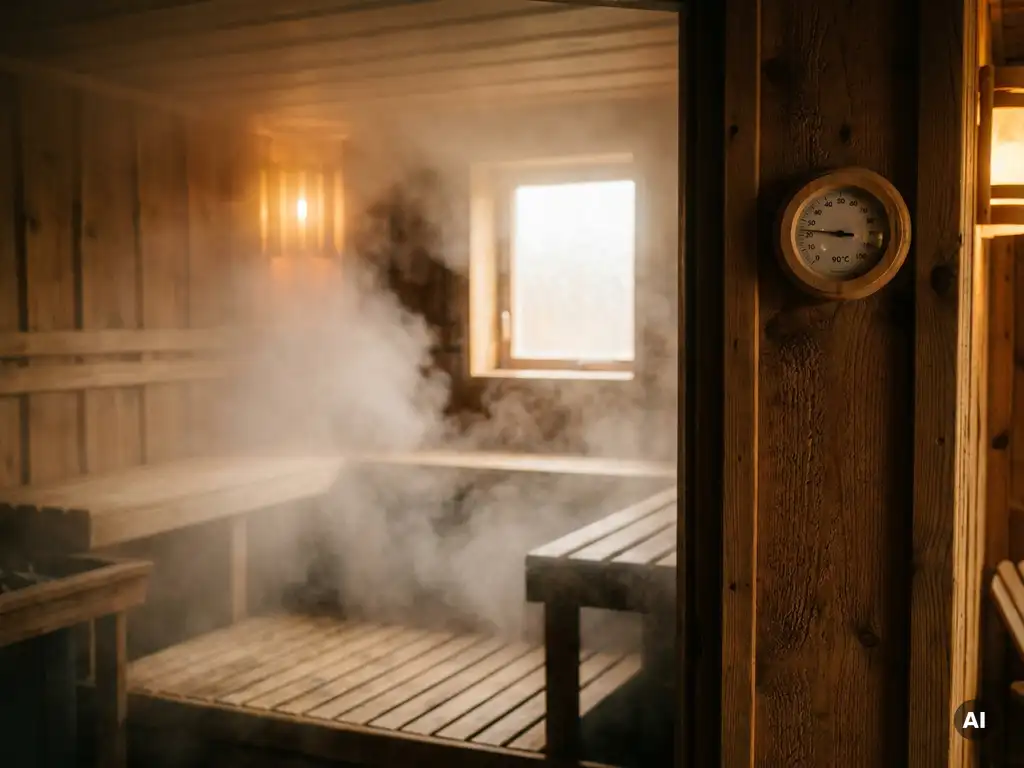
In a traditional sauna, steam thrown onto the rocks rises sharply to the ceiling and stays there, mixing with the hottest, driest air in the room. This creates a harsh, heavy steam environment near the top of the sauna that can feel difficult to breathe, especially for people with respiratory sensitivities. The cooler, more oxygenated air near the floor never gets a chance to blend with the steam.
The result is a two-layer sauna: a dense, hot steam layer above and a cooler, drier layer below. When you inhale, you are drawing in air from this unbalanced environment. For bathers who want a softer, more breathable steam experience, traditional sauna design simply does not deliver it. The steam is either too harsh near the top or too weak near the bottom, with no comfortable middle ground.
How does a patented air blending system equalize sauna temperature?
A patented air blending system equalizes sauna temperature by actively drawing the hot steam and air that accumulates near the ceiling and mixing it with the cooler, oxygen-rich air near the floor. This continuous blending creates a consistent temperature throughout the entire room, from floor to ceiling, rather than allowing heat to stratify in layers.
The mechanism works by capturing the intense heat and steam at ceiling level before it becomes uncomfortably concentrated, then redirecting it downward in a gentle, even flow. This process reduces the temperature gap between the top and bottom of the sauna room by a significant margin, making the entire space feel balanced and comfortable. Bathers on the lower bench experience the same quality of warmth as those sitting higher up, and the steam itself becomes softer and easier to breathe because it has been blended with fresher, cooler air before reaching the bathers.
What are the health benefits of consistent floor-to-ceiling sauna heat?
Consistent floor-to-ceiling sauna heat amplifies the core health benefits of sauna use by ensuring your entire body receives therapeutic warmth evenly. When the temperature is balanced throughout the room, your cardiovascular system responds more fully, your muscles relax more deeply, and your body sweats more intensely and consistently across all skin surfaces.
The benefits of even sauna heat distribution include:
- More intense and uniform sweating, supporting the body’s natural detoxification processes
- Improved respiratory comfort, as softer blended steam is easier to inhale deeply
- Greater relaxation of muscles and connective tissue due to consistent warmth at all body levels
- Longer, more satisfying sessions because the environment feels comfortable rather than harsh
For people managing respiratory conditions, the quality of the steam matters as much as the temperature itself. Breathable, evenly distributed steam allows bathers to stay in the sauna longer and breathe more freely, which compounds the therapeutic effect over time. This is especially relevant for those exploring sauna use as a complement to wellness routines focused on lung health or stress reduction.
Should you choose a sauna with air circulation technology?
Yes, if you want to get the most out of your sauna sessions, choosing a sauna with air circulation technology is a worthwhile investment. Standard sauna heaters heat the room but do nothing to redistribute that heat evenly. Air circulation technology actively manages the sauna climate, ensuring you experience consistent sauna temperature from floor to ceiling rather than sitting in a stratified environment.
The difference becomes especially clear over longer sessions. In a traditionally heated sauna, the discomfort of uneven heat often shortens how long bathers stay inside. With even heat distribution, sessions feel more natural and sustainable, which means more time in the sauna and more cumulative health benefit. For health-focused sauna users, this is not a minor upgrade, it fundamentally changes the quality of the experience.
How Saunum’s electric sauna heaters solve the temperature distribution problem
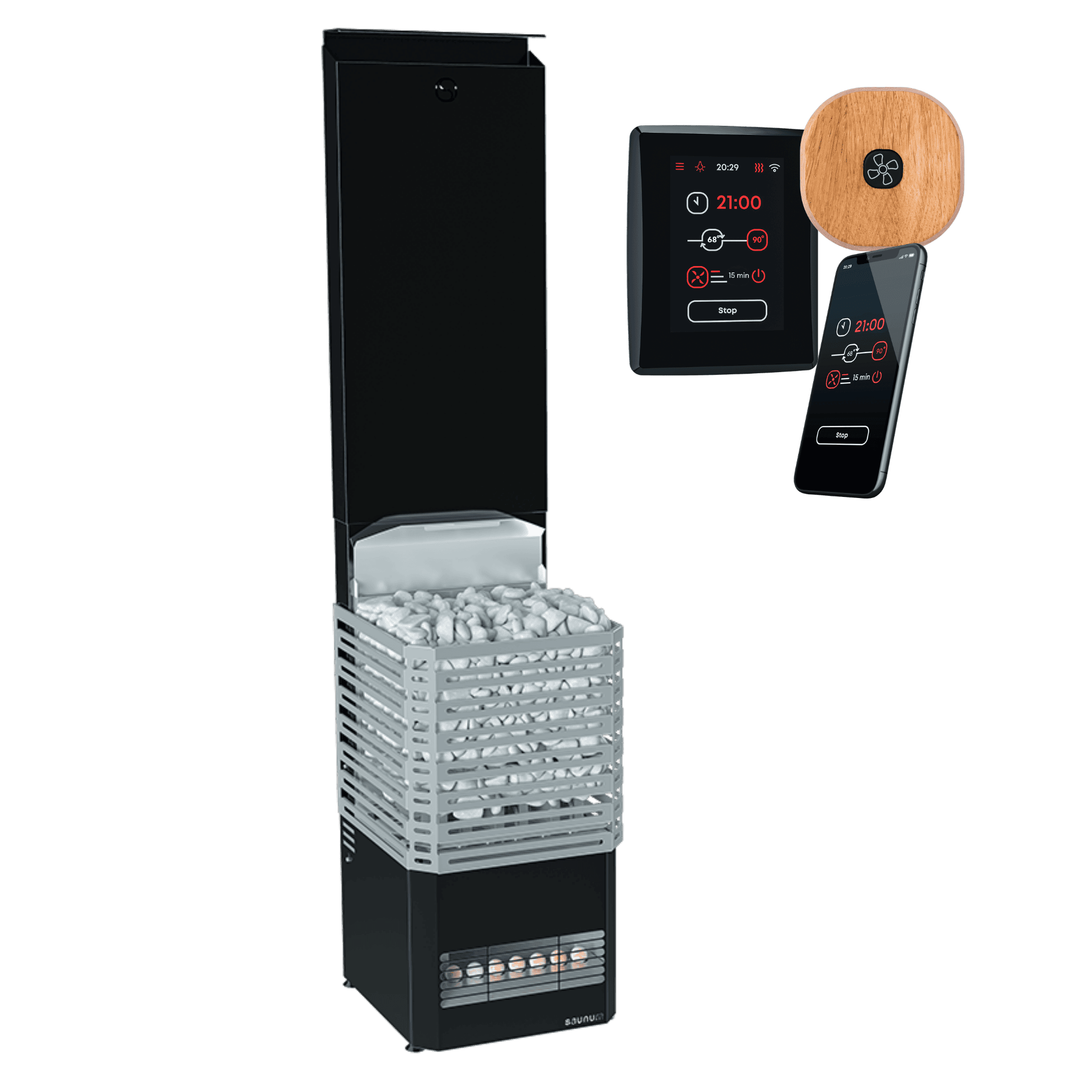
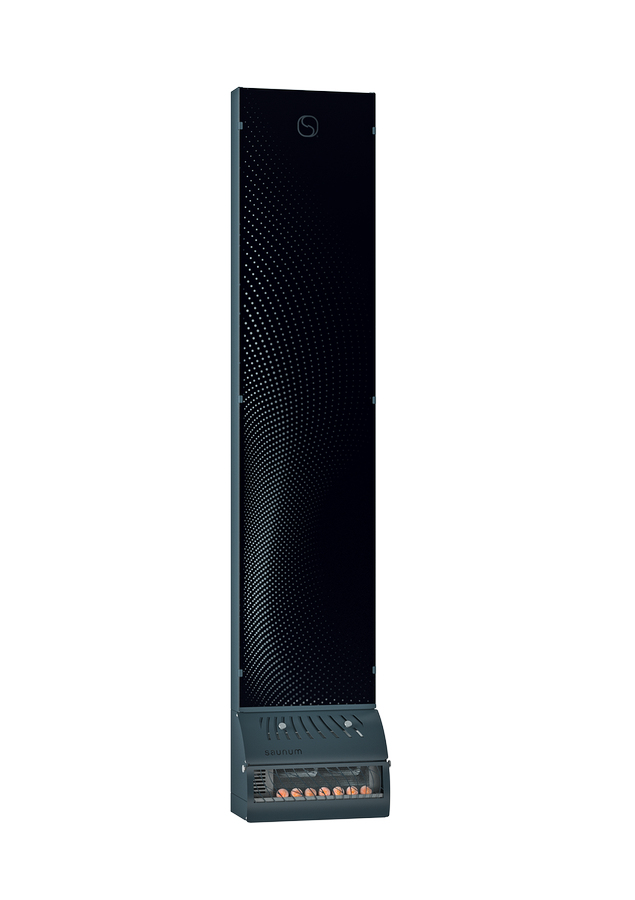
Our electric sauna heaters are built around a patented air circulation system specifically designed to eliminate temperature stratification. Here is what that means in practice:
- Hot steam and air trapped near the ceiling are drawn into the heater and blended with cooler, oxygen-rich air from the floor level
- The blended, softer steam is then directed evenly back into the sauna room, equalizing the temperature throughout
- The result is a consistent sauna temperature from floor to ceiling, with breathable steam that makes sessions more comfortable and longer-lasting
Beyond even heat, Saunum heaters offer a five-in-one sauna experience: classic Nordic sauna, humid steam sauna, relaxation sauna, Himalayan salt ion sauna, and aroma sauna, all from a single unit. If you are ready to experience what a truly balanced sauna climate feels like, explore our range of electric sauna heaters and find the right fit for your space.
Frequently Asked Questions
How do I know if my current sauna has a temperature stratification problem?
The easiest way to check is to notice the temperature difference between your head and your feet during a session. If the air near the ceiling feels uncomfortably hot while the floor area stays noticeably cool, stratification is occurring. You can also place a thermometer at bench level and another near the ceiling — a gap of more than 10–15°F (5–8°C) is a clear sign that heat is not being distributed evenly throughout the room.
Can I improve heat distribution in my existing sauna without replacing the heater?
There are a few partial measures you can try, such as installing a small sauna-safe fan to encourage air movement or adjusting bench height to find a more comfortable temperature zone. However, these are workarounds rather than solutions — they do not actively blend the steam and air the way a purpose-built air circulation system does. For a meaningful, lasting improvement in heat distribution and steam quality, upgrading to a heater with integrated air blending technology is the most effective path.
How long should a sauna session be when heat is evenly distributed?
With consistent floor-to-ceiling heat, most users find they can comfortably stay in the sauna for 15–20 minutes per round, with 2–3 rounds being a typical session structure. Because the environment feels balanced rather than harsh, the urge to exit early due to discomfort is significantly reduced. That said, always listen to your body — even in a well-balanced sauna, hydration, personal health conditions, and individual heat tolerance should guide your session length.
Is breathable, blended steam safe for people with asthma or other respiratory conditions?
Many people with respiratory sensitivities actually find that soft, evenly blended steam is more tolerable than the dense, concentrated steam produced in a traditional sauna setup. Because the steam has been mixed with cooler, oxygen-rich air before reaching the bather, it is gentler on the airways and easier to inhale deeply. However, anyone with a diagnosed respiratory condition should consult their healthcare provider before starting a regular sauna routine, as individual responses can vary.
What is the ideal sauna temperature for maximizing health benefits?
For a traditional Finnish-style sauna, the generally recommended temperature range at bench level is between 150°F and 195°F (65°C–90°C), with relative humidity between 10% and 20%. The key word here is ‘at bench level’ — in a stratified sauna, hitting this range at the ceiling tells you very little about what your body is actually experiencing. With even heat distribution, you can set and trust a target temperature knowing the entire room, not just the top, is operating within that therapeutic range.
Does a sauna with air circulation technology use more electricity than a standard heater?
Not necessarily — in fact, even heat distribution can make your sauna more energy-efficient over time. When heat is concentrated near the ceiling in a standard sauna, much of that energy is essentially wasted on space that does not benefit the bather. An air blending system redistributes that existing heat more effectively, meaning the heater does not have to work as hard to maintain a comfortable environment at bench level. The result is a more efficient use of the energy already being generated.
How does the five-in-one sauna experience work, and do I need to switch between different modes manually?
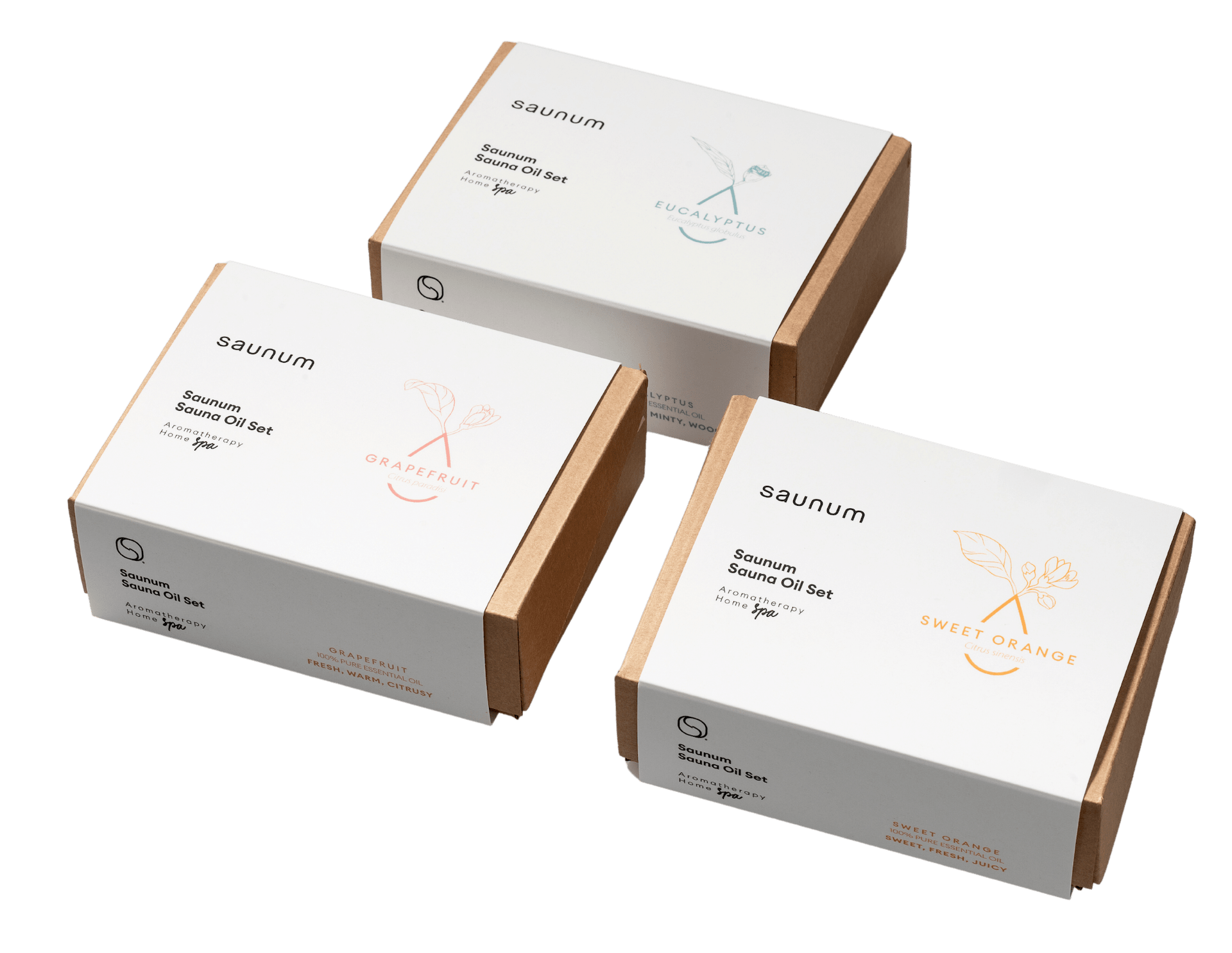
Saunum’s electric heaters are designed to support multiple sauna experiences — classic Nordic, humid steam, relaxation, Himalayan salt ion, and aroma — from a single unit, making it easy to customize each session based on your wellness goals that day. Switching between modes typically involves simple adjustments such as adding different elements (like Himalayan salt stones or essential oils) or modifying the steam output, rather than reconfiguring the heater itself. This versatility means you get the full range of sauna health benefits without needing multiple units or complicated setups.