
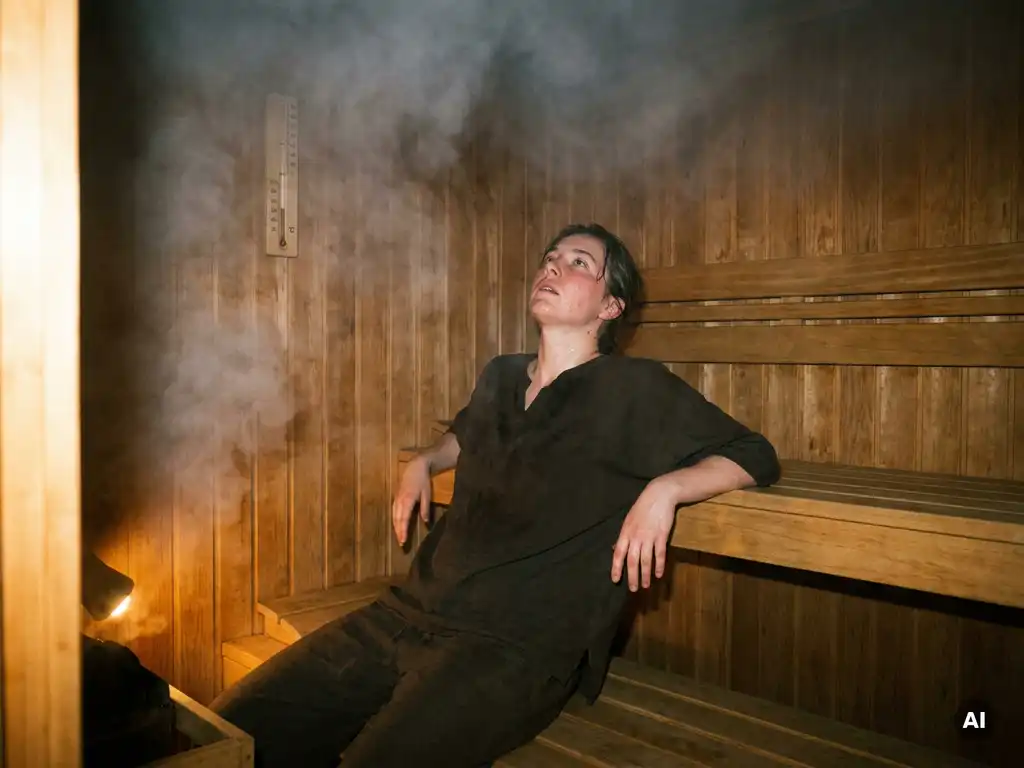
You can tell you are overheating in a sauna when you notice dizziness, nausea, a rapid or pounding heartbeat, excessive weakness, or a sudden stop in sweating. These are your body’s warning signals that core temperature is rising beyond a safe level. Recognizing these signs early is the most important step in keeping every sauna session safe and enjoyable, and the sections below walk through each key question in detail.
What are the first signs of overheating in a sauna?
The first signs of overheating in a sauna are dizziness, lightheadedness, nausea, a racing heartbeat, and unusual weakness. You may also notice that your skin feels uncomfortably hot to the touch, your vision becomes slightly blurred, or you feel a sudden urge to lie down. These symptoms typically appear before the situation becomes dangerous, so acting on them immediately matters.
One counterintuitive warning sign is when sweating slows down or stops entirely. Sweating is your body’s primary cooling mechanism, so when it shuts off, core temperature can climb quickly. Other early indicators include a throbbing headache, muscle cramps, and a feeling of confusion or difficulty concentrating. If any of these appear, leave the sauna right away, move to a cooler space, and hydrate.
How hot is too hot in a sauna?
A sauna becomes too hot when the air temperature exceeds roughly 90 to 100 degrees Celsius (195 to 212 degrees Fahrenheit) for most adults, or when the heat feels impossible to breathe through comfortably. For beginners, even temperatures in the 70 to 80 degrees Celsius range can trigger overheating if humidity is high or session length is excessive. Sauna temperature safety depends on the individual as much as the thermometer reading.
Traditional Finnish saunas typically operate between 70 and 90 degrees Celsius, and most experienced users find this range manageable. The problem is that temperature alone does not tell the full story. Uneven heat distribution, where scorching air pools near the ceiling while cooler air sits near the floor, can make a session feel far more intense than the thermostat suggests. This is why consistent air circulation throughout the room plays a significant role in how tolerable and safe a given temperature actually feels.
What’s the difference between heat exhaustion and heat stroke in a sauna?
Heat exhaustion and heat stroke are both serious responses to overheating in a sauna, but heat stroke is a medical emergency. Heat exhaustion involves heavy sweating, weakness, cool and pale skin, nausea, and a fast but weak pulse. Heat stroke occurs when the body’s cooling system fails completely, causing a high body temperature above 40 degrees Celsius, hot and dry skin, confusion, and potential loss of consciousness.
Heat exhaustion
With heat exhaustion, the body is still trying to cool itself but is struggling. You will likely still be sweating, but you feel faint, nauseated, and extremely fatigued. Moving to a cool environment, lying down, and drinking water or an electrolyte drink usually resolves heat exhaustion within 30 minutes. If symptoms worsen or do not improve, seek medical attention.
Heat stroke
Heat stroke is a different situation entirely. The body has lost its ability to regulate temperature, sweating has stopped, and the skin may feel hot and dry. Confusion, slurred speech, and loss of consciousness are serious indicators. Heat stroke requires immediate emergency medical care. Do not attempt to manage it at home. Call emergency services and cool the person down with cold water or ice packs while waiting for help.
How long should you stay in a sauna before it becomes dangerous?
For most healthy adults, staying in a sauna for longer than 15 to 20 minutes in a single session increases the risk of overheating. Beginners should limit initial sessions to 5 to 10 minutes. The danger threshold is not fixed, it shifts based on temperature, humidity, hydration level, and individual health status. Sauna health risks rise sharply when people push past their body’s clear signals to leave.
A practical approach is to take breaks between rounds rather than staying in continuously. Many experienced sauna users follow a pattern of 10 to 15 minutes inside, followed by a cool-down period outside, then re-entering if they feel well. Drinking water before and between sessions helps maintain safe hydration. Alcohol before or during a sauna session significantly shortens the safe window and should be avoided entirely.
What should you do if you feel overheated in a sauna?
If you feel overheated in a sauna, leave immediately, move to a cooler area, and begin rehydrating with water. Do not try to push through the discomfort. Sitting or lying down in a cool space, applying a cold damp cloth to the neck and wrists, and sipping water steadily will help your body recover. Most mild overheating resolves within 15 to 30 minutes with these steps.
- Exit the sauna calmly and move to a shaded or air-conditioned space
- Sit or lie down to reduce strain on your cardiovascular system
- Drink cool water steadily rather than gulping large amounts at once
- Seek medical help immediately if symptoms include confusion, loss of consciousness, or skin that is hot and dry
Never re-enter the sauna on the same day after experiencing overheating symptoms. Give your body time to fully recover before your next session.
Who is most at risk of overheating in a sauna?
People most at risk of overheating in a sauna include older adults, young children, pregnant women, and anyone with cardiovascular conditions, high blood pressure, or diabetes. Those who are dehydrated, have consumed alcohol, or are taking medications that affect heat regulation are also at significantly higher risk. Sauna heat exhaustion can develop faster in these groups even at moderate temperatures.
First-time sauna users are also more vulnerable simply because their bodies have not adapted to the heat stress. If you have any underlying health condition, speaking with a doctor before using a sauna is a sensible step. Regardless of health status, everyone benefits from starting with shorter sessions at lower temperatures and building up gradually over time.
How Saunum’s electric sauna heaters support safer, more comfortable sessions
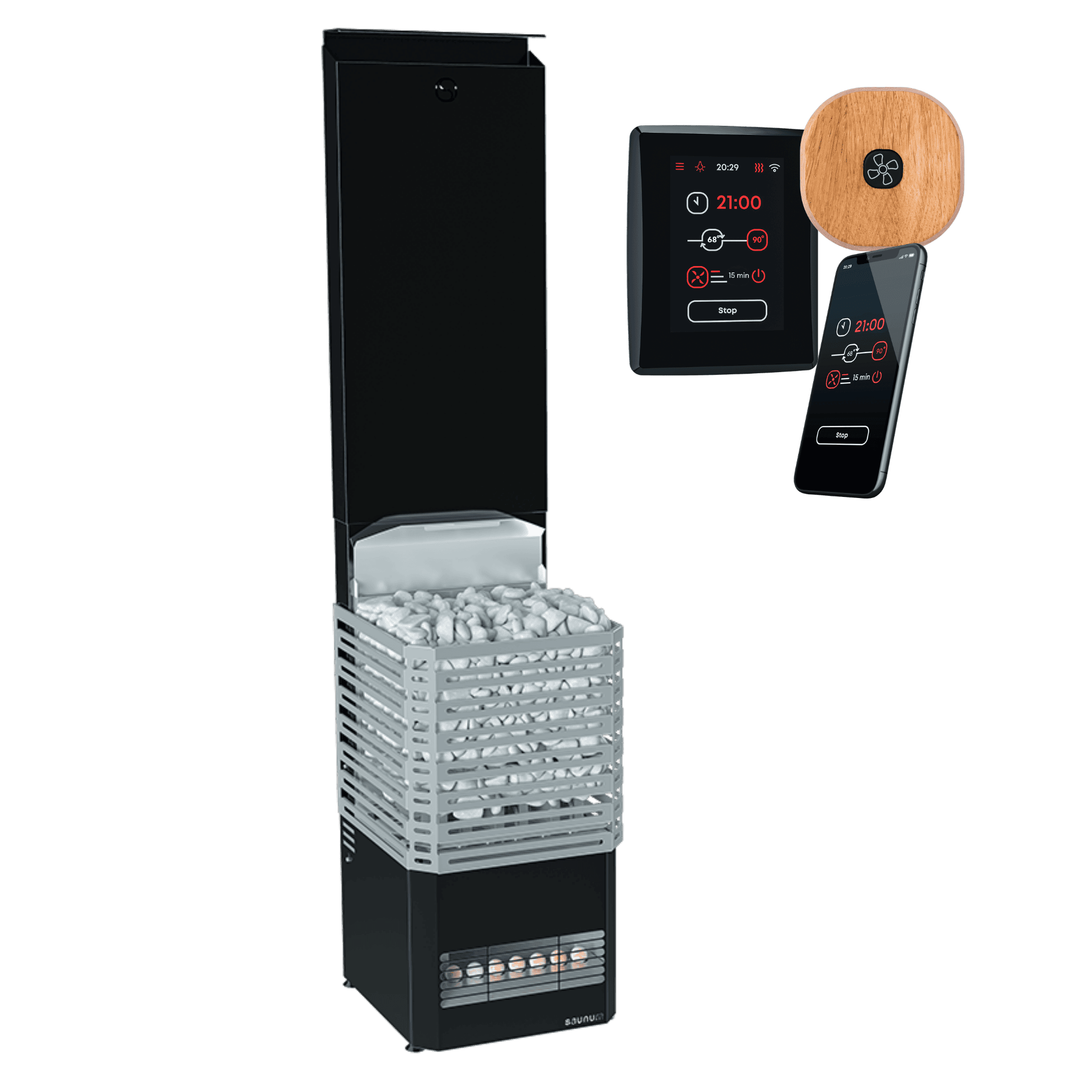
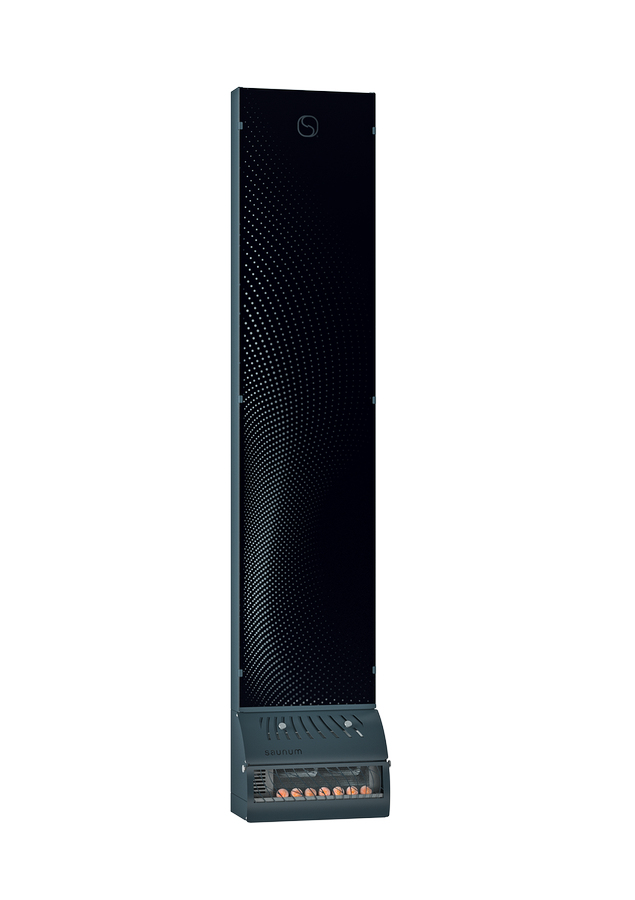
One of the less obvious contributors to sauna overheating is uneven heat distribution. When scorching steam accumulates near the ceiling and the lower part of the room stays significantly cooler, the temperature you feel can be far more intense than expected, making it harder to gauge how long you have safely been in. Our electric sauna heaters address this directly through a patented air circulation system designed to eliminate those dangerous hot spots.
- The system draws overheated steam from the ceiling and mixes it with cooler, oxygen-rich air from the floor level
- This equalizes room temperature by up to 60%, producing softer, more breathable steam throughout the entire space
The result is a sauna environment where the heat feels consistent and manageable from the moment you sit down, giving you clearer signals about how your body is responding. Softer steam also makes breathing easier, which matters especially for those with respiratory sensitivities. If you want a sauna experience built around comfort and safety, explore what Saunum has to offer and find the heater that fits your setup.
Frequently Asked Questions
Can you get used to higher sauna temperatures over time, and how do you build that tolerance safely?
Yes, regular sauna use does help your body adapt to heat stress through a process called heat acclimatization, which improves cardiovascular efficiency and sweat response over time. The safest way to build tolerance is to start with shorter sessions at lower temperatures (around 70°C) and gradually increase duration or heat over several weeks, never pushing past your body’s warning signals. A good rule of thumb is to add only one variable at a time — either a few more minutes or a slightly higher temperature — not both at once.
Is it safe to use a sauna if you have a cold or feel slightly unwell?
Using a sauna when you are already unwell is generally not recommended, as your body is already under physiological stress and your temperature regulation may be compromised. A fever, in particular, is a hard stop — adding external heat on top of an elevated core temperature significantly increases the risk of heat exhaustion or heat stroke. If you have mild congestion without a fever, a short, lower-temperature session may be tolerable for some people, but checking with a healthcare provider first is the safest approach.
What should you drink before and after a sauna session to prevent overheating?
Water is the most reliable choice — aim to drink at least one to two glasses before entering and continue hydrating steadily afterward. For longer or more intense sessions, an electrolyte drink can help replace sodium, potassium, and magnesium lost through heavy sweating. Avoid alcohol, sugary sodas, and caffeinated drinks before or during a session, as these can accelerate dehydration and impair your body’s ability to regulate heat effectively.
Are infrared saunas safer than traditional saunas when it comes to overheating risk?
Infrared saunas operate at lower air temperatures (typically 45–60°C) compared to traditional Finnish saunas, which can make them feel more accessible and reduce the immediate risk of overheating for some users. However, because infrared heat penetrates deeper into body tissue, your core temperature can still rise significantly even if the ambient air feels comfortable — meaning the overheating risk is reduced but not eliminated. The same precautions apply: monitor your body’s signals, stay hydrated, limit session length, and exit immediately if you feel dizzy, nauseous, or unusually weak.
How do I know if my sauna's temperature and humidity levels are actually safe and accurate?
A reliable sauna thermometer and hygrometer (humidity gauge) mounted at bench level — not near the ceiling — give you the most accurate reading of the conditions you are actually sitting in, since heat and steam stratify heavily toward the top of the room. Consumer-grade sauna thermometers are widely available and inexpensive, and placing one at the height where you sit gives a far more meaningful measurement than the heater’s built-in display. If your readings vary dramatically between floor and ceiling level, that is a sign of poor air circulation, which can make conditions more unpredictable and harder to manage safely.
Can children use saunas, and what extra precautions should parents take?
Children can use saunas, but they are significantly more vulnerable to overheating than adults because their bodies have a lower capacity to regulate core temperature and they may not recognize or communicate warning signs effectively. Sessions for children should be kept very short (3 to 5 minutes maximum), at lower temperatures, and always under direct adult supervision. Children should never be left alone in a sauna, should be encouraged to sit on lower benches where temperatures are cooler, and should drink water before and after every session.
What common mistakes do experienced sauna users make that increase their overheating risk?
One of the most frequent mistakes among experienced users is overconfidence — assuming that because they have handled high heat before, they can safely ignore early warning signs or stay in longer than usual. Other common errors include skipping pre-session hydration, using a sauna after physical exercise without adequate recovery time, and combining sauna use with alcohol. Even seasoned users should treat every session as its own event, check in with how their body feels in real time, and never let habit override the body’s clear signals to exit.