
If you have ever stepped into a sauna and noticed that the air near the ceiling feels scorching while the bench level is barely warm, you have experienced one of the most common frustrations in sauna design. A sauna air-blending system is designed to solve exactly that problem. Understanding how it works can help you build, upgrade, or choose a sauna that delivers a genuinely comfortable and healthy experience from the first minute to the last.
Whether you are planning a new sauna build, retrofitting an existing room, or comparing heater options for a professional installation, this guide walks you through every key question about sauna air-blending technology in plain, practical terms. You can also browse the full range of sauna climate devices to see how these principles translate into real products.
What is a sauna air blending system?
A sauna air-blending system is a climate device that actively circulates air inside a sauna room to eliminate temperature stratification. Rather than letting hot air pool at the ceiling and cool air stagnate at the floor, the system continuously draws air from the top of the room, mixes it with cooler air from below, and redistributes it evenly throughout the space.
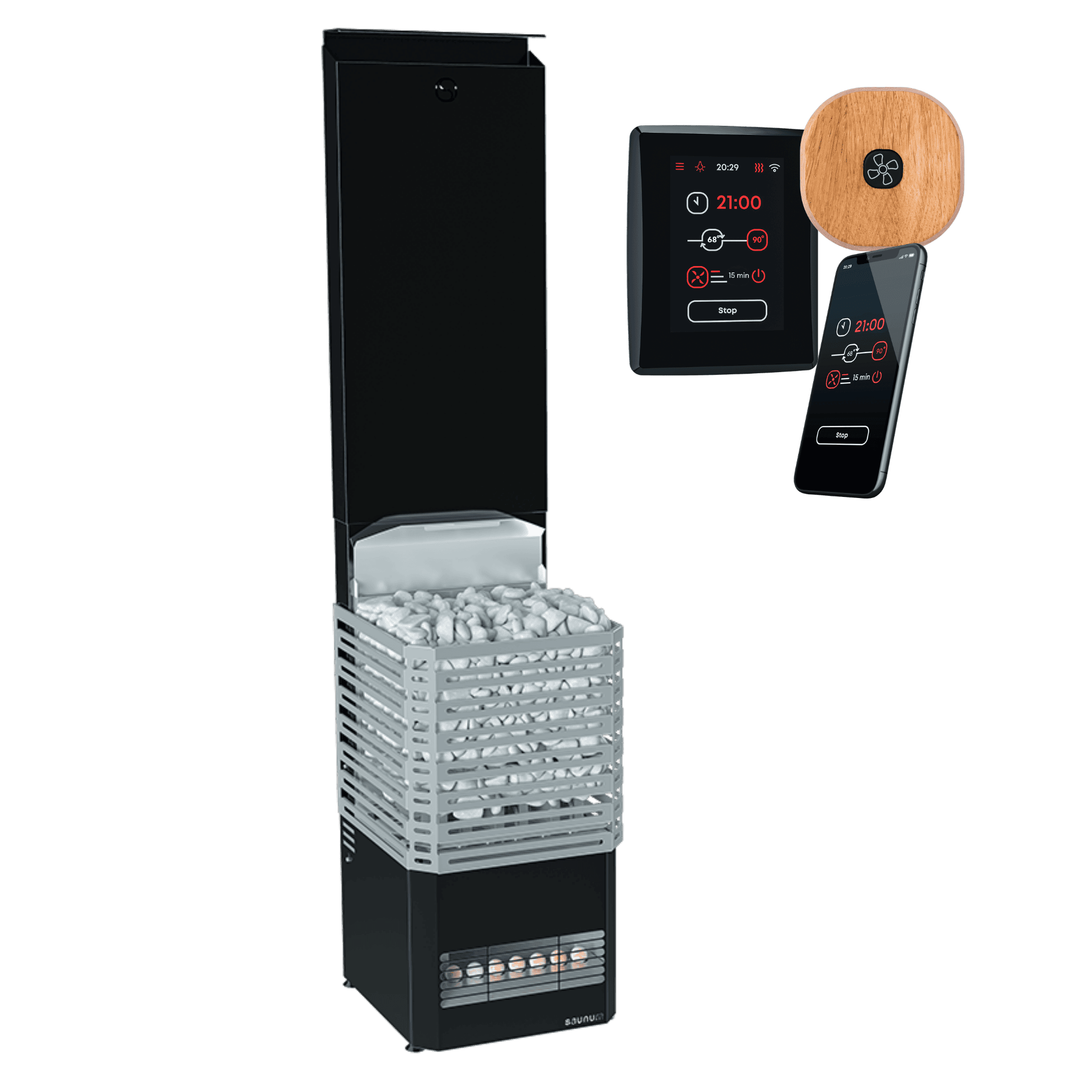
In practice, a sauna air-blending system is either a standalone add-on unit or a component integrated directly into the sauna heater. It typically consists of a fan mechanism, an adjustable vent valve, and, in more advanced versions, a salt-ion chamber and an aromatherapy function. The result is a sauna climate device that manages not just temperature but also humidity, breathability, and air quality simultaneously. This is a fundamentally different approach from a conventional heater, which simply generates heat and leaves air distribution to chance.
Why is sauna temperature so uneven from floor to ceiling?
Sauna temperature is uneven from floor to ceiling because of a basic physical principle: hot air rises. In a conventional sauna, the heater warms the air directly around it; that heated air climbs toward the ceiling, and cooler, denser air settles near the floor. Without any mechanism to counteract this, the temperature difference between the ceiling and the floor can be dramatic.
In a traditional sauna without air blending, the ceiling area can reach temperatures well above what is comfortable or safe, while the floor area remains significantly cooler. This creates an unpleasant environment in which bathers either overheat or feel underdressed, depending on where they are sitting. The problem is made worse when water is thrown on the stones, because the burst of steam rises immediately to the ceiling and dissipates before it ever reaches the lower bench level. The result is a brief, scorching blast at head height and barely any warmth at foot level. A proper sauna ventilation system addresses this layering effect directly rather than working around it.
How does a sauna air blending system actually work?
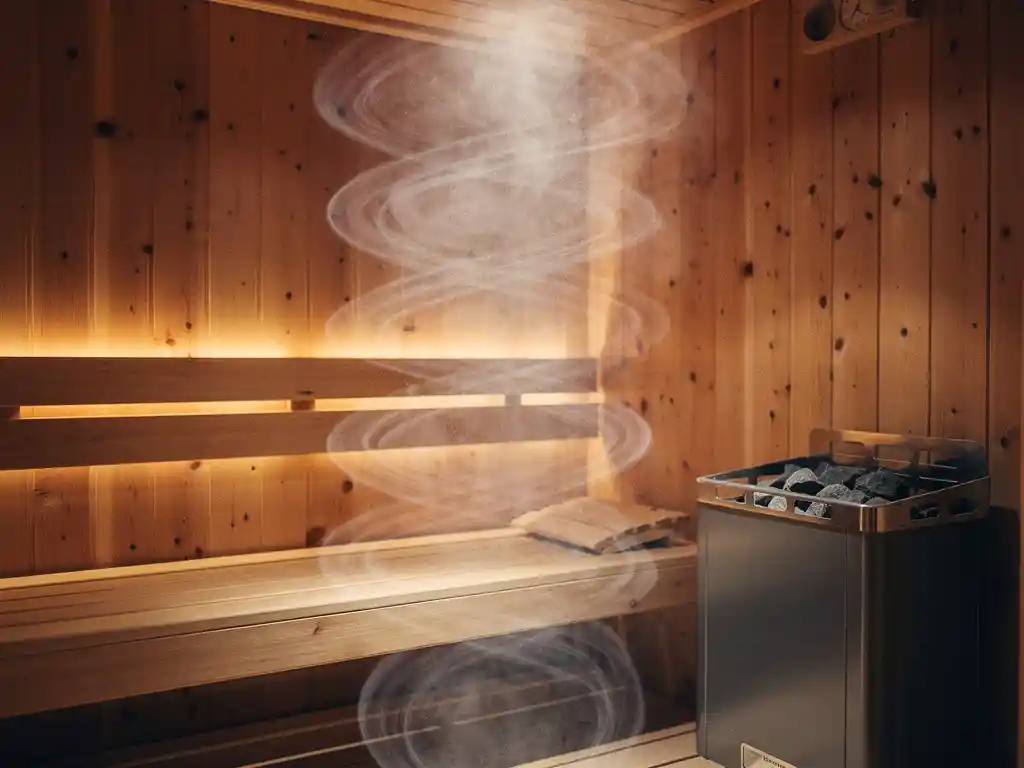
A sauna air-blending system works by capturing the superheated steam and air that accumulate near the ceiling and actively mixing them with the cooler air near the floor, then redistributing the blended, oxygen-enriched air back into the room at a comfortable level. This continuous circulation prevents hot and cold layers from forming in the first place. To understand the engineering behind this approach, you can explore Saunum’s patented air-blending technology in detail.
The air circulation mechanism
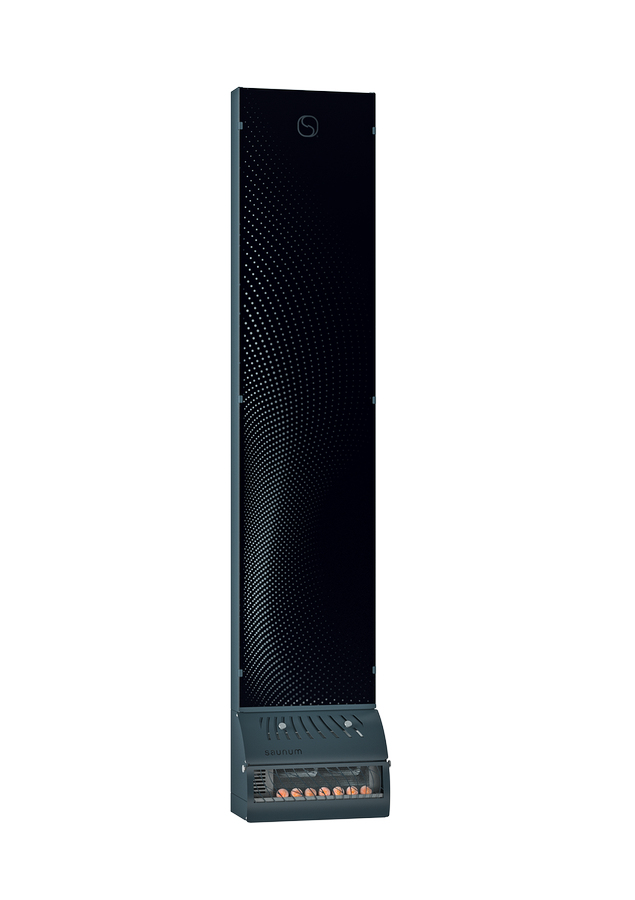
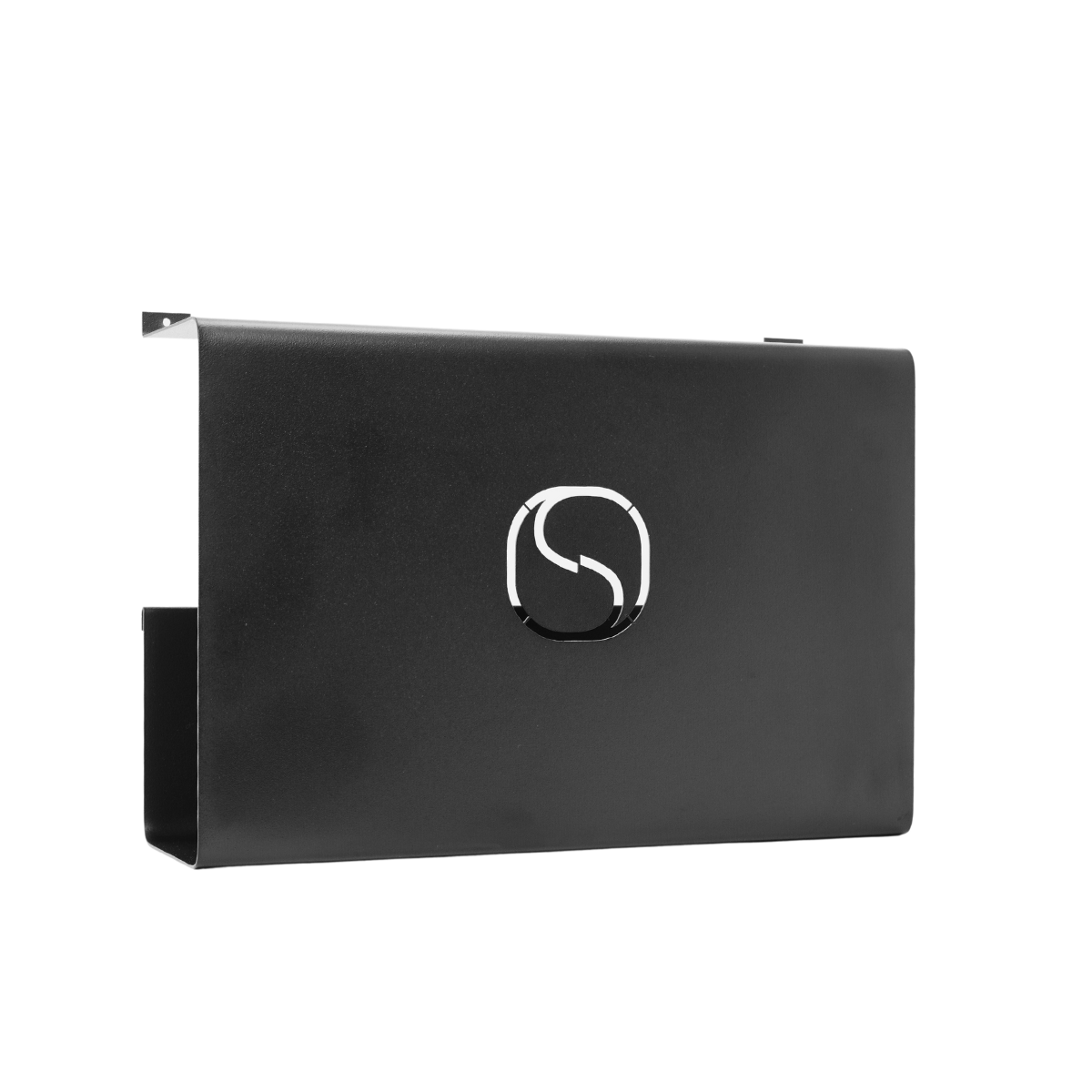
In Saunum’s patented air-blending technology, the climate device is mounted high on the sauna wall, where it draws in the hottest air that has risen to ceiling level. A fan inside the unit blends this superheated air with cooler, floor-level air and pushes the resulting soft, even steam back into the room. The fan operates at adjustable speed levels, giving the user control over how aggressively the air is circulated. An adjustable vent valve controls how much of the circulating air is refreshed with outside air, directly influencing humidity levels.
What happens when you throw water on the stones
When water hits the hot stones, it vaporizes instantly and shoots upward. In a standard sauna, that steam hits the ceiling and stays there. With an air-blending system running, the steam is captured at ceiling height, mixed with the surrounding air, and guided back down through the room. This means the löyly reaches every bather at every level, not just those sitting closest to the ceiling. The air also becomes richer in oxygen during this process, which is why bathers in a well-blended sauna can breathe more comfortably and stay in longer without the headache or fatigue that dense, ceiling-concentrated steam can cause.
What are the benefits of using a sauna air blending system?
The core benefits of a sauna air-blending system are consistent temperature throughout the room, more breathable air, better steam distribution, and the ability to unlock additional wellness features such as salt-ion therapy and aromatherapy. Together, these improvements make every session more comfortable, more effective, and more enjoyable.
From a practical standpoint, even temperature distribution means you can sit at any bench level and still have a genuinely good sauna experience. You can throw water on the stones more frequently because the steam actually reaches you, making the air noticeably more humid and your session more intense without being overwhelming. For builders and contractors, this also means fewer complaints from clients about hot spots, breathing discomfort, or disappointing steam performance after installation.
- Even temperature from floor to ceiling, eliminating uncomfortable hot and cold zones
- Oxygen-enriched, evenly distributed steam that is easier to breathe
- More effective löyly that reaches all bathers, not just those near the ceiling
- A foundation for additional health features such as salt-ion therapy and aromatherapy
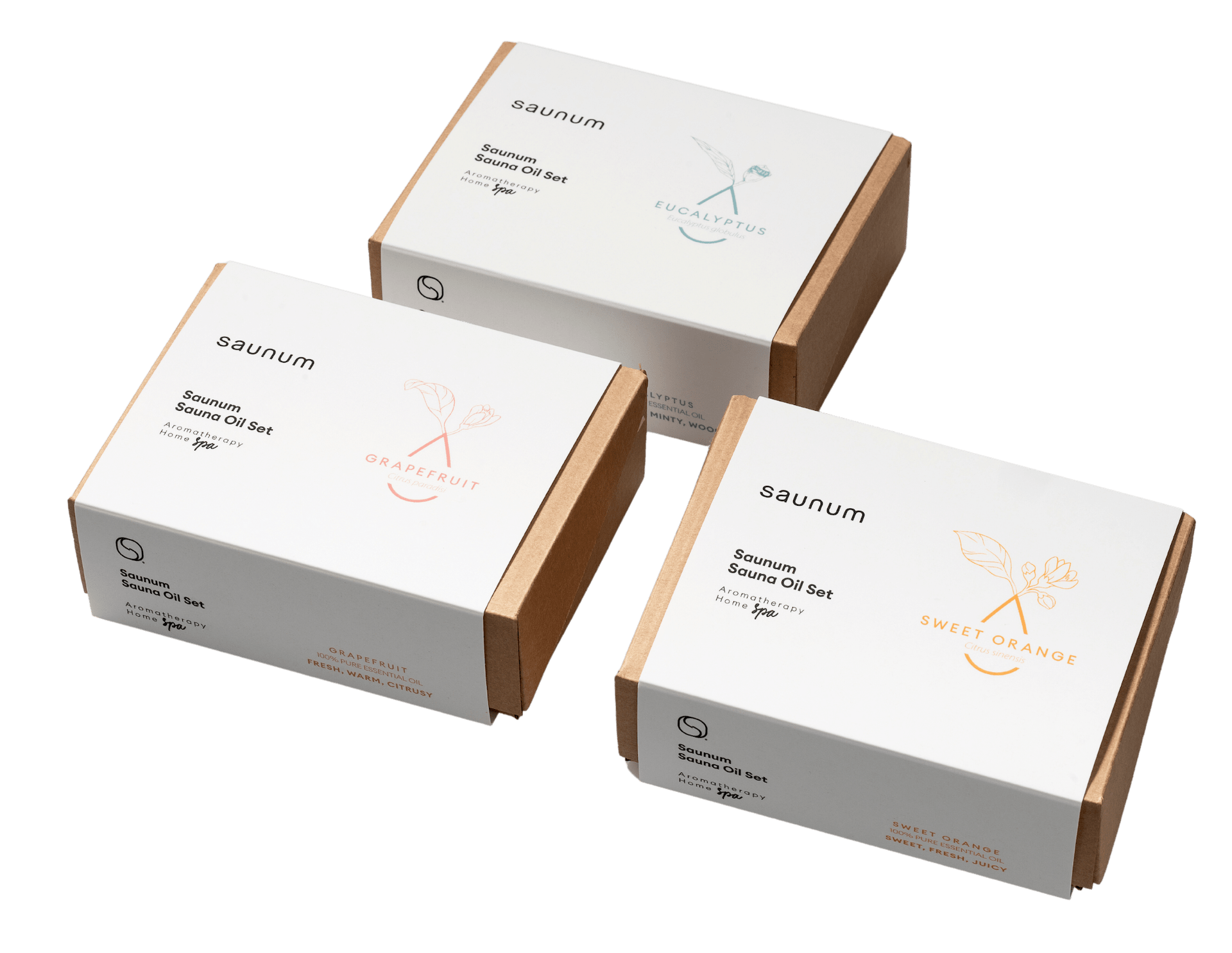
The health angle is worth noting separately. When Himalayan salt spheres are placed inside the climate device, the circulating air carries salt ions throughout the room, reaching both the skin and the respiratory tract. This form of halotherapy is recognized for its potential benefits for certain respiratory conditions. An aromatherapy bowl can replace one salt sphere, mixing essential-oil aromas directly into the steam rather than burning oils on hot stones, which is a much healthier and more effective delivery method.
How does a sauna air blending system compare to a standard electric heater?
A standard electric sauna heater generates heat but does nothing to distribute it. A sauna heater with an integrated air-blending system does both, actively managing the indoor climate rather than simply raising the temperature and hoping the air sorts itself out.
With a conventional electric heater, the sauna experience is entirely dependent on the room’s natural convection. You get heat, but the distribution is passive and uncontrolled. The steam from löyly is short-lived and concentrated near the ceiling. There is no mechanism to enrich the air, control humidity precisely, or deliver wellness benefits such as salt therapy. A sauna climate device changes all of that. The fan system gives you active control over temperature evenness, steam distribution, and humidity, while the modular design of products such as the Saunum Base means you do not necessarily need to replace your existing heater to gain these benefits. The Base unit can be added alongside any existing wood-burning or electric heater as a retrofit, bringing air-blending technology to sauna rooms that are not ready for a full heater upgrade.
What should you look for when choosing a sauna heater with air blending?
When choosing a sauna heater with air blending, the most important factors are correct power sizing for your room volume, adjustable fan speed and vent control, smart control options, and whether the unit is designed for your specific use case—whether that is a home sauna, a boutique public sauna, or a large spa facility.
Power sizing and room volume
Getting the power right is non-negotiable. A heater that is too small for the room will struggle to reach temperature, while an oversized unit wastes energy and creates uncomfortable conditions. Always account for uninsulated surfaces such as glass doors, brick walls, or concrete, which require you to add extra effective volume to your sizing calculation. For example, a 10-cubic-metre room with a glass door should be treated as a larger room for heater-selection purposes.
Control and smart home integration
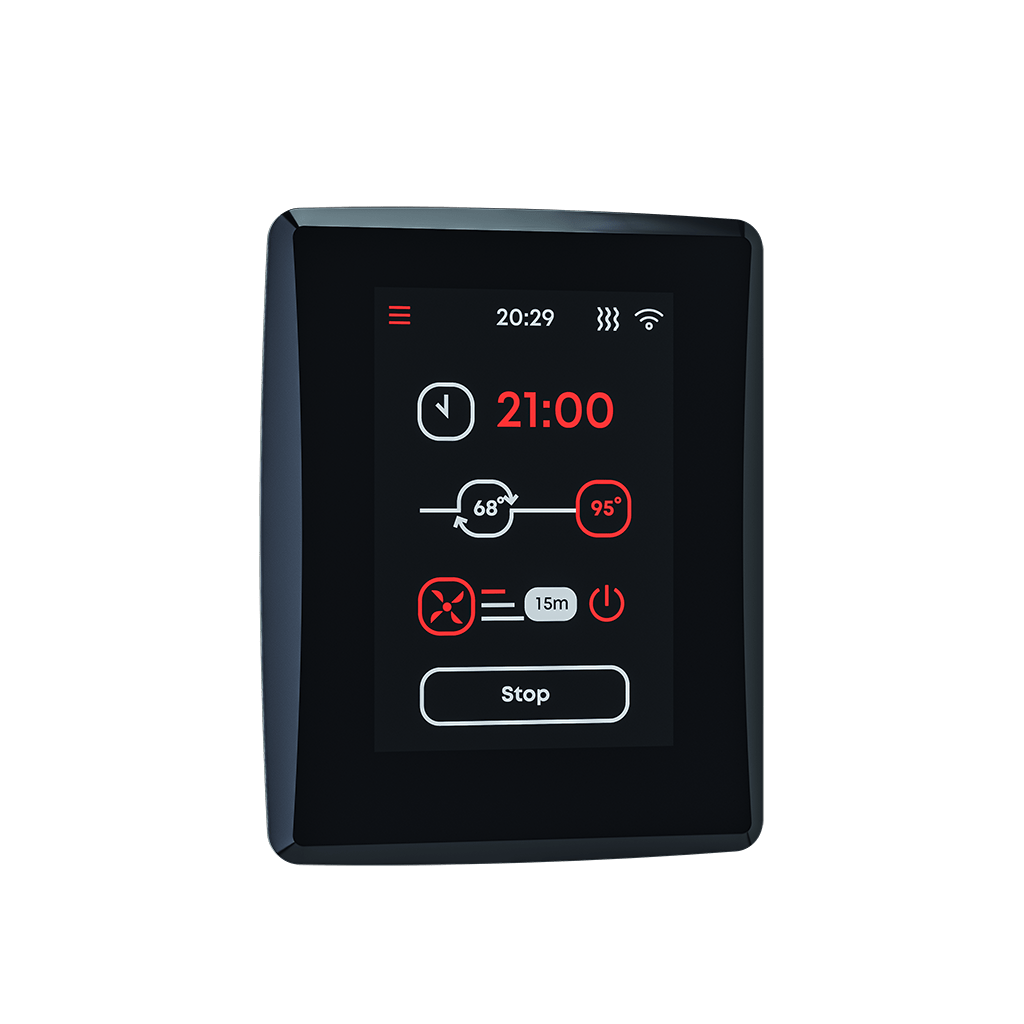
A modern sauna ventilation system should be controllable with precision. Look for a control unit that lets you set temperature, fan speed, and session duration independently and that supports remote control via a smartphone app for convenience. Modbus integration is worth considering if the sauna will be part of a broader smart-home setup. The ability to schedule the sauna to be ready at a specific time is a genuine quality-of-life feature for daily users.
Installation flexibility
For contractors and builders, installation flexibility matters. Check whether the unit supports both wall and corner installation, what the minimum ceiling-height requirements are, and whether the height is adjustable to suit the specific room. Products with adjustable height ranges are significantly easier to fit across different project types without requiring custom modifications.
How Saunum helps with sauna air blending
Saunum builds every product around patented air-blending technology, which means the solution is not an afterthought or an optional add-on in most cases. It is the foundation of the entire product range. Here is how Saunum specifically addresses the challenges covered in this article:
- Integrated climate devices in the Experience, Pro Experience, Luxury, and Spa Session heaters deliver air blending as a standard feature, not an upgrade
- The Saunum Base brings the same air-blending technology to any existing heater as a retrofit, available in wall, recessed, and behind-wall variants
- The Saunum Leil control unit provides full smart control over fan speed, temperature, scheduling, and AutoLeil automatic water dispensing from a touch panel or smartphone app
- Five-in-one sauna modes let you switch between classic Nordic sauna, humid steam sauna, relaxing sauna, salt-ion sauna, and aroma sauna by adjusting temperature, fan speed, and vent position
If you are planning a new sauna build or upgrading an existing one and want guidance on which product fits your room dimensions and use case, Saunum also offers professional installation services that cover everything from electrical connections and heater-stone placement to device setup and usage guidance. Getting the installation right from the start is the best way to ensure the air-blending system performs exactly as it should. Reach out to Saunum to find the right solution for your project and get expert support from specification through commissioning.