



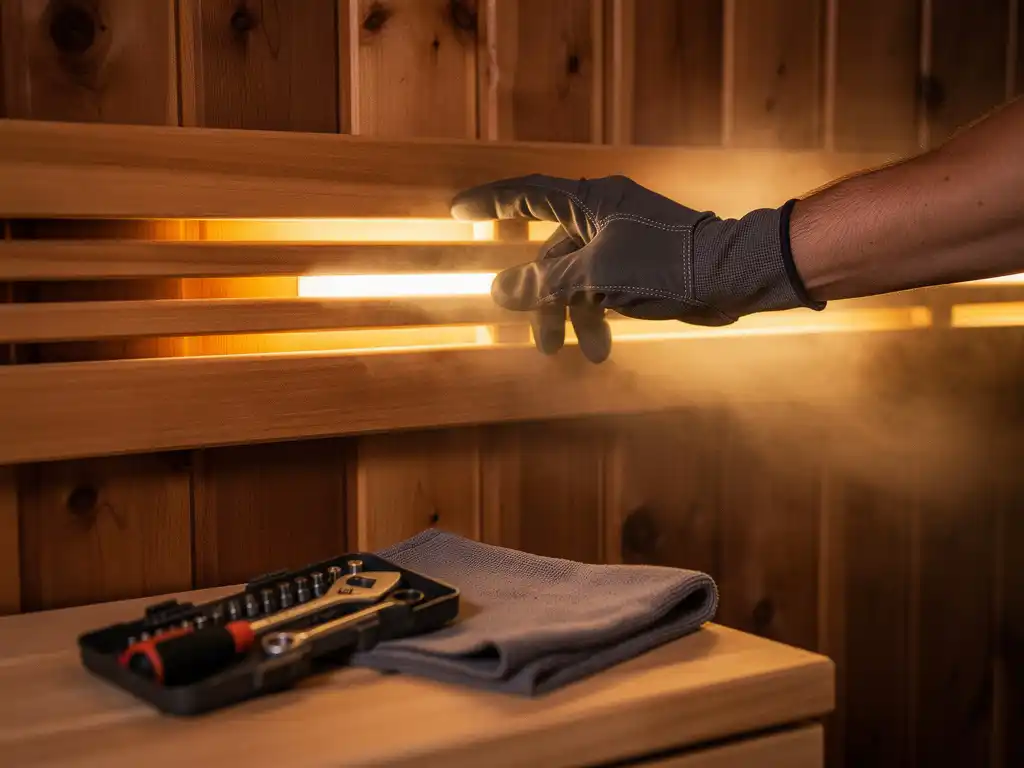
Sauna ventilation is one of those topics that often gets overlooked until something goes wrong. Whether you are building your first home sauna or managing an existing setup, understanding how your ventilation system works—and how to keep it in good shape—makes a real difference to comfort, air quality, and the longevity of your equipment. A well-maintained sauna ventilation system is not just a technicality; it is the foundation of a safe and enjoyable sauna experience.
If you have ever stepped into a sauna that felt stuffy, overly hot near the ceiling, or simply hard to breathe in, poor ventilation is usually the culprit. This guide answers the most common questions sauna owners and builders ask about ventilation maintenance, servicing schedules, and how modern technology, such as an air blending system, can change the equation entirely.
Why does sauna ventilation matter for health and performance?
Sauna ventilation matters because it directly controls air quality, temperature balance, and the safety of everyone inside. Without proper airflow, heat stratifies sharply, oxygen levels drop, steam accumulates near the ceiling, and the experience becomes uncomfortable—or even unsafe. Good ventilation keeps the air breathable, the heat even, and the steam enjoyable.
In a conventional sauna without active air circulation, scorching steam rises and collects near the ceiling while the lower half of the room stays noticeably cooler. This temperature gap can be dramatic, with the air near the ceiling reaching extreme temperatures while the floor level remains well below a comfortable bathing temperature. Beyond comfort, this stratification means the air in the breathing zone is often stale and low in oxygen, making it harder to stay in the sauna for long.
A well-ventilated sauna also performs better as a piece of equipment. When fresh, oxygen-rich air circulates properly, the heater stones stay cleaner, moisture is distributed more evenly, and the entire system runs more efficiently. For DIY builders and contractors, getting ventilation right from the start saves significant remediation work later. You can learn more about the engineering behind this on the technology page.
How often should a sauna ventilation system be serviced?
A sauna ventilation system should be inspected and serviced at least once a year for home saunas used regularly, and every six months for saunas in heavier or commercial use. Annual servicing covers the mechanical components, airflow pathways, and any integrated climate devices, while more frequent checks focus on filters, fan function, and vent condition.
The exact frequency depends on how often the sauna is used, the local environment, and the type of system installed. A home sauna used two or three times a week has different wear patterns than a boutique spa sauna running daily sessions. Dust, mineral deposits from water ladling, and general humidity-related wear all accumulate at different rates depending on usage intensity.
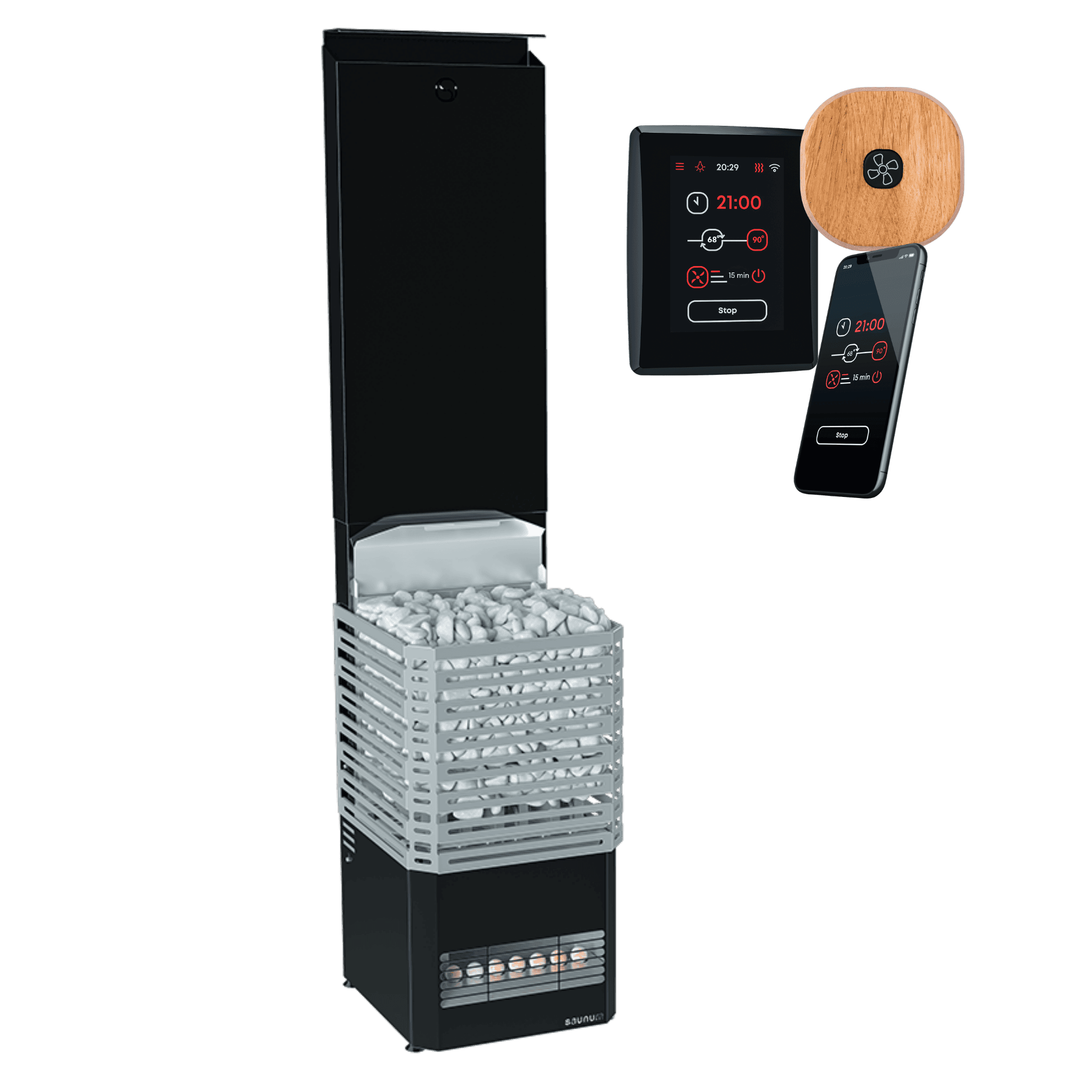
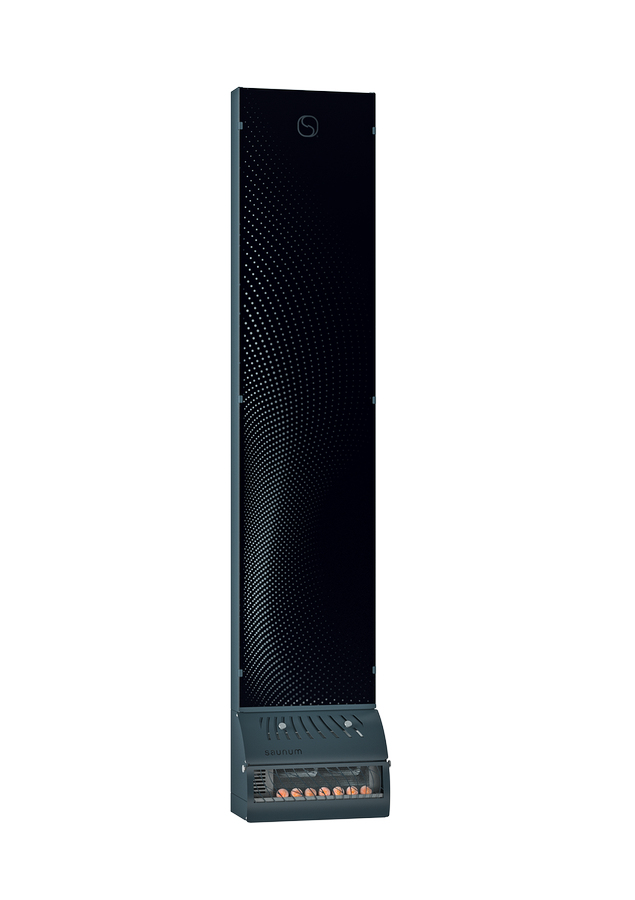
For saunas with an integrated sauna indoor climate device, such as those built into Saunum heaters, it is worth checking the fan unit and air intake areas every few months as part of routine care, even if a full professional service is only done annually. Catching a minor blockage or buildup early prevents it from affecting performance or causing a more significant issue down the line.
What does a sauna ventilation service actually include?
A sauna ventilation service typically includes inspecting and cleaning air intake and exhaust vents, checking fan motor function and speed, clearing any debris or mineral buildup from airflow pathways, testing vent valve operation, and verifying that the overall air circulation pattern is working as intended. Electrical connections to the climate device are also checked for safety.
Mechanical and airflow checks
The physical components of the ventilation system need to be free of obstructions and operating at their designed capacity. This means cleaning vent grilles, checking that duct openings are not blocked by insulation or debris, and confirming that the fan blades are clean and balanced. A fan running with buildup on its blades loses efficiency and puts unnecessary strain on the motor.
Climate device and integration checks
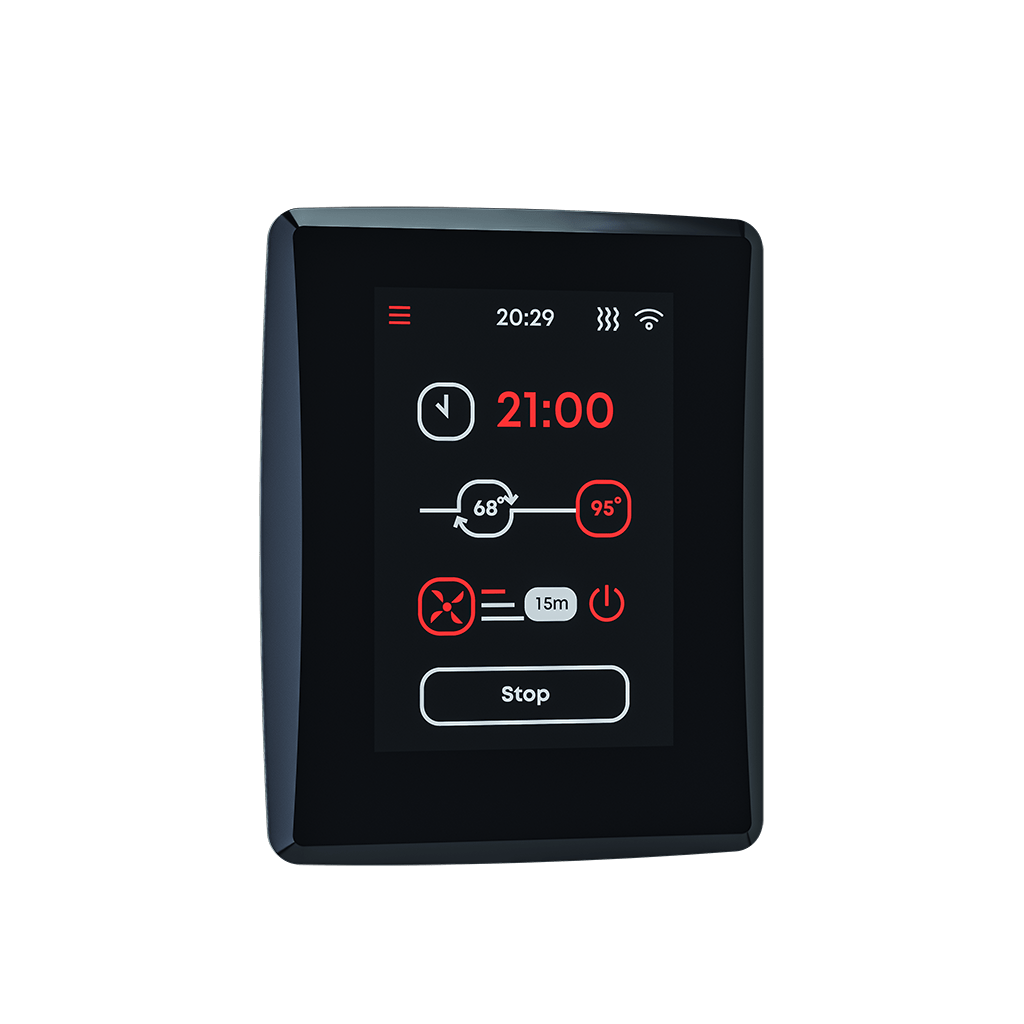
For saunas with an integrated climate device, the service should also cover the fan speeds, the vent valve positions, and how well the device mixes air throughout the room. If the system uses a smart controller, checking that temperature sensors are reading accurately is an important part of the process. Inaccurate sensor readings can cause the system to run inefficiently or overheat.
What are the signs that a sauna ventilation system needs attention?
The clearest signs that a sauna ventilation system needs attention include uneven heat distribution from floor to ceiling, a stuffy or hard-to-breathe atmosphere inside the sauna, visible moisture or condensation in unexpected areas, unusual noise from the fan or climate device, and a noticeably longer time to reach the target temperature.
Temperature stratification is one of the most telling indicators. If the air near the ceiling feels significantly hotter than the benches, or if the lower bench area stays cool while the upper bench is uncomfortably intense, the ventilation and air circulation are not doing their job. This kind of imbalance points to either a blocked airflow path or a failing fan component.
Musty smells or persistent dampness after the sauna has cooled down can also signal that air is not moving and drying the space properly after sessions. Left unaddressed, this creates conditions for mould growth in the wooden structure, which is both a health concern and a serious maintenance problem. Any unusual mechanical sounds from the fan are worth investigating promptly, as they often precede a more significant failure.
How does an air circulation system reduce maintenance needs?
An active air circulation system reduces maintenance needs by keeping air moving continuously during sessions, which prevents moisture from settling in one area, reduces the buildup of mineral deposits from steam, and keeps the fan and heater components operating within a more stable temperature range. Consistent airflow is simply gentler on the entire system.
The air blending system at the core of Saunum’s approach captures hot steam that would otherwise sit stagnant near the ceiling and mixes it with cooler, oxygen-rich air from the lower part of the room. This continuous movement means the sauna environment stays balanced throughout every session rather than swinging between extremes. From a maintenance perspective, components that operate in a stable, balanced environment experience less thermal stress and last longer.
There is also a practical benefit for the heater stones. When steam is distributed evenly rather than blasting upward in concentrated bursts, thermal shock to the stones and heating elements is reduced. This contributes to longer stone life and less wear on the heating elements themselves, reducing how often those components need to be replaced or inspected. Browse the full range of Saunum heaters and climate devices to find a solution suited to your setup.
What maintenance tasks can sauna owners do themselves?
Sauna owners can handle several maintenance tasks themselves without specialist tools or training. These include cleaning vent grilles and air intake covers, checking that the vent valve opens and closes correctly, wiping down the exterior of the climate device, replacing or cleaning sauna stones when they show signs of crumbling, and doing a quick visual check of electrical connections for any obvious signs of wear.
- Clean vent grilles and fan intake covers every one to two months during regular use
- Check the vent valve position and movement before and after each season
- Inspect heater stones every six months and replace any that are cracked or crumbling
- Wipe down the climate device exterior and check for any unusual sounds during operation
Sauna owners should leave any work involving electrical components, motor replacement, or structural changes to the ventilation ducting to professionals. Electrical safety in a high-humidity environment is not something to approach without the right qualifications. If you notice anything unusual on the electrical side of the system, it is worth calling in a professional rather than investigating it yourself.
How Saunum helps with sauna ventilation and climate control
Saunum addresses the core ventilation and air quality challenges in sauna design through a patented air blending system that is built directly into every heater and climate device we make. Rather than treating ventilation as a separate afterthought, we integrate active air circulation into the heater itself, so the system works as a single, coordinated unit from the moment it is installed.
Here is how Saunum’s approach makes a practical difference for sauna builders and owners:
- The patented air blending system captures hot steam near the ceiling and mixes it with cooler, oxygen-rich air from the floor, eliminating the extreme temperature stratification that makes conventional saunas uncomfortable
- The Saunum Leil smart controller monitors real-time sauna data and optimizes heating cycles, reducing energy consumption and wear on components
- Himalayan salt spheres circulate salt ions through the air during every session, adding a wellness dimension without any additional maintenance complexity
We also offer professional installation services for all Saunum products, covering everything from transporting the equipment to the site and making electrical connections to laying heater stones and walking you through how to use the system correctly. Getting the installation right from the start is the single biggest factor in reducing long-term maintenance needs.
If you are planning a new sauna build or upgrading an existing setup, Saunum is ready to help you choose the right heater for your space, walk you through the technical specifications, and connect you with installation support. Reach out via our contact us page to get started.