


Yes, you can get real löyly from an electric sauna heater. The quality of löyly depends far less on the heat source and far more on the stone mass, steam distribution, and air dynamics inside the sauna room. Modern electric heaters, especially those with advanced air circulation technology, can produce löyly that rivals a wood-fired experience for most home sauna and indoor sauna users.
The biggest gap between electric and wood-fired löyly has traditionally come down to heat consistency and steam softness. Today, that gap is narrowing fast. This article walks through exactly how each heater type produces löyly, where the real differences lie, and what technology can close the distance.
What makes löyly feel authentic in a sauna?
Authentic löyly is the sensation of soft, enveloping steam that rises when water hits hot sauna stones. It feels breathable rather than suffocating, spreads evenly through the room, and produces a gentle wave of heat that warms the skin without burning the airways. The key ingredients are sufficient stone mass, consistent high heat, and well-distributed steam throughout the sauna space.
Beyond the stones themselves, the quality of löyly is shaped by how air moves inside the room. In a poorly ventilated sauna, scorching steam collects near the ceiling while the lower bench stays cool. This uneven layering makes the air feel harsh and difficult to breathe. When steam and air mix evenly from floor to ceiling, the result is a softer, more comfortable heat that many sauna enthusiasts describe as the hallmark of a truly authentic experience.
Stone quality matters too. Larger, denser stones retain heat longer and release steam more gradually, producing a gentler löyly. Smaller or lower-quality stones release heat in a sharp burst that dissipates quickly, which can feel aggressive rather than restorative.
How does a wood-fired sauna heater produce löyly?
A wood-fired sauna heater produces löyly by burning wood to heat a large mass of stones stacked above or around the firebox. The combustion process generates radiant heat that penetrates the stones deeply and evenly over a long heating period, typically one to two hours. When water is thrown onto those thoroughly heated stones, it flash-vaporizes into a dense, rolling cloud of steam.
Wood fire also introduces a unique sensory dimension. The smell of burning birch or pine, the crackling sound, and the slight humidity that combustion naturally adds to the air all contribute to what many sauna traditionalists consider the gold standard of löyly. The heat from a wood-fired stove tends to feel softer and more radiant because the stones reach very high temperatures gradually, storing enormous thermal energy before the first ladle of water is thrown.
The practical trade-off is significant. Wood-fired heaters require a chimney, a supply of dry firewood, regular ash removal, and more planning. They are less suited to spontaneous sessions and are rarely practical for an indoor sauna in a modern home or apartment.
How does an electric sauna heater produce löyly?
An electric sauna heater produces löyly by passing electrical current through heating elements that warm a bed of sauna stones. The stones reach operating temperature in 30 to 60 minutes depending on the heater’s power output and the room size. When water is poured over the heated stones, it vaporizes instantly into steam, just as it does with a wood-fired stove.
The core mechanism of löyly production is identical between the two heater types. The difference lies in how the heat is generated and how consistently the stones hold temperature. Electric heaters maintain a precise, controllable temperature throughout the session because the heating elements cycle on and off automatically. This consistency is actually an advantage for home sauna users who want reliable, repeatable results without managing a fire.
Modern electric heaters also support a generous stone load, which directly improves löyly quality. A heater with a large stone capacity stores more thermal energy, so each ladle of water produces a fuller, longer-lasting cloud of steam rather than a thin burst that fades in seconds.
What’s the difference between electric and wood-fired löyly?
The key distinction is in the character of the heat and the sensory environment, not in the fundamental steam chemistry. Wood-fired löyly tends to feel slightly softer and more radiant because the stones heat slowly to very high temperatures and retain that energy deeply. Electric löyly is more consistent and controllable but can feel sharper if the heater lacks sufficient stone mass or if air circulation is poor.
In practical terms, the differences come down to a few specific factors:
- Stone temperature depth: Wood fire heats stones more deeply over a longer period, which can produce a more sustained steam release per ladle.
- Air humidity: Combustion adds a small amount of natural moisture to the air, which some bathers notice as a slightly softer atmosphere.
- Heat consistency: Electric heaters maintain a steady temperature automatically, while wood-fired stoves require active management to stay in the ideal range.
- Practicality: Electric heaters are far easier to install in a home sauna or indoor sauna, require no chimney, and can be started with a single button press.
For most home sauna users, the practical advantages of electric heating outweigh the subtle sensory differences. And as air circulation technology improves, the experiential gap continues to close.
Can air circulation technology improve electric löyly quality?
Yes, air circulation technology can significantly improve the quality of electric löyly by solving the single biggest weakness of a conventional electric heater: uneven heat distribution. In a standard sauna, the hottest steam rises and pools near the ceiling while cooler, denser air stays near the floor. This creates a harsh, stratified environment where the top bench feels scorching and the lower bench feels lukewarm.
When a heater actively captures that superheated ceiling air, blends it with the cooler floor-level air, and redistributes the mixed steam evenly throughout the room, the entire sauna environment transforms. The temperature from floor to ceiling becomes far more consistent, and the steam feels softer and more breathable because it is no longer concentrated in a single scorching layer above the bathers’ heads.
This approach also increases the oxygen content at bench height, which is a meaningful benefit for anyone who has ever felt lightheaded or short of breath during a high-heat session. By constantly refreshing the air at the level where bathers actually sit, circulation technology makes longer, more comfortable sessions possible in a home sauna or indoor sauna steam room setting.
How air circulation works in practice
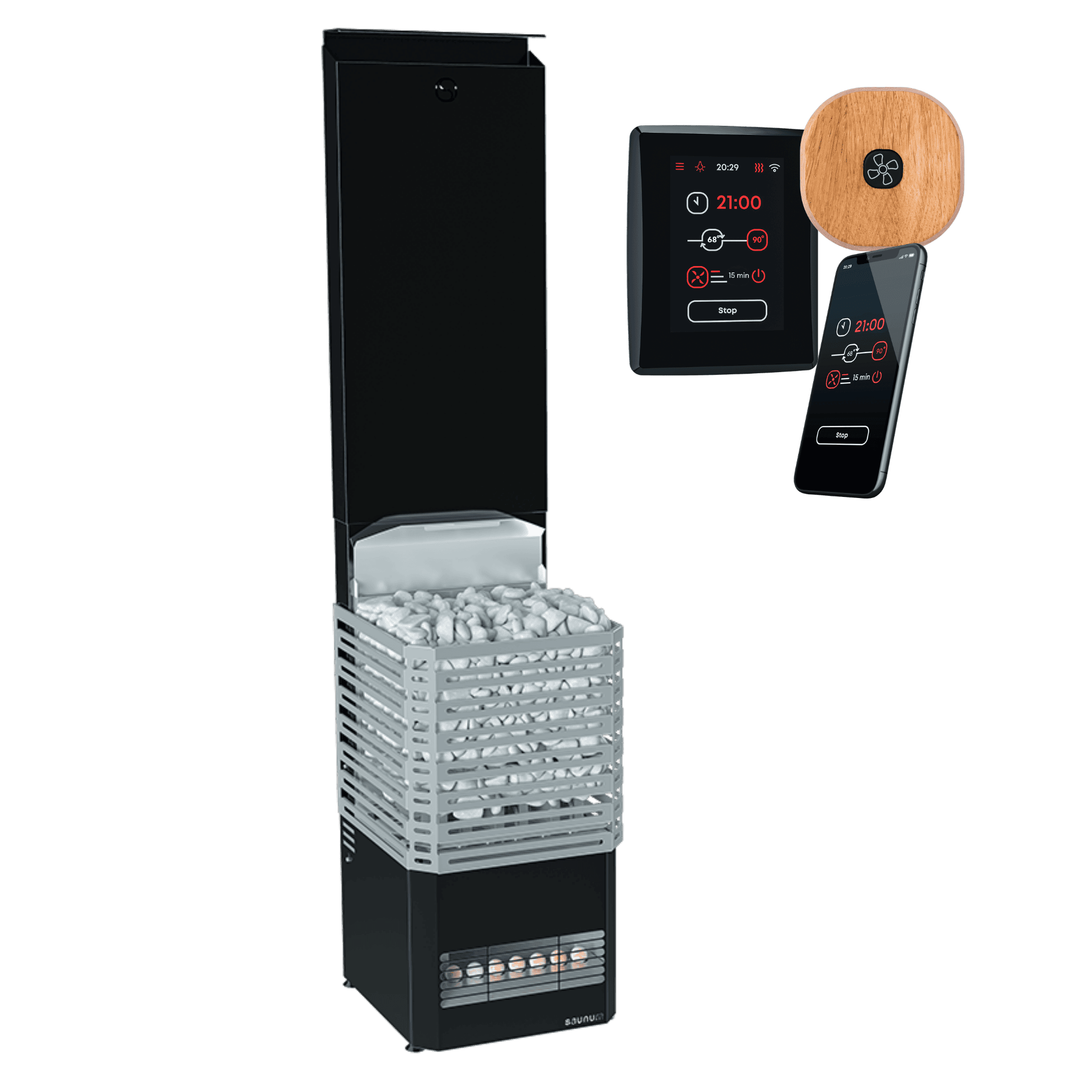
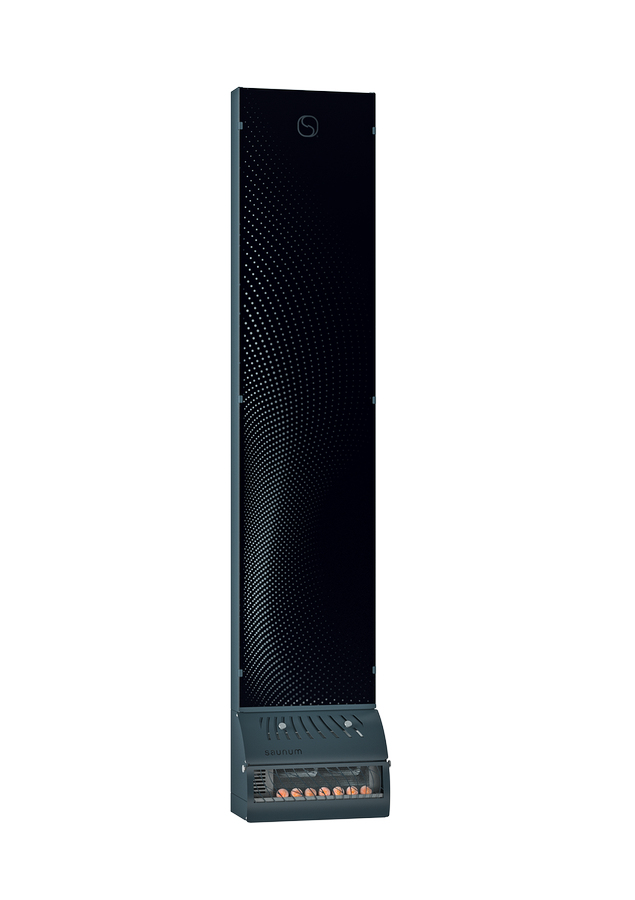
Some electric sauna heaters, including those made by Saunum, are built around active air circulation systems that directly address the limitations described above. Rather than simply heating stones and leaving steam distribution to chance, these heaters manage the sauna’s air environment throughout the entire session.
Here is what that means in practice:
- Active air mixing: The system captures scorching steam from the ceiling, blends it with cooler floor-level air, and redirects soft löyly evenly back into the room.
- Multiple sauna modes: A single heater can support different sauna styles, including classic Finnish, steam, relaxation, salt-ionized, and aroma sauna, giving users control over their experience.
- Salt ionization: Some units incorporate Himalayan salt elements that release salt ions into the circulating air, adding a therapeutic dimension to each session.
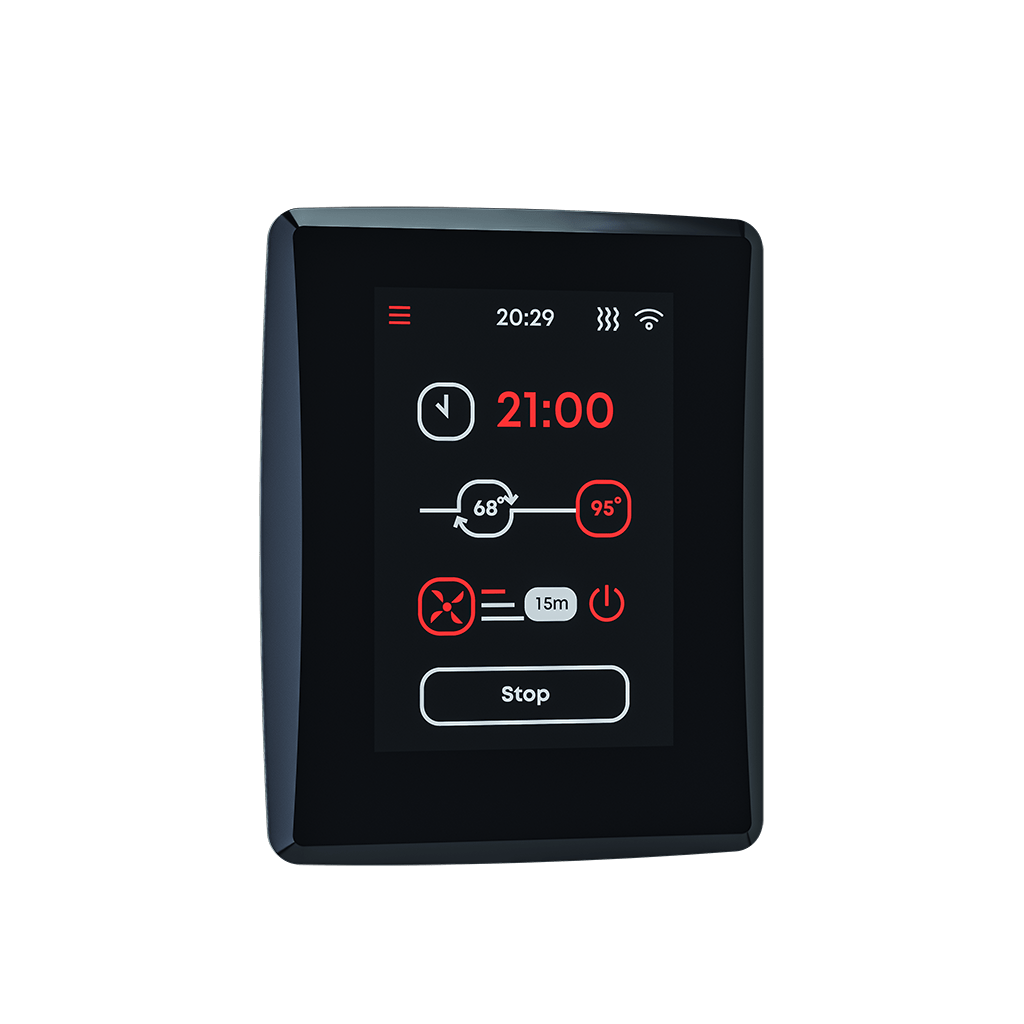
- Smart control: App-based controls allow users to pre-heat the sauna, adjust fan speed, and switch modes remotely from a smartphone.
The result is a home sauna environment where the löyly feels genuinely soft, the air stays breathable even at high temperatures, and each session is consistent and easy to manage.
Should you choose an electric or wood-fired heater for better löyly?
For most home sauna and indoor sauna owners, an electric heater is the better practical choice, and with the right technology, it delivers löyly quality that is genuinely comparable to wood-fired. Wood-fired heaters remain the preferred option for outdoor saunas, traditional smoke saunas, or situations where the ritual of building and tending a fire is part of the experience itself.
Choose a wood-fired heater if you have an outdoor sauna with a proper chimney, you value the sensory ritual of fire, and you are willing to invest the time in preparation and maintenance. Choose an electric heater if you want a home sauna or indoor sauna that is convenient, controllable, and capable of producing excellent löyly on demand without the logistical demands of firewood and ash management.
The most important factor in either case is not the heat source but the heater’s stone capacity, the room’s air dynamics, and how well the steam is distributed. A well-engineered electric sauna heater with active air circulation will outperform a poorly designed wood-fired stove in every meaningful measure of löyly quality. For home sauna enthusiasts looking to close the gap with traditional wood-fired heating, Saunum’s patented air circulation technology is one of the most effective solutions available today, combining smart controls, multiple sauna modes, and consistent steam distribution in a single unit. Contact Saunum to find the right heater for your sauna.