


A higher stone capacity electric sauna heater does not automatically produce better steam. What matters more is how well the heater manages heat distribution, how the stones are loaded, and whether the sauna room size matches the heater’s output. Stone capacity is one factor among several that together determine steam quality.
Understanding the relationship between stone mass, heater design, and air movement helps you make a smarter choice for your home sauna or indoor sauna steam room. The sections below walk through each of the key questions buyers ask before choosing a heater.
Does more stone mass actually mean more steam?
More stone mass stores more heat, which means the heater can absorb repeated water throws without cooling down too quickly. However, more stone mass does not directly mean more steam. Steam quality depends on how evenly the stones are heated, how water contacts them, and how the resulting vapor moves through the room.
A heater packed with a large volume of stones that are unevenly heated will produce inconsistent steam bursts. Some throws will generate a satisfying rush of vapor, while others will land on cooler stones and produce weak, wet steam. The distribution of heat across the stone bed matters far more than the total weight of stones loaded into the heater.
For most home sauna users, a mid-range stone capacity matched correctly to the room size will outperform an oversized heater running below its optimal load. Bigger is not always better when it comes to sauna steam rooms.
What role do sauna stones actually play in steam quality?
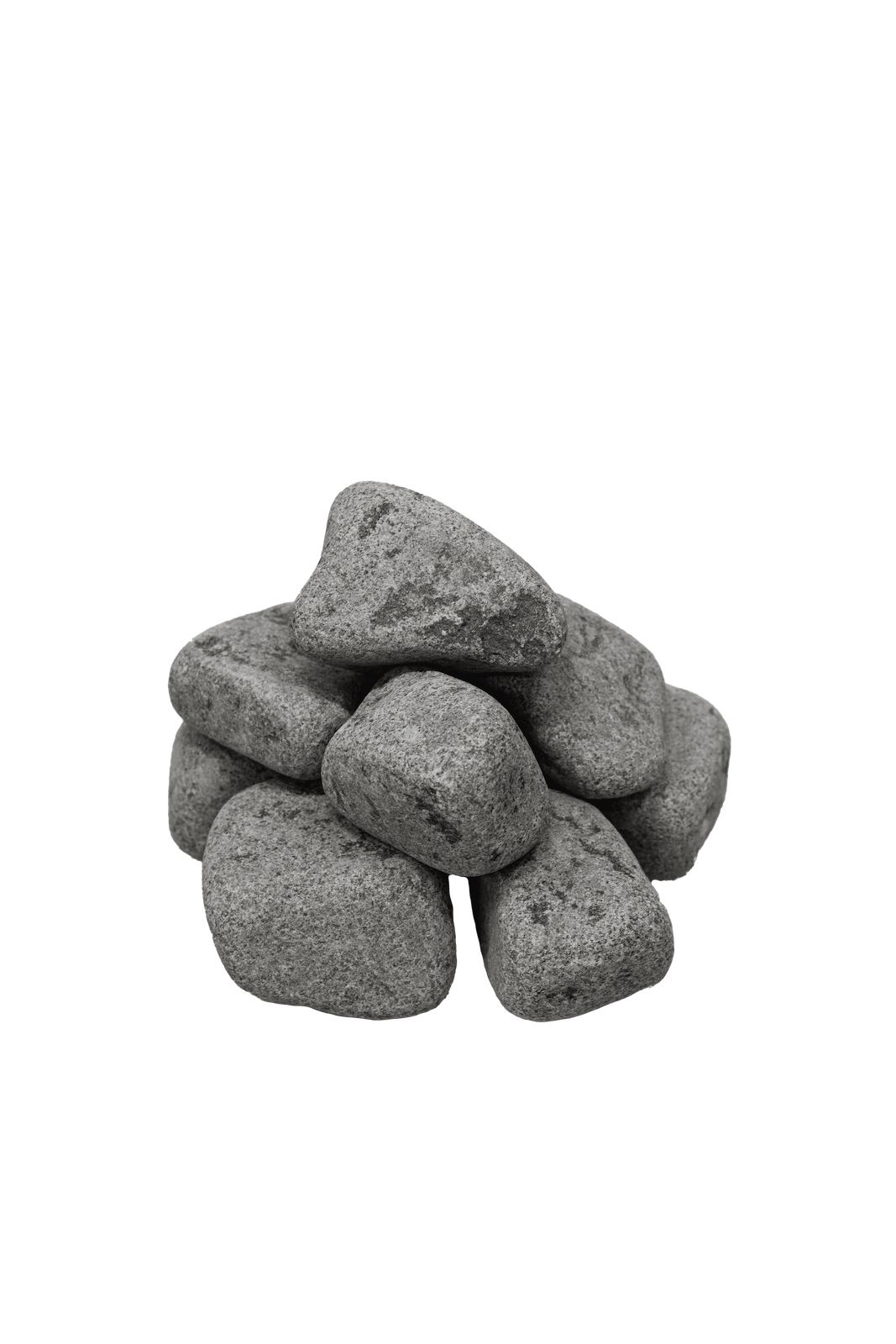
Sauna stones act as a thermal battery. They absorb heat from the heating elements over time and release it rapidly when water is thrown onto them, converting liquid water into steam almost instantly. The density, porosity, and surface area of the stones all influence how smoothly and consistently that conversion happens.
Dense, non-porous stones like olivine diabase or peridotite hold heat well and resist cracking under repeated thermal shock. Porous or low-density stones absorb water rather than vaporizing it, producing a heavy, wet steam that can feel harsh and suffocating rather than soft and breathable.
Stone placement also plays a role. Stones packed too tightly restrict airflow around the heating elements, reducing efficiency. Stones placed too loosely allow heat to escape before it can be stored effectively. Following the manufacturer’s loading instructions for your specific electric sauna heater ensures the stones perform as intended.
How does sauna size affect the right stone capacity?
Sauna size is the primary factor in determining the correct stone capacity for an electric heater. As a general rule, heater output and stone load should be matched to the cubic volume of the sauna room. An undersized heater will struggle to reach temperature, while an oversized heater will cycle inefficiently and produce uneven heat.
Most heater manufacturers provide a recommended room volume range for each model. For a standard home sauna or indoor sauna, this calculation accounts for ceiling height, insulation quality, and whether the room has a glass door or large window that increases heat loss. A well-insulated sauna with a low ceiling needs less heater capacity than a larger, less insulated room of the same floor area.
When in doubt, it is better to choose a heater at the upper end of the recommended range for your room size. This gives you headroom for colder climates, older insulation, or the occasional longer session without pushing the heater to its limits.
What’s the difference between a high-capacity and a low-capacity sauna heater?
The key difference between a high-capacity and a low-capacity sauna heater is the amount of thermal energy they can store and release. High-capacity heaters carry more stones, take longer to reach full temperature, and sustain heat through many consecutive water throws. Low-capacity heaters heat up faster but cool down more quickly under heavy use.
For a private home sauna used by one or two people for a single session, a lower-capacity heater is often the more practical and energy-efficient choice. For a sauna steam room used by multiple bathers in sequence, or for commercial settings, a higher-capacity heater maintains consistent performance across longer periods of use.
The trade-off is not just performance but also warm-up time and running cost. A larger stone load takes more energy to heat. If your sauna sessions are short and infrequent, a high-capacity heater may spend most of its energy simply reaching operating temperature rather than delivering a better experience.
Why does air circulation matter as much as stone capacity?
Air circulation determines where steam goes after it leaves the stones. Without active circulation, hot steam rises to the ceiling and stays there, creating a sharp temperature gradient where the air near the ceiling is scorching while the air at bench level is noticeably cooler. This uneven distribution reduces comfort and makes breathing harder, regardless of how good the stones are.
In a sauna with poor air movement, bathers at bench height are not getting the full benefit of the steam the heater produces. The heat is present in the room, but it is concentrated in the wrong place. This is why two saunas with identical heaters and stone loads can feel completely different depending on how air moves through the space.
Effective air circulation softens the steam, distributes heat evenly from floor to ceiling, and increases oxygen availability at bench height. This makes sessions feel more comfortable and allows bathers to stay in longer without the suffocating sensation that poorly ventilated saunas can produce. For anyone building or upgrading a home sauna, air management is not an optional extra. It is central to the quality of the experience.
Which electric sauna heater features should you prioritize?
When choosing an electric sauna heater, prioritize the match between heater output and room volume first, then consider stone quality, air circulation design, and smart control options. These four factors have a greater combined impact on your sauna experience than any single specification like maximum stone capacity.
A useful checklist when comparing heaters:
- Room volume compatibility: confirm the heater’s recommended range covers your sauna’s cubic volume.
- Stone type and loading guidance: look for heaters that specify compatible stone types and provide clear loading instructions.
- Air circulation system: check whether the heater actively manages airflow or relies entirely on passive convection.
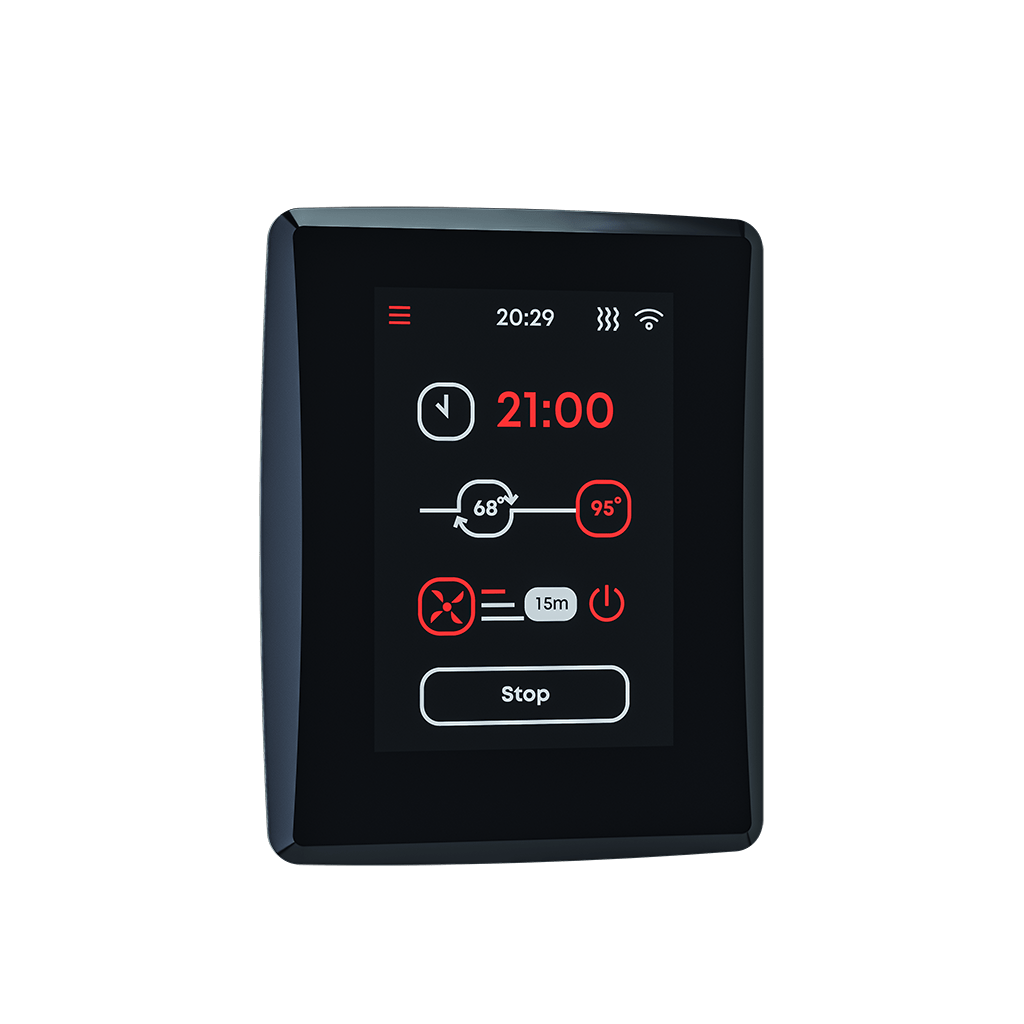
- Control options: smart controls and app connectivity add genuine convenience, especially for home sauna users who want to pre-heat remotely.
Beyond these core factors, consider the heater’s build quality, warranty terms, and the manufacturer’s track record. An electric sauna heater is a long-term investment, and the difference between a well-engineered product and a budget alternative becomes clear over years of regular use. Focusing on the features that directly affect comfort and performance will serve you far better than chasing the highest stone capacity number on a spec sheet.
How Saunum approaches electric sauna heater design
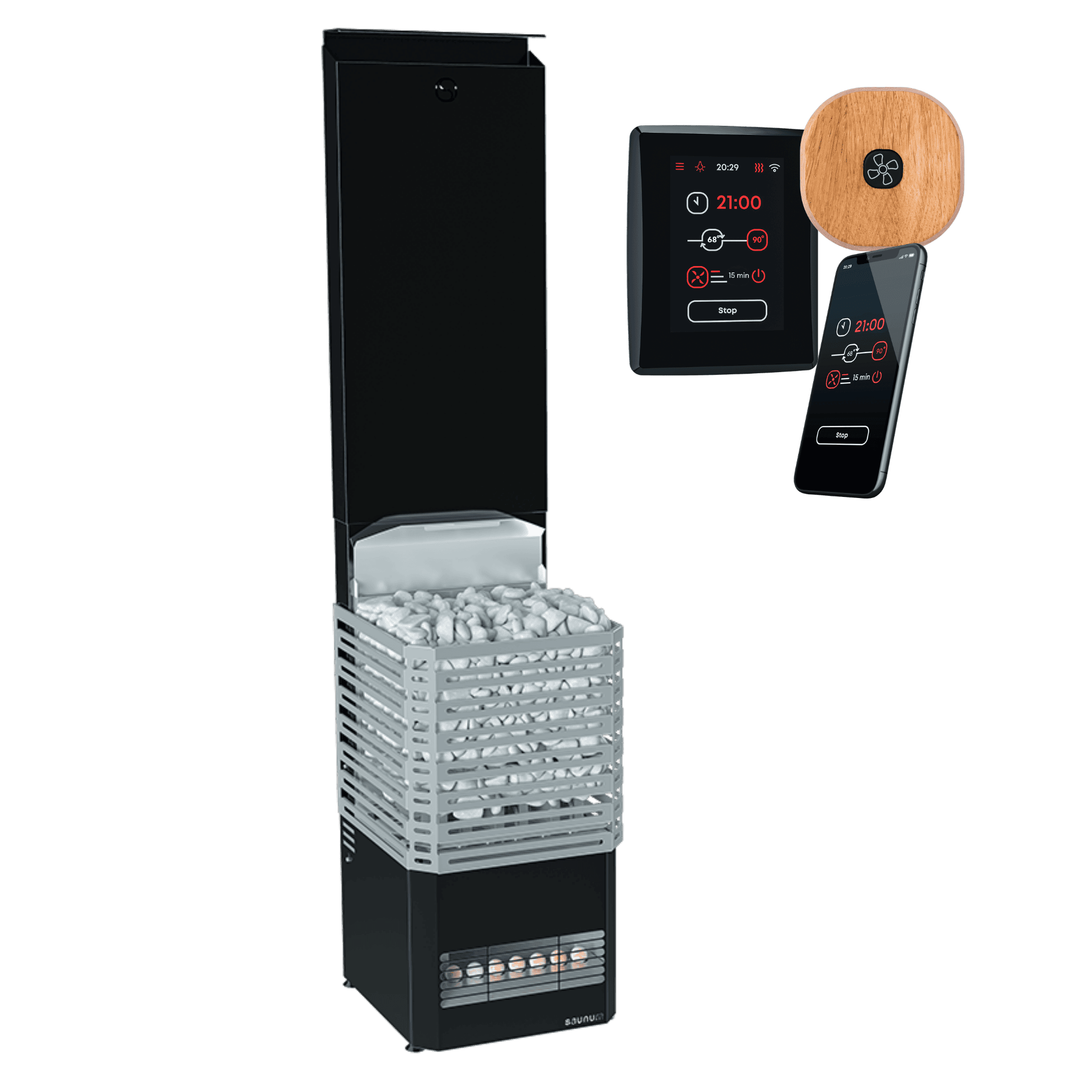
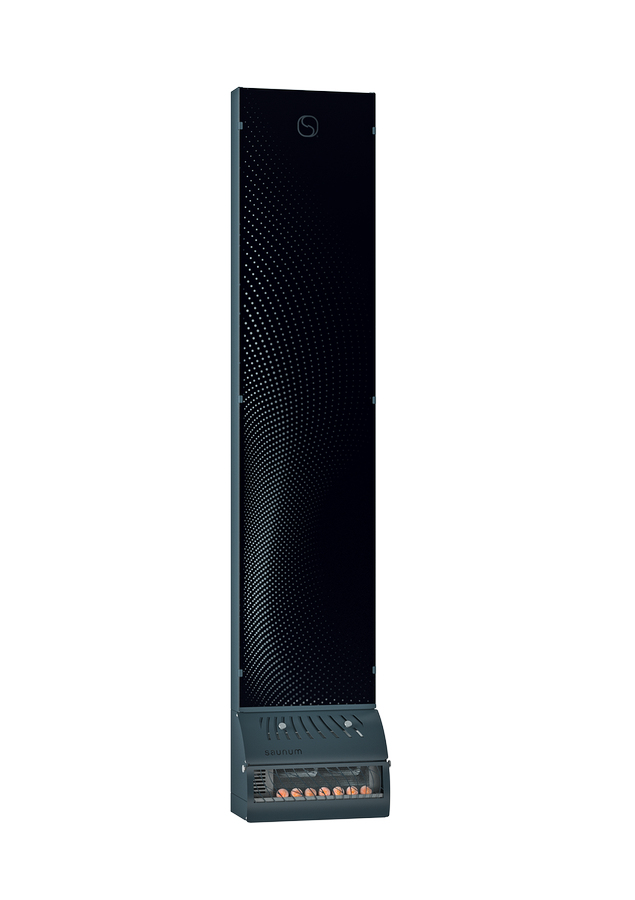
Saunum’s electric sauna heaters are built around a patented air circulation system that directly addresses the limitations described above. Rather than relying on stone capacity alone, their heaters actively manage the air in the room to deliver consistent, breathable steam throughout every session. Key features include an air mixing system that draws hot steam from the ceiling and redirects it back into the room at bench height, support for multiple sauna modes including Finnish, salt, and aroma sauna, and smart app control for remote pre-heating and fan speed adjustment. Whether you are building a new indoor sauna or upgrading an existing setup, Saunum offers a compelling option worth considering. Explore their electric sauna heaters to find the right model for your space, or get in touch with them for guidance on choosing the best fit for your sauna.