




Heat acclimation is the process by which the body adapts to repeated heat exposure, becoming more efficient at regulating temperature, managing sweat, and maintaining cardiovascular stability. Yes, regular sauna use can trigger meaningful heat acclimation – the controlled, consistent heat environment a sauna provides closely mimics the physiological stress that drives adaptation. Below, we unpack the key questions around sauna heat acclimation so you know exactly what to expect.
How does the body adapt to repeated heat exposure?
When the body is exposed to heat repeatedly, it undergoes a series of physiological changes designed to manage thermal stress more efficiently. These adaptations include earlier and more abundant sweating, increased plasma volume, a lower resting core temperature, and a reduced heart rate during heat stress. Together, these changes allow the body to cool itself faster and sustain performance longer in warm conditions.
The underlying mechanism is relatively straightforward. Each heat session acts as a mild stressor that signals the body to prepare better for the next one. Over time, sweat glands become more responsive, blood is distributed to the skin more effectively, and the cardiovascular system works less hard to maintain stable output. This is why athletes and wellness enthusiasts alike have long used deliberate heat exposure as a training tool – the body genuinely becomes more resilient with each session.
Can regular sauna sessions trigger heat acclimation?
Yes, regular sauna sessions can trigger heat acclimation. Research in exercise physiology consistently shows that passive heat exposure – sitting in a sauna without physical exertion – produces many of the same physiological adaptations as exercising in the heat. The body responds to thermal load regardless of whether that load comes from running in the sun or sitting in a well-heated sauna room.
The key is consistency and sufficient heat intensity. A sauna that maintains a stable, elevated temperature throughout the room creates the sustained thermal challenge the body needs to adapt. This is where sauna design matters: uneven heat distribution, where the air near the ceiling is scorching but the lower body stays cool, reduces the total thermal stimulus and limits adaptation. A more uniform heat environment means the whole body is challenged, which drives more complete physiological change.
How many sauna sessions does it take to see results?
Most people begin to notice measurable heat acclimation benefits after roughly 5 to 10 sessions spread over one to two weeks, with sessions lasting between 15 and 30 minutes. The early adaptations – increased sweat rate and reduced perceived effort in the heat – tend to appear first. Deeper cardiovascular and plasma volume changes typically develop over two to four weeks of consistent use.
Frequency matters as much as duration. Daily or near-daily sessions produce faster adaptation than once-a-week visits. That said, the body also needs time to recover, so spacing sessions by at least a day allows the adaptive signals to consolidate without overloading the system. Starting with shorter sessions and gradually extending duration is a practical approach, especially for those new to regular sauna training.
What’s the difference between dry sauna and steam sauna for heat adaptation?
Both dry saunas and steam saunas can drive heat acclimation, but they do so through slightly different mechanisms. The key distinction is humidity: dry saunas operate at low humidity with high air temperatures, while steam saunas introduce moisture that raises the perceived heat and limits the body’s ability to cool through evaporation.
In a dry sauna, sweat evaporates quickly, which can make the heat feel more manageable even at high temperatures. This allows longer sessions and a strong cardiovascular stimulus. In a steam environment, the humid air slows evaporative cooling, meaning the body works harder to regulate temperature at a lower absolute temperature. For heat acclimation specifically, both formats are effective – the choice often comes down to personal comfort and respiratory preference. Many users find that a sauna with breathable, evenly distributed steam is easier to tolerate for longer periods, which supports more consistent session habits over time.
Who benefits most from sauna-based heat acclimation?
Sauna-based heat acclimation offers the greatest benefits to endurance athletes preparing for competition in warm climates, people with sedentary lifestyles looking to improve cardiovascular resilience, and individuals managing conditions linked to poor circulation or metabolic health. Those who live in cooler climates but need to perform or travel in heat also gain a practical advantage from pre-acclimating with regular sauna use.
Beyond athletic performance, heat adaptation has broader wellness relevance. People who struggle with fatigue in warm weather, those recovering from illness, and individuals seeking more intense sweating for detoxification purposes all stand to benefit. The key is that sauna heat acclimation is not reserved for elite athletes – it is accessible to anyone who can safely tolerate regular heat sessions and is willing to build the habit consistently.
Are there risks to using sauna for heat acclimation?
Sauna use for heat acclimation carries real but manageable risks. The most common concerns are dehydration, overheating, and cardiovascular strain – all of which are amplified when sessions are too long, temperatures are too high, or the user enters the sauna already fatigued or dehydrated.
To use sauna safely for heat adaptation, keep these principles in mind:
- Hydrate well before and after each session, and avoid alcohol beforehand
- Start with shorter sessions of 10 to 15 minutes and increase duration gradually
- Exit immediately if you feel dizzy, nauseous, or unusually short of breath
- Avoid sauna use if you have uncontrolled hypertension, a recent cardiac event, or are pregnant
People with respiratory conditions should pay particular attention to air quality inside the sauna. Harsh, superheated air concentrated near the ceiling can make breathing uncomfortable and discourage the longer sessions needed for adaptation. A sauna environment where the air is evenly mixed and the steam is soft and breathable tends to be significantly easier on the airways, making it more practical to build a consistent heat acclimation routine.
How Saunum’s electric sauna heaters support heat acclimation
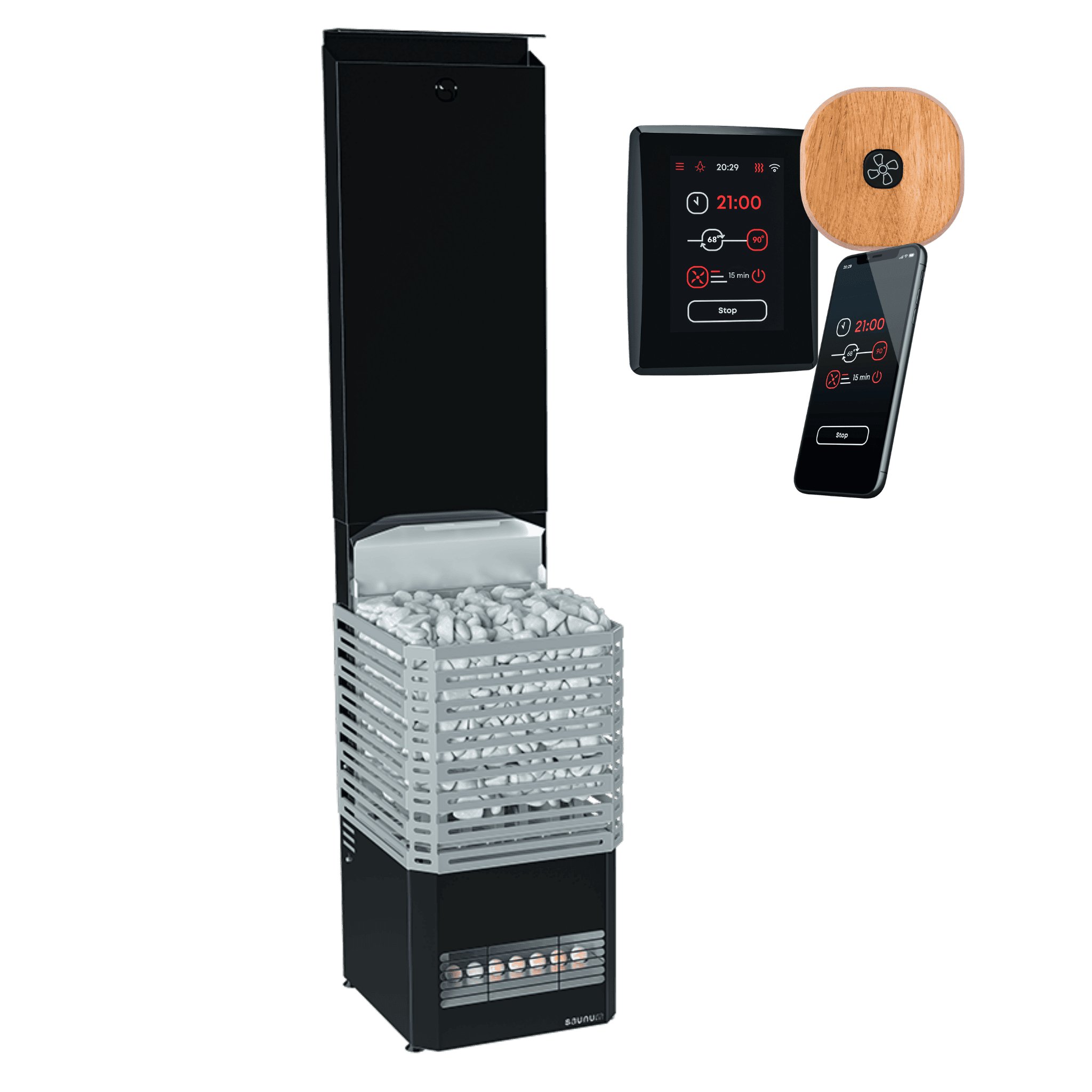
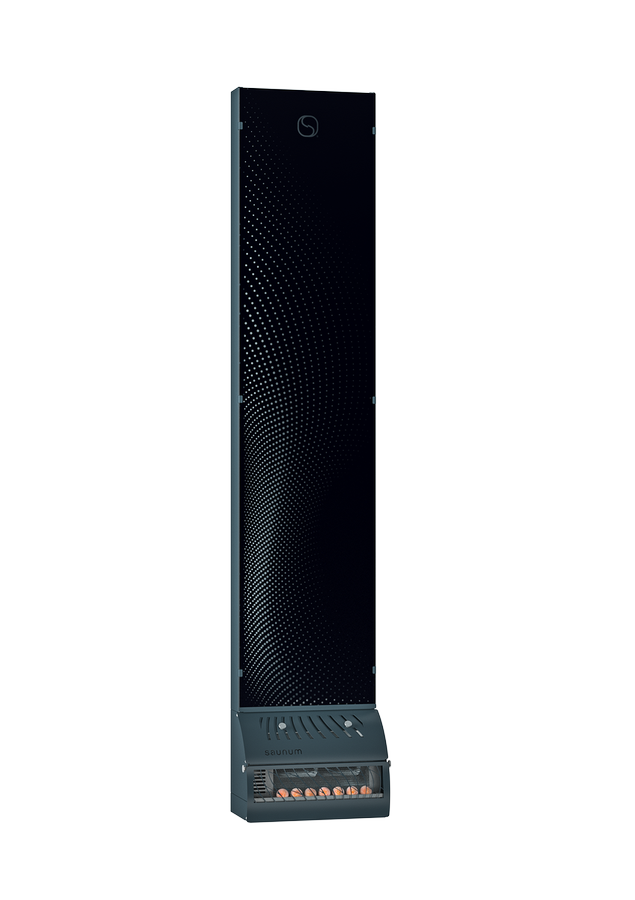
Getting consistent, effective heat acclimation from sauna use depends on one thing most people overlook: the quality and evenness of the heat environment. Our electric sauna heaters are built around a patented air circulation system that draws superheated steam from the ceiling, blends it with cooler, oxygen-rich air from the floor, and redistributes it evenly throughout the room. The result is a sauna climate that challenges the whole body uniformly – exactly the kind of sustained, full-body thermal stimulus that drives genuine heat adaptation. Here is what that means in practice:
- Up to 60% more even temperature distribution from floor to ceiling, so no part of your body escapes the adaptive stimulus
- Softer, more breathable steam that makes longer sessions comfortable and sustainable
- Optional Himalayan salt ion enrichment for added respiratory support during sessions
- A five-in-one sauna experience – from classic Finnish to steam and salt therapy – within a single heater
If you are serious about using sauna as a heat acclimation tool, the environment you train in matters as much as the frequency of your sessions. Explore Saunum’s range of electric sauna heaters and find the setup that fits your wellness goals.
Frequently Asked Questions
Can I combine sauna heat acclimation with my regular workout routine?
Yes, and in fact combining both can accelerate adaptation. The most effective approach is to use the sauna after your workout rather than before, as post-exercise sauna sessions extend the thermal and cardiovascular stimulus without compromising your training performance. Allow at least 10–15 minutes of cool-down after exercise before entering the sauna, and be especially diligent about hydration since your fluid losses will be significantly higher when combining both.
How do I know if my heat acclimation is actually working?
The clearest signs of successful heat acclimation are sweating earlier and more abundantly during sessions, a noticeably lower resting heart rate during heat exposure, and a reduced sense of effort or discomfort at temperatures that previously felt intense. You may also find that you recover faster after stepping out of the sauna and feel less fatigued in warm everyday environments. Tracking your heart rate during sessions over several weeks is one of the most reliable ways to objectively measure progress.
What should I eat or drink before and after a heat acclimation sauna session?
Hydration is the top priority — drink 400–600 ml of water in the hour before your session and replenish fluids immediately after, ideally with an electrolyte-containing drink to replace sodium and minerals lost through sweat. Avoid heavy meals within 1–2 hours of a session, as digestion diverts blood flow away from the skin and muscles, reducing the effectiveness of the thermal stimulus. A light snack with some carbohydrates and sodium — such as a banana with a pinch of salt — can be a practical pre-session option if you need energy without digestive burden.
Will heat acclimation benefits disappear if I stop using the sauna regularly?
Yes, heat acclimation is a reversible adaptation — most of the physiological gains begin to diminish within one to two weeks of stopping regular sessions, and are largely lost within four weeks. This is sometimes called “deacclimation” and it mirrors the way fitness gains fade during a training break. To maintain your adaptation, aim for at least two to three sauna sessions per week as a minimum maintenance dose, even during periods when daily sessions are not practical.
Is there an optimal sauna temperature range specifically for heat acclimation?
For effective heat acclimation, a dry sauna temperature between 80°C and 100°C (176°F–212°F) is generally considered the practical target range, with most research protocols using sessions in the 80–90°C zone. The goal is to sustain a core body temperature elevation of roughly 1–2°C above baseline for the duration of the session — a range that drives adaptation without pushing into dangerous overheating territory. If the heat feels unmanageable within the first few minutes, it is a signal to lower the temperature slightly and prioritize session duration over intensity, as longer moderate-heat sessions tend to outperform short extreme-heat sessions for acclimation purposes.
Can heat acclimation from sauna use help with everyday heat tolerance, not just athletic performance?
Absolutely — the physiological adaptations from regular sauna use translate directly into improved comfort and function in everyday warm conditions, not just competitive sport. People who heat-acclimate through sauna use typically report feeling less fatigued, less irritable, and more mentally sharp during hot weather, largely because their cardiovascular system is working more efficiently to maintain stable blood flow and core temperature. This makes sauna-based heat acclimation a genuinely practical wellness tool for anyone who lives in, travels to, or works in warm environments.
Do I need a dedicated sauna room, or can portable or home sauna options also trigger heat acclimation?
Heat acclimation can be triggered by any sauna setup that consistently delivers sufficient thermal intensity — including home barrel saunas, indoor cabin saunas, and even high-quality portable infrared options, provided they reach and sustain the required temperature range. The critical factor is not the size or style of the sauna but the consistency and evenness of the heat environment: a small, well-insulated home sauna with a quality heater can be more effective than a large commercial sauna with poor heat distribution. If you are investing in a home setup specifically for heat acclimation, prioritizing heater quality and room insulation will have a greater impact on results than the physical dimensions of the space.


