
The best way to cool down after a sauna is to step outside into fresh air, take a cool shower, or do a cold plunge, ideally in that order, with a brief rest in between. Cooling down gradually helps your body regulate its temperature safely and maximizes the recovery benefits of your session. Below, we answer the most common questions about post-sauna cooling so you can build a routine that works for you.
How long should you wait before cooling down after a sauna?
You do not need to wait long before starting to cool down, stepping out of the sauna and beginning your cool-down within one to two minutes is perfectly appropriate. The key is to exit before you feel overheated or lightheaded. Most experienced sauna users spend between eight and fifteen minutes in the heat before cooling down, then repeat the cycle two or three times.
When you leave the sauna, give your body a moment to breathe before jumping straight into cold water. Standing or sitting in a cooler room for sixty to ninety seconds allows your heart rate to settle slightly, which makes the transition to cold water feel less abrupt and more comfortable. This short pause also reduces the risk of dizziness, especially if you are new to sauna bathing.
What are the best ways to cool down after a sauna?
The most effective post-sauna cooling methods combine air cooling, water cooling, and rest. Moving through these stages in sequence gives your cardiovascular system time to adapt and helps your body extract the full therapeutic benefit of the heat exposure.
- Fresh air: Step outside or into a well-ventilated room immediately after your session to begin natural cooling.
- Cool shower: A lukewarm-to-cool shower rinses sweat, lowers skin temperature gradually, and feels refreshing without shocking the body.
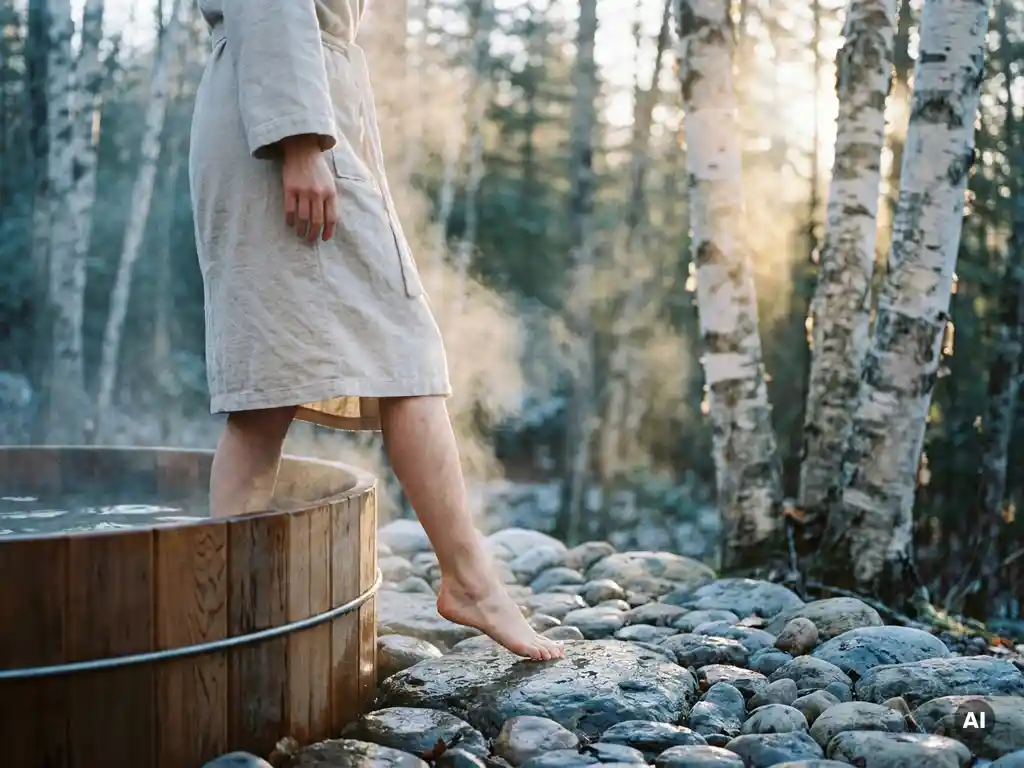
- Cold plunge: Immersing yourself in cold water (around 10 to 15 degrees Celsius) delivers a more intense cooling effect and is associated with improved circulation and muscle recovery.
- Rest period: After cooling, lie or sit quietly for five to ten minutes before re-entering the sauna or ending your session entirely.
The rest phase is often overlooked, but it is where much of the recovery magic happens. Your body continues to regulate temperature, your breathing slows, and your nervous system shifts into a more relaxed state. Skipping this step leaves real wellness benefits on the table.
Is a cold plunge or cold shower better after a sauna?
A cold plunge is generally more effective than a cold shower for post-sauna recovery, but a cold shower is a perfectly good alternative for most people. The difference comes down to intensity and immersion. A cold plunge surrounds your entire body in cold water simultaneously, which triggers a stronger physiological response, including a more pronounced release of norepinephrine and a faster drop in core temperature.
That said, a cold shower offers more control. You can adjust the temperature gradually, target specific areas, and stop at any point. For beginners, starting with a cool shower and working toward colder temperatures over several sessions is a sensible approach. For those with cardiovascular conditions or high blood pressure, it is worth consulting a doctor before attempting full cold immersion.
If you have access to both, alternating between the sauna and a cold plunge two or three times in a single session, a practice common in Nordic sauna culture, tends to produce the most satisfying and restorative results.
What should you drink after a sauna to recover faster?
Water is the most important thing to drink after a sauna session. A typical sauna session causes significant fluid loss through sweating, and rehydrating with plain water is the fastest way to restore balance. Aim to drink at least 500 millilitres in the thirty minutes following your session, and continue sipping throughout the rest of the day.
Beyond plain water, electrolyte drinks can be helpful after longer or more intense sessions, since sweat contains sodium, potassium, and magnesium alongside water. Coconut water, diluted sports drinks, or water with a small pinch of sea salt and a squeeze of lemon are all practical options. Avoid alcohol immediately after a sauna, it accelerates dehydration and can cause blood pressure to drop uncomfortably.
Why does the quality of your sauna session affect how you cool down?
The quality of your sauna session directly influences how your body responds during the cool-down phase. A session with even, breathable heat allows you to stay in the sauna longer and sweat more thoroughly, which means your body has more work to do during recovery. Conversely, a harsh or uneven heat environment often forces you to exit early, leaving the cool-down phase feeling incomplete.
Uneven temperature distribution is one of the most common issues in traditional saunas. When the air near the ceiling is scorching while the floor stays relatively cool, the experience becomes uncomfortable rather than therapeutic. This uneven heat makes it harder to breathe deeply, limits how long you can stay in, and ultimately reduces the depth of the recovery response your body goes through when cooling down.
A sauna that produces soft, evenly distributed steam allows you to breathe more comfortably, stay in longer, and sweat more intensely, all of which translate into a more meaningful cool-down and a deeper sense of recovery afterward.
Should you cool down differently based on your health goals?
Yes, your post-sauna cooling approach should reflect what you are trying to achieve. Different health goals call for different cooling strategies, and small adjustments to your routine can make a meaningful difference in outcomes.
For muscle recovery and athletic performance, a cold plunge immediately after the sauna is widely favored. The contrast between heat and cold stimulates circulation, reduces inflammation, and helps muscles recover more quickly after training.
For stress relief and sleep improvement, a gentler cool-down works better. A lukewarm shower followed by a long rest period in a quiet space allows the parasympathetic nervous system to take over, promoting deep relaxation and better sleep quality later in the evening.
For respiratory health, focusing on breathing during both the sauna session and the cool-down is valuable. Stepping into fresh air after the session and breathing slowly and deeply helps clear the airways and reinforces the respiratory benefits of the heat exposure.
How Saunum’s electric sauna heaters support a better cool-down
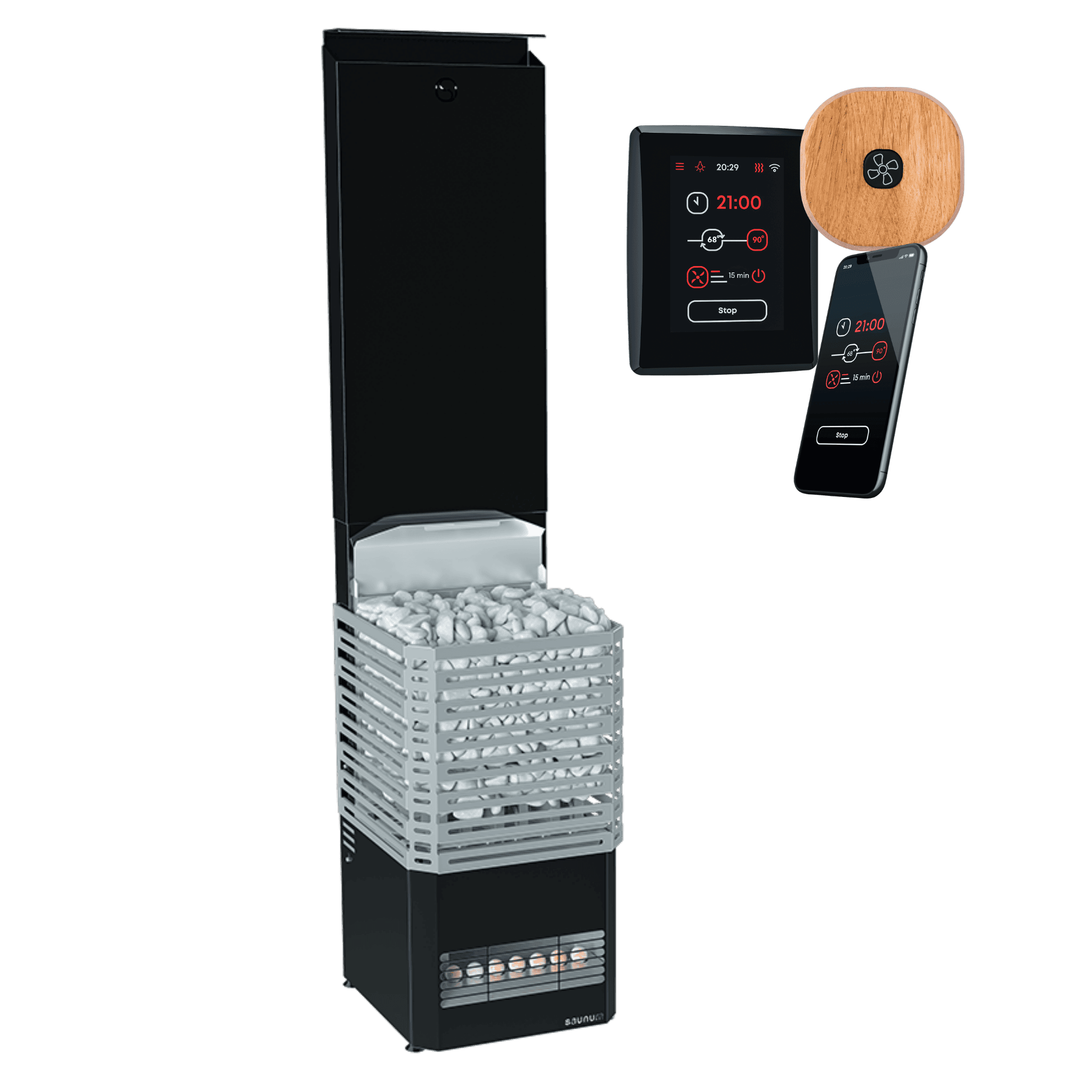
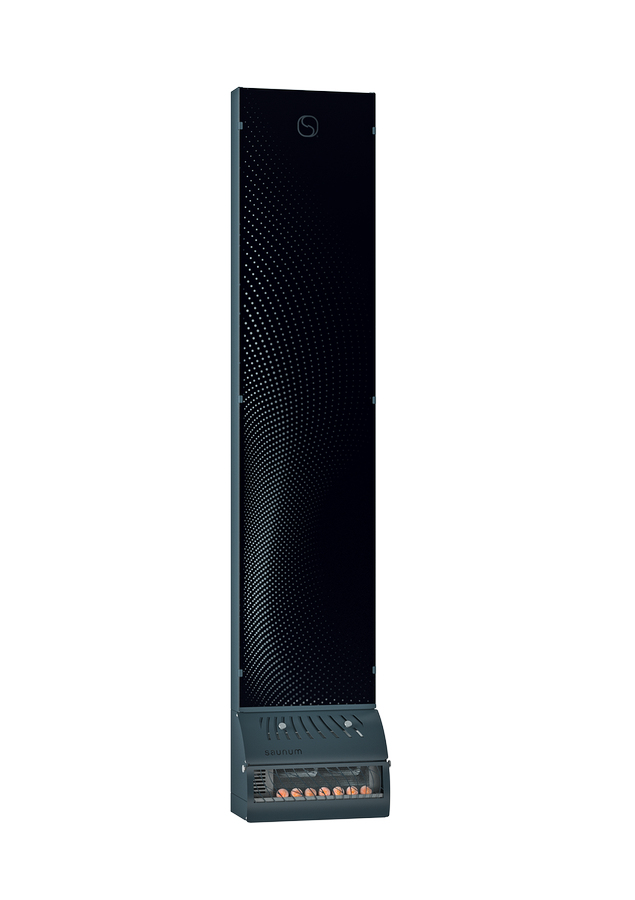
The quality of your cool-down is only as good as the session that preceded it. Our electric sauna heaters are built around a patented air circulation system that addresses the root cause of poor sauna experiences: uneven heat distribution. Here is how that directly benefits your recovery:
- Even temperature from floor to ceiling: Our heaters draw hot steam from the ceiling, blend it with cooler oxygenated air from the floor, and redistribute soft, breathable steam evenly throughout the room, reducing temperature variation by up to 60%.
- Softer, more breathable steam: Because the air is mixed with oxygen-rich cooler air, the steam feels gentler on the lungs, allowing you to stay in longer and sweat more thoroughly before cooling down.
- Optional Himalayan salt ion enrichment: Our climate system can be paired with Himalayan salt orbs that release beneficial ions into the air during your session, adding a respiratory wellness dimension to every round.
A deeper, more comfortable session means your body has genuinely worked hard by the time you step out, and that makes every element of your cool-down, from the cold plunge to the rest period, more effective and more rewarding. If you are ready to upgrade your sauna routine from the inside out, Saunum is the place to start.
Frequently Asked Questions
How many sauna and cool-down cycles should I do in a single session?
Most experienced sauna users complete two to three heat-and-cool cycles per session, with each round consisting of eight to fifteen minutes in the sauna followed by a cool-down and a five-to-ten-minute rest. Beginners should start with just one or two cycles and gradually build up as their body adapts. The total session length, including rest periods, typically falls between sixty and ninety minutes for a well-rounded experience.
Can I cool down too quickly after a sauna, and is that dangerous?
Cooling down too abruptly, such as jumping directly from an extremely hot sauna into ice-cold water without any transition, can cause a sudden spike in blood pressure and put unnecessary stress on the cardiovascular system. For most healthy adults this is manageable, but it can feel overwhelming and even cause dizziness or nausea. The safest approach is to spend sixty to ninety seconds in fresh air before entering cold water, which gives your heart rate a moment to settle and makes the contrast far more comfortable and safe.
What are the most common mistakes people make during the post-sauna cool-down?
The three most common mistakes are skipping the rest period entirely, reaching for alcohol instead of water, and re-entering the sauna before the body has fully recovered. Skipping rest cuts short the parasympathetic recovery response your body needs to consolidate the benefits of the session. Drinking alcohol post-sauna accelerates dehydration and can cause blood pressure to drop dangerously. Always prioritize water, a proper cool-down, and at least five to ten minutes of quiet rest before your next round.
How cold should the water be for an effective post-sauna cold plunge?
A water temperature of around 10 to 15 degrees Celsius (50 to 59 degrees Fahrenheit) is considered the sweet spot for post-sauna cold plunges, cold enough to trigger a meaningful physiological response without being dangerously extreme. If you are new to cold immersion, starting closer to 15 degrees and gradually working down over multiple sessions is a smart approach. Even water at 18 to 20 degrees Celsius delivers noticeable benefits if a colder plunge feels too intense at first.
Is it okay to eat before or after a sauna cool-down, and does timing matter?
It is best to avoid eating a large meal for at least one to two hours before a sauna session, as digestion diverts blood flow away from the muscles and skin, which can make the heat feel more uncomfortable and reduce sweating efficiency. After your session and cool-down, a light, nutrient-rich snack, such as a banana, some nuts, or a small bowl of yogurt, can help replenish electrolytes and support recovery. Avoid heavy, greasy meals immediately after, as your digestive system is still in a relaxed, recovery-oriented state.
Can I cool down outdoors in winter, and is rolling in snow actually beneficial?
Yes, cooling down outdoors in winter is not only safe for healthy adults but is a deeply rooted tradition in Nordic and Finnish sauna culture. Rolling in snow or stepping into a cold lake in winter provides an intense but brief cooling stimulus that sharply activates circulation and delivers a strong endorphin release. The key is to keep the exposure short, typically thirty to sixty seconds, and to return indoors or to a temperate space promptly to avoid prolonged exposure to extreme cold, especially in windy conditions.
How do I know if my cool-down routine is actually working and delivering results?
Signs that your post-sauna cool-down routine is effective include feeling deeply relaxed and mentally clear after your session, sleeping more soundly on sauna nights, experiencing reduced muscle soreness after training, and noticing improved skin tone over time. If you consistently feel fatigued, dizzy, or unwell after a session, it is a signal to shorten your heat exposure, slow down your cool-down transitions, or increase your fluid intake. Tracking how you feel in the hour and morning after each session is the simplest and most reliable way to fine-tune your routine.