



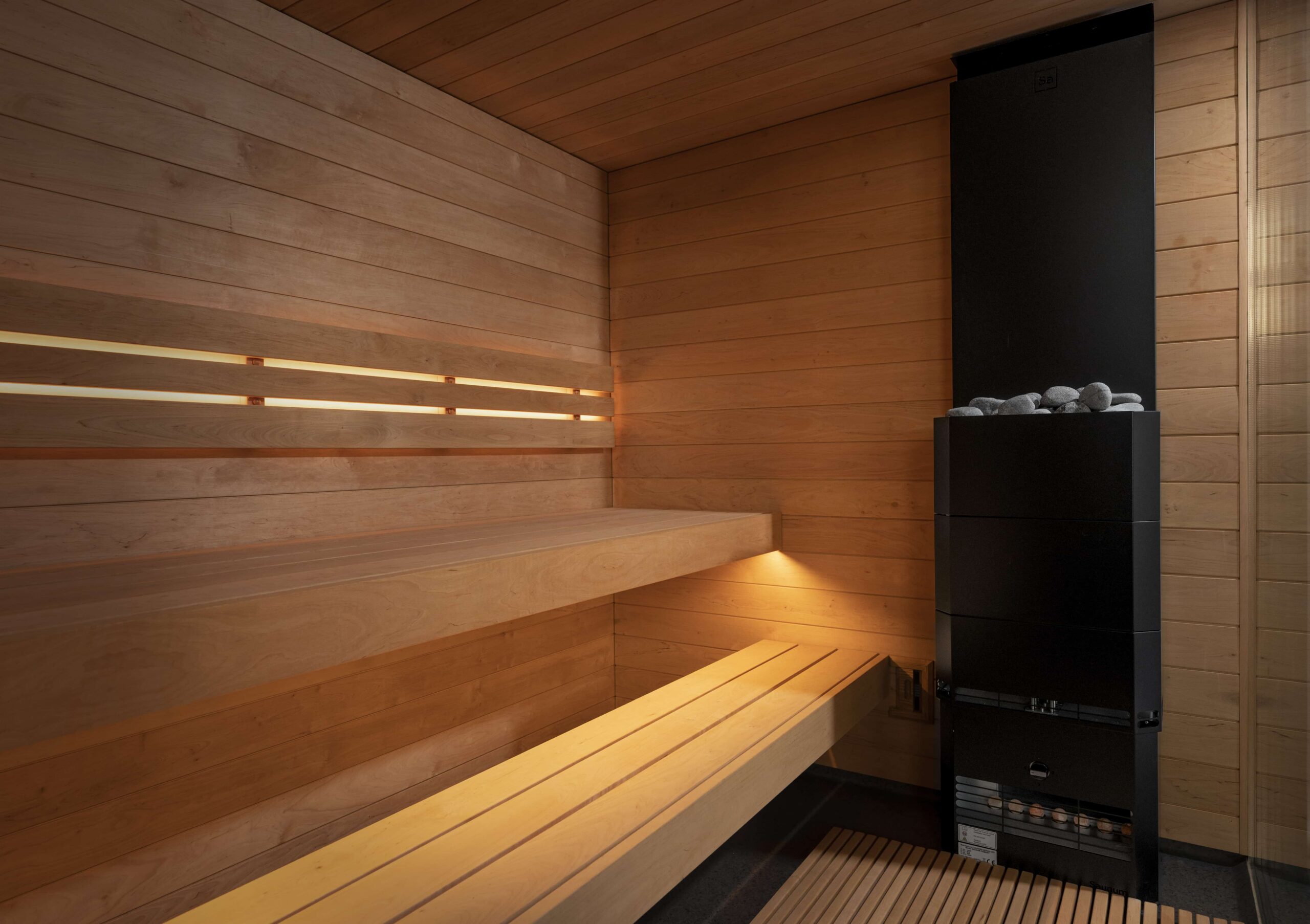
During a sauna session, your body undergoes a series of powerful physiological changes driven by heat exposure. Your core temperature rises, your heart rate increases, your blood vessels dilate, and your sweat glands work overtime to cool you down. These responses are not just surface-level reactions; they trigger genuine therapeutic effects that benefit your cardiovascular system, respiratory health, and overall wellbeing. Below, we break down exactly what is happening inside your body from the first minute to the last.
How does your body respond to sauna heat in the first few minutes?
Within the first few minutes of a sauna session, your body detects the rise in ambient temperature and immediately activates its cooling mechanisms. Your skin temperature climbs rapidly, your hypothalamus signals the sweat glands to activate, and blood flow is redirected toward the skin’s surface to help release heat. Your heart rate begins to climb, and your muscles start to relax as blood vessels near the skin dilate.
This initial response is your body’s way of maintaining a safe core temperature. The heat stress is real, but it is also beneficial; it mimics the physiological effects of moderate exercise, which is one reason regular sauna use is associated with improved cardiovascular fitness over time. For most people, the first five minutes feel the most intense, after which the body adapts and the session becomes noticeably more comfortable.
Why do you sweat so much in a sauna?
You sweat heavily in a sauna because your body is trying to regulate its internal temperature through evaporative cooling. As the surrounding air heats your skin, your hypothalamus triggers the eccrine sweat glands across your body to release fluid. This fluid evaporates from the skin’s surface, carrying heat away from the body in the process. In a typical sauna session, it is possible to lose a significant amount of fluid through sweat alone.
Sweating in a sauna also serves a secondary function: it helps flush the skin’s pores. As sweat pushes outward, it carries with it oils, dead skin cells, and surface impurities. This is one of the reasons people often describe their skin as feeling cleaner and softer after a sauna session. Staying well hydrated before and after your session is essential to support this process safely.
What does a sauna do for your cardiovascular system?
A sauna session puts your cardiovascular system through a workout similar in some ways to light physical exercise. The heat causes your blood vessels to dilate, which lowers vascular resistance and encourages the heart to pump more blood to the skin’s surface. Your heart rate can increase noticeably during a session, and cardiac output rises to meet the demand.
Over time, regular sauna use is associated with improved circulation, better arterial flexibility, and a lower resting heart rate. These adaptations are similar to those produced by aerobic exercise, making the sauna a valuable complementary tool for people focused on heart health. The key is consistency; occasional sessions provide short-term benefits, but a regular routine is what builds lasting cardiovascular resilience.
How does sauna steam affect your lungs and breathing?
Sauna steam warms and moistens the airways, which can make breathing feel easier and more comfortable, particularly for people who experience dryness or mild respiratory discomfort. The warm, humid air helps loosen mucus in the nasal passages and upper airways, supporting natural clearance. Many people with sinus congestion or mild respiratory tension find that a steam-rich sauna session provides noticeable relief.
The quality of the steam matters enormously here. Harsh, superheated steam concentrated near the ceiling can make breathing feel uncomfortable and even irritating. A sauna environment where the air is evenly blended, with softer, oxygen-rich steam distributed throughout the room rather than trapped at the top, allows for deeper, more relaxed breathing throughout the session. This is where the design of your sauna heater plays a direct role in the respiratory experience you get.
Can salt therapy in a sauna improve your health?
Salt therapy in a sauna, often called halotherapy, involves inhaling air that has been enriched with fine salt particles or ions. When salt ions are introduced into the sauna’s air stream, they are carried into the respiratory tract during normal breathing. Research into halotherapy suggests it may support respiratory comfort, help clear the airways, and have a mild anti-inflammatory effect on the mucous membranes.
The benefits are most accessible when the salt is positioned directly within the sauna’s airflow rather than sitting passively in the room. When salt ions are actively circulated with the steam, they reach the breathing zone consistently throughout the session. This approach is particularly relevant for people managing respiratory sensitivities, seasonal allergies, or those simply looking to get more therapeutic value from their sauna session.
How long should a sauna session last for the best results?
For most adults, a sauna session of 15 to 20 minutes delivers a strong balance of therapeutic benefit and safety. This duration is long enough to raise your core temperature meaningfully, activate deep sweating, and support cardiovascular and respiratory benefits without placing excessive strain on the body. Beginners should start with shorter sessions of around 8 to 10 minutes and build up gradually.
A few practical guidelines worth keeping in mind:
- Always hydrate well before entering and after leaving the sauna
- Exit immediately if you feel dizzy, nauseous, or short of breath
- Allow a cool-down period between rounds if you do multiple sessions
- Consistency over time matters more than session length on any single day
The temperature and air quality inside the sauna also influence how long you can comfortably stay. A room with uneven heat, scorching near the ceiling and cool near the floor, forces you out sooner. A well-balanced sauna environment lets you relax fully and stay longer, which is where you get the most benefit.
How Saunum’s electric sauna heaters enhance every session
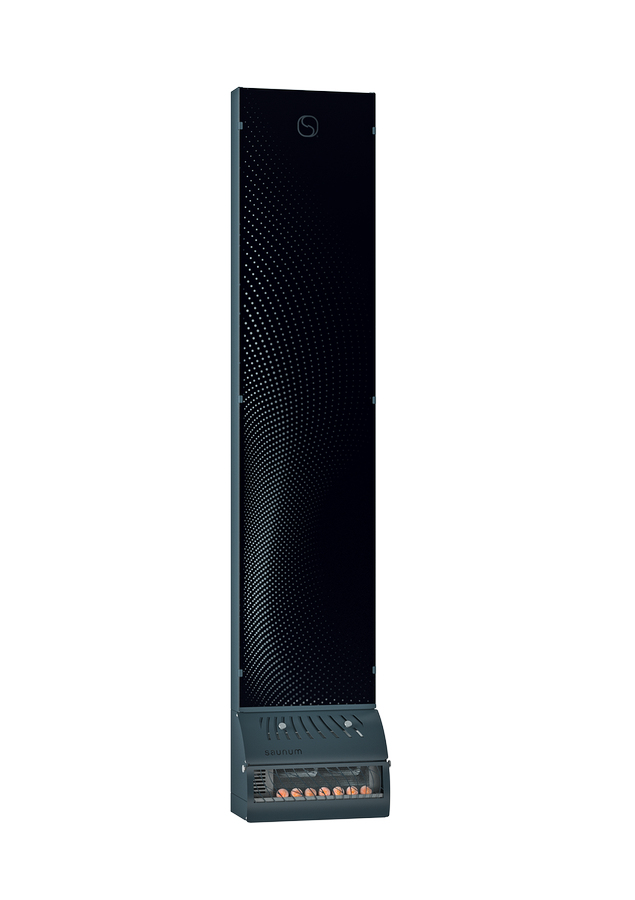
Saunum’s electric sauna heaters are built around a patented air circulation system that directly addresses the most common barriers to a great sauna experience. Here is what that means in practice:
- The system draws superheated steam from the ceiling and blends it with cooler, oxygen-rich air from the floor, equalizing room temperature by up to 60%
- The result is softer, more breathable steam distributed evenly from floor to ceiling: no more harsh heat concentrated at the top
- Our Himalayan salt orb reservoir sits directly within the air stream, actively infusing salt ions into the circulating steam for genuine halotherapy benefits throughout the session
- The five-in-one design supports classic Nordic sauna, steam sauna, relaxation sauna, salt therapy, and aromatherapy, all from a single heater
If you want to experience the full range of sauna health benefits, deeper sweating, easier breathing, cardiovascular support, and salt therapy, the heater you choose makes a real difference. Explore Saunum’s range of electric sauna heaters and find the right fit for your sauna.
Frequently Asked Questions
Is it safe to use a sauna every day, or should I take rest days?
Daily sauna use is generally safe for healthy adults, and research — including long-term studies from Finland — suggests that more frequent sessions (4–7 times per week) are associated with the greatest cardiovascular and longevity benefits. That said, your body still needs adequate recovery, hydration, and sleep to fully absorb the benefits. If you are new to regular sauna use, starting with 3–4 sessions per week and monitoring how your body responds is a sensible approach before increasing frequency.
What is the best way to cool down after a sauna session?
A gradual cool-down is more effective and safer than an abrupt one. Stepping outside into fresh air, taking a lukewarm shower, or sitting quietly in a cooler room for 5–10 minutes allows your heart rate and core temperature to normalize steadily. Cold plunges or cold showers can be added once your body has had a brief moment to transition, and many experienced sauna users find that contrast therapy — alternating heat and cold — amplifies the circulatory and recovery benefits significantly.
Can I use a sauna if I have a respiratory condition like asthma or chronic sinusitis?
Many people with mild-to-moderate respiratory conditions report relief from sauna sessions, particularly in steam-rich environments where the warm, moist air helps loosen mucus and soothe irritated airways. However, if you have asthma or any chronic respiratory condition, you should consult your doctor before starting a sauna routine, as very hot or unevenly distributed steam can occasionally trigger discomfort. A sauna with a well-balanced, softer steam environment — rather than harsh, superheated air concentrated near the ceiling — is generally far more comfortable and tolerable for sensitive airways.
How much water should I drink before and after a sauna session?
A good baseline is to drink at least one to two glasses of water (roughly 400–500 ml) in the hour before your session, and then rehydrate with a similar amount immediately afterward. Because you can lose anywhere from 0.5 to 1.5 liters of fluid through sweat during a typical 15–20 minute session, replacing that fluid promptly is essential for avoiding dehydration. Adding a pinch of electrolytes or consuming a light electrolyte drink post-session can also help restore the minerals lost through heavy sweating.
Are there situations where I should avoid using a sauna altogether?
Yes — certain conditions make sauna use inadvisable without medical clearance. These include pregnancy, acute cardiovascular conditions (such as unstable angina or recent heart attack), very low or very high blood pressure, fever or active infection, and recent alcohol consumption, which impairs your body’s ability to regulate temperature safely. If you are on medications that affect sweating, circulation, or blood pressure, check with your healthcare provider before using a sauna regularly.
Does adding essential oils or aromatherapy to a sauna session provide real health benefits, or is it mostly about relaxation?
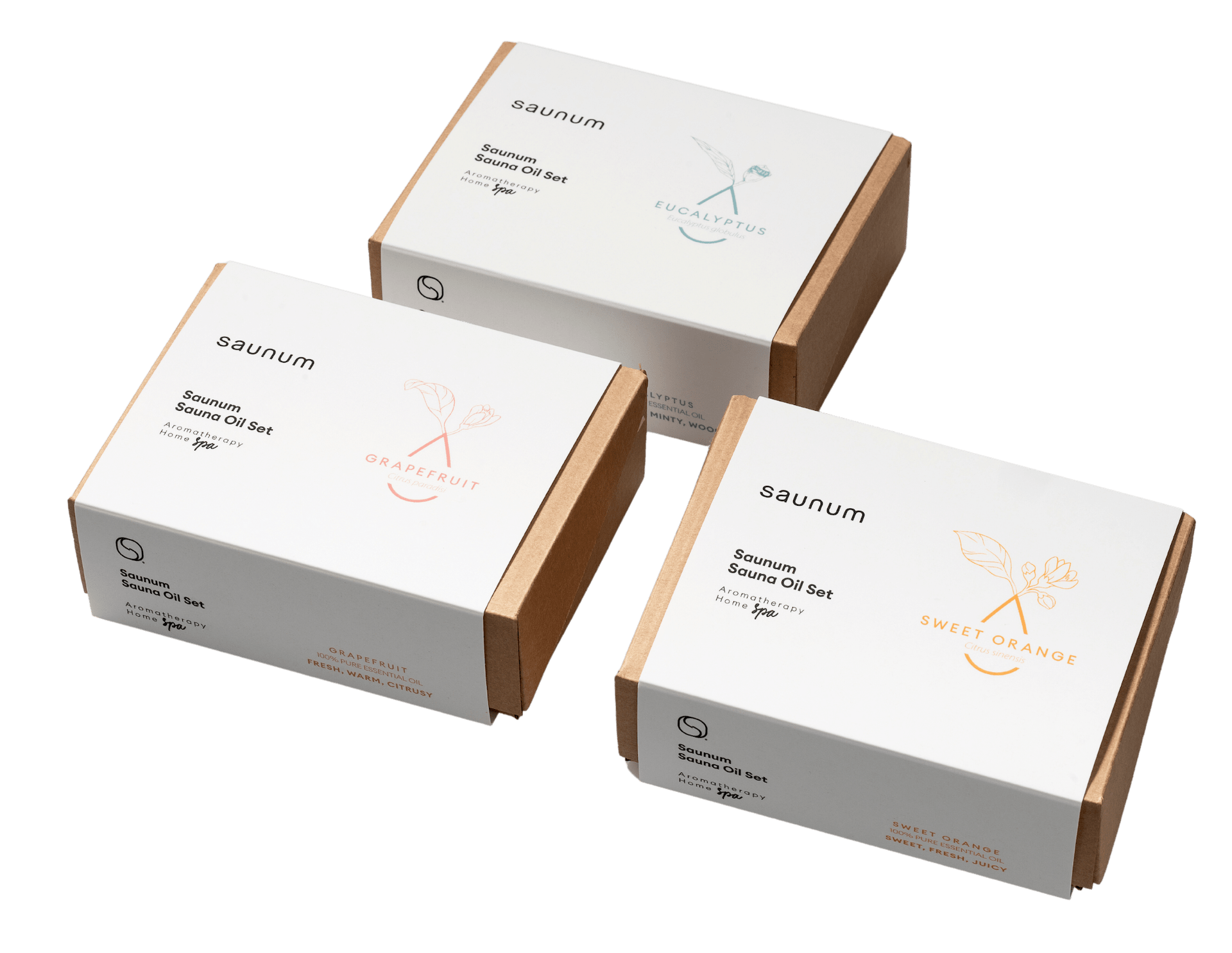
Both, actually. Certain essential oils — such as eucalyptus, peppermint, and pine — have well-documented properties that support respiratory comfort and airway clearance when inhaled in a warm, humid environment, making them a practical complement to the breathing benefits already provided by sauna steam. Beyond the physiological effects, the sensory experience of aromatherapy also activates the parasympathetic nervous system, deepening relaxation and reducing cortisol levels. For best results, use oils specifically formulated for sauna use and introduce them via the heater’s designated reservoir or a ladle onto the stones rather than applying them directly to surfaces.
How do I know if my sauna heater is actually delivering even heat distribution, and why does it matter?
A simple test is to notice where you feel discomfort first: if the air near your head feels unbearably hot while your feet remain noticeably cooler, your sauna has a significant temperature stratification problem. Uneven heat forces you to cut sessions short, breathe harsh superheated air near the ceiling, and miss out on the deeper therapeutic benefits that come from sustained, comfortable exposure. A heater with active air circulation — one that blends ceiling-level steam with cooler floor-level air — eliminates this stratification, creating a consistent environment from top to bottom that lets you breathe easier, stay longer, and get more from every session.