





Yes, sauna use can genuinely help with joint stiffness. Heat therapy increases blood flow to stiff joints, relaxes surrounding muscles, and improves tissue flexibility, all of which reduce the sensation of tightness and discomfort. Regular sessions tend to deliver the most noticeable relief, particularly for people managing chronic joint conditions. Below, we answer the most common questions about how sauna use supports joint health.
How does heat therapy reduce joint stiffness?
Heat therapy reduces joint stiffness by dilating blood vessels around the affected area, which increases circulation and delivers more oxygen and nutrients to joint tissues. This warmth also relaxes the muscles and connective tissue surrounding the joint, reducing tension that contributes to stiffness. For sauna joint stiffness relief specifically, the whole-body heat exposure amplifies these effects across multiple joints simultaneously.
When your body temperature rises in a sauna, synovial fluid, the natural lubricant inside your joints, becomes less viscous and flows more freely. This is why many people notice that their joints feel noticeably looser after a sauna session compared to how they felt when stepping in. The heat also triggers the release of endorphins, which further reduces the perception of pain and discomfort associated with stiff joints.
What types of joint conditions benefit most from sauna use?
Sauna use tends to benefit people with inflammatory joint conditions such as rheumatoid arthritis, osteoarthritis, and general musculoskeletal stiffness. Those with fibromyalgia also frequently report reduced pain and improved mobility after regular heat therapy sessions. The common thread is that all of these conditions involve either inflammation, reduced circulation, or muscle tension around the joints.
Sauna for joint pain is particularly well-suited to conditions where warmth is already a known comfort measure. If you reach for a hot water bottle or a warm bath when your joints ache, sauna heat works through the same fundamental mechanisms, just more intensively and across your whole body at once. People recovering from sports injuries or dealing with post-exercise joint soreness also find that sauna sessions accelerate recovery by flushing out metabolic waste products from muscle tissue.
How often should you use a sauna for joint stiffness relief?
For meaningful joint stiffness relief, most wellness practitioners recommend two to four sauna sessions per week. Consistency matters more than session length. Starting with shorter sessions of around 10 to 15 minutes and gradually building to 20 minutes allows your body to adapt without overexertion, particularly if you are managing a chronic joint condition.
Daily use is generally safe for healthy adults, but those with inflammatory arthritis or other medical conditions should consult a healthcare provider before establishing a routine. The cumulative effect of regular heat therapy is what delivers lasting improvements in flexibility and reduced stiffness, rather than any single long session.
Does steam quality affect how joints respond to sauna heat?
Yes, steam quality has a meaningful impact on the overall sauna experience and, by extension, how effectively your body responds to heat therapy for joint stiffness. Harsh, uneven steam can make it difficult to breathe comfortably, which shortens sessions and reduces the sustained heat exposure that joints need to fully relax and loosen.
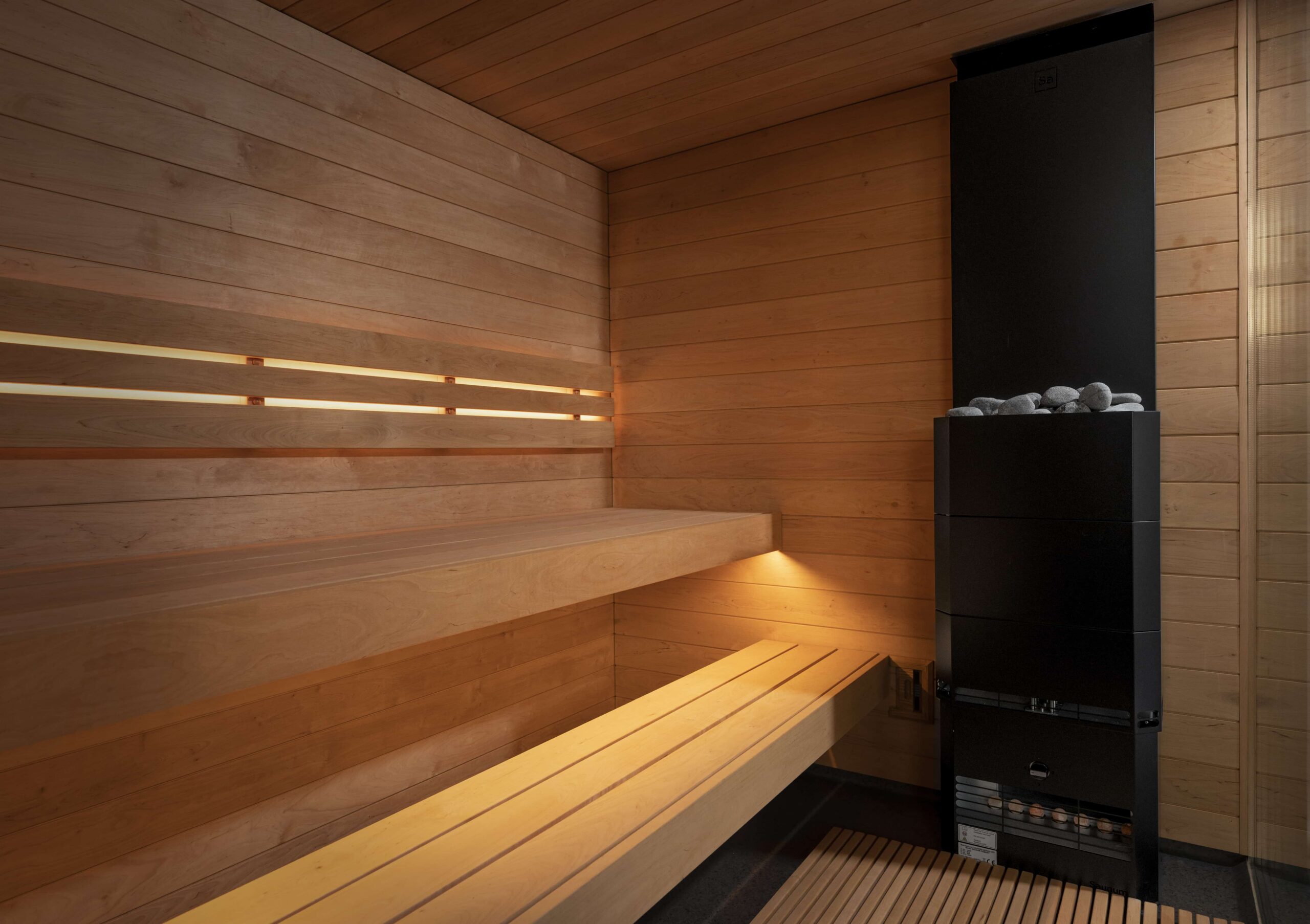
A breathable steam sauna, where the air is evenly mixed and the steam is soft rather than scalding, allows you to stay in the sauna longer and breathe more easily throughout. This is where the design of your sauna heater becomes relevant. Our electric sauna heaters use a patented air circulation system that draws hot steam from the ceiling, mixes it with cooler, oxygen-rich air from the floor, and redistributes it evenly throughout the room. The result is a more consistent temperature and steam that feels gentler on the airways, making it easier to complete a full, therapeutic session.
Can Himalayan salt therapy enhance sauna benefits for joints?
Himalayan salt therapy can complement the joint benefits of sauna use by improving the quality of the air you breathe during your session. Salt ions are known to support respiratory function, and when you breathe more easily, your body can sustain the relaxed, deep-breathing state that maximizes the circulatory and muscular benefits of heat therapy for your joints.
The connection between breathing and joint relief is often underestimated. When you breathe comfortably and deeply in a sauna, your parasympathetic nervous system activates more fully, which promotes muscle relaxation and reduces the tension that keeps stiff joints locked up. Salt-enriched air supports this process by keeping airways clear and reducing irritation, allowing you to stay in the sauna longer and gain more from each session.
Are there any risks of using a sauna with joint problems?
Sauna use is generally safe for most people with joint problems, but there are important precautions to observe. The primary risks include dehydration, overheating, and the potential for heat to aggravate acutely inflamed joints. If a joint is hot, swollen, and actively inflamed, applying additional heat may worsen inflammation rather than relieve it.
Key safety guidelines to follow:
- Avoid sauna use during acute flare-ups of inflammatory arthritis when joints are visibly swollen or hot to the touch
- Stay well hydrated before, during, and after your session
- Exit the sauna immediately if you feel dizzy, nauseous, or experience increased joint pain
- Always consult your doctor before starting a sauna routine if you have a diagnosed joint condition or take medications that affect circulation
For most people with chronic joint stiffness rather than acute inflammation, the sauna health benefits far outweigh the risks when sessions are approached sensibly and gradually.
How Saunum’s electric sauna heaters support joint health
Getting the most from sauna use for joint stiffness depends heavily on the quality of your sauna environment, and that starts with the heater. Our electric sauna heaters are built around a patented air circulation system that solves one of the most common problems in traditional saunas: uneven heat distribution. Here is what that means in practice:
- Hot steam trapped near the ceiling is drawn down and blended with cooler, oxygen-rich floor air, equalizing the room temperature by up to 60%
- The resulting steam is softer and more breathable, allowing longer, more comfortable sessions that give joints sustained heat exposure
Longer, more comfortable sessions translate directly into better outcomes for joint stiffness because the therapeutic effects of heat therapy accumulate over time within each session. Our heaters also support optional Himalayan salt therapy, infusing the air with beneficial salt ions that further support respiratory comfort and relaxation. If you are serious about using sauna as part of your joint health routine, explore the Saunum range and find the heater that fits your space and wellness goals.
Frequently Asked Questions
What is the best time of day to use a sauna for joint stiffness relief?
Morning sessions can be particularly effective for joint stiffness, as many people with arthritis or chronic joint conditions experience their worst stiffness after waking. A 15–20 minute sauna session in the morning can loosen joints and improve mobility for the hours ahead. Evening sessions are equally valid if your goal is muscle relaxation and recovery, as the heat promotes deeper sleep, which itself supports tissue repair and reduced inflammation.
How long does it take to notice improvements in joint stiffness from regular sauna use?
Most people begin noticing short-term relief — such as reduced tightness and improved range of motion — after just one or two sessions. However, meaningful, lasting improvements in chronic joint stiffness typically develop over two to four weeks of consistent use at a frequency of two to four sessions per week. Think of it like physical therapy: the cumulative effect of repeated sessions is what produces durable change, not a single long exposure.
Should I stretch or do light movement after a sauna session to maximize joint benefits?
Yes, and this is one of the most underutilized strategies for joint health. The window immediately following a sauna session — when your muscles and connective tissue are warm and pliable — is an ideal time for gentle stretching or light mobility work. Even five to ten minutes of slow, controlled movement targeting your stiffest joints can significantly extend the flexibility gains from the heat. Avoid intense exercise immediately after, as your cardiovascular system is already under mild heat stress.
Can I use a sauna if I have a joint replacement or metal implants?
This is a common concern, but modern joint replacement implants and surgical hardware are generally not affected by sauna temperatures, as the heat does not penetrate deeply enough to significantly warm the metal itself. That said, you should always consult your orthopedic surgeon before resuming or starting sauna use after a joint replacement procedure, particularly in the early recovery period. Once cleared, most people with implants use saunas without issue and report the same joint comfort benefits as others.
Is a traditional Finnish sauna better for joints than an infrared sauna?
Both types offer joint benefits, but they work differently. Traditional Finnish saunas, like those using Saunum heaters, heat the air and your body surface, which relaxes muscles, improves synovial fluid viscosity, and promotes whole-body circulation. Infrared saunas penetrate tissue more directly at lower ambient temperatures, which some users with heat sensitivity find easier to tolerate. For most people managing joint stiffness, a well-designed traditional sauna with even steam distribution tends to deliver a more immersive and therapeutically consistent experience.
What should I do if my joint pain gets worse during or after a sauna session?
Increased joint pain during a sauna session is a signal to exit immediately and cool down gradually. This response most commonly occurs when a joint is in an active inflammatory phase — meaning it is already hot, swollen, or tender — and additional heat is aggravating rather than soothing it. After cooling down, apply a cold compress to the affected joint and rest. If the pain persists or worsens after the session, consult your healthcare provider before returning to sauna use, and consider waiting until the flare-up has fully resolved.
How much water should I drink around a sauna session to protect my joints?
A general guideline is to drink at least one to two glasses of water before entering the sauna, sip water during longer sessions if possible, and drink another one to two glasses immediately after. Dehydration reduces synovial fluid production, which can actually worsen joint stiffness and discomfort — the opposite of what you are trying to achieve. Electrolyte drinks can be a useful addition after longer or more intense sessions, particularly if you sweat heavily, as they help restore the mineral balance that supports muscle and joint function.