
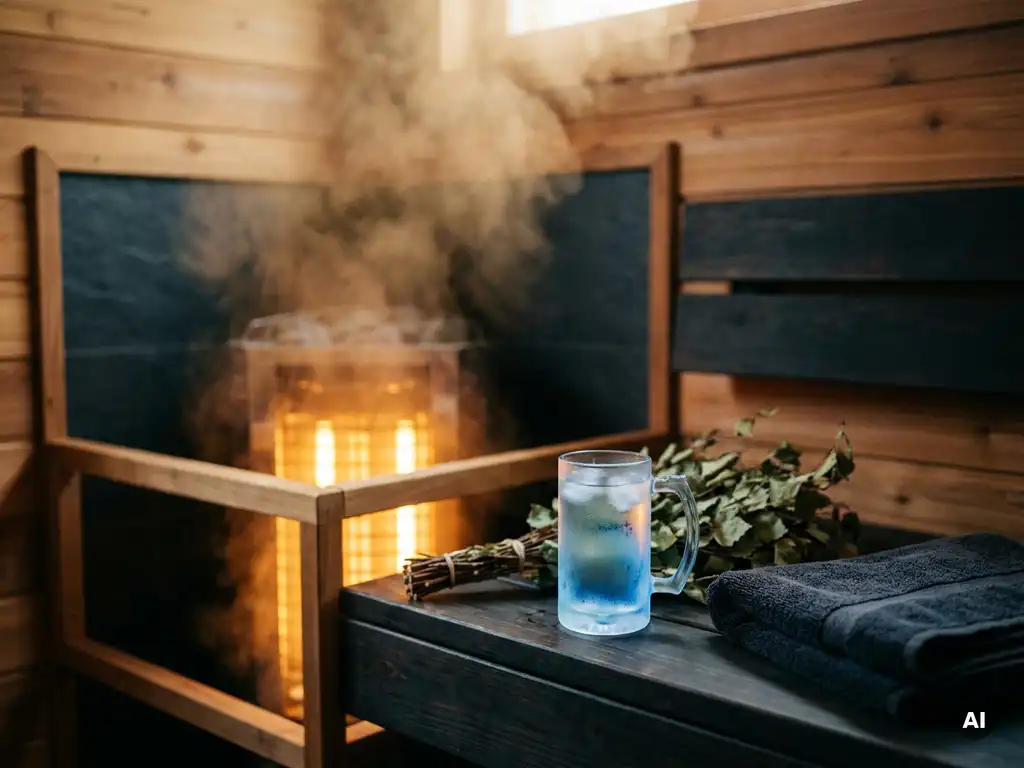
Hot and cold therapy delivers real, measurable wellness benefits by exposing the body to alternating temperature extremes that trigger powerful physiological responses. The combination of heat and cold stimulates circulation, reduces inflammation, supports muscle recovery, and can improve both mental and physical resilience. Below, we answer the most common questions about contrast therapy so you can decide whether it belongs in your wellness routine.
How does alternating heat and cold affect the body?
Alternating heat and cold causes your blood vessels to repeatedly dilate and constrict, creating a pumping effect that dramatically improves circulation. Heat opens blood vessels and draws blood toward the skin’s surface, while cold causes them to contract and push blood back toward your core. This cycle acts like a cardiovascular workout for your vascular system, improving the efficiency with which your body delivers oxygen and nutrients to tissues and removes metabolic waste.
Beyond circulation, the contrast between temperatures activates the autonomic nervous system. The heat phase triggers a parasympathetic relaxation response, lowering cortisol and easing tension. The cold phase then activates the sympathetic nervous system, releasing adrenaline and norepinephrine. Together, these shifts train your body to regulate stress responses more effectively over time, which is why regular contrast therapy practitioners often report improved mood, sharper focus, and greater emotional resilience.
What are the main health benefits of hot and cold therapy?
The main health benefits of hot and cold therapy include reduced muscle soreness, faster recovery from physical exertion, lower systemic inflammation, improved circulation, better sleep quality, and enhanced mental clarity. Contrast hydrotherapy has been used in athletic recovery and clinical wellness settings for decades because it addresses both physical and psychological dimensions of health simultaneously.
For people dealing with chronic muscle tension or joint discomfort, the alternating temperature exposure helps break the cycle of inflammation and stiffness. The heat phase relaxes tight muscles and increases tissue flexibility, while the cold phase reduces swelling and numbs acute pain signals. For those focused on mental wellness, the cold plunge in particular triggers a significant release of endorphins and mood-regulating neurotransmitters, producing a natural sense of euphoria that can last for hours after a session.
Is hot and cold therapy good for respiratory health?
Yes, hot and cold therapy can support respiratory health, particularly when the heat phase involves breathable, humidified steam rather than harsh, dry heat. Warm, moist air helps open airways, loosen mucus, and soothe irritated respiratory tissue. The subsequent cold exposure encourages deeper, more controlled breathing as the body adapts to the temperature shift, which over time can strengthen respiratory muscle function.
The quality of steam matters enormously here. Overly hot or dry sauna air can actually irritate the airways rather than soothe them. A sauna environment that maintains even temperature distribution and delivers soft, oxygenated steam is far more beneficial for people with respiratory sensitivities. This is why the design of your sauna heater plays a meaningful role in the respiratory outcomes you experience during a session.
How long should you stay in the sauna before a cold plunge?
Most people benefit from staying in the sauna for 10 to 20 minutes before a cold plunge, though the ideal duration depends on your experience level, the sauna temperature, and your personal tolerance. Beginners should start closer to 10 minutes, while experienced users may extend to 20 minutes or slightly longer. The goal is to reach a deep, sustained sweat before transitioning to cold water immersion.
After the cold plunge, which typically lasts 1 to 3 minutes, allow your body to rest and return to a neutral temperature before repeating the cycle. Most contrast therapy protocols recommend two to four rounds per session. Rushing the heat phase reduces the depth of the physiological response, while staying in too long risks overheating. Listen to your body and exit the sauna if you feel dizzy, lightheaded, or uncomfortable.
Who should avoid hot and cold therapy?
Hot and cold therapy is not suitable for everyone. People with certain cardiovascular conditions, uncontrolled high blood pressure, or a history of heart arrhythmias should consult a doctor before attempting contrast therapy, as the rapid vascular changes can place significant stress on the heart. Pregnant women, people with Raynaud’s disease, and those recovering from recent surgery or acute injury should also exercise caution or avoid it entirely.
- Cardiovascular disease or uncontrolled hypertension
- Pregnancy, particularly in the first trimester
- Open wounds, skin infections, or acute inflammation
- Severe Raynaud’s syndrome or cold urticaria
If you are on medications that affect blood pressure or circulation, check with your healthcare provider before starting a contrast therapy routine. For healthy adults without underlying conditions, hot and cold therapy is generally safe when practiced sensibly and with gradual progression.
What’s the difference between contrast therapy and cryotherapy?
Contrast therapy alternates between heat and cold exposure in cycles, typically combining a sauna or hot bath with a cold plunge or cold shower. Cryotherapy, by contrast, involves a single, brief exposure to extremely cold temperatures, usually in a specialized chamber that reaches well below freezing for two to four minutes. The two approaches share some overlapping benefits but work through different mechanisms and serve different purposes.
Contrast therapy’s alternating cycles produce a more sustained cardiovascular training effect and tend to be more accessible, requiring only a sauna and a cold water source. Cryotherapy delivers a more intense, concentrated cold stimulus in a shorter time, which some athletes use specifically for acute inflammation management after competition. For general wellness, relaxation, and long-term health benefits, contrast hydrotherapy is typically the more practical and well-rounded choice.
How Saunum’s electric sauna heaters enhance your contrast therapy sessions
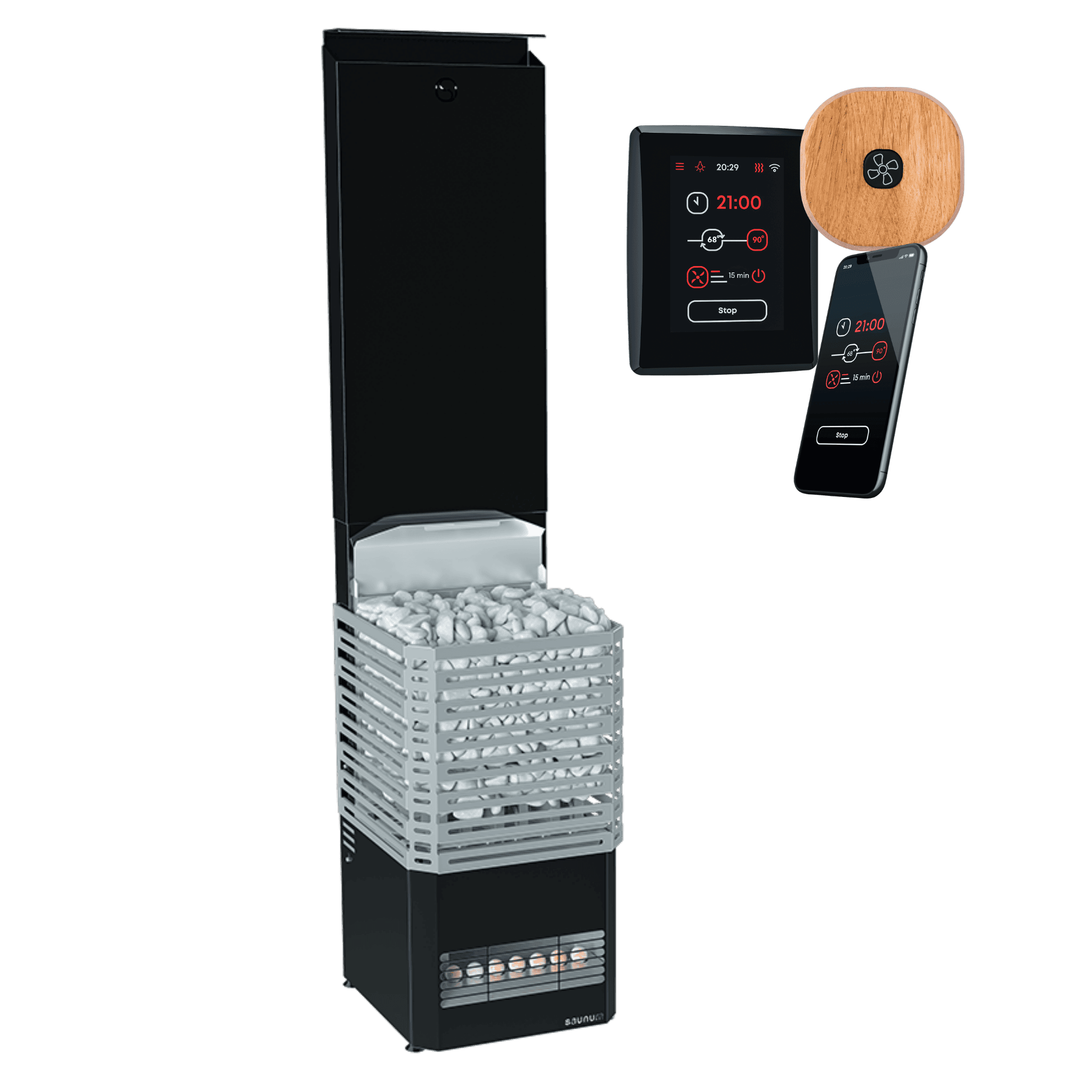
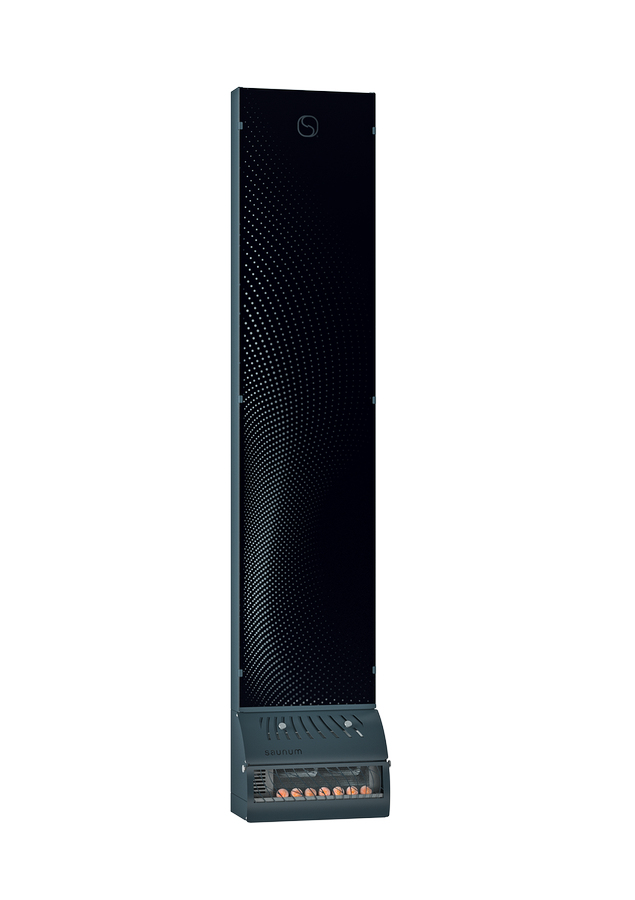
The quality of your sauna experience directly shapes the results you get from contrast therapy, and that quality starts with your heater. Our electric sauna heaters are built around a patented air circulation system that sets them apart from conventional heaters in ways that matter for your health:
- The system draws scorching steam from the ceiling, blends it with cooler, oxygen-rich air from the floor, and redistributes soft, even steam throughout the room, equalizing temperature by up to 60%
- The result is a more breathable sauna environment that is gentler on the airways, supports longer sessions, and promotes more intense, satisfying sweating
For anyone using sauna sessions as part of a hot and cold therapy routine, this means you can stay in the heat phase comfortably and safely, getting the full physiological benefit before your cold plunge. Saunum heaters also support salt ion enrichment, adding another layer of respiratory and wellness benefit to every session. If you want to get the most from contrast therapy, explore our range of electric sauna heaters and find the right fit for your space.
Frequently Asked Questions
How often should I do contrast therapy to see noticeable results?
Most people begin noticing improvements in recovery, mood, and energy levels within two to three weeks of consistent practice. Aim for two to four sessions per week to build a meaningful physiological adaptation without overtaxing your body. As your tolerance increases, you can gradually add more rounds per session or increase the frequency, always prioritizing how you feel over hitting a specific number.
Can I do hot and cold therapy at home without a dedicated cold plunge tub?
Absolutely. A cold shower is a highly effective and accessible alternative to a cold plunge tub, especially for beginners. Simply end your sauna session with a 1 to 3 minute cold shower, starting with water as cold as your tap allows. Over time, you can invest in a dedicated cold plunge vessel or chest freezer conversion if you want more precise temperature control, but a cold shower delivers genuine contrast therapy benefits on its own.
What is the ideal cold water temperature for a cold plunge after a sauna?
The most commonly recommended range for cold plunge water is between 10°C and 15°C (50°F to 59°F), which is cold enough to trigger a strong physiological response without posing unnecessary risk to beginners. More experienced practitioners sometimes go as low as 7°C to 10°C (45°F to 50°F) for a more intense stimulus. If you are just starting out, even water in the 15°C to 18°C (59°F to 64°F) range will produce meaningful benefits while your body adapts.
Should I eat or drink anything before a contrast therapy session?
Avoid eating a large meal within one to two hours before a session, as digestion diverts blood flow to the gut and can cause discomfort during heat exposure. Staying well hydrated before, during, and after your session is essential, since sauna use causes significant fluid and electrolyte loss through sweat. A small snack rich in electrolytes, such as a banana or a pinch of sea salt in water, can help sustain energy and prevent lightheadedness, particularly during multi-round sessions.
What are the most common mistakes beginners make with hot and cold therapy?
The most frequent mistake is rushing the process — cutting the heat phase short before a deep sweat is achieved, or exiting the cold too quickly out of discomfort before the body has time to adapt. Another common error is skipping the rest period between rounds, which is when much of the parasympathetic recovery and nervous system regulation actually occurs. Starting with realistic expectations, shorter durations, and a gradual progression will produce far better long-term results than pushing too hard too soon.
Can contrast therapy help with stress and anxiety, or is that mostly anecdotal?
The mental health benefits of contrast therapy are increasingly supported by research, not just anecdotal reports. Cold exposure in particular has been shown to significantly elevate norepinephrine levels — sometimes by 200 to 300% — a neurotransmitter closely linked to focus, mood regulation, and stress resilience. Combined with the cortisol-lowering effect of the heat phase, regular contrast therapy can meaningfully reduce baseline anxiety and improve emotional regulation over time, making it a legitimate complementary tool for mental wellness.
Does the type of sauna I use — traditional, infrared, or steam — affect my contrast therapy results?
Yes, the sauna type does influence the quality and character of your contrast therapy session. Traditional Finnish-style saunas with proper steam generation tend to produce the most intense, full-body heat response and are the most widely studied in contrast therapy research. Infrared saunas heat the body at lower ambient temperatures and may suit those who find conventional sauna heat too intense, though the physiological response can be less pronounced. Steam rooms offer high humidity that is particularly beneficial for respiratory health, but the lower temperatures may require longer sessions to achieve the same depth of sweat as a traditional sauna.