






Sauna use fits naturally into a holistic wellness routine as a recovery and restoration tool that complements exercise, sleep, and nutrition. Regular sessions support cardiovascular function, muscle recovery, stress reduction, and respiratory health, making the sauna one of the most versatile wellness practices available. The questions below unpack exactly how sauna use delivers these benefits and how to make it work for you.
What health benefits does regular sauna use actually deliver?
Regular sauna use delivers a range of evidence-supported health benefits, including improved circulation, reduced muscle tension, lower stress levels, and enhanced detoxification through sweat. Heat exposure triggers physiological responses similar to moderate exercise, making sauna use a genuinely therapeutic practice rather than a passive luxury.
When your body is exposed to sauna heat, your heart rate rises, blood vessels dilate, and circulation increases throughout the body. This cardiovascular response supports heart health over time and accelerates the delivery of oxygen and nutrients to muscles and tissues. At the same time, the heat promotes deep sweating, which helps flush metabolic waste and environmental toxins from the body.
Beyond the physical, sauna sessions trigger the release of endorphins and reduce cortisol levels, producing a measurable reduction in stress and anxiety. Many regular sauna users also report improved sleep quality, particularly when sessions are timed in the early evening. These combined effects make sauna health benefits genuinely broad, touching physical recovery, mental wellbeing, and long-term resilience.
How does sauna use support respiratory health and breathing?
Sauna use supports respiratory health by warming and humidifying the airways, which helps loosen mucus, reduce congestion, and ease breathing. Steam exposure in particular can soothe irritated respiratory passages, making sauna use a useful complementary practice for people managing conditions like asthma, allergies, or chronic sinus issues.
The warm, moist air inside a steam-rich sauna acts similarly to steam inhalation therapy, helping to open airways and reduce the effort required to breathe. For people with respiratory sensitivities, the quality of the steam matters enormously. Harsh, superheated steam concentrated near the ceiling can feel suffocating rather than soothing, which is why the distribution and softness of steam directly affect how breathable the sauna environment actually is.
A well-designed sauna that circulates air evenly and delivers soft, oxygen-mixed steam creates a noticeably more comfortable breathing environment. This is especially relevant for anyone using sauna as part of a respiratory health sauna routine, where the goal is therapeutic benefit rather than simply tolerating the heat.
What is salt therapy and how does it work in a sauna?
Salt therapy in a sauna involves infusing the air with microscopic salt ions, typically from Himalayan salt, which are inhaled during a session. These salt ions are believed to support respiratory health by reducing inflammation in the airways, clearing mucus, and creating an environment that is naturally antimicrobial.
Traditional salt therapy, known as halotherapy, takes place in purpose-built salt rooms. Bringing this benefit into a sauna setting makes it far more accessible and allows users to combine heat therapy with salt ion exposure in a single session. The key to effective salt therapy in a sauna is positioning the salt source within the airstream so that ions are actively carried through the room rather than simply sitting inert on a surface.
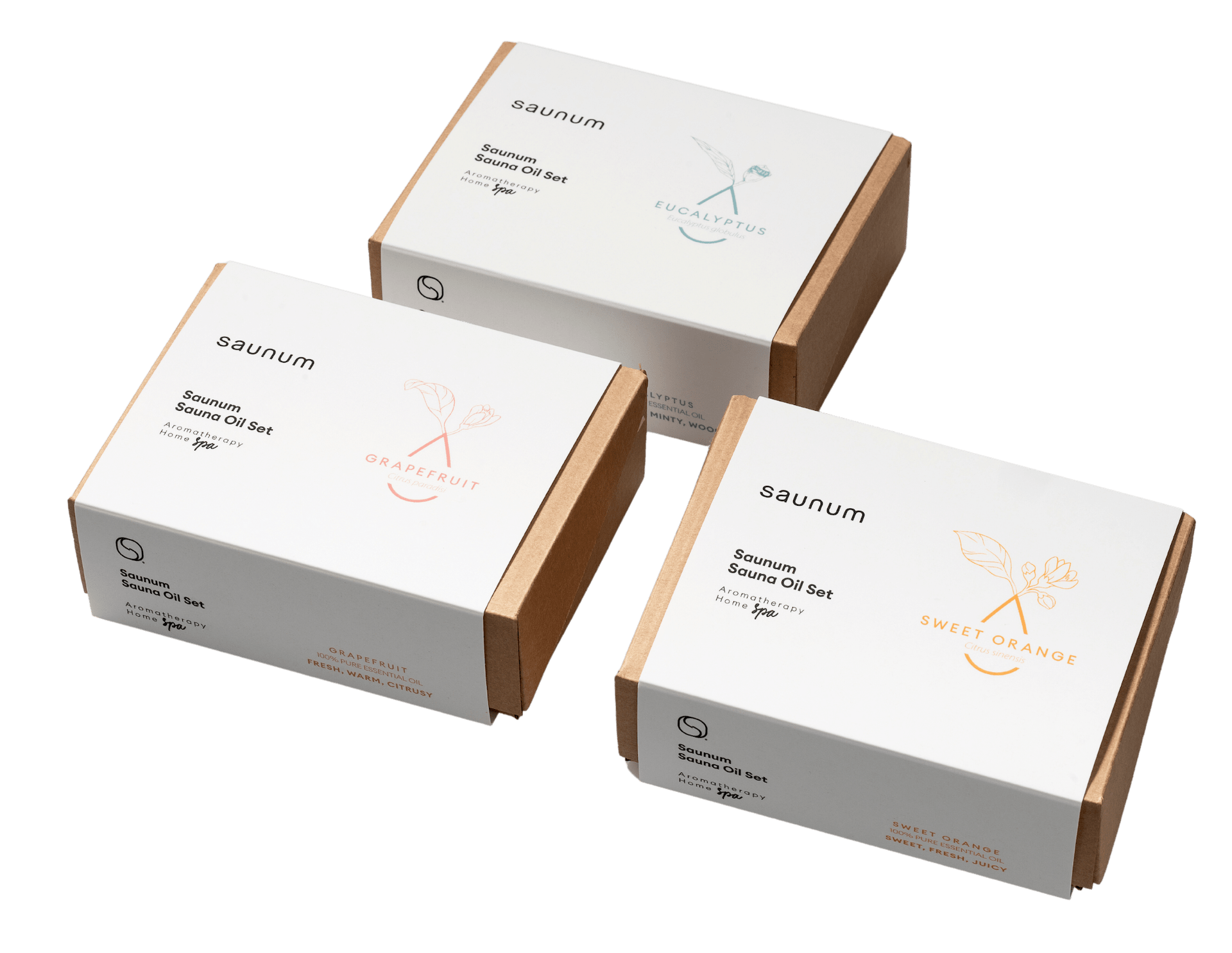
Our approach uses Himalayan salt orbs placed directly within the sauna’s air circulation system. As the sauna heater draws air through the unit and redistributes it throughout the room, the airstream passes over the salt orbs and carries beneficial ions into the breathing zone. This makes the salt therapy sauna experience both passive and continuous throughout the session, without any additional effort from the user.
How often should you use a sauna for wellness benefits?
For meaningful wellness benefits, most health practitioners and sauna researchers suggest using a sauna three to four times per week, with sessions lasting between 15 and 30 minutes. Consistency matters more than duration, and regular shorter sessions tend to deliver better long-term results than infrequent marathon sessions.
Beginners should start with shorter sessions of around 10 to 15 minutes and allow the body to adapt to heat exposure gradually. Hydration before and after each session is essential, as sauna use promotes significant fluid loss through sweat. Most people find their ideal sauna routine within a few weeks of consistent use.
For specific goals, the frequency can be adjusted:
- Muscle recovery: Sessions after exercise, two to four times per week
- Stress and sleep support: Evening sessions three to five times per week
- Respiratory health: Regular sessions two to four times per week, ideally with steam and salt therapy
- General detox sauna use: Two to three times per week as a sustainable baseline
How does sauna fit alongside exercise, sleep, and nutrition?
Sauna fits into a holistic wellness routine as a recovery and restoration layer that amplifies the benefits of exercise, sleep, and nutrition rather than replacing any of them. Used strategically, sauna sessions accelerate muscle repair after training, deepen sleep quality, and support the body’s natural detoxification processes that nutrition alone cannot fully address.
After exercise, heat exposure helps reduce delayed onset muscle soreness by increasing blood flow to fatigued muscles and supporting the removal of metabolic byproducts. This makes post-workout sauna use a practical and enjoyable recovery tool. When timed correctly, typically one to two hours before bed, sauna use also promotes the drop in core body temperature that signals the body to enter deep sleep, improving both sleep onset and sleep quality.
From a nutritional perspective, the intense sweating that comes with a good sauna session supports the elimination of certain waste products, complementing the liver and kidneys’ natural detox functions. Replenishing electrolytes and fluids after each session ensures that sauna use enhances rather than depletes your overall wellness foundation. Together, these four pillars, movement, heat, rest, and nutrition, form a genuinely integrated sauna wellness approach.
What should you look for in a sauna for a wellness routine?
For a wellness-focused sauna routine, the most important features to look for are even heat distribution, breathable steam quality, and the ability to customise the sauna environment to your specific health goals. A sauna that delivers consistent temperature from floor to ceiling and produces soft, oxygen-rich steam will always feel more comfortable and therapeutic than one that runs hot and harsh near the top.
Beyond basic heat performance, consider whether the sauna supports additional wellness modalities. Salt therapy integration, aromatherapy capability, and humidity control all expand what a single sauna session can deliver. Automation and ease of use also matter for long-term consistency, since a sauna that is simple to operate is one you will actually use regularly.
How Saunum’s electric sauna heaters support your wellness routine
Saunum’s electric sauna heaters are built around a patented air circulation system that directly addresses the most common barriers to a genuinely therapeutic sauna experience. Here is what sets them apart:
- Even temperature from floor to ceiling: The system draws superheated steam from the ceiling, blends it with cooler, oxygen-rich air from the floor, and redistributes soft steam evenly throughout the room, reducing temperature variation by up to 60%.
- Breathable, humidified steam: Because the steam is mixed with oxygenated air before re-entering the room, it feels softer and easier to breathe, making sessions longer and more comfortable.
- Integrated Himalayan salt therapy: Salt orbs sit within the airstream, so every breath during a session carries beneficial salt ions without any extra setup.
- Five wellness modes in one unit: Classic Nordic sauna, steam sauna, relaxation sauna, salt ion sauna, and aroma sauna are all available from a single heater.
Whether you are building a sauna wellness routine from scratch or upgrading an existing setup, Saunum gives you the tools to make every session count. Explore our full range of heaters and find the right fit for your space and wellness goals.
Frequently Asked Questions
Can I use a sauna if I have a pre-existing health condition like high blood pressure or heart disease?
People with cardiovascular conditions, high blood pressure, or other chronic health conditions should consult their doctor before starting a regular sauna routine. While research suggests that consistent sauna use can support heart health over time, individual circumstances vary, and a medical professional can help you determine safe session lengths and frequencies. Starting with shorter, lower-temperature sessions and monitoring how your body responds is a sensible approach for anyone with health concerns.
What is the best way to stay hydrated during and after a sauna session?
Drink 1–2 glasses of water before entering the sauna, and keep a water bottle accessible so you can sip during longer sessions if needed. After your session, rehydrate with water or an electrolyte drink to replace the fluids and minerals lost through sweat — plain water alone may not be sufficient after an intense session. Avoid alcohol before or during sauna use, as it accelerates dehydration and can mask the warning signs of overheating.
How long does it typically take to notice the health benefits of regular sauna use?
Many people notice immediate effects after their first few sessions, such as reduced muscle tension, a calmer mood, and improved sleep that same night. More cumulative benefits — like better cardiovascular resilience, reduced frequency of respiratory issues, and deeper recovery from exercise — typically become noticeable after four to eight weeks of consistent use, three to four times per week. Tracking simple metrics like sleep quality, post-workout soreness, and stress levels can help you observe progress over time.
Is it safe to use a sauna every day, or is rest between sessions important?
Daily sauna use is generally safe for healthy adults who are well-hydrated and listen to their body’s signals, and some research populations — such as Finnish adults — use saunas daily without adverse effects. That said, most wellness practitioners recommend three to five sessions per week as a sustainable and effective baseline, allowing the body adequate recovery time. If you choose to use a sauna daily, keep sessions moderate in length (15–20 minutes) and pay close attention to hydration and any signs of fatigue or dizziness.
What common mistakes should beginners avoid when starting a sauna wellness routine?
The most common beginner mistakes are staying in too long too soon, skipping hydration, and entering the sauna immediately after intense exercise without cooling down first. Overexposure in early sessions can lead to dizziness, nausea, or fatigue, which can put people off sauna use entirely — starting with 10–15 minute sessions and building up gradually prevents this. It is also worth avoiding heavy meals directly before a session, as digestion and heat exposure together can cause discomfort.
Can children or elderly individuals safely use a sauna as part of a wellness routine?
Children can use saunas safely with adult supervision, shorter session times (5–10 minutes), and lower temperatures, though it is best to introduce them gradually and ensure they can communicate discomfort clearly. Elderly individuals can also benefit from regular sauna use, but should take extra precautions around hydration, session length, and standing up slowly afterward to avoid dizziness from blood pressure changes. In both cases, consulting a healthcare provider before establishing a routine is a sensible first step.
Does the type of sauna — traditional Finnish, steam, or infrared — affect the wellness benefits you receive?
Each sauna type delivers overlapping but slightly different benefits: traditional Finnish saunas excel at cardiovascular stimulation and deep sweating, steam saunas are particularly effective for respiratory health and skin hydration, and infrared saunas penetrate tissue more deeply at lower ambient temperatures, which some users find gentler for muscle recovery. The “best” type depends on your primary wellness goals and personal comfort preferences. Units that offer multiple modes — like switching between classic, steam, and salt ion settings — give you the flexibility to target different benefits within a single sauna setup.