


Most people notice meaningful changes from a regular sauna routine within two to four weeks of consistent use. Skin clarity, improved sleep, and easier breathing are often among the first shifts people report. The timeline varies depending on session frequency, duration, and the quality of the sauna environment, but the body responds relatively quickly to heat-based therapy. Below, we answer the most common questions about what to expect as your routine builds.
How soon do sauna benefits start to show?
Noticeable sauna benefits typically begin within one to three weeks of regular sessions. Early changes include improved circulation, reduced muscle tension, and a general sense of calm after each session. These effects accumulate over time, meaning the longer and more consistently you use a sauna, the more pronounced and lasting the results become.
In the first few sessions, your body is largely adapting to the heat. Your heart rate rises, blood vessels dilate, and your sweat glands become more active. By the second or third week, many people find they tolerate heat more comfortably, sweat more efficiently, and feel a clearer difference in how they sleep and recover. The key driver here is consistency. Sporadic sessions produce temporary relief, while a structured routine creates cumulative, body-wide change.
What happens to your skin with regular sauna use?
Regular sauna use supports skin health by opening pores, increasing circulation to the skin’s surface, and promoting deep sweating that helps clear out impurities. Over several weeks, many people notice their complexion looks clearer, feels softer, and has a more even tone. These changes are driven by improved blood flow and the skin’s natural cleansing response to heat.
Sweating is one of the body’s primary detoxification mechanisms, and the skin benefits directly from this process. When you sweat consistently and deeply, the skin becomes more effective at flushing out what has built up in pores. Staying well hydrated before and after sessions amplifies these effects and prevents the dryness that can occur if moisture is not replenished. The sauna detox benefits for skin are most visible after four to six weeks of regular use.
Can a sauna routine improve breathing and respiratory health?
Yes, a regular sauna routine can meaningfully support respiratory health. The warm, humid air in a sauna helps open airways, loosen mucus, and reduce inflammation in the respiratory tract. People with mild respiratory concerns often report easier breathing and less congestion after consistent sauna sessions over several weeks.
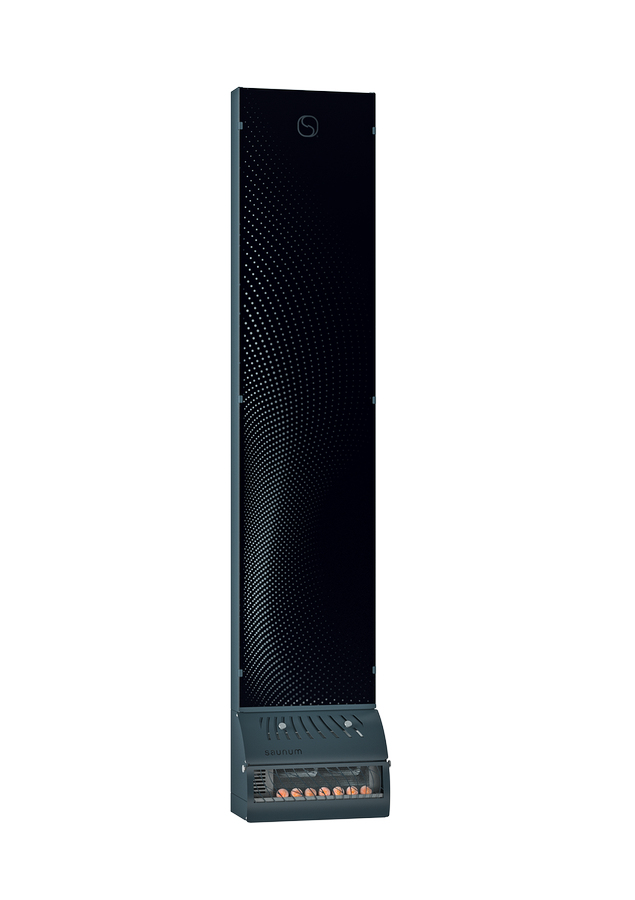
The quality of the steam matters significantly here. Steam that is overly harsh or unevenly distributed can feel suffocating rather than soothing. A breathable steam sauna environment, where air is well mixed and oxygen-rich rather than stagnant and scorching, makes it easier to breathe deeply throughout the session. This is where the design of your sauna heater plays a direct role in how much respiratory benefit you actually experience. Our electric sauna heaters are built specifically to create this kind of environment, drawing hot steam down from the ceiling, blending it with cooler floor-level air, and returning it as soft, even steam throughout the room.
Does regular sauna use help with stress and sleep?
Regular sauna use is one of the most effective natural tools for reducing stress and improving sleep quality. The heat triggers a parasympathetic nervous system response, lowering cortisol levels and encouraging deep physical relaxation. Many people who sauna consistently report falling asleep faster and waking up feeling more rested within the first few weeks of building a routine.
The mechanism behind the sleep benefit is well understood. As your core body temperature rises in the sauna and then gradually drops afterward, it mimics the natural temperature decline your body uses to initiate sleep. Evening sauna sessions, in particular, can serve as a powerful wind-down signal for the nervous system. For stress, the combination of heat, stillness, and the physical release of tension in muscles creates a reset that is difficult to replicate through other means.
What’s the difference between occasional and consistent sauna sessions?
The difference between occasional and consistent sauna use is the difference between temporary relief and lasting physiological change. A single session can relax muscles and improve mood for a day or two. A consistent routine, practiced several times per week over months, retrains the body’s stress response, improves cardiovascular efficiency, and produces durable improvements in skin, sleep, and respiratory function.
Think of it like exercise. One workout makes you feel good. A regular training schedule changes your body. The same logic applies to sauna use. Occasional sessions are valuable, but they do not give the body enough repeated stimulus to adapt and improve at a deeper level. Consistency is what transforms a sauna from a luxury into a genuine wellness tool.
How many sauna sessions per week deliver noticeable results?
Two to four sauna sessions per week is the range most associated with noticeable, lasting results. At this frequency, the body receives enough repeated heat stimulus to adapt and improve across multiple systems, including circulation, skin health, stress regulation, and respiratory function. Sessions of 15 to 30 minutes each are generally sufficient for most people starting a routine.
- Two sessions per week: A solid starting point for beginners, producing gradual improvements over four to six weeks
- Three to four sessions per week: The range where most people report the clearest and fastest changes in sleep, skin, and energy
- Daily sessions: Possible for experienced sauna users, but rest days are beneficial for recovery and hydration
- Session length: 15 to 20 minutes is effective for most; longer sessions are not necessarily better, especially early on
The quality of each session matters as much as the number. A well-designed sauna environment where temperature is consistent and steam is soft and breathable allows you to stay in longer, sweat more intensely, and leave feeling genuinely restored rather than depleted.
How Saunum’s electric sauna heaters support your sauna routine results
Getting the most from a regular sauna routine depends heavily on the environment your heater creates. Saunum’s patented air circulation system addresses the core problem with most traditional saunas: uneven heat distribution that makes the air near the ceiling unbearably hot while the floor stays cool, forcing you to cut sessions short.
- The system draws scorching steam from the ceiling, blends it with cooler, oxygen-rich air from the floor, and returns it as soft, even steam throughout the room
- The temperature is equalized by up to 60%, making the air genuinely breathable rather than harsh
- The optional Himalayan salt orb reservoir infuses the air with beneficial salt ions during each session, adding a salt therapy sauna dimension to your routine
- The result is longer, more comfortable sessions with more intense sweating and deeper relaxation
If you are building a sauna routine and want every session to count, explore Saunum’s range of electric sauna heaters and find the model that fits your space and wellness goals.
Frequently Asked Questions
How do I know if my sauna sessions are actually working?
The clearest signs that your sauna routine is producing real results include sweating more quickly and efficiently than when you started, sleeping more deeply on session nights, and noticing less muscle soreness after physical activity. Skin texture and clarity are also reliable indicators — if your complexion looks clearer and feels softer after three to four weeks, your body is responding well. If you are not noticing any of these changes, it is worth evaluating your session frequency, hydration levels, and whether your sauna environment is producing consistent, breathable heat.
What should I do immediately after a sauna session to maximize the benefits?
Cooling down gradually after a session — whether through a cool shower, a brief outdoor rest, or simply sitting in a cooler room — helps lock in the cardiovascular and relaxation benefits by supporting the natural temperature drop your body undergoes post-heat. Rehydrating with water or an electrolyte drink is equally important, as you can lose a significant amount of fluid through sweating. Avoid alcohol immediately after a session, as it accelerates dehydration and counteracts the recovery benefits your body is working to consolidate.
Can I use the sauna if I have sensitive skin or a skin condition like eczema?
Many people with sensitive skin or mild conditions like eczema find that regular sauna use actually improves their skin over time, thanks to improved circulation and the gentle cleansing effect of deep sweating. However, it is important to start with shorter sessions at moderate temperatures and monitor how your skin responds in the hours afterward. Always consult a dermatologist before starting a sauna routine if you have an active flare-up or a diagnosed skin condition, and prioritize thorough moisturizing immediately after each session to prevent dryness.
Is it better to sauna in the morning or evening for sleep and stress benefits?
Evening sessions, ideally one to two hours before bed, are most effective for improving sleep quality because the post-sauna temperature drop closely mimics the body’s natural cooling process that triggers sleep onset. Morning sessions, on the other hand, are better suited for energizing the body, improving circulation, and setting a calm, focused tone for the day. For stress reduction, either time works well — the key is choosing a consistent time that fits your schedule, since regularity matters more than the specific hour.
What are the most common mistakes people make when starting a sauna routine?
The most frequent mistake is going too hard too soon — starting with sessions that are too long or too hot before the body has had time to adapt, which leads to dizziness, fatigue, or an unpleasant experience that discourages consistency. Skipping hydration before and after sessions is another common error that blunts the skin and detox benefits and increases recovery time. Finally, many beginners treat sauna sessions as occasional treats rather than a structured habit, which prevents the cumulative physiological adaptations that make a sauna routine genuinely transformative.
How long does it take to see sauna benefits if I can only manage one session per week?
One session per week will still produce noticeable benefits, but the timeline extends significantly — expect to wait eight to twelve weeks before seeing the kind of changes that a two-to-four-times-per-week routine would deliver in four to six weeks. The body needs repeated heat stimulus to adapt at a deeper level, so a single weekly session provides maintenance and mild improvement rather than accelerated change. If scheduling is a constraint, focus on maximizing the quality of each session by ensuring your sauna environment is well-heated, the steam is even and breathable, and you are fully hydrated going in.
Do I need a specific type of sauna to get these benefits, or will any sauna work?
The core benefits of sauna use — improved circulation, stress reduction, better sleep, and skin health — are achievable in any sauna that reaches adequate temperatures and allows you to stay comfortably for 15 to 30 minutes. However, the quality of the heat environment has a direct impact on how effective and enjoyable each session is. Saunas with uneven heat distribution, where the air near the ceiling is scorching while the floor stays cool, often force sessions to end prematurely, reducing the cumulative benefit — which is why even heat circulation, like that produced by Saunum’s patented system, makes a measurable difference in long-term results.