
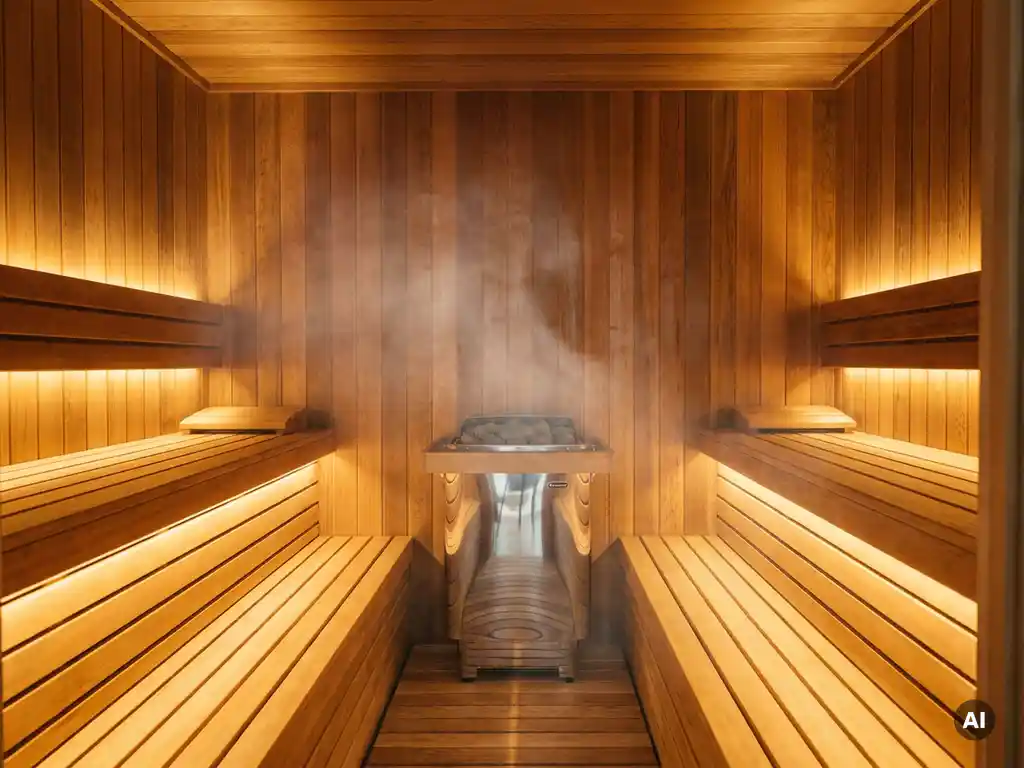
Even temperature distribution improves sauna comfort by eliminating the harsh heat zones that make sessions feel overwhelming or unpleasant. When the air is evenly mixed from floor to ceiling, you can breathe more easily, stay longer, and actually enjoy the experience rather than enduring it. The sections below unpack exactly why this matters and how it works.
Why does sauna temperature vary so much from floor to ceiling?
Sauna temperature varies dramatically from floor to ceiling because hot air is lighter than cool air and rises naturally. In a conventional sauna, the air near the ceiling can be 20 to 30 degrees hotter than the air near the floor. This layering effect means the steam and heat you want most stays trapped at the top, while you sit in a cooler, drier zone below.
This is a straightforward result of thermodynamics. Without any mechanism to disrupt the layering, the heat simply stratifies. The ceiling becomes a reservoir of scorching, oxygen-depleted air, while the lower half of the room stays comparatively mild. When you throw water on the stones, that burst of steam shoots upward and joins the already intense heat layer above, making the temperature spike feel sudden and harsh rather than gentle and enveloping.
How does even heat distribution make sauna sessions more comfortable?
Even heat distribution makes sauna sessions more comfortable by replacing sharp temperature extremes with a consistent, enveloping warmth throughout the room. Instead of feeling blasted by sudden heat spikes near your head while your feet stay cool, your whole body experiences the same gentle, steady temperature. Sessions feel less aggressive, allowing you to relax more deeply and stay in longer.
Comfort in a sauna is not just about the number on the thermometer. It is about how the heat feels on your skin and in your lungs. When the temperature is uniform, the steam is softer and the air feels less suffocating. You stop bracing against the heat and start actually unwinding. This is why people who use saunas with balanced air tend to describe the experience as more enjoyable and less exhausting, even at the same nominal temperature.
What role does air circulation play in sauna temperature balance?
Air circulation is the key mechanism that breaks down temperature stratification in a sauna. By actively moving air between the hot ceiling layer and the cooler floor level, circulation prevents heat from pooling at the top and cold air from sitting stagnant at the bottom. The result is a room where the temperature difference between floor and ceiling is dramatically reduced.
Passive ventilation alone is rarely enough to achieve true balance. Effective sauna air circulation requires a deliberate system that draws the superheated steam from the ceiling, blends it with the cooler, oxygen-richer air near the floor, and redistributes the mixed air evenly throughout the room. This process does more than just even out the temperature. It also refreshes the oxygen content of the air you breathe, which is a significant factor in how long and comfortably you can stay in the sauna.
Does even temperature distribution improve breathing in the sauna?
Yes, even temperature distribution genuinely improves breathing in the sauna. When hot, oxygen-depleted air is trapped at ceiling level and never circulated back down, the air you actually breathe is drier and lower in oxygen than it should be. Mixing that ceiling air with cooler, fresher air from below produces steam that is softer, more humid, and easier on the airways.
For anyone with respiratory sensitivities, this distinction matters considerably. Harsh, superheated air can irritate the throat and lungs, making it difficult to take slow, deep breaths. Softer, well-mixed steam feels gentler on the respiratory tract and allows for more relaxed, natural breathing throughout the session. This is one of the reasons that a breathable steam sauna environment is increasingly valued by health-conscious users and wellness practitioners alike.
How does uniform sauna heat affect detoxification and sweating?
Uniform sauna heat promotes more consistent and intense sweating across the entire body, which supports the detoxification process. When heat is evenly distributed, every part of your body is exposed to the same therapeutic warmth rather than only the areas closest to the heat source. This full-body engagement encourages deeper, more sustained perspiration rather than patchy or surface-level sweating.
Sweating is the body’s primary mechanism for regulating temperature and expelling certain waste products through the skin. A sauna environment with stable, uniform heat allows the body to reach and maintain an effective sweating response without the discomfort of sudden heat spikes that can cut a session short. Longer, more comfortable sessions naturally lead to more thorough perspiration, which is central to the sauna health benefits most people are seeking.
What’s the difference between a traditional sauna and one with climate equalization?
The key difference is how each handles air stratification. A traditional sauna relies entirely on passive heat rising from the stones, which means extreme temperature layering is unavoidable. A sauna with climate equalization uses an active system to blend the hot ceiling air with cooler floor air, reducing the temperature gap between top and bottom by a significant margin and delivering a fundamentally different experience.
In practical terms, this means:
- The air near your head and the air near your feet feel much closer in temperature
- Steam is softer and more breathable rather than sharp and overwhelming
- You can throw water on the stones more frequently without creating unbearable heat spikes
- Sessions tend to feel longer, more satisfying, and less physically taxing
Climate equalization also opens the door to additional wellness features. When the air is actively circulated, it becomes possible to infuse that airstream with beneficial elements, such as Himalayan salt ions, delivering therapeutic benefits more effectively throughout the entire room rather than concentrating them near a single point.
How Saunum’s electric sauna heaters deliver even temperature distribution
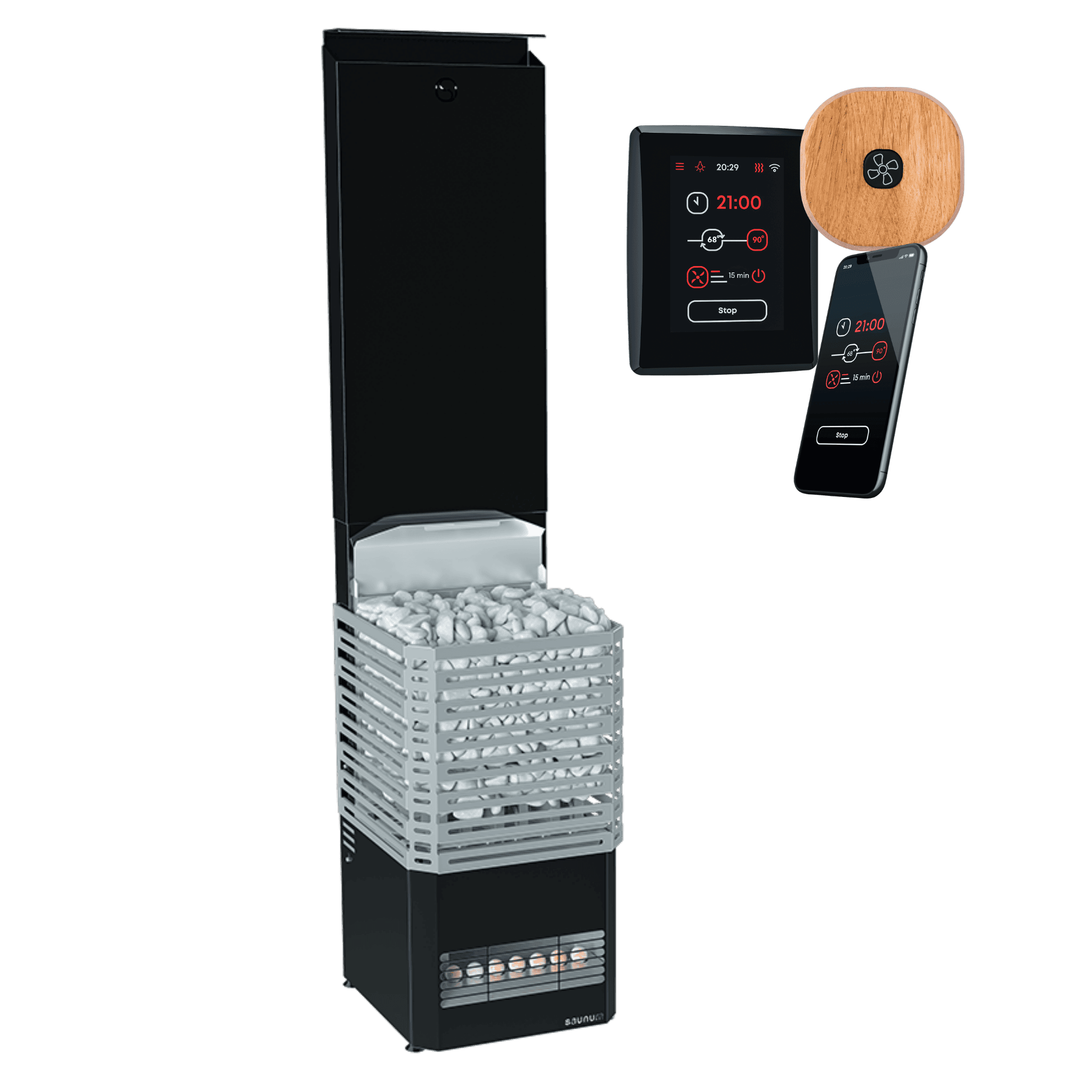
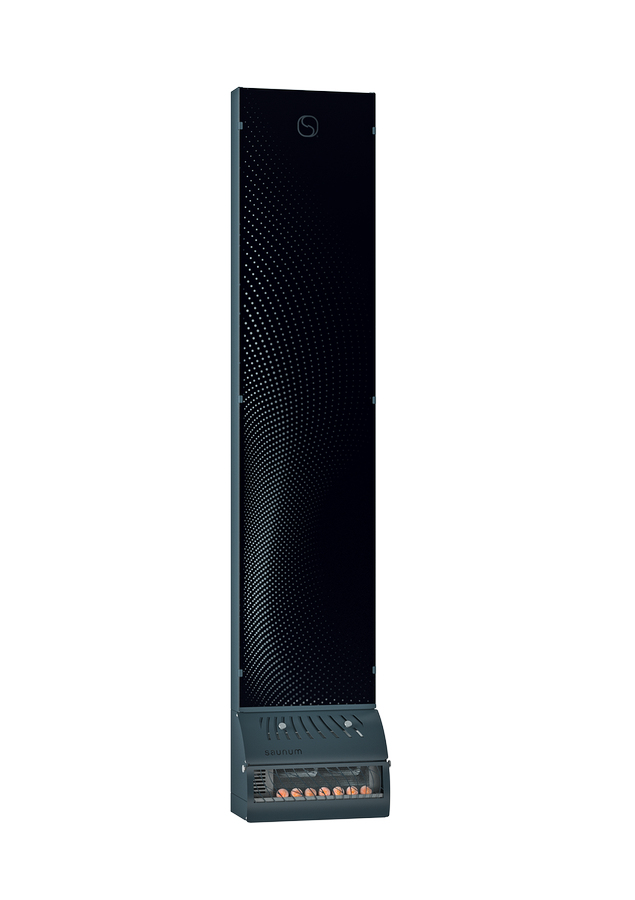
Our electric sauna heaters are built around a patented air circulation system designed specifically to solve the stratification problem described throughout this article. Here is how it works in practice:
- The heater draws superheated steam from the ceiling, where it would otherwise sit unused and be uncomfortable
- That hot air is blended with cooler, oxygen-rich air from the floor level
- The resulting soft, even steam is redistributed throughout the room, reducing the floor-to-ceiling temperature gap by up to 60%
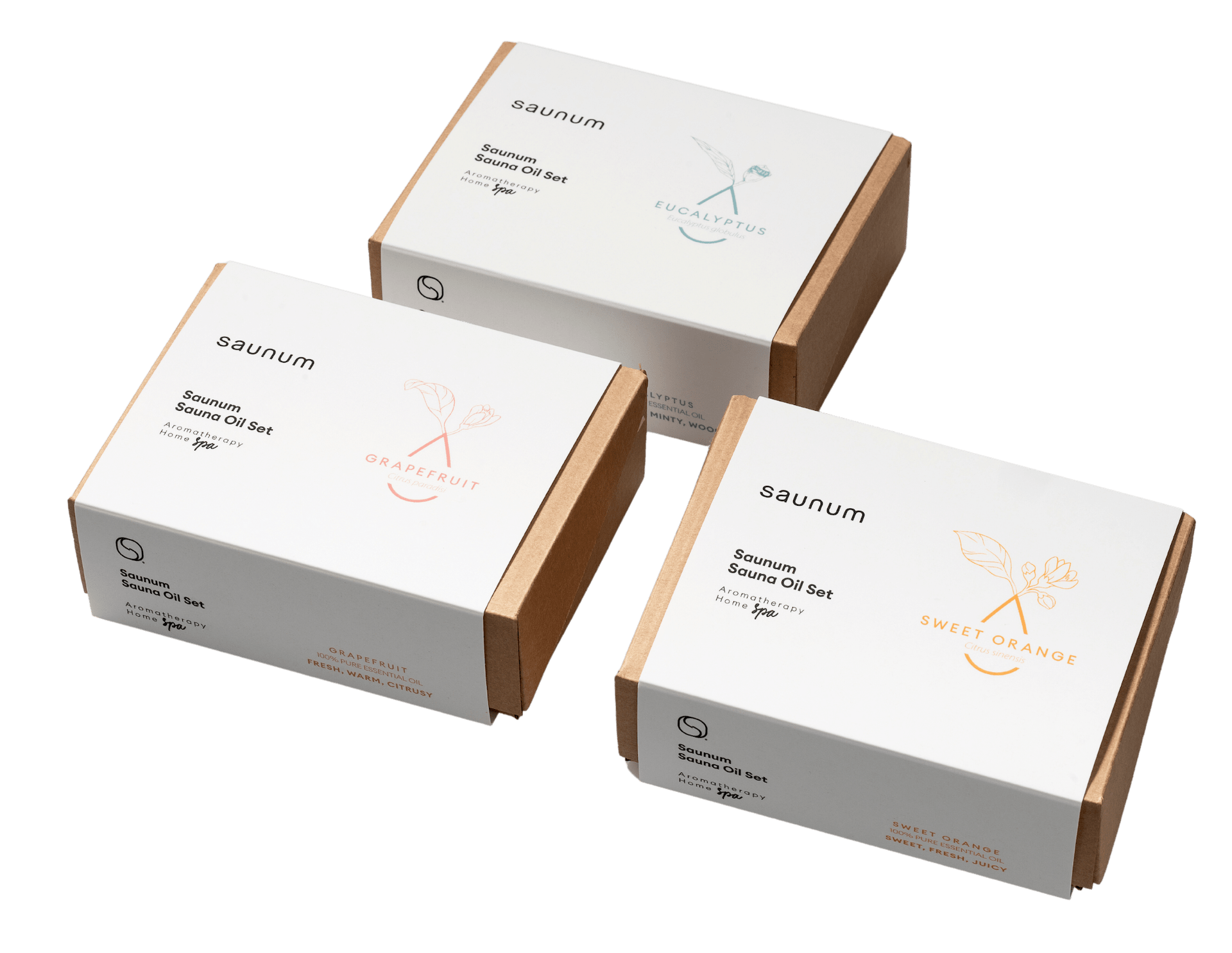
- Optional Himalayan salt orbs are placed directly in the airstream, infusing every session with beneficial salt ions for added respiratory and wellness support
The result is a sauna that is genuinely more comfortable, more breathable, and more effective for sweating and recovery. If you are ready to experience the difference that uniform sauna heat makes, explore Saunum’s range of heaters and find the right fit for your space.
Frequently Asked Questions
How do I know if my current sauna has a temperature stratification problem?
The easiest way to check is to hold your hand at floor level and then at ceiling level during a session — if the difference feels dramatic (more than a few degrees), stratification is working against you. Other telltale signs include feeling uncomfortably hot near your head while your feet stay cool, finding it hard to breathe deeply during sessions, or noticing that steam from the stones feels sharp and overwhelming rather than soft and enveloping. A simple thermometer placed at bench height versus ceiling height can also give you a concrete measurement of the gap.
Can I improve heat distribution in my existing sauna without replacing the heater?
There are some partial measures you can try, such as adjusting your ventilation openings, repositioning the air intake and exhaust vents, or using a small sauna-safe fan to encourage air movement — but these solutions rarely deliver meaningful results on their own. True temperature equalization requires an active system that deliberately draws hot ceiling air downward and blends it with cooler floor air, which is a function built into purpose-designed heaters rather than something easily retrofitted. If stratification is significantly affecting your comfort, upgrading to a heater with an integrated air circulation system is the most effective long-term solution.
What temperature range should I aim for in an evenly distributed sauna environment?
In a well-balanced sauna, most users find the sweet spot between 70°C and 90°C (158°F–194°F) at bench level, with the floor-to-ceiling difference ideally kept within 10°C rather than the 20–30°C gap common in traditional setups. Because even heat feels gentler and less aggressive, many users actually prefer slightly higher nominal temperatures in a climate-equalized sauna than they would tolerate in a stratified one. Start at the lower end of your comfort range and adjust gradually — you may find you can comfortably extend your sessions compared to what you were used to.
Is even heat distribution beneficial for specific health conditions or recovery goals?
Yes, particularly for users focused on muscle recovery, respiratory wellness, or cardiovascular conditioning. Uniform heat ensures the entire body is engaged therapeutically rather than just the areas closest to the heat source, which supports more consistent circulation and deeper, sustained sweating. For those with respiratory sensitivities, softer and more evenly mixed steam is significantly easier to breathe than the sharp, superheated air found near the ceiling of a traditional sauna. As always, consult your healthcare provider before using a sauna if you have a pre-existing medical condition.
How does the optional Himalayan salt feature work alongside air circulation, and is it worth it?
When Himalayan salt orbs are placed directly in the active airstream of a circulation-based heater, the moving air picks up salt ions and distributes them evenly throughout the entire room — rather than concentrating the effect near a single salt lamp or block sitting in the corner. This means every breath you take during the session carries those ions, which many wellness practitioners associate with respiratory and skin benefits. If respiratory support or enhanced wellness is a priority for you, the combination of active air circulation and Himalayan salt infusion is a meaningful upgrade over passive salt accessories.
How long does it typically take to notice the difference when switching to a sauna with climate equalization?
Most users notice the difference within their very first session — the steam feels softer, breathing feels easier, and the heat feels more enveloping rather than aggressive. The more telling sign often comes at the end of a session: users frequently report feeling less drained and more refreshed compared to their experience in a traditionally stratified sauna at a similar temperature. Over multiple sessions, the cumulative benefit of longer, more comfortable, and more consistent sweating becomes increasingly apparent in terms of recovery and overall wellbeing.
What size sauna space is best suited for active air circulation systems like Saunum's heaters?
Saunum’s range of electric sauna heaters is designed to accommodate a variety of room sizes, from compact home saunas to larger commercial installations, with different models matched to different cubic meter capacities. The key is selecting a heater rated for your specific room volume — an undersized unit will struggle to circulate air effectively, while an oversized one can make the environment too intense. Checking the manufacturer’s recommended room size specifications and consulting with a sauna specialist before purchasing ensures you get the right fit for your space and usage habits.