
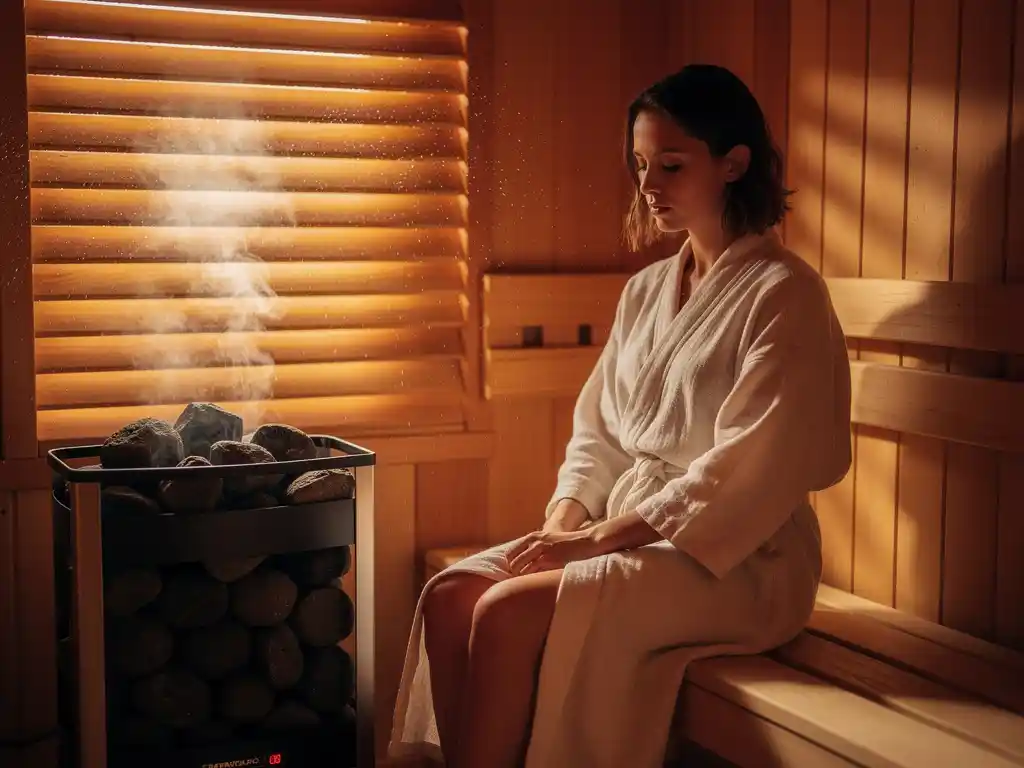
Yes, sauna sessions can significantly improve sleep quality and accelerate recovery. Heat therapy triggers natural body-cooling processes that promote deeper sleep phases while increasing circulation to speed muscle recovery. The key lies in proper timing and post-sauna routines that work with your body’s natural rhythms to maximize these sauna wellness benefits.
How does heat therapy actually affect your sleep cycle?
Heat therapy works by triggering your body’s natural temperature-regulation system, which directly influences sleep onset and quality. The physiological changes that occur during and after sauna use create optimal conditions for restorative sleep through several interconnected processes:
- Temperature regulation response: When you expose yourself to sauna heat, your core body temperature rises significantly, and the subsequent cooling process naturally promotes drowsiness and deeper sleep phases
- Melatonin production boost: The dramatic temperature drop after leaving the sauna stimulates melatonin production, your body’s primary sleep hormone that signals your brain to prepare for rest
- Cortisol reduction: The thermal therapy recovery process reduces cortisol levels, helping your nervous system shift from alertness to relaxation
- Natural sleep cue activation: Your body interprets the temperature shift as a natural bedtime signal, similar to the gradual cooling that occurs naturally in the evening
These combined effects create a powerful sleep-promoting cascade that makes it easier to fall asleep faster, stay asleep longer, and achieve more restorative sleep cycles. The thermal therapy recovery process essentially hijacks your body’s natural circadian rhythm cues, amplifying the transition from wakefulness to deep, quality sleep that enhances both mental clarity and physical recovery.
What’s the best time to use a sauna for better sleep?
Strategic timing is crucial for maximizing the sleep benefits of sauna use. The optimal approach involves several key considerations that work together to enhance your natural sleep cycle:
- 1-2 hours before bedtime: This timing allows sufficient opportunity for your body temperature to naturally decrease and trigger sleepiness without disrupting your sleep cycle
- 15-20 minute sessions: This duration provides adequate heat exposure to trigger beneficial responses without overstimulating your system or causing excessive dehydration
- Evening sessions (7-9 p.m.): Late-evening timing works well for most people with typical sleep schedules, avoiding the initial energizing effect that can temporarily increase alertness
- Consistent scheduling: Regular timing helps your body adapt to thermal therapy patterns, making the sleep-promoting response more predictable and effective
Your individual schedule and natural energy patterns should guide your specific timing choices when using your home sauna. Some people may find slightly earlier or later sessions work better based on their work schedules, family commitments, or personal chronotype. The key is establishing a routine that feels sustainable and allows your body to develop a reliable response to the thermal therapy, creating a natural bridge between your active day and restorative sleep.
How do sauna sessions speed up muscle recovery and reduce soreness?
Sauna sessions create a comprehensive recovery environment through multiple physiological mechanisms that work simultaneously to accelerate healing and reduce discomfort:
- Enhanced blood circulation: Heat causes blood vessels to dilate dramatically, delivering increased oxygen and nutrients to muscle tissues while efficiently removing metabolic waste products that contribute to soreness
- Inflammation reduction: The heat stress triggers beneficial adaptations that reduce inflammation markers throughout your body, similar to the positive stress response from mild exercise
- Waste product elimination: Increased blood flow carries away inflammatory compounds and lactic acid buildup that cause muscle fatigue and delayed-onset soreness
- Growth hormone release: Heat therapy promotes the release of growth hormone and other recovery-supporting compounds that help rebuild muscle tissue naturally
- Cardiovascular strengthening: Regular sauna use strengthens your body’s ability to handle physical stress and recover more efficiently from future activities
These sauna recovery benefits work synergistically to create an optimal healing environment that continues working while you sleep. The improved circulation and reduced inflammation don’t just provide immediate relief—they establish better baseline conditions for ongoing recovery, making your body more resilient to daily physical stress and better equipped to repair and strengthen muscle tissue during rest periods.
What should you do after a sauna session to maximize sleep benefits?
Your post-sauna routine is just as important as the session itself for maximizing sleep and recovery benefits. A well-planned approach helps maintain the relaxation response while supporting your body’s natural cooling and recovery processes:
- Gradual cooling process: Take a cool shower or allow gentle cooling to help your body temperature decrease naturally, avoiding ice-cold water that can shock your system and counteract relaxation
- Strategic hydration: Drink room-temperature water steadily to replace fluids lost through sweating, but avoid excessive amounts that might disrupt sleep with bathroom visits
- Sleep environment preparation: Set up your bedroom to be cool, dark, and quiet while your body continues the cooling process
- Gentle movement: Incorporate light stretching or gentle breathing exercises to maintain the relaxed state without stimulating your nervous system
- Relaxation activities: Engage in calming practices like gentle yoga, meditation, or reading in dim light to complement the natural relaxation response
- Activity avoidance: Stay away from stimulating activities like intense exercise, bright screens, or stressful conversations that can counteract the peaceful mindset
These post-sauna practices work together to create a seamless transition from the therapeutic heat session to quality sleep. The goal is to maintain and extend the beneficial physiological changes initiated by the sauna while supporting your body’s natural preparation for rest. When executed consistently, this routine transforms your sauna health benefits from a single therapeutic event into a comprehensive wellness practice that enhances both immediate sleep quality and long-term recovery patterns.
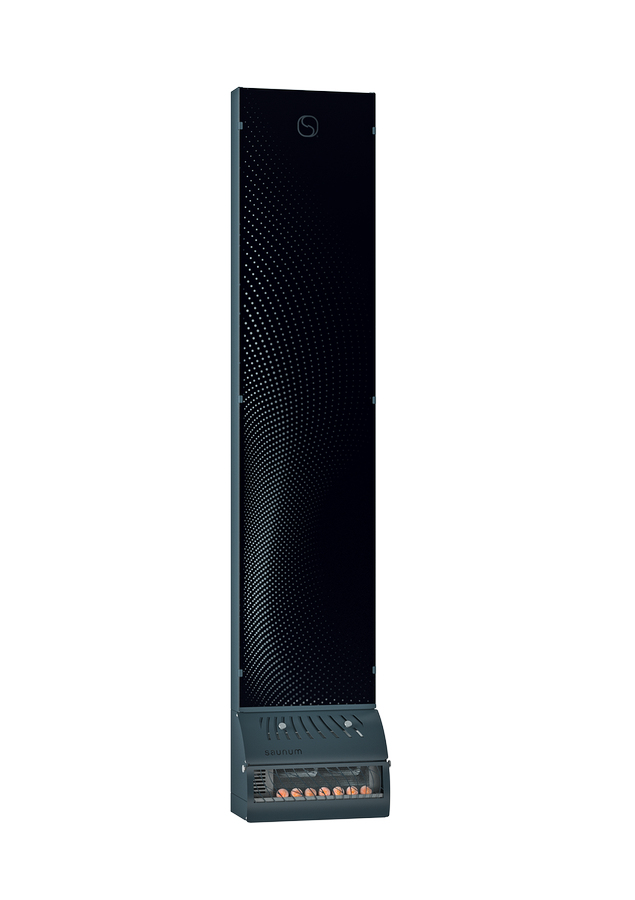
Regular sauna use creates a powerful foundation for both better sleep and faster recovery. The combination of heat therapy’s physiological effects and proper timing transforms your evening routine into a wellness practice that supports your body’s natural healing processes. When you’re ready to experience these benefits at home, we offer advanced electric sauna heaters with patented air-circulation systems that create the perfect environment for therapeutic heat sessions that enhance both sleep quality and recovery.
If you’re interested in getting started with Sauna, check out our full range today.