




Essential oils and saunas seem like a natural pairing. The warmth, the steam, and the sensory experience of a home sauna or indoor steam room all lend themselves beautifully to aromatherapy. But the method you use to introduce those oils matters enormously, both for your safety and for the longevity of your heater. Before you reach for that bottle of eucalyptus oil and pour it directly onto your stones, here is what you need to know.
This guide answers the most common questions sauna builders, homeowners, and enthusiasts ask about using essential oils safely in a home sauna environment. From what actually happens to your heating elements when oils hit them to the cleanest and most effective aromatherapy methods available today, we cover it all.
Can you put essential oils directly on sauna rocks?
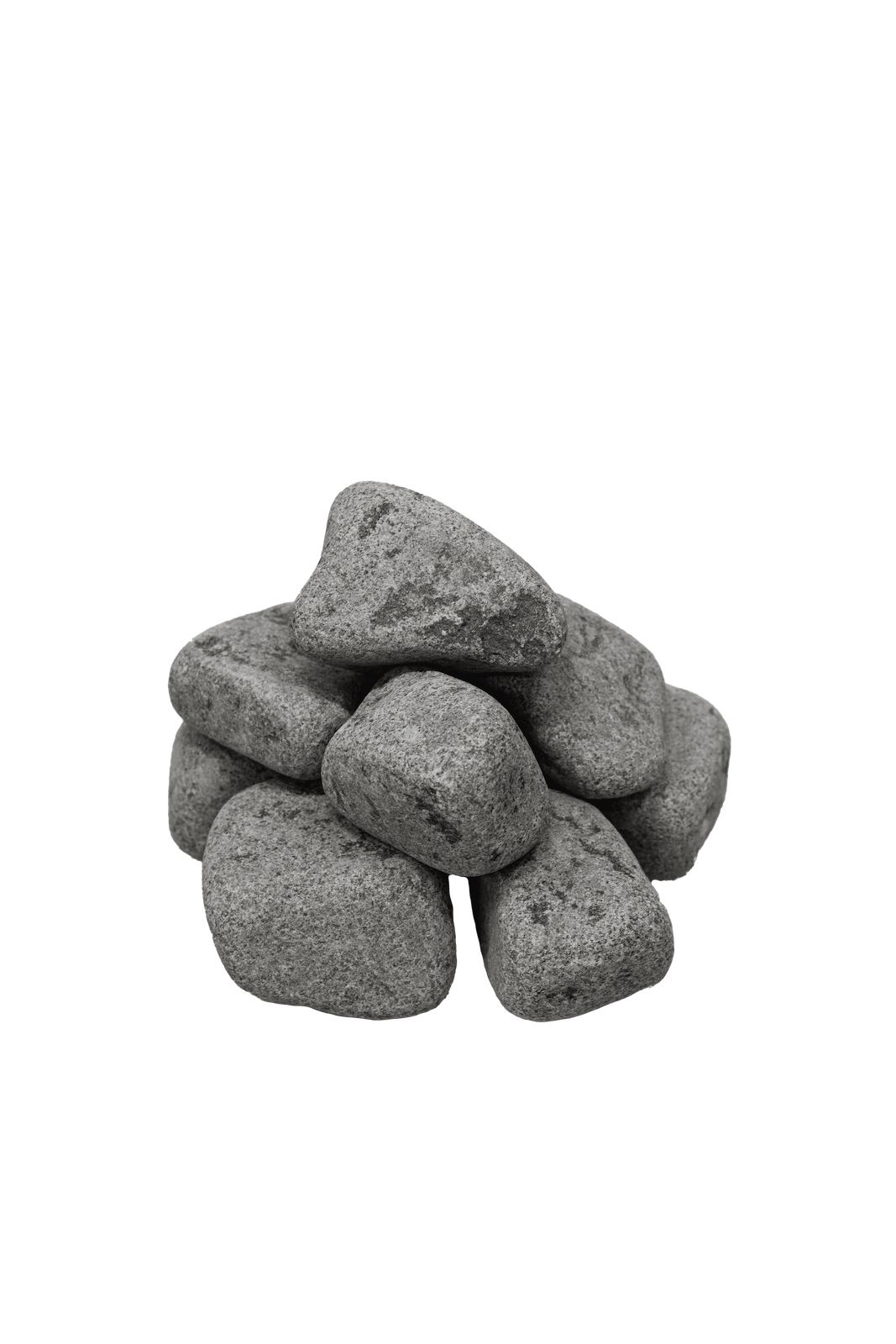
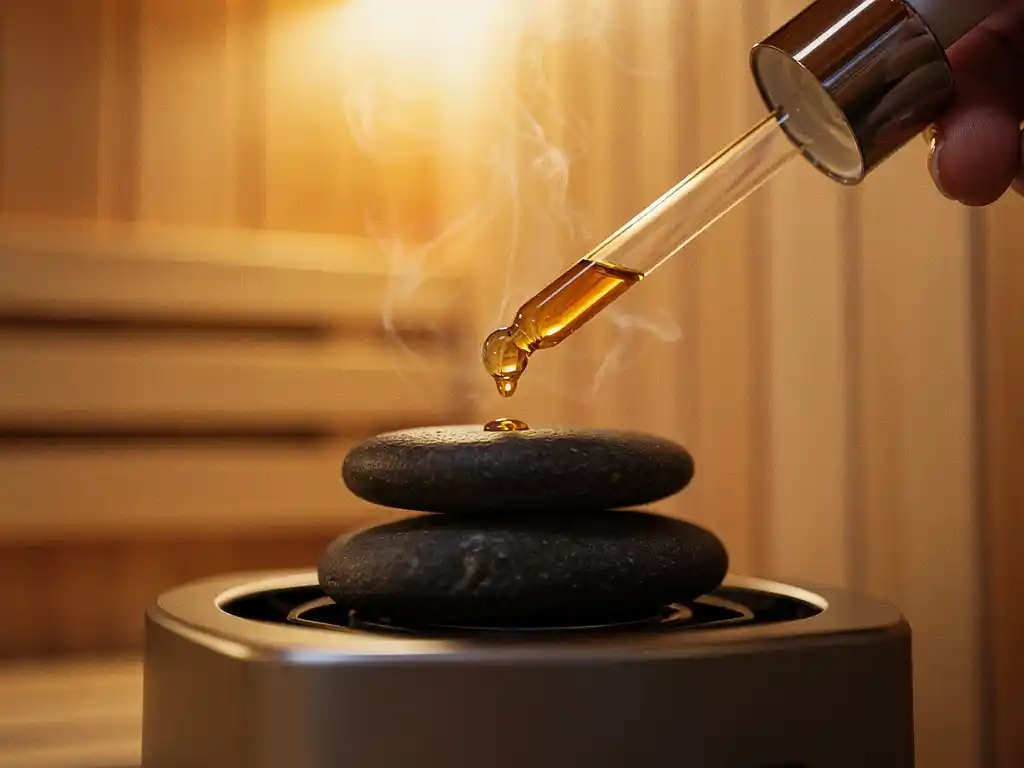
You should not pour essential oils directly onto sauna rocks. While it may seem like the most straightforward way to enjoy aromatherapy in a home sauna, applying undiluted essential oils to hot stones causes the oils to burn rather than vaporize. This produces harsh, acrid smoke instead of pleasant, therapeutic steam, and it leaves a sticky, resinous residue on your stones and heating elements.
Essential oils are highly concentrated plant compounds with low flash points. When they contact stones heated to temperatures well above 100°C, they combust rather than gently evaporate. The result is an unpleasant, sometimes irritating experience that defeats the purpose of aromatherapy entirely. Beyond the sensory impact, that burnt residue accumulates over time and becomes increasingly difficult to remove from porous sauna rocks.
If you want to use aromatic scents in your indoor steam room, the far better approach is to dilute a few drops of essential oil in a bucket of water and ladle that water onto the stones. This significantly reduces the concentration of oil that contacts the hot surface at any one time, producing a gentler, more pleasant release of aroma with the steam.
What happens to a sauna heater when exposed to essential oils?
Essential oils can cause real, lasting damage to a sauna heater when applied directly to the stones or heating elements. The oils leave behind a carbonized residue that coats the stones and can seep down to the heating elements themselves. Over time, this buildup insulates the elements, reduces heating efficiency, and can cause overheating that triggers thermal-protection cutoffs or permanently damages the element materials.
Most quality electric sauna heaters use corrosion-resistant steel for their heating elements, and for good reason. But even high-grade materials are not immune to the effects of repeated oil exposure. The acidic, sticky residue from burnt oils gradually degrades element surfaces, shortening their lifespan considerably. Stone baskets can also crack from the thermal shock caused by ladling large quantities of oil-laden water onto already-hot stones.
From a warranty perspective, heater damage caused by improper essential oil use is typically not covered. If you are investing in a quality electric sauna heater for your home sauna, protecting that investment means being deliberate about how you introduce aromatherapy into your sessions.
What’s the safest way to use essential oils in a home sauna?
The safest way to use essential oils in a home sauna is to dilute them heavily in water before any contact with heated surfaces or, better yet, to use a purpose-built aromatherapy system that keeps oils away from the stones and heating elements entirely. Dilution in water is the minimum precaution; a dedicated aroma-delivery system is the gold standard.
If you are using the dilution method, follow these basic guidelines:
- Add no more than 3 to 5 drops of essential oil to a full bucket of water (roughly 3 to 5 liters).
- Stir the water before ladling so the oil is distributed rather than pooled.
- Never pour oil-water mixtures in large volumes onto the stones at once.
- Avoid oils with high resin content, such as pine tar or thick balsam blends.
Even with careful dilution, some residue will accumulate on your stones over time. Replacing your sauna rocks periodically is a normal part of heater maintenance, and using oils frequently accelerates that timeline. For anyone building or upgrading a home sauna or indoor steam room, planning for an integrated aromatherapy solution from the start is the most practical long-term approach.
Which essential oils are safe to use in a sauna environment?
The safest essential oils for sauna use are light varieties that vaporize cleanly without leaving heavy residue. Eucalyptus, peppermint, birch, and lavender are among the most commonly used and most compatible with sauna conditions. They release their aromatic compounds effectively at sauna temperatures and are less likely to produce harsh combustion byproducts than heavier, resin-based oils.
Eucalyptus is particularly popular in Nordic sauna traditions because of its respiratory benefits. It pairs naturally with steam and is gentle enough for most users. Peppermint offers a cooling, invigorating sensation that contrasts pleasantly with the heat of a sauna session. Lavender is well suited to relaxation-focused sessions at lower temperatures.
Oils to approach with caution or avoid entirely include thick, resinous blends; citrus oils in high concentrations (which can irritate the airways when heated); and any oil marketed primarily as a fragrance rather than a pure essential oil. Synthetic fragrance oils behave unpredictably at high temperatures and should never be used in an indoor steam room.
Regardless of which oil you choose, always source pure, therapeutic-grade essential oils from reputable suppliers. Oils with carrier agents, alcohols, or synthetic additives are more likely to produce unpleasant or harmful vapors when heated.
How does a sauna aroma system differ from DIY essential oil methods?
A dedicated sauna aroma system introduces essential oil vapors into the sauna air without the oils ever contacting hot stones or heating elements. Instead of burning or vaporizing oils on a high-heat surface, the system uses the sauna’s air circulation to carry aroma from a separate, lower-temperature vessel into the room. This produces a cleaner, more consistent scent experience and eliminates the damage and residue risks associated with DIY methods.
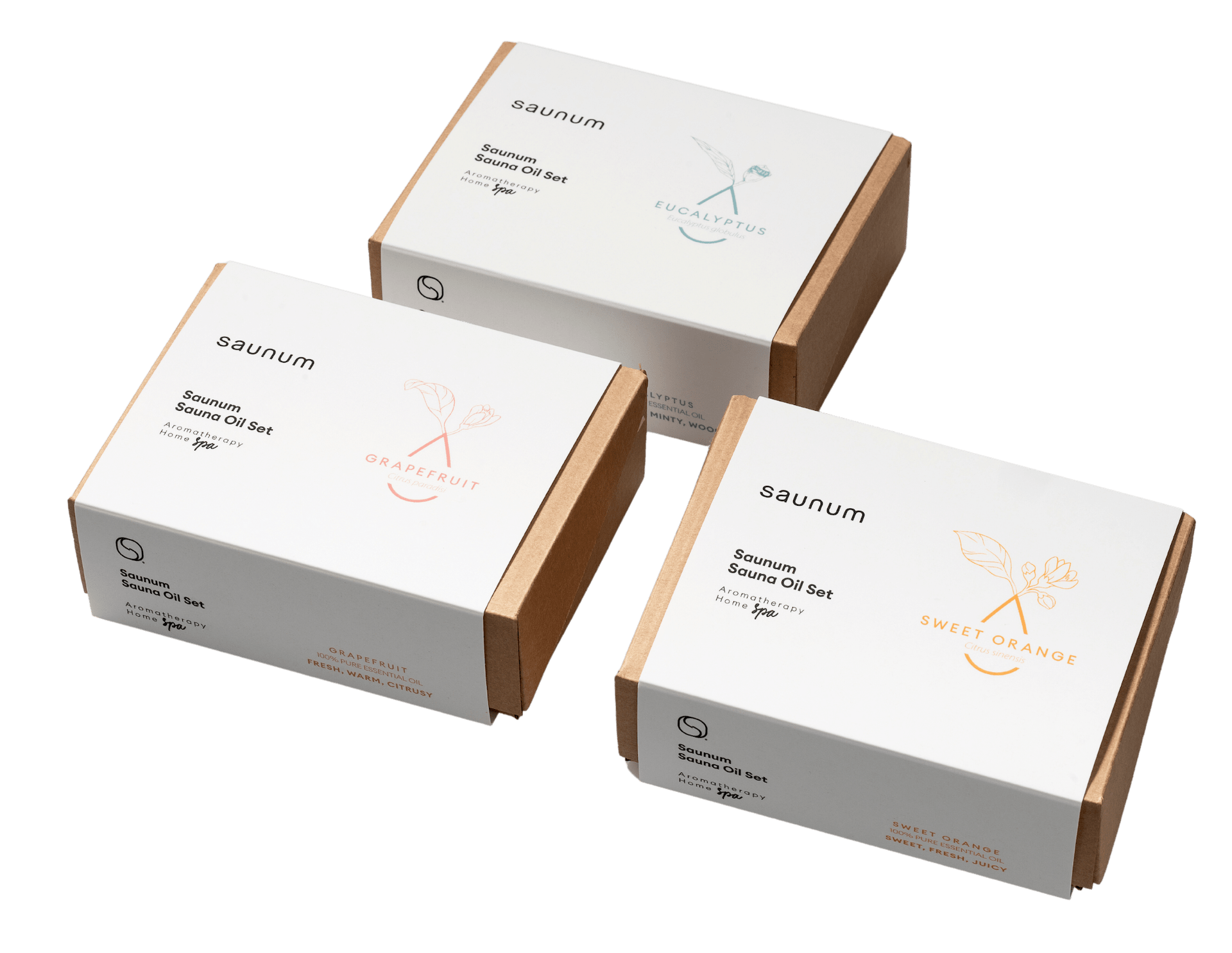
We designed our aromatherapy approach around exactly this principle. In Saunum heaters that feature the integrated climate device, one of the Himalayan salt spheres can be replaced with an aroma bowl filled with Saunum sauna oil. The patented air-blending sauna climate technology then draws that aroma into the circulating air and distributes it evenly throughout the sauna room, mixing it gently with the steam. The oils never touch the heating elements or stones directly.
This method is meaningfully different from the DIY approach in several important ways. The aroma is more evenly distributed because it enters the room through the air-blending system rather than rising in a single concentrated plume from the stone basket. The intensity is more controllable. And because the oils are not being combusted, the scent is cleaner and the therapeutic compounds in the oil remain more intact. For anyone serious about aromatherapy as part of their home sauna experience, an integrated system delivers noticeably better results.
How do you clean a sauna heater after essential oil exposure?
Cleaning a sauna heater after essential oil exposure starts with the stones. Remove the stones from the basket, inspect them for visible residue or cracking, and discard any that show heavy buildup or damage. Stones are consumable components and should be replaced every few years under normal use, and more frequently if oils have been used regularly.
For the stone basket and heater body, allow the unit to cool completely before cleaning. Wipe down accessible surfaces with a dry or lightly damp cloth. Do not use chemical cleaners, detergents, or solvents inside the heater, as these can damage element coatings and leave residues that produce harmful vapors when the heater is next used.
Heating elements themselves should not be scrubbed or cleaned directly. If significant residue has reached the elements, the safest course of action is to run the heater empty for a short period without stones to burn off light deposits, then ventilate the sauna thoroughly. For heavier buildup, consulting the heater manufacturer or a qualified installer is the right call before attempting further cleaning.
Preventing buildup in the first place is far easier than removing it. Using properly diluted oils, replacing stones regularly, and considering an integrated aroma system will keep your heater in good condition for years.
How Saunum helps with aromatherapy in home saunas
Saunum’s home sauna heater solutions approach to aromatherapy is built directly into the heater and climate system, removing the guesswork and the risk that comes with DIY essential oil methods. Rather than leaving users to figure out how to safely introduce scent into their indoor steam room, we engineered a solution that handles it cleanly and effectively from the start.
- The integrated aroma bowl replaces one Himalayan salt sphere in the climate device, keeping oils completely away from heating elements and stones.
- The patented air-blending system distributes aroma evenly from floor to ceiling, so the scent reaches every corner of the room rather than pooling near the stone basket.
- Saunum sauna oils are formulated specifically for use with our system, ensuring clean vaporization without residue or harsh byproducts.
This is part of the broader 5-in-1 spa experience that Saunum heaters deliver, where aroma sauna is one of five selectable modes alongside classic Nordic sauna, humid steam sauna, relaxing sauna, and salt ion sauna. Switching between them requires only a change in temperature, fan speed, and vent position, with no additional equipment needed.
If you are planning a home sauna build or upgrade and want aromatherapy done right, Saunum offers a complete solution that protects your heater, enhances your sessions, and eliminates the risks covered in this article.
If you’re interested in getting started with Sauna, check out our full range today.