


The best time to use a sauna depends on your personal goals and schedule, but both morning and evening sessions offer unique benefits. Morning saunas can energize your day and boost circulation, while evening sessions promote relaxation and better sleep. Your optimal sauna timing aligns with your wellness objectives, daily routine, and how your body responds to heat therapy throughout the day.
What happens to your body during morning vs. evening sauna sessions?
Your body responds differently to sauna sessions based on your natural circadian rhythms and daily hormone fluctuations. Understanding these physiological differences helps you choose the optimal timing for your wellness goals:
- Morning sessions enhance natural awakening processes – Working with your body’s natural temperature rise, morning sauna use enhances alertness and boosts cortisol levels when they should be naturally elevated
- Evening sessions support rest preparation – Heat therapy in the evening supports your body’s preparation for rest by promoting the temperature drop that signals sleepiness
- Temperature contrast varies throughout the day – During morning sessions, your core body temperature is naturally lower, making the heat contrast more pronounced and stimulating your cardiovascular system more intensely
- Hormone release timing differs – Morning heat stress triggers the release of endorphins and growth hormone when energy levels are highest, while evening sessions facilitate melatonin production
- Nervous system activation changes – Evening sauna sessions help your nervous system shift from the active sympathetic state to the restful parasympathetic state
These biological rhythms create distinct advantages for each timing option. Morning sessions train your body’s heat-adaptation mechanisms when energy reserves are at their peak, while evening sessions strategically use heat therapy to facilitate the natural cooling process that promotes quality sleep. The temperature regulation benefits you experience will vary significantly based on when you choose to incorporate sauna therapy into your daily routine.
How does sauna timing affect your sleep quality?
The relationship between sauna timing and sleep quality involves complex interactions with your body’s natural temperature regulation and hormone production cycles:
- Evening sessions trigger natural cooling responses – Sauna use 1–2 hours before bedtime allows your core temperature to drop naturally, signaling the brain to prepare for rest and enhancing melatonin production
- Morning sessions establish circadian rhythm anchors – Early heat exposure helps regulate your internal clock, making you naturally more alert during the day and more ready for sleep at night
- Stress reduction occurs through parasympathetic activation – Evening heat therapy activates your parasympathetic nervous system, reducing cortisol levels and muscle tension that often interfere with falling asleep
- Mental transition benefits support sleep preparation – The meditative aspect of evening sauna time provides a clear mental transition from day to night activities
- Session intensity affects sleep outcomes – Gentle, moderate-temperature evening sessions promote relaxation, while intense heat exposure too close to bedtime can be overstimulating
These sleep-related benefits demonstrate why timing matters significantly for those seeking to improve their rest quality. Evening sauna sessions directly counter daily stress accumulation and create physiological conditions that support deeper sleep phases. For optimal sleep benefits, focus on stress relief and muscle relaxation rather than intense heat exposure, allowing your body’s natural cooling mechanisms to work in harmony with your sleep preparation routine.
What are the best sauna times for different wellness goals?
Matching your sauna timing to specific wellness objectives maximizes the therapeutic benefits you receive from each session:
- Energy and mental clarity (6–9 a.m.) – Morning sessions align with natural cortisol peaks, providing cardiovascular stimulation that prepares your body for daily activities and endorphin release for natural energy without caffeine dependence
- Stress relief and recovery (1–2 hours before bedtime) – Evening sessions prioritize tension processing, muscle repair support, and create clear boundaries between work and personal time for emotional balance
- Athletic recovery (within 30 minutes post-exercise) – Post-workout timing maximizes muscle soreness reduction, flexibility improvement, and recovery process support regardless of time of day
- Improved focus and productivity (morning) – Early heat therapy enhances circulation and mental clarity, particularly benefiting those seeking sustained concentration throughout their workday
- Anxiety management and sleep preparation (evening) – Heat helps process daily tension and supports the transition into restful states, making it ideal for managing anxiety and promoting emotional balance
These targeted approaches allow you to customize your sauna experience based on what you most want to achieve. While athletic recovery benefits occur regardless of timing, the convenience of post-workout sessions often makes them the most practical choice for active individuals. Remember that consistency matters more than perfect timing for long-term wellness benefits, so choose the schedule that best fits your lifestyle and goals.
How do you build a sustainable sauna routine that fits your schedule?
Creating a lasting sauna practice requires strategic planning that aligns with your realistic daily constraints and natural preferences:
- Start with realistic frequency and timing – Begin with 2–3 sessions per week at consistent times, whether morning or evening, and gradually adjust based on how your body responds
- Assess your daily energy patterns honestly – Consider work schedule, family commitments, and natural energy rhythms when choosing timing, as rushed mornings or unpredictable evenings can undermine consistency
- Begin with shorter sessions for habit formation – Start with 10–15 minute sessions to build tolerance and support routine establishment, gradually extending duration as your body adapts
- Link sauna time to existing habits – Connect your sessions to established routines like post-workout activities or evening wind-down practices to improve adherence and automation
- Plan for flexibility within structure – Having both morning and evening options allows you to maintain your routine despite schedule changes while keeping sessions simple and experience-focused
These foundational strategies ensure that your sauna routine enhances rather than complicates your daily life. The most successful approaches prioritize consistency over intensity, allowing you to build sustainable habits that provide cumulative wellness benefits over time. Regular practice with moderate intensity delivers superior long-term results compared to sporadic intense sessions that may be difficult to maintain consistently.
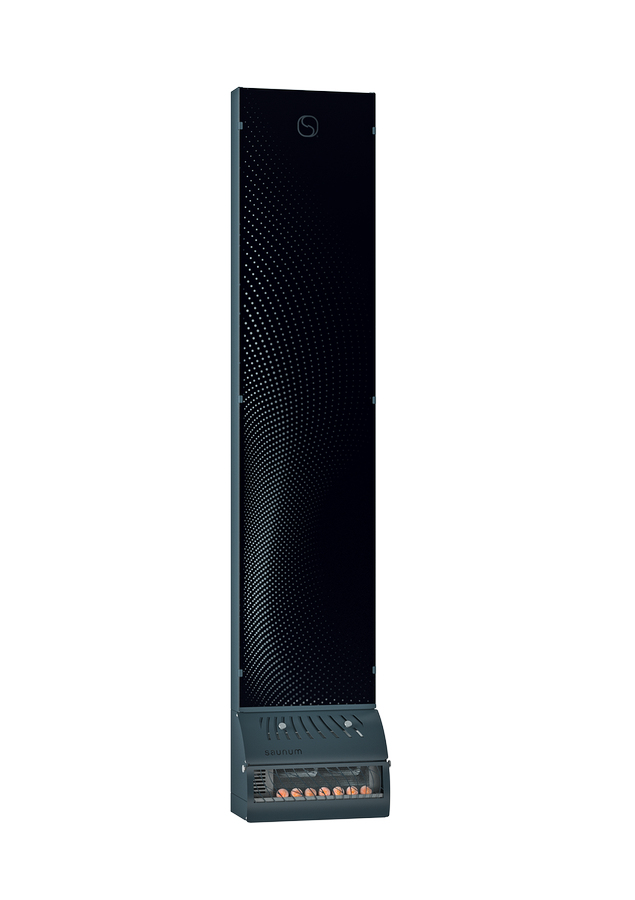
Whether you choose morning energy or evening relaxation, the most important factor is consistency with your sauna wellness routine. Your body adapts to regular heat therapy regardless of timing, providing cumulative benefits over time. At Saunum, we design our advanced electric heaters with patented air-circulation systems to ensure every session delivers optimal comfort and even heat distribution, making it easier to maintain your chosen sauna schedule with superior, breathable steam quality.
If you’re interested in getting started with Sauna, check out our full range today.