


Getting sauna ventilation right is one of the most important steps in building or upgrading a sauna, yet it is also one of the most frequently overlooked. Poor airflow leads to stuffy, oxygen-depleted air, uneven temperatures, and an experience that feels more exhausting than refreshing. Whether you are a DIY builder tackling your first sauna project or a contractor looking to refine your installation approach, understanding how a sauna ventilation system works will make the difference between a sauna that performs well and one that disappoints.
This guide answers the most common questions about sauna ventilation from the ground up, covering system types, vent placement, installation steps, and how modern sauna indoor climate devices, like those we build at Saunum, take ventilation performance to a completely different level.
What is a sauna ventilation system, and why does it matter?
A sauna ventilation system is the combination of intake and exhaust openings, airflow pathways, and any mechanical components that control the supply of fresh air and the removal of stale air inside a sauna room. It keeps oxygen levels safe, manages humidity, prevents moisture damage to the structure, and directly shapes how comfortable the sauna experience feels.
Without proper ventilation, a sauna quickly becomes uncomfortable and potentially unsafe. As bathers breathe and the heater produces steam, carbon dioxide builds up and oxygen levels drop. The air feels heavy and hard to breathe, sessions feel shorter than they should, and users often leave with headaches rather than feeling refreshed. Beyond comfort, poor airflow traps moisture in walls and benches, accelerating wood rot and mold growth over time.
A well-designed ventilation system also works hand in hand with your heater to distribute heat evenly. In a conventional sauna without active airflow management, scorching air accumulates near the ceiling while the floor area stays significantly cooler. Effective ventilation helps reduce this temperature gap, creating a more consistent and enjoyable environment from bench level to the floor.
What are the main types of sauna ventilation systems?
Sauna ventilation systems fall into two main categories: passive (natural) ventilation and active (mechanical) ventilation. Passive systems rely on air pressure differences and heat convection to move air through fixed inlet and outlet openings. Active systems use fans or climate devices to mechanically circulate air, giving you precise control over airflow rate and direction.
Passive ventilation
Passive ventilation is the traditional approach. Fresh air enters through a low inlet vent, typically positioned near the heater, and stale air exits through an exhaust vent positioned higher on the opposite wall or through the ceiling. This works reasonably well for small, simply constructed saunas, but it offers no control over airflow speed and is entirely dependent on the temperature differential between the inside and outside of the room.
Active mechanical ventilation
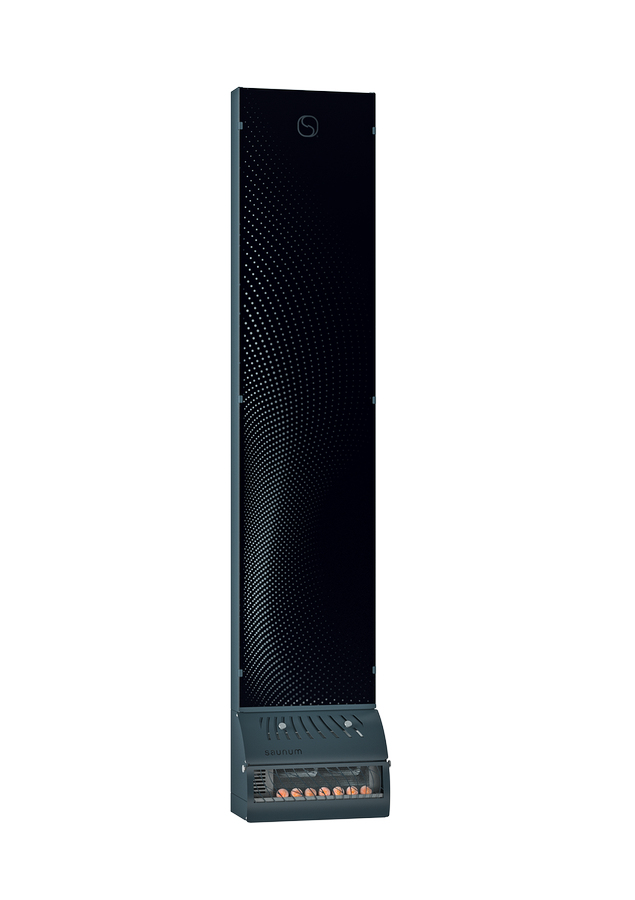
Active systems use fans or integrated climate devices to force air movement regardless of external conditions. These systems are far more reliable in larger sauna rooms, in commercial settings, or in any situation where consistent air quality matters. They allow you to adjust airflow speed, control humidity levels, and maintain a more even temperature throughout the room. Modern sauna climate devices, including the ones we develop at Saunum, go a step further by actively blending the hot upper air layer with the cooler lower air, solving temperature stratification at its source rather than simply exhausting air from the room. You can learn more about the engineering behind this approach on our technology page.
Where should sauna vents be positioned for best results?
For best results, position the fresh-air intake vent low on the wall near the heater, ideally within 200 mm of the floor. The exhaust vent should be placed on the opposite wall, lower than you might expect—roughly 200 to 300 mm above the floor or beneath the lower bench. This counterintuitive low exhaust placement forces fresh air to travel across the full height of the room before exiting, improving overall air-exchange quality.
Many builders make the mistake of placing the exhaust vent high on the wall or in the ceiling, assuming that hot, stale air rises and should exit at the top. While hot air does rise, placing the exhaust high simply pulls the hottest air out of the room fastest, wasting heat energy and doing little to refresh the breathing zone where bathers actually sit. A low exhaust vent ensures the air bathers breathe is genuinely fresh rather than recirculated hot air from the upper zone.
The intake vent near the heater serves a secondary purpose: it supplies the heater with fresh air for combustion in wood-burning setups, or it ensures the heated air immediately begins its convection cycle in electric sauna installations. Keep the intake clear of obstructions and size it appropriately for the room volume—typically a minimum of 100 to 150 square centimeters for a standard home sauna.
How do you install a sauna ventilation system step by step?
Installing a sauna ventilation system involves planning vent locations, cutting openings in the correct positions, fitting vent frames and covers, connecting any mechanical components, and testing airflow before finishing the interior. Following each step in the right order prevents costly mistakes and ensures the system performs correctly from day one.
Here is the core installation sequence:
- Plan vent positions before any wall panels go up. Mark the intake location low on the heater wall and the exhaust location low on the opposite wall. Confirm the airflow path is clear of structural obstructions.
- Cut openings and install vent sleeves or ducting. Use a hole saw or jigsaw to create clean openings through the wall structure. Fit a sleeve or duct liner to protect the surrounding wood from moisture.
- Fit adjustable vent grilles on both the intake and exhaust. Adjustable grilles let you fine-tune airflow once the sauna is in use, which is important because ideal settings vary by season and usage pattern.
- If using an active climate device, mount and wire the unit according to the manufacturer’s specifications before closing up wall panels. Ensure the power-cable routing complies with local electrical codes.
After installation, run the sauna at operating temperature and check that air moves freely through both vents. Hold your hand near the intake to feel incoming air and near the exhaust to confirm air is exiting. If airflow feels weak, check that the grilles are fully open and that no insulation or paneling is blocking the duct path. If you are installing a Saunum climate device alongside a heater, our professional installation service covers electrical connections, device mounting, and full operational guidance on-site.
What are the most common sauna ventilation mistakes to avoid?
The most common sauna ventilation mistakes are placing the exhaust vent too high, sizing vents too small for the room volume, sealing the sauna too tightly without a proper intake, and neglecting to install an adjustable vent so airflow cannot be tuned after completion. Each of these errors degrades air quality and comfort in ways that are difficult to fix once the interior is finished.
A high exhaust vent is the single most frequent error. It feels logical because heat rises, but it results in the hottest air leaving the room quickly while the lower breathing zone stays stale. Bathers end up sitting in oxygen-depleted air even though the room temperature reads correctly on the thermometer.
Undersized vents are another persistent problem. A vent opening that is too small restricts airflow regardless of how well everything else is positioned. As a general principle, the combined area of the intake and exhaust openings should be proportional to the room volume, and erring on the larger side is almost always the right call since adjustable grilles let you reduce airflow if needed.
Finally, many builders seal saunas so tightly for thermal efficiency that no fresh air can enter at all. A sauna must have a dedicated fresh-air intake. Without one, the room quickly becomes oxygen-deficient, making every session feel draining rather than restorative.
How does a sauna climate control system improve ventilation performance?
A sauna climate control system improves ventilation performance by actively managing airflow speed, direction, and distribution rather than relying on passive convection. Instead of simply exchanging air, a climate device circulates air throughout the entire room volume, equalizing temperature from floor to ceiling and keeping the breathing zone consistently fresh and comfortable throughout the session.
This is where the difference between basic ventilation and a true air-blending system sauna solution becomes most apparent. In a standard ventilated sauna, temperature stratification remains a persistent problem: the air near the ceiling can be dangerously hot while the area around the benches is significantly cooler. A climate control system with active air blending captures the scorching steam that accumulates near the ceiling, mixes it with the cooler, oxygen-rich air near the floor, and redistributes the blended air evenly throughout the room. The result is softer, longer-lasting steam, a more consistent temperature at every height, and air that is genuinely easier to breathe.
Active fan-speed control also allows you to dial in the exact sauna experience you want. A higher fan speed at a lower temperature produces visible, steam-rich air ideal for a humid sauna session. A lower fan speed at a higher temperature recreates the dry heat of a classic Nordic sauna. This flexibility is simply not achievable with passive ventilation alone.
How Saunum helps with sauna ventilation and indoor climate
Saunum addresses the root cause of poor sauna ventilation through our patented air-blending technology, which is built into every heater and climate device we produce. Rather than treating ventilation as a separate afterthought, we integrate active air circulation directly into the sauna heating system so the two work together from the moment you switch the sauna on.
Here is what Saunum brings to your sauna ventilation setup:
- Patented air-blending system that captures hot steam at ceiling level, mixes it with cooler floor air, and redistributes it evenly so the temperature is consistent from bench to floor.
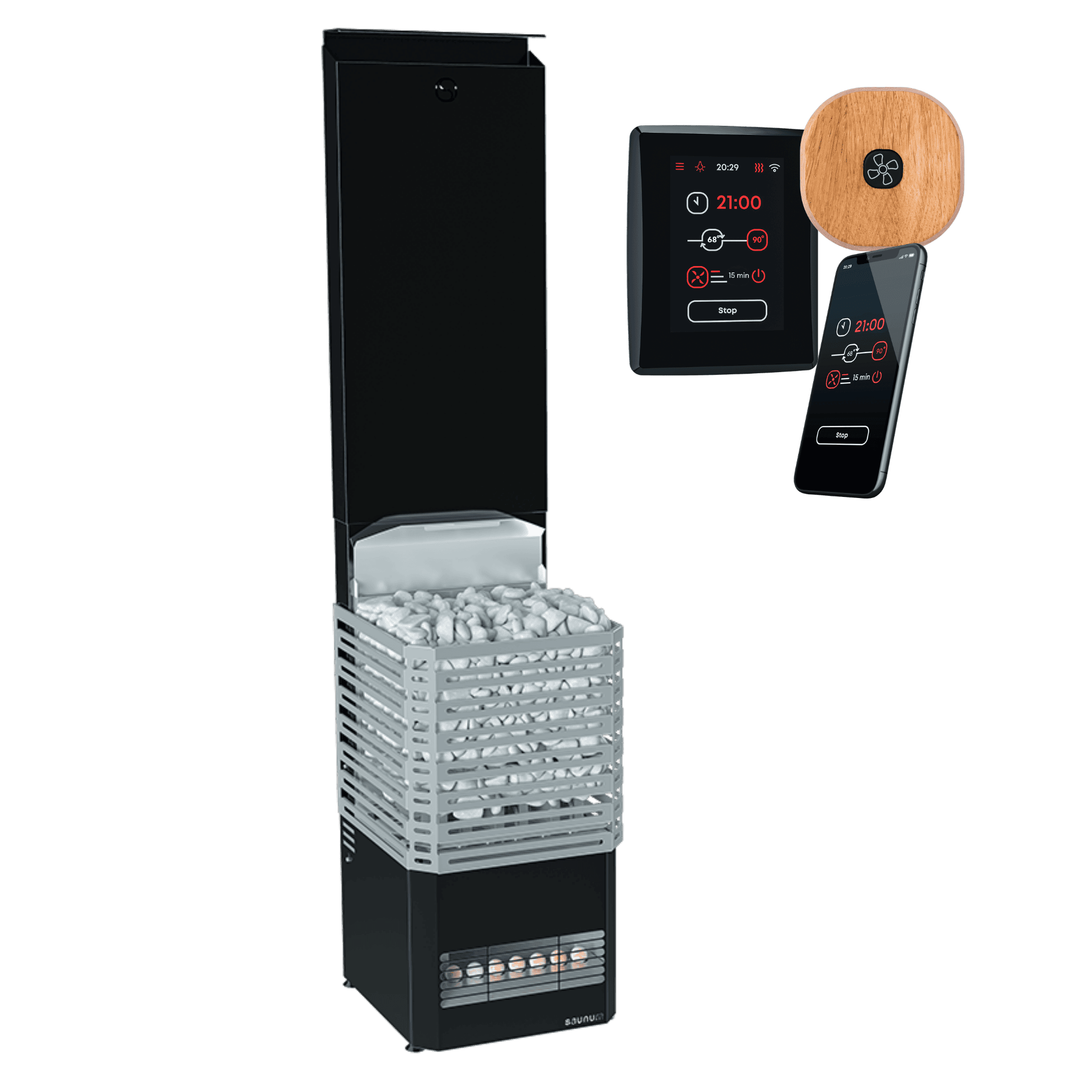
- Three adjustable fan-speed levels that let you switch between a classic Nordic sauna, a humid, steam-rich session, or a mild, relaxing atmosphere without changing anything physical in the room.
- Himalayan salt spheres integrated into the climate device that enrich circulating air with salt ions, supporting easier breathing during every session.
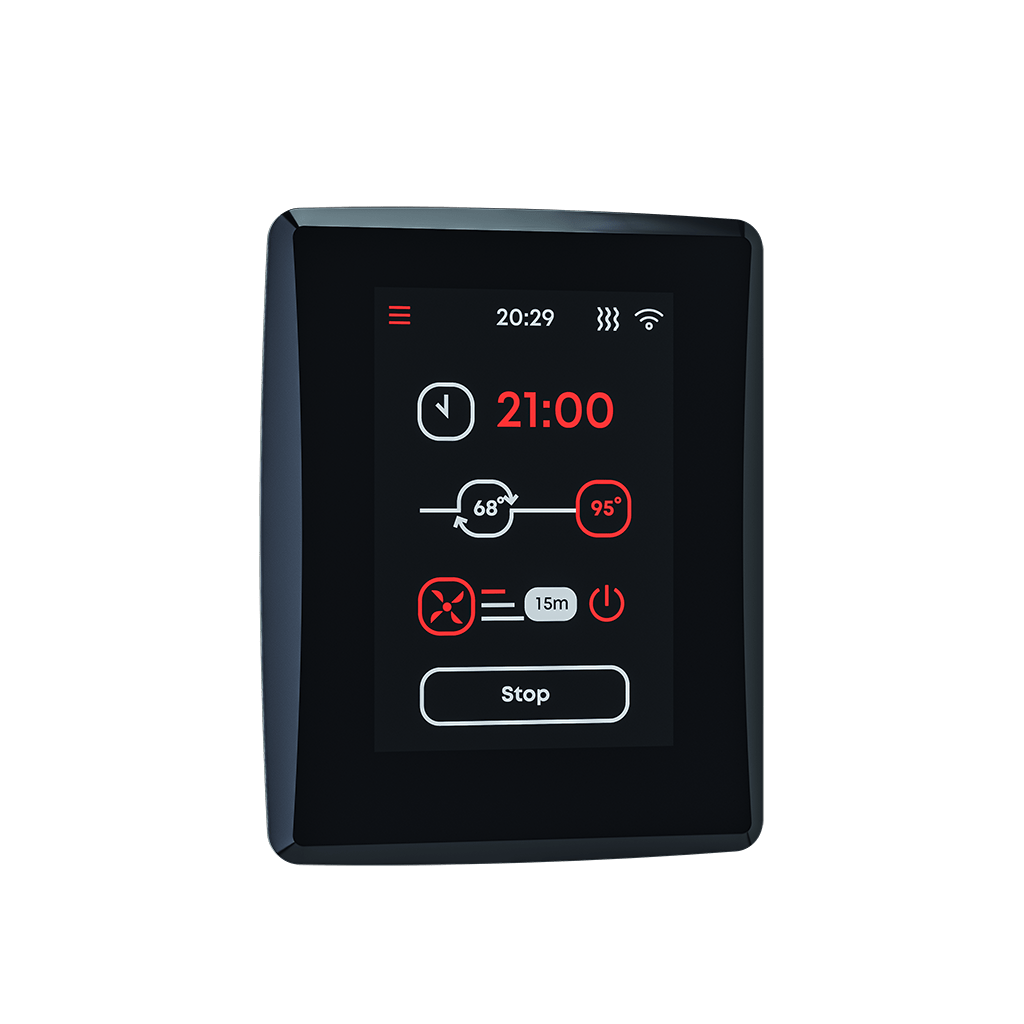
- Smart control via the Saunum Leil system, which manages heater temperature, fan speed, and scheduling from a touch panel or smartphone app for precise, repeatable climate conditions.
Whether you are adding a climate device to an existing sauna with the Saunum Base or installing a complete all-in-one solution like the Saunum Experience or Spa Session, we make it straightforward to upgrade your sauna’s indoor climate without complicated retrofitting. Browse our full range of heaters and climate devices in the Saunum shop to find the right fit for your space. Our professional installation service handles transport, electrical connections, device mounting, stone placement, and hands-on usage guidance so your system is set up correctly from day one. If you are ready to move beyond basic ventilation and build a sauna that performs at a genuinely higher level, reach out to Saunum to find the right solution for your space.