



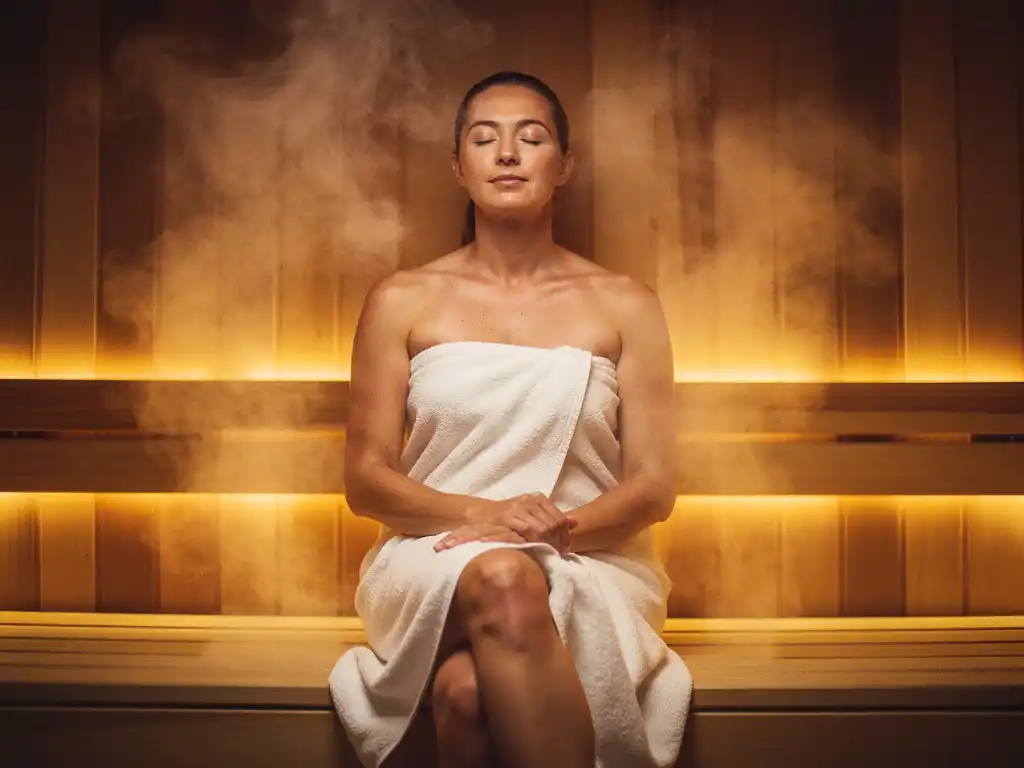
Regular sauna bathing offers significant mental health benefits through physiological changes that reduce stress, improve mood, and support overall psychological well-being. Heat therapy triggers endorphin release, lowers cortisol levels, and activates the body’s relaxation response, creating natural stress relief and enhanced mental clarity. These effects compound with consistent use, making sauna sessions a valuable tool for mental wellness alongside traditional therapeutic approaches.
What exactly happens to your brain during a sauna session?
During sauna bathing, your brain undergoes several beneficial physiological changes that directly impact your mental state:
- Endorphin release – The heat exposure triggers your body’s natural mood elevators while simultaneously reducing cortisol production, the primary stress hormone that contributes to anxiety and tension
- Nervous system activation – Elevated temperatures activate your parasympathetic nervous system, which governs your body’s rest-and-digest response, promoting deep relaxation and mental clarity
- Neurotransmitter changes – Brain chemistry adjusts with increased production of serotonin and dopamine, the chemicals responsible for feelings of well-being and contentment
- Mindfulness enhancement – The meditative environment naturally encourages present-moment awareness as your mind enters a calm, focused state similar to meditation
These neurological changes work synergistically to break the cycle of anxious thoughts and daily stressors that typically occupy your consciousness. The combination of chemical shifts and environmental factors creates an optimal state for mental restoration, allowing your brain to reset and recharge in ways that extend well beyond the sauna session itself.
How does regular sauna use help reduce stress and anxiety?
Consistent sauna bathing creates lasting changes in how your body manages stress and anxiety through multiple mechanisms:
- Stress resilience training – Regular heat exposure teaches your nervous system to handle elevated stress responses more effectively, leading to improved stress resilience in daily life
- Structured decompression – The ritual provides a dedicated break from daily pressures and digital distractions, allowing cortisol levels to normalise while giving your mind space to process emotions
- Controlled stress adaptation – Heat therapy sessions create a controlled stress environment that strengthens your body’s ability to return to baseline after stressful situations
- Breathing pattern improvement – The quiet, warm environment encourages deeper breathing patterns, which naturally calm the nervous system and reduce anxiety symptoms
- Self-care routine establishment – Regular sessions help create consistent wellness habits, providing predictable relief from daily tensions
This comprehensive approach to stress management transforms sauna bathing from a simple relaxation activity into a powerful tool for building long-term emotional resilience. The cumulative effects of regular practice help rewire your stress response system, making you better equipped to handle life’s challenges with greater calm and clarity.
Can sauna bathing actually improve your mood and fight depression?
Heat therapy influences brain chemistry and behaviour in several ways that can support mood improvement and complement depression treatment:
- Neurotransmitter boost – Elevated temperatures stimulate increased production of serotonin and dopamine, which play crucial roles in mood regulation and feelings of happiness and motivation
- Social connection opportunities – Communal sauna settings provide chances for human interaction and shared experiences that combat the isolation often associated with depression
- Sleep pattern regulation – The natural temperature drop after sessions mimics your body’s preparation for sleep, potentially improving rest quality and supporting better emotional regulation
- Self-care empowerment – Building positive daily habits through regular sauna use can enhance self-compassion and create a sense of accomplishment
- Treatment complement potential – When used alongside professional mental health care, sauna therapy can provide additional physiological and psychological support
While sauna bathing shouldn’t replace professional mental health treatment, these multifaceted benefits create a comprehensive support system for mood enhancement. The combination of biochemical changes, improved sleep, social opportunities, and self-care practices addresses depression from multiple angles, offering a holistic approach to mental wellness that can significantly enhance overall quality of life.
How often should you sauna for maximum mental health benefits?
For optimal mental wellness benefits, aim for three to four sauna sessions per week, lasting 15–20 minutes each. This frequency allows your body to adapt to the heat therapy while providing consistent stress relief and mood support. Beginners should start with shorter sessions and gradually increase duration as tolerance builds.
Consistency matters more than intensity when it comes to mental health benefits. Regular shorter sessions typically provide better psychological outcomes than occasional longer sessions. Your nervous system responds well to predictable patterns, so establishing a routine helps maximise the stress-reducing effects.
Listen to your body and adjust frequency based on your individual response and lifestyle. Some people benefit from brief daily sessions, while others find two to three times weekly sufficient. The key is maintaining regularity rather than pushing for maximum frequency.
Safety considerations include staying hydrated, avoiding alcohol before sessions, and consulting healthcare providers if you have medical conditions. Start with 10–15 minute sessions at moderate temperatures and gradually build your tolerance. Pay attention to how you feel during and after sessions to find your optimal routine.
Building a sustainable sauna practice involves choosing times that fit your schedule and creating positive associations with the experience. Whether you prefer morning sessions for daily stress preparation or evening sessions for relaxation, consistency in timing helps establish sauna bathing as an effective mental wellness tool.
Regular sauna bathing offers a natural, accessible approach to supporting mental health through proven physiological mechanisms. The combination of stress reduction, mood enhancement, and dedicated self-care time creates multiple pathways for psychological well-being. At Saunum, we understand that consistent access to quality heat therapy makes these mental health benefits achievable as part of your daily wellness routine.
If you’re interested in getting started with Sauna, check out our full range today.