



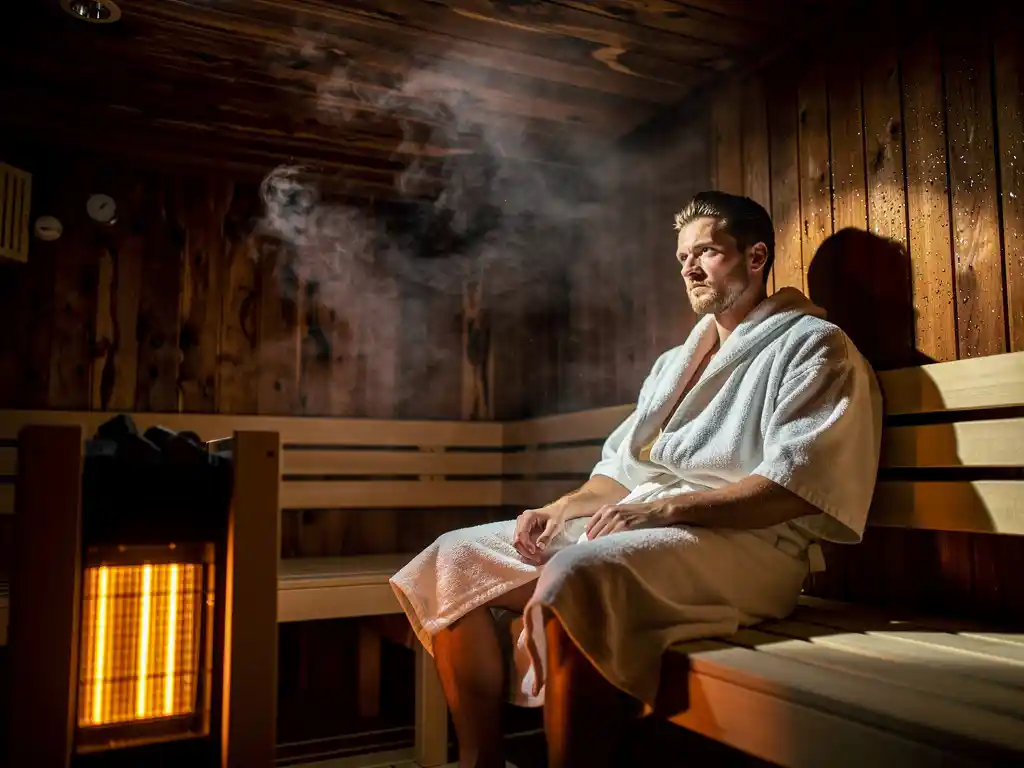
Heat stress from saunas can enhance workout adaptations by triggering beneficial physiological responses that improve cardiovascular function, muscle recovery, and heat acclimation. This thermal stress activates heat shock proteins, increases blood flow, and creates adaptations similar to those produced by moderate exercise. The timing and frequency of sauna sessions determine how effectively you can maximise these heat stress sauna workout adaptations.
What exactly is heat stress and how do saunas create it?
Heat stress is your body’s physiological response to elevated temperatures that challenge its ability to maintain a normal core temperature. Saunas create controlled thermal stress by exposing you to temperatures between 70–100°C, forcing your cardiovascular and cellular systems to work harder to maintain homeostasis.
When you enter a sauna, several key physiological responses occur:
- Rapid core temperature elevation – Your body temperature begins rising within minutes, triggering immediate adaptive responses
- Cardiovascular activation – Heart rate increases by 30–50% as blood vessels dilate to promote heat dissipation through the skin
- Heat shock protein production – Your body produces protective proteins to safeguard cellular structures from thermal damage
- Enhanced sweating response – The hypothalamus triggers more efficient sweat production to cool your body through evaporation
These interconnected responses work together to create a controlled stress environment that mimics moderate-intensity exercise. Over time, regular exposure to this thermal challenge improves your body’s natural cooling capacity and builds resilience that benefits both sauna sessions and physical activity performance.
How does heat stress from saunas affect your muscles and recovery?
Heat stress from saunas accelerates muscle recovery through multiple mechanisms that work synergistically to enhance your body’s repair processes:
- Increased circulation – Enhanced blood flow delivers more oxygen and nutrients to muscle tissues while removing metabolic waste products like lactate more efficiently
- Cellular protection activation – Heat shock proteins act as repair mechanisms, maintaining muscle protein structure and reducing exercise-induced damage
- Inflammation reduction – Regular heat therapy lowers inflammatory markers in blood, resulting in less muscle soreness and faster recovery between sessions
- Hormonal optimization – Heat exposure promotes the release of growth hormone and anabolic factors that support muscle repair and growth
These combined effects create an environment where your muscles can recover more quickly and adapt more effectively to training stress. The improved nutrient delivery and waste removal, coupled with enhanced cellular repair mechanisms, means you can potentially train more frequently while experiencing less fatigue and soreness between sessions.
What’s the difference between pre-workout and post-workout sauna sessions?
The timing of your sauna sessions significantly impacts both immediate performance and long-term adaptations, with each approach serving different purposes:
- Pre-workout sessions (10–15 minutes) – Serve as extended warm-ups, increasing muscle temperature and flexibility while potentially reducing injury risk, though excessive exposure may impair performance
- Post-workout sessions (15–20 minutes) – Focus on recovery and adaptation, maintaining elevated circulation when muscles need nutrient delivery most while allowing comfortable transition from exercise
- Synergistic benefits – Post-workout timing combines exercise and heat stress for adaptations that neither stimulus alone can achieve
- Goal-specific timing – Strength and power athletes benefit more from post-workout sessions, while endurance athletes can use both approaches for heat acclimation
Post-workout sauna sessions generally offer superior sauna-after-workout benefits because your body is already warmed from exercise, making the heat exposure more comfortable and effective. This timing also supports both physical recovery through enhanced circulation and mental recovery by providing a structured transition from high-intensity activity to rest.
How often should you use saunas to enhance workout adaptations?
Optimal sauna frequency depends on your fitness level, training intensity, and heat tolerance, but following these guidelines will help you develop effective sauna training adaptation protocols:
- Beginner frequency – Start with 2–3 sessions weekly for 10–12 minutes at lower temperatures (70–80°C) to build tolerance safely
- Intermediate to advanced – Progress to 3–4 sessions weekly for 15–20 minutes, with well-trained athletes potentially handling daily sessions
- Progressive adaptation – Gradually increase duration and temperature over 2–3 weeks rather than jumping to maximum exposure immediately
- Training integration – Reduce sauna frequency during high-volume training periods and increase during lighter phases to maintain adaptation stimulus
- Recovery monitoring – Watch for signs of overexposure including persistent fatigue, poor sleep, elevated resting heart rate, or decreased performance
The foundation of successful thermal stress fitness adaptations lies in consistency rather than intensity. Regular, moderate heat exposure builds lasting improvements in thermoregulation and recovery capacity, while excessive frequency can lead to overreaching and diminished training quality. Proper hydration becomes increasingly critical with frequent use, requiring adequate fluid intake before, during, and after sessions to support the increased physiological demands.
Heat stress from saunas offers a practical way to enhance your workout adaptations through improved recovery, cardiovascular function, and cellular resilience. The key lies in finding the right balance of timing, frequency, and intensity that complements your training rather than competing with it. At Saunum, we understand that consistent, comfortable heat exposure creates the foundation for long-term adaptation, which is why our advanced circulation systems ensure every session delivers optimal thermal stress for your fitness goals.
If you’re interested in getting started with Sauna, check out our full range today.