


Yes, sauna use can absolutely be part of an active recovery routine. Heat exposure after exercise helps relax muscles, reduce soreness, and support circulation, making it a practical and enjoyable complement to training. The key is knowing how to use it correctly, and the sections below answer the most common questions athletes and fitness enthusiasts ask.
How does heat exposure help muscles recover after exercise?
Heat exposure supports muscle recovery by increasing blood flow to fatigued tissues, which helps clear metabolic waste products like lactic acid and delivers oxygen and nutrients needed for repair. The warmth also relaxes muscle tension and reduces the perception of soreness, making post-workout stiffness easier to manage.
When your body is exposed to heat, blood vessels dilate and circulation accelerates. This process, known as vasodilation, is particularly useful after intense training because it mimics some of the effects of a light cool-down. The elevated temperature also encourages the release of heat shock proteins, which play a role in cellular repair and protecting muscle tissue from further stress. Over time, regular heat exposure may help the body adapt to physical demands more efficiently.
What are the main benefits of sauna for active recovery?
The main benefits of sauna for active recovery include reduced muscle soreness, improved circulation, faster removal of metabolic waste, relaxation of the nervous system, and enhanced flexibility from the warmth loosening connective tissue. Together, these effects can help you feel ready to train again sooner.
Beyond the physical benefits, sauna sessions also support mental recovery. The quiet, heat-immersive environment encourages parasympathetic nervous system activity, shifting the body away from the stress response triggered by hard training. This mental decompression is often underestimated but plays a genuine role in how well athletes recover between sessions. Regular sauna use has also been associated with improved sleep quality, which is one of the most powerful recovery tools available.
How soon after a workout should you use a sauna?
You should wait at least 10 to 20 minutes after a workout before entering a sauna. This allows your heart rate to settle, gives your body a chance to begin its natural cooling process, and reduces the risk of dizziness or overheating when you then re-expose yourself to high temperatures.
Hydration is the other critical factor to address before your session. Exercise already depletes fluids, and a sauna will accelerate that loss further through sweating. Drinking water or an electrolyte drink before entering is strongly recommended. Keep your first post-workout sauna session short, around 10 to 15 minutes, and pay attention to how your body responds before extending the duration.
Does steam or dry heat work better for muscle recovery?
Both steam and dry heat offer recovery benefits, but the experience and comfort level differ significantly. Dry heat saunas typically operate at higher temperatures with low humidity, while steam environments are cooler but feel more intense due to moisture. For muscle recovery specifically, the heat itself is the active ingredient, making either format effective when used correctly.
The challenge with traditional steam environments is that hot, humid air can feel suffocating, making it harder to breathe comfortably and shortening the time you can stay inside. This is where the quality of the steam matters. A breathable steam sauna that blends ceiling heat with cooler, oxygenated air from the floor creates a softer, more even environment that is easier to tolerate for longer. This means more time benefiting from the heat without the discomfort of harsh, stagnant steam.
Can salt therapy in a sauna improve respiratory recovery?
Salt therapy in a sauna can support respiratory recovery by introducing salt ions into the air you breathe during your session. Inhaling salt-infused steam may help clear airways, reduce inflammation in the respiratory tract, and make breathing feel easier, which is particularly useful for athletes who train in cold, dry, or polluted environments.
The mechanism behind this is similar to traditional halotherapy, where microscopic salt particles interact with the mucous membranes of the airways. When Himalayan salt is placed within the airstream of a sauna, the steam carries those beneficial ions throughout the room. For athletes dealing with post-exercise breathlessness, mild respiratory irritation, or simply wanting to support lung health as part of their recovery, a salt therapy sauna session adds a meaningful layer of benefit beyond heat alone.
Who should avoid sauna use during active recovery?
People with cardiovascular conditions, low blood pressure, or a history of heat-related illness should avoid sauna use during active recovery without medical clearance. Anyone who is severely dehydrated, feeling unwell, or has recently sustained an acute injury with swelling should also skip the sauna until they have recovered.
Pregnancy is another situation where sauna use requires caution and professional guidance. Even for healthy individuals, pushing through exhaustion into a sauna immediately after a very intense session carries risk. Listen to your body, and if you feel lightheaded, nauseous, or unusually fatigued during a session, exit calmly and cool down gradually. Recovery tools should support your training, not add additional stress to a body that is already under strain.
How Saunum’s electric sauna heaters support active recovery
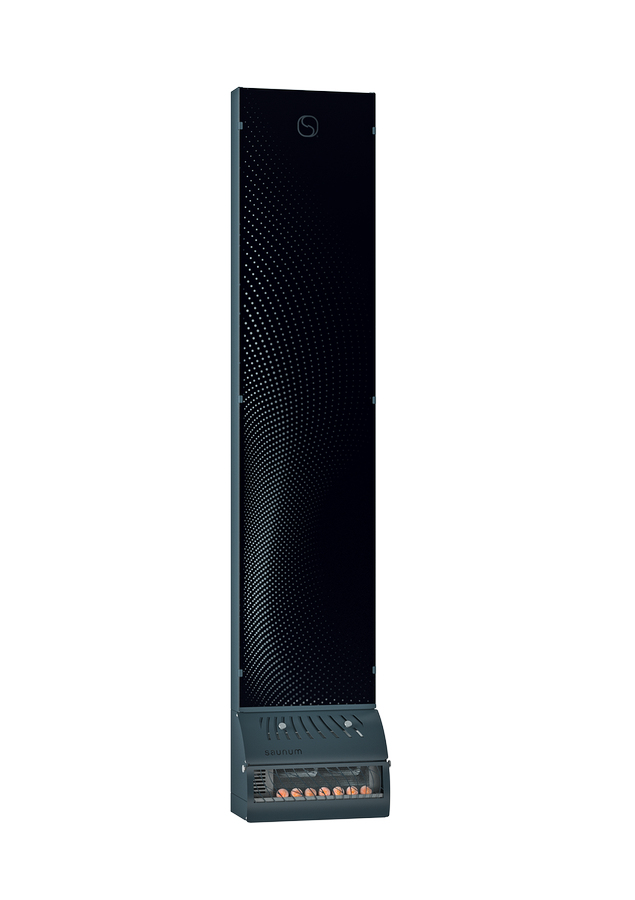
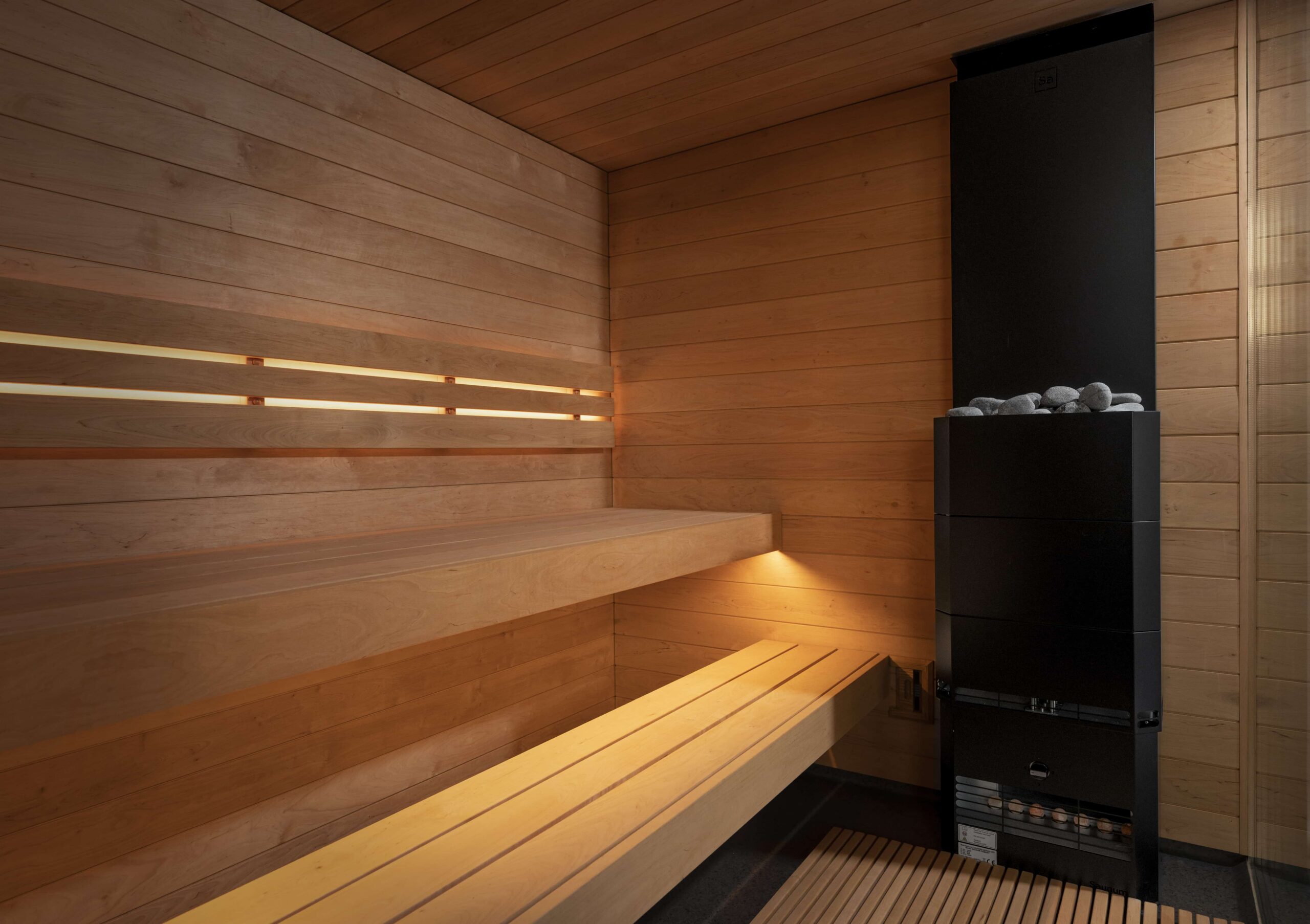
Getting the most from a post-workout sauna session depends heavily on the quality of the environment inside the room. Our patented air circulation system addresses one of the most common problems with traditional saunas: uneven heat that forces you to choose between scorching your head or sitting too low to feel the benefit. Here is what sets our approach apart:
- The system draws hot steam from the ceiling and blends it with cooler, oxygen-rich air from the floor, equalizing room temperature by up to 60%.
- The result is softer, more breathable steam that allows longer, more comfortable sessions, which means more time for your muscles to benefit from the heat.
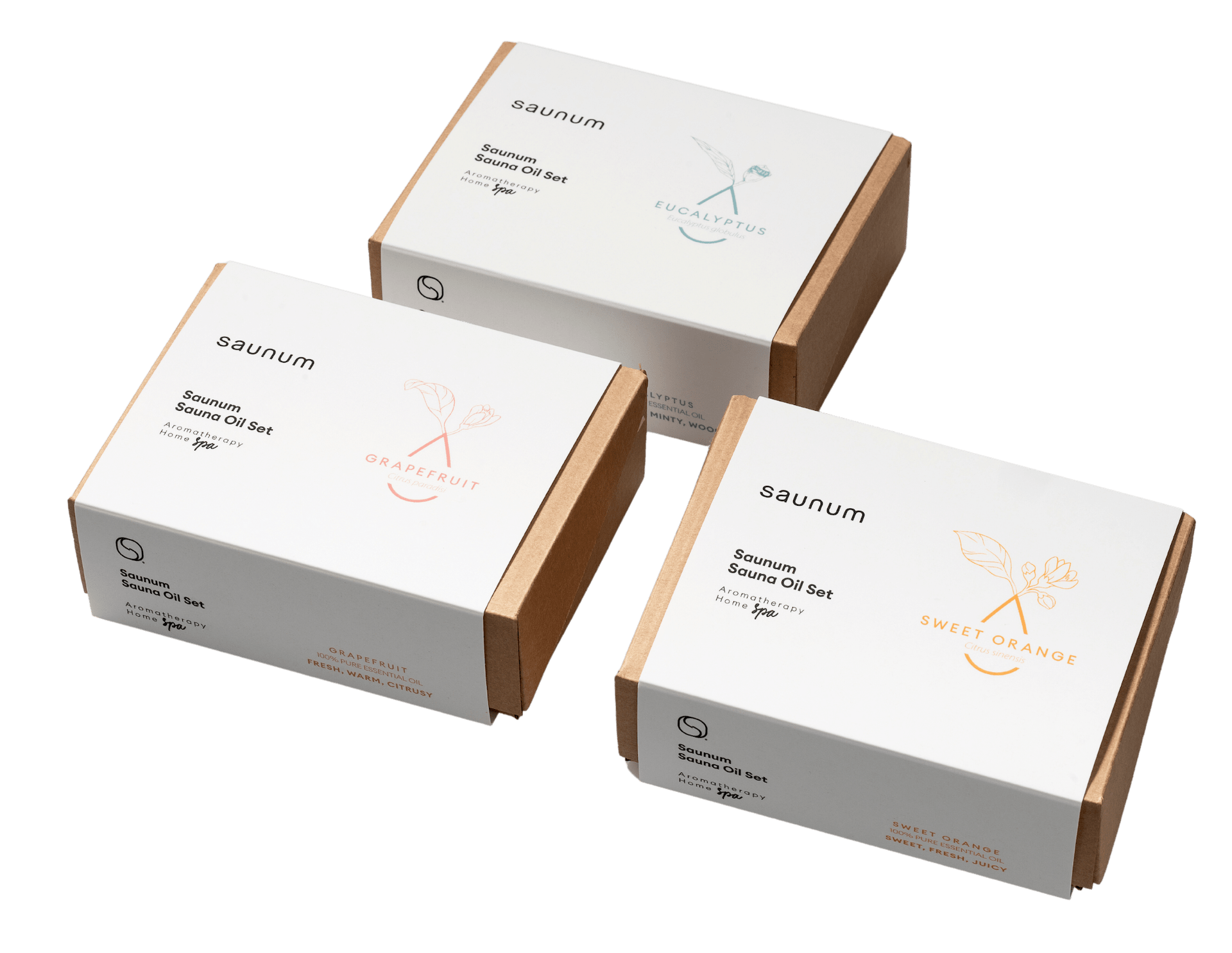
- An optional Himalayan salt reservoir sits within the airstream, infusing each breath with beneficial salt ions to support respiratory recovery.
- The five-in-one functionality lets you choose between a classic Nordic sauna, a humid steam session, a relaxation setting, a salt ion session, or an aroma sauna, depending on what your body needs that day.
If you are serious about building sauna use into your active recovery routine, the environment you train in matters as much as the time you spend there. Explore our range of electric sauna heaters and find the setup that fits your recovery goals. Saunum makes it straightforward to bring professional-grade recovery technology into your home or facility.
Frequently Asked Questions
How many times per week should I use a sauna as part of my active recovery routine?
For most athletes, two to four sauna sessions per week strikes a good balance between recovery benefit and avoiding overexposure. Research suggests that even two sessions per week can meaningfully improve muscle soreness and cardiovascular adaptation over time. Start with shorter, less frequent sessions and gradually increase based on how your body responds, your training load, and your overall hydration levels.
Can I use a sauna on the same day as a heavy strength training session, or should I wait until the next day?
Using a sauna on the same day as a heavy strength session is generally fine, provided you wait the recommended 10 to 20 minutes post-workout, hydrate well beforehand, and keep the session moderate in duration. However, if your goal is maximum muscle hypertrophy, some research suggests that immediate post-exercise heat exposure may slightly blunt the acute inflammatory response that drives adaptation, so timing your session a few hours after training or on a separate day could be worth considering. For general recovery and soreness management, same-day use is a practical and effective choice.
What should I eat or drink before and after a post-workout sauna session?
Before entering the sauna, prioritize fluids — water or an electrolyte drink is ideal since exercise already depletes both fluid and sodium levels. Avoid heavy meals immediately before a session, as digestion diverts blood flow and can make the heat feel more uncomfortable. After your session, rehydrate promptly and follow your normal post-workout nutrition plan, including protein and carbohydrates to support muscle repair and glycogen replenishment.
Is there a risk of losing muscle gains by using a sauna after strength training?
Current evidence does not support the idea that sauna use meaningfully undermines muscle growth when used sensibly as part of a recovery routine. In fact, the heat-induced release of growth hormone and heat shock proteins may actually support the muscle repair process. The main risk to be aware of is excessive fluid loss leading to dehydration, which can impair recovery and performance if not addressed — so consistent rehydration before and after each session is essential.
How do I know if my sauna session is too long or too intense during recovery?
Warning signs that a session is too long or too intense include dizziness, nausea, a rapid or irregular heartbeat, excessive weakness, or a feeling of confusion. If any of these occur, exit the sauna calmly, move to a cooler environment, and hydrate immediately. As a general rule, 10 to 20 minutes per session is a safe and effective range for most people, and you should always feel comfortably warm rather than overwhelmed by the heat.
Can cold exposure, like an ice bath or cold shower, be combined with sauna use for better recovery?
Yes, alternating between heat and cold — often called contrast therapy — is a well-established recovery method used by many athletes and sports medicine practitioners. The cycle of vasodilation from heat followed by vasoconstriction from cold creates a pumping effect in the circulatory system that may accelerate waste removal and reduce inflammation more effectively than either method alone. A common protocol is to finish your sauna session, cool down with a cold shower or brief cold plunge, and repeat the cycle two to three times, always ending with cold if your goal is reducing inflammation.
Do infrared saunas offer the same active recovery benefits as traditional Finnish or steam saunas?
Infrared saunas operate at lower ambient temperatures but penetrate heat more deeply into muscle tissue, which some users find more comfortable while still achieving meaningful recovery benefits. Traditional Finnish and steam saunas heat the air around you, producing a more intense surface-level experience that also drives significant cardiovascular and circulatory responses. Both formats have supporting evidence for recovery use, so the best choice largely comes down to personal comfort, tolerance for heat, and the specific recovery outcomes you are prioritizing.