


A great sauna session is about more than just heat. The quality of the air you breathe, the evenness of the steam, and the overall comfort of the environment all contribute to how good you feel when you step out. These factors are collectively described as the sauna’s indoor climate, and understanding how to improve it can transform an ordinary sauna into a genuinely restorative experience. Whether you are building a new sauna from scratch or upgrading an existing one, getting the indoor climate right is one of the most impactful things you can do.
For DIY builders and contractors alike, the challenge often lies in knowing which variables matter most. Poor air circulation, an undersized heater, or a simple ventilation mistake can all undermine an otherwise well-built sauna. This guide answers the most common questions about sauna indoor climate, so you can make informed decisions at every stage of your build or upgrade. If you want to explore the solutions available, you can browse our full sauna product range to find the right fit for your setup.
What does ‘indoor climate’ actually mean in a sauna?
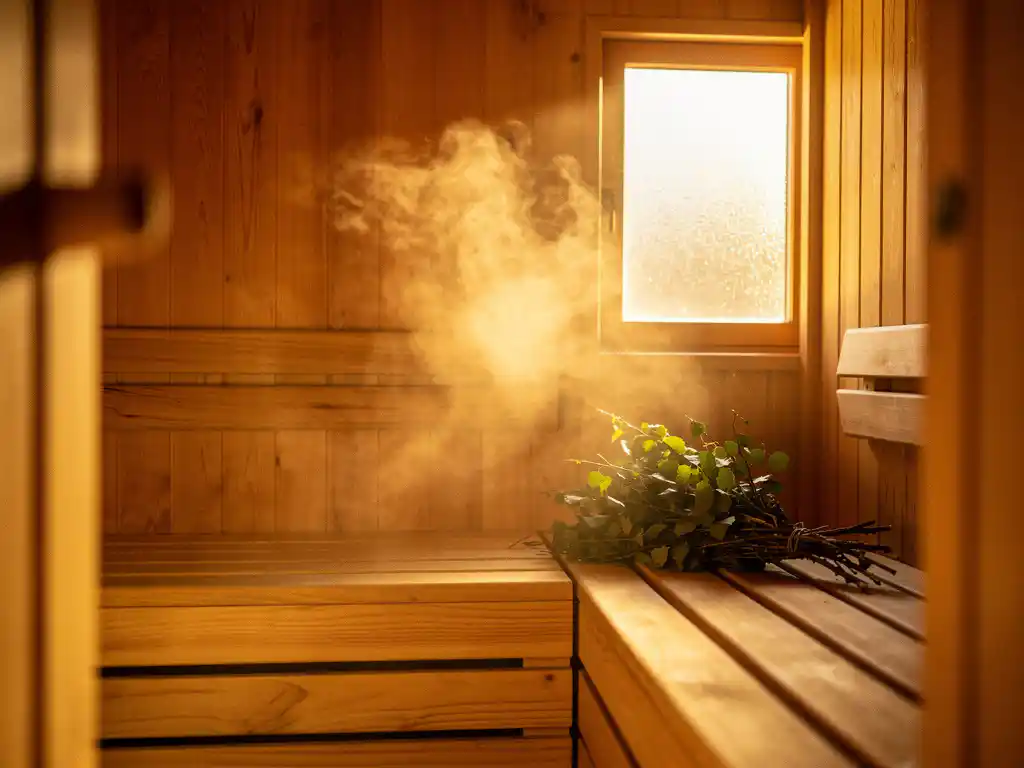
Sauna indoor climate refers to the combined conditions inside the sauna room that affect comfort and health during a session. It includes temperature distribution, humidity levels, air quality, breathability, and the character of the steam. A good indoor climate means the heat feels even, the steam is soft and long-lasting, and the air is easy to breathe from floor to ceiling.
Most people focus on temperature alone, but humidity and air quality are equally important. A sauna running at the right temperature but with poor air circulation can still feel suffocating and uncomfortable. The goal is a balanced environment where heat, moisture, and oxygen work together rather than against each other.
Indoor climate also determines how long you can comfortably stay in the sauna and how you feel afterward. A well-managed sauna climate supports deeper sweating, easier breathing, and a relaxed feeling after the session, rather than fatigue or a lingering headache.
Why is temperature so uneven in a traditional sauna?
Temperature stratification in a traditional sauna happens because hot air and steam naturally rise to the ceiling while cooler, denser air settles near the floor. In a conventional setup, the air near the ceiling can reach extreme temperatures while the lower zone stays significantly cooler, creating a dramatic temperature gap between where you breathe and where the heat concentrates.
This is a physics problem that no amount of insulation or heater power alone can fully solve. When water is ladled onto the stones, the resulting steam shoots upward and collects at the top of the room. Without a mechanism to redistribute it, that steam dissipates quickly or stays trapped near the ceiling, producing a brief, intense burst rather than a sustained, even experience.
The practical consequence for sauna users is that the bench-level temperature can feel comfortable while the air above the head is uncomfortably hot, or the steam never quite reaches the lower body. For builders, this is one of the most common complaints from sauna owners, and it is almost always the result of insufficient attention to air movement during the design phase. Understanding the technology behind sauna air blending is the first step toward solving this problem at the design stage.
How does air circulation improve sauna climate quality?
Air circulation improves sauna climate quality by actively redistributing heat and steam throughout the room, eliminating the temperature stratification that makes traditional saunas uncomfortable. When hot steam near the ceiling is captured and mixed with the cooler, oxygen-rich air near the floor, the result is a more even temperature from top to bottom and a softer, longer-lasting steam experience.
A well-designed sauna ventilation system does not just move air randomly. It works in a controlled, directional way to blend the thermal layers in the room. This has several important effects on the sauna experience:
- Steam becomes milder and more evenly distributed, so users can ladle water more frequently without discomfort.
- Oxygen levels in the breathing zone improve, making it easier to stay in the sauna longer.
- Humidity increases because the steam stays in the room rather than escaping or concentrating near the ceiling.
- Sweating becomes more intense and effective because the body is surrounded by consistent heat rather than uneven pockets.
The difference between a sauna with active air circulation and one without it is noticeable from the first session. Users consistently report that the air feels fresher, the steam feels gentler, and the overall experience is more enjoyable. For contractors and builders, incorporating a dedicated air-blending solution into the design is one of the most reliable ways to deliver a premium result.
What are the best ways to improve sauna air quality?
The best ways to improve sauna air quality are to install an active air circulation device, use natural materials inside the sauna room, ensure adequate fresh-air intake, and consider therapeutic additions like Himalayan salt or essential oils. Each of these approaches addresses a different aspect of what you breathe during a session.
Active air circulation
A sauna indoor climate device that actively blends air layers is the most direct solution to poor air quality. By mixing oxygen-rich, floor-level air with the hot steam near the ceiling, these devices significantly improve breathability without diminishing the heat experience. The result is air that feels cleaner and easier to breathe throughout the session.
Salt ion therapy
Himalayan salt spheres placed inside a climate device release natural salt ions into the circulating air. Salt aerosol is widely recognized for its anti-inflammatory and antimicrobial properties and has been used as a supportive treatment for respiratory conditions, including asthma, sinusitis, and bronchitis. When the climate device circulates air through the salt spheres, these ions reach both the skin and the respiratory tract during every session.
Aromatherapy integration
Introducing essential oils into the sauna environment can enhance both the sensory experience and the therapeutic benefits of a session. The healthiest method is to use an integrated aromatherapy system that mixes oils into the steam through the circulation device, rather than placing aromatic oils directly on the hot stones, which can burn the oils and produce harmful compounds.
How do you choose the right sauna heater for better climate control?
Choosing the right sauna heater for better climate control means matching the heater’s power output to your sauna room volume, accounting for uninsulated surfaces, and selecting a unit that includes or integrates with an air-blending system. Power alone is not enough; the heater needs to work together with the room’s air dynamics to deliver a consistent climate.
The starting point is calculating your sauna room volume in cubic meters and using that figure to select the appropriate kilowatt rating. Rooms with uninsulated surfaces such as glass doors, brick walls, or concrete require additional power to compensate for heat loss. As a practical rule, each square meter of uninsulated surface adds roughly one cubic meter to the effective volume you need to heat.
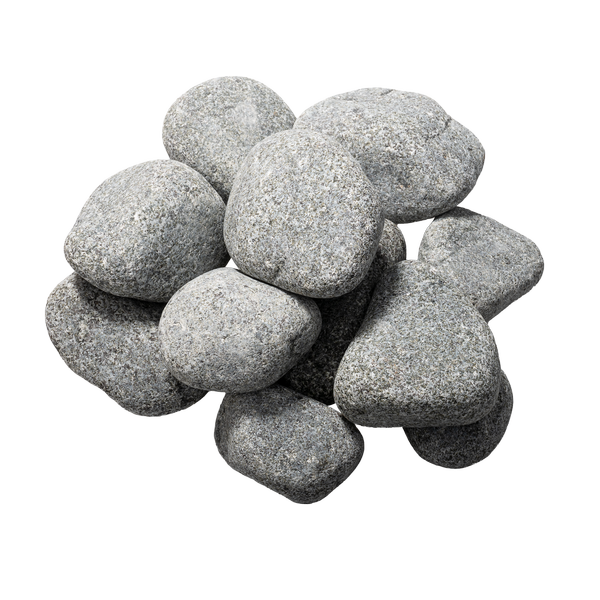
Beyond raw power, the heater’s stone capacity matters significantly for climate quality. A larger stone basket retains heat longer, produces more sustained steam, and reduces thermal shock to the heating elements. Ceiling height is also a critical factor; some heater models require a minimum ceiling clearance to operate safely and distribute air effectively.
For anyone building a sauna and unsure where to start with sizing, using a dedicated sauna heater calculator is a practical first step before selecting any specific model or configuration. If you need personalised guidance, you are always welcome to get in touch with our team for expert advice on sizing and setup.
What mistakes cause poor indoor climate in a new sauna build?
The most common mistakes that cause poor indoor climate in a new sauna build are undersizing the heater, neglecting ventilation planning, using materials that off-gas at high temperatures, placing the heater incorrectly, and failing to account for the sauna’s actual thermal envelope. Each of these errors is avoidable with proper planning.
Undersizing the heater is perhaps the most frequent issue. A heater that cannot bring the room to temperature within a reasonable time will never produce adequate steam, and the indoor climate will always feel flat and unsatisfying. Likewise, a heater placed in the wrong position—too close to walls or with insufficient clearance—will create hot spots rather than even heat distribution.
Ventilation is often treated as an afterthought, but it is fundamental to indoor climate. Without a planned fresh-air intake near the floor and a controlled exhaust, the sauna air becomes stale quickly and carbon dioxide levels rise. This is what causes the heavy, hard-to-breathe feeling that many sauna users associate with poor-quality saunas.
Using the wrong interior materials is another overlooked factor. Treated or painted wood, synthetic insulation exposed to the interior, or certain adhesives can release chemicals when heated, directly degrading air quality. Stick to natural, untreated wood for all interior surfaces, and verify that any insulation used is completely sealed behind a vapor barrier.
How Saunum helps improve sauna indoor climate
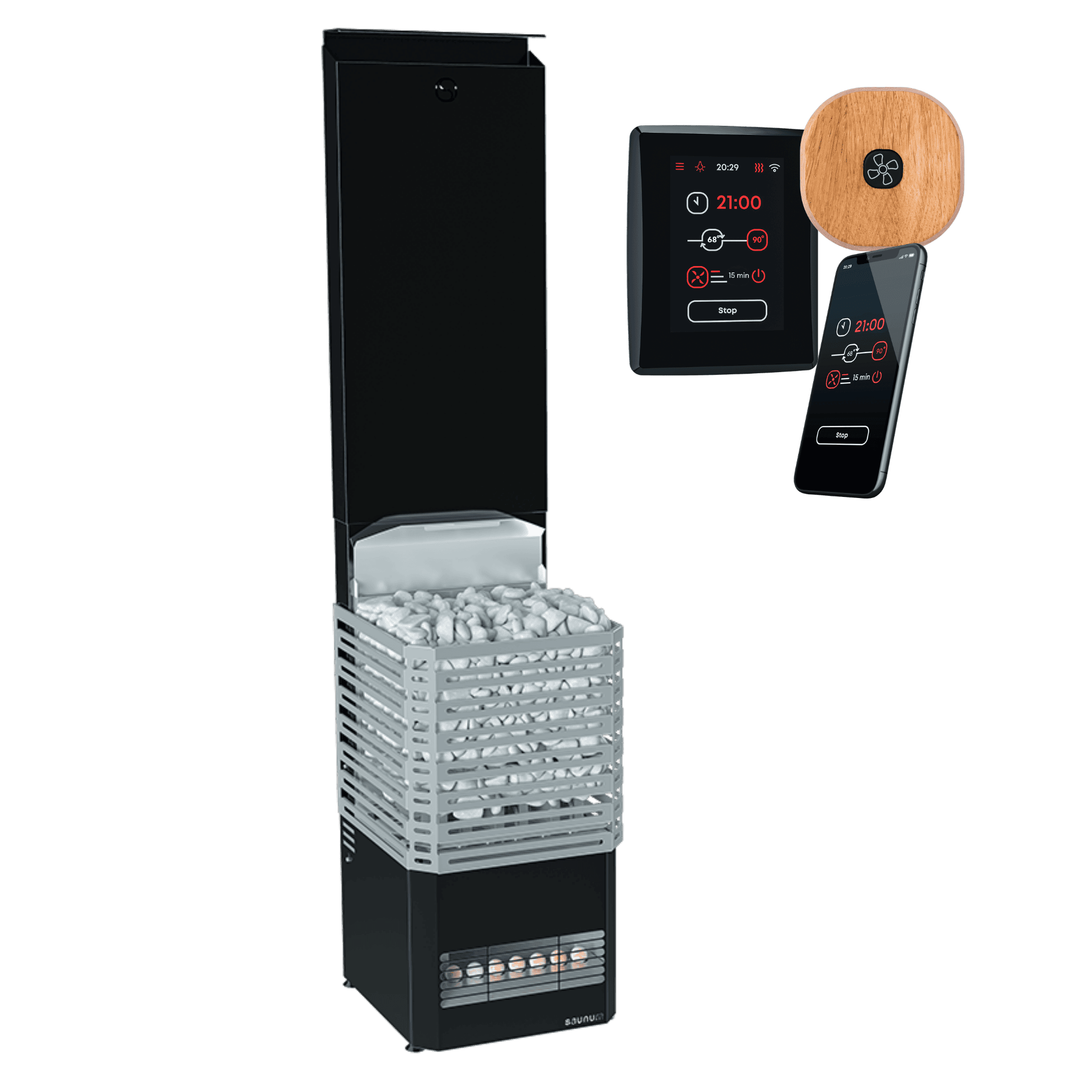
We have built our entire product range around solving the core problems of sauna indoor climate: uneven temperature, poor breathability, and short-lived steam. Our patented air-blending technology captures hot steam near the ceiling, mixes it with cooler, oxygen-rich air from floor level, and redistributes it evenly throughout the room. The result is a fundamentally better environment from the first session. You can learn more about the principles behind our approach on the Saunum technology page.
Our lineup covers every type of sauna build and upgrade scenario:
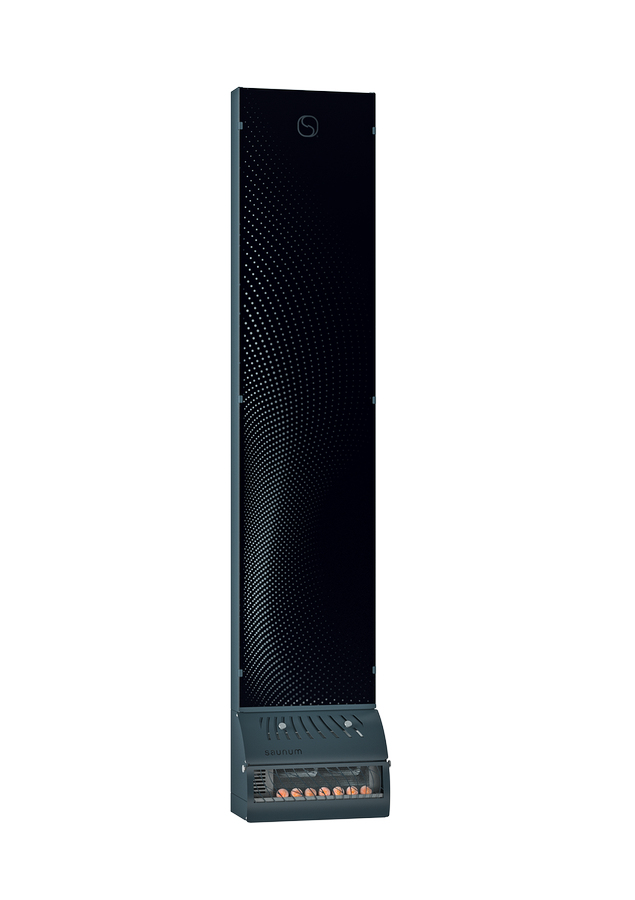
- Saunum Base adds our air circulation technology to any existing heater, making it the ideal solution for upgrading a sauna without replacing the heater.
- Saunum Experience and Pro Experience combine a heater and climate device in one unit, sized for home saunas up to commercial boutique installations.
- Saunum Luxury handles large sauna rooms in private homes and spa facilities with high-capacity heating and an oversized stone basket.
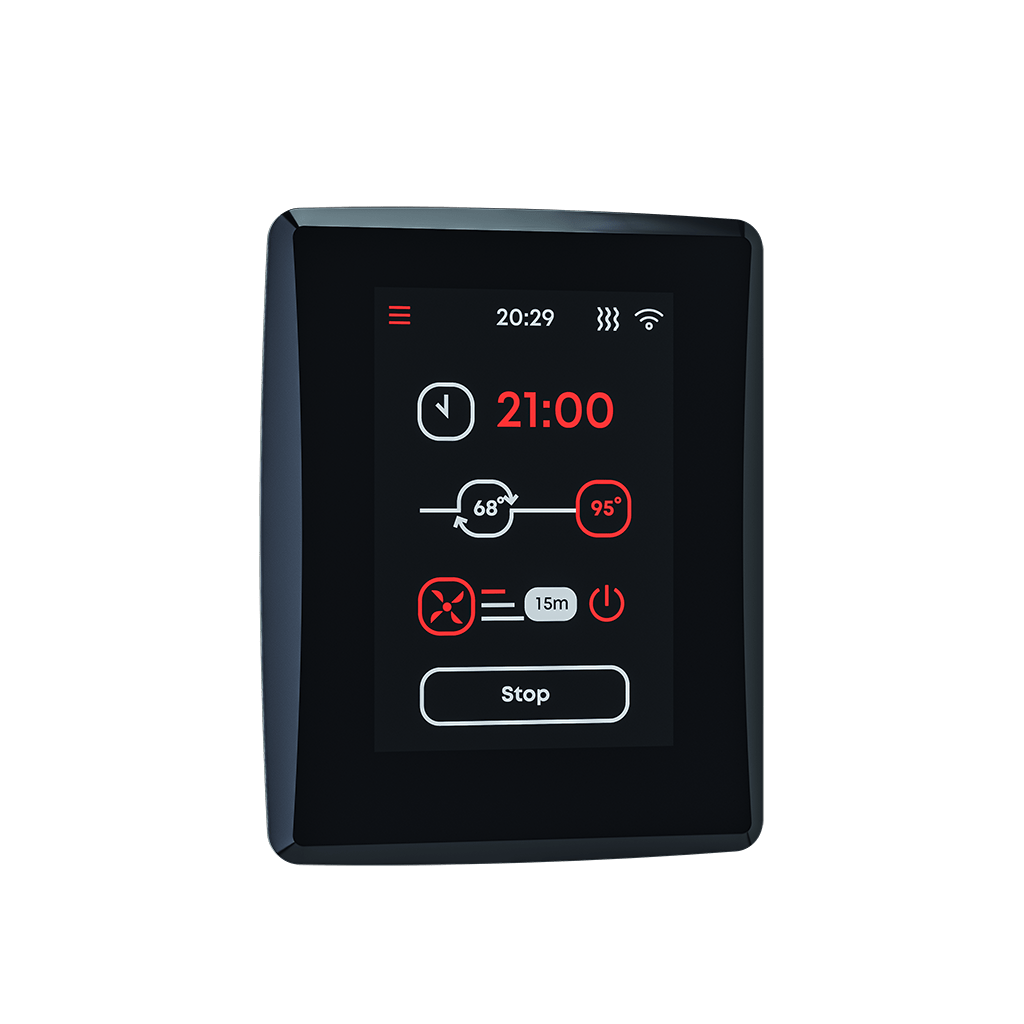
Every product supports our 5-in-1 spa solution, letting you switch between a classic Nordic sauna, a humid, steam-rich sauna, a mild, relaxing sauna, a salt ion sauna, and an aroma sauna simply by adjusting temperature, fan speed, and the vent valve. The Saunum Leil smart control unit ties everything together, letting you schedule sessions, monitor sauna status remotely, and control the climate device from inside the steam room without getting up.
If you want expert help getting the installation right from the start, our professional installation service covers everything from transporting equipment to the site to making all electrical connections, laying the heater stones, and walking you through how to use the system. Reach out to Saunum to find the right product for your sauna and get your indoor climate performing exactly as it should.