


Sauna heat raises your heart rate significantly, often to levels comparable to moderate aerobic exercise. In a typical sauna session, your heart rate can climb from a resting rate of around 60-70 beats per minute to anywhere between 100 and 150 beats per minute, depending on the temperature, session length, and your individual physiology. Below, we unpack the key questions around sauna cardiovascular effects so you know exactly what to expect and how to get the most from every session.
How much does your heart rate rise in a sauna?
In a sauna, your heart rate typically rises to between 100 and 150 beats per minute, representing a 50 to 100 percent increase over your resting rate. The exact figure depends on sauna temperature, humidity, how long you stay inside, and your baseline fitness level. Most people reach this elevated rate within the first 10 to 15 minutes of a session.
This cardiovascular response is your body’s way of managing heat. As core body temperature rises, your heart pumps faster to push blood toward the skin’s surface, where it can release heat through sweating and radiation. The warmer the sauna and the longer you stay, the more pronounced this effect becomes. Experienced sauna users often find their bodies adapt over time, reaching the same heart rate levels more efficiently as cardiovascular fitness improves.
Why does heat cause your heart rate to increase?
Heat causes your heart rate to increase because your body needs to cool itself down. When sauna temperatures rise, your nervous system triggers vasodilation, widening blood vessels near the skin to allow more blood flow to the surface. To maintain blood pressure and keep organs supplied, your heart compensates by beating faster and harder.
Think of it as a demand-and-supply response. Your skin suddenly needs far more blood than usual, and your heart is the pump that meets that demand. At the same time, sweating draws fluid from your blood, reducing blood volume slightly, which pushes the heart to work harder to maintain circulation. This combination of vasodilation and fluid loss is the primary driver behind the sauna heart rate increase most people notice within minutes of entering a hot room.
Is a faster heart rate in the sauna safe?
For most healthy adults, an elevated heart rate in the sauna is safe and even beneficial. The cardiovascular response mirrors what happens during light to moderate exercise, and research consistently supports regular sauna use as a positive habit for heart health. However, people with certain conditions, including uncontrolled high blood pressure, recent heart attacks, or arrhythmias, should consult a doctor before using a sauna regularly.
A few practical guidelines help keep sauna sessions safe for everyone:
- Stay hydrated before and after each session to offset fluid lost through sweating.
- Limit individual sessions to 15 to 20 minutes, especially if you are new to sauna use.
- Exit the sauna immediately if you feel dizzy, nauseous, or short of breath.
- Avoid alcohol before or during a session, as it impairs your body’s ability to regulate temperature.
The key is listening to your body. A heart rate that feels uncomfortably fast or irregular is a signal to step out and cool down. For the vast majority of people, the elevated sauna heart rate is a normal, healthy physiological response.
How does sauna heat compare to cardio exercise for heart health?
Sauna heat produces cardiovascular effects that closely resemble those of moderate aerobic exercise, including increased heart rate, improved circulation, and lower blood pressure after the session ends. While sauna use does not build muscle or burn the same number of calories as a run or bike ride, it delivers meaningful cardiovascular conditioning, particularly for people who find vigorous exercise difficult.
The comparison is most relevant for sauna blood pressure effects. Regular sauna sessions have been associated with improved arterial flexibility and reduced resting blood pressure over time, outcomes that overlap with the benefits of consistent aerobic training. Some researchers describe sauna use as a form of passive cardiovascular conditioning, meaning your heart gets a genuine workout without the mechanical stress on joints and muscles that comes with physical exercise. This makes it a valuable complement to an active lifestyle rather than a direct replacement for movement.
Does steam quality affect how hard your heart works?
Yes, steam quality directly influences the sauna experience and, by extension, how your body responds cardiovascularly. Harsh, superheated steam concentrated near the ceiling creates an uneven thermal environment that can feel suffocating, prompting people to leave the sauna earlier and reducing the duration of the cardiovascular stimulus. Softer, more evenly distributed steam allows for longer, more comfortable sessions where the heart can sustain its elevated rate safely.
When steam is mixed with cooler, oxygen-rich air rather than sitting as a scorching layer at ceiling level, breathing becomes easier and the body can tolerate the heat more effectively. This matters for heart health because the cardiovascular benefits of sauna use are closely tied to session duration and consistency. A more breathable sauna environment naturally supports longer, more productive sessions.
How often should you sauna to see heart rate benefits?
Most evidence points to two to four sauna sessions per week as the threshold where meaningful cardiovascular benefits begin to accumulate. Occasional use produces short-term effects like temporary blood pressure reduction and improved circulation, but regular, consistent sessions are what drive lasting improvements in heart health over months and years.
Frequency matters more than session length up to a point. Two 15-minute sessions per week consistently over several months will deliver more cumulative benefit than one long session every few weeks. As your body adapts, you may find you can comfortably extend sessions or increase frequency. The goal is to build sauna use into your routine the same way you would any other wellness habit, gradually and sustainably.
How Saunum’s electric sauna heaters support your heart health goals
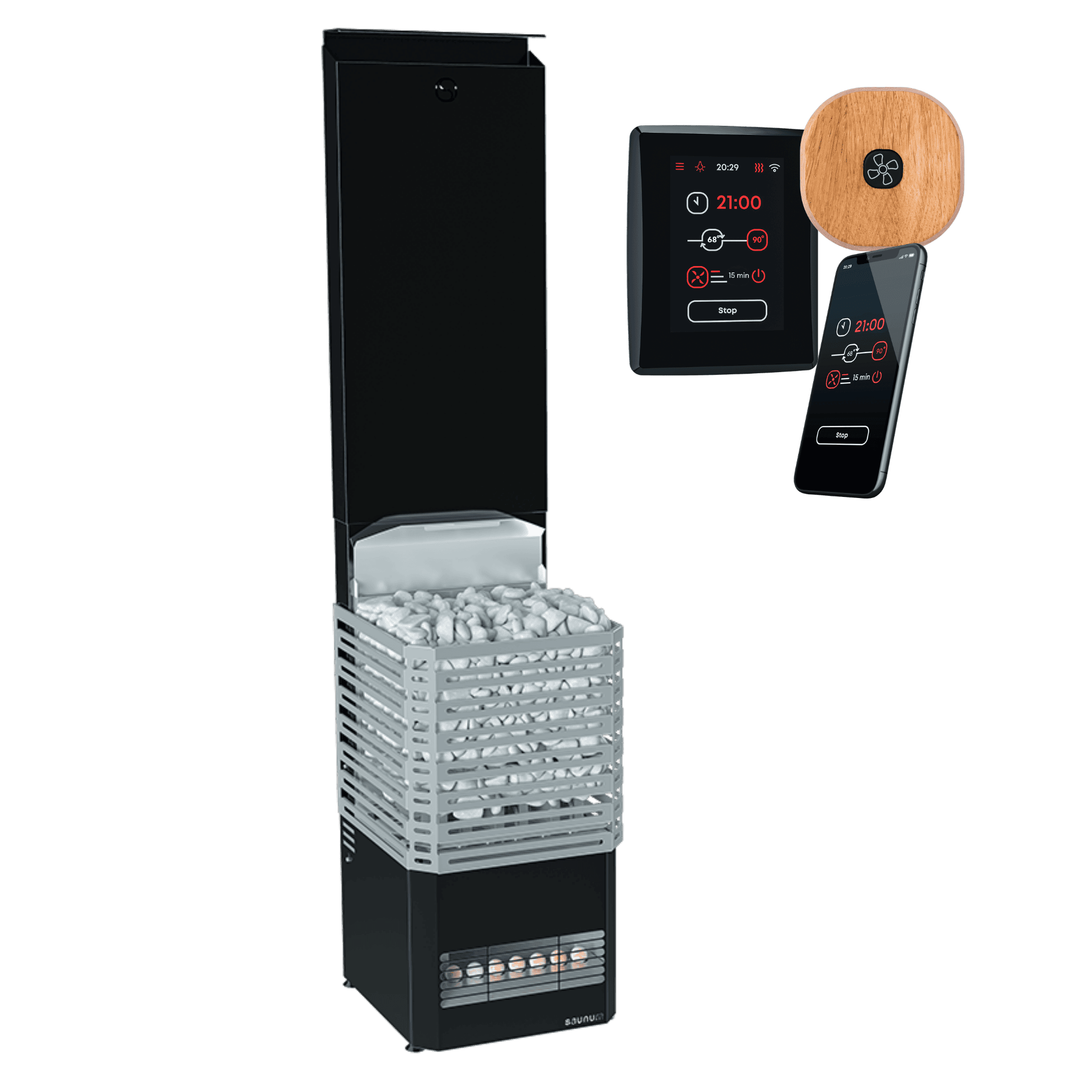
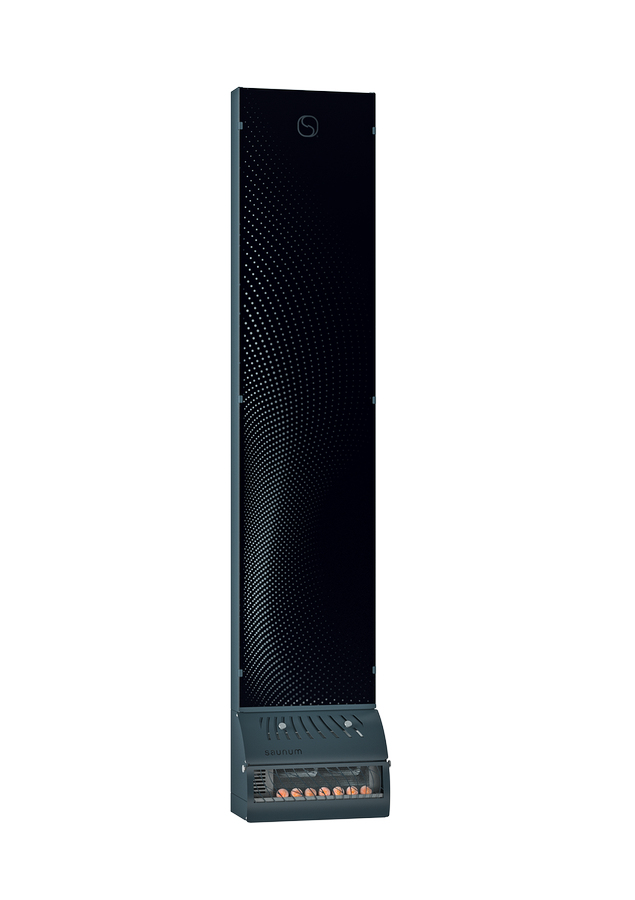
Getting the most cardiovascular benefit from sauna use depends heavily on the quality of the environment inside the room. Our electric sauna heaters are built around a patented air circulation system that actively solves the uneven heat problem most traditional heaters leave unaddressed. Here is how that directly supports better heart health outcomes:
- The system draws superheated steam from the ceiling and blends it with cooler, oxygen-rich air from the floor, equalizing room temperature by up to 60 percent.
- Softer, more breathable steam means you can stay in the sauna longer and more comfortably, extending the cardiovascular stimulus each session delivers.
A more consistent thermal environment also means your body responds more predictably, making it easier to gauge how your heart is working and stay within a comfortable, beneficial range. If you are serious about using sauna sessions as part of a heart health routine, the quality of your heater is not a minor detail. Explore Saunum’s range of electric sauna heaters and find the right fit for your setup.
Frequently Asked Questions
What is the maximum heart rate you should reach in a sauna, and how do you know if you've gone too far?
A general guideline is to keep your sauna heart rate below 85% of your maximum heart rate (calculated as 220 minus your age). If your heart rate feels rapid and irregular, or if you experience dizziness, chest tightness, or shortness of breath, those are clear signals to exit immediately and cool down. Wearing a heart rate monitor during sessions is a practical way to stay within a safe and beneficial range, especially when you’re first building a sauna routine.
Should I sauna before or after a workout to maximize cardiovascular benefits?
Post-workout sauna sessions are generally more effective and safer for cardiovascular benefit. After exercise, your heart rate is already elevated and your muscles are warm, so the sauna extends the cardiovascular stimulus and may enhance recovery by improving circulation and reducing muscle soreness. Using the sauna before a workout can cause premature fatigue and dehydration, which may compromise your exercise performance and increase the risk of overheating.
Can beginners with no sauna experience still get heart health benefits, or does it take time to build up?
Beginners can start experiencing cardiovascular benefits from their very first sessions, but it’s important to start conservatively — think 8 to 10 minutes at moderate temperatures rather than jumping straight into long, high-heat sessions. Your body adapts quickly over the first few weeks, and you’ll likely notice that the same temperature feels more manageable as your cardiovascular system becomes more efficient at handling the heat stress. Building up gradually not only keeps you safe but also makes the habit more sustainable long-term.
Does cooling down between sauna rounds (contrast therapy) affect the cardiovascular response?
Yes, alternating between heat and cold — such as a cold shower or plunge between sauna rounds — creates a powerful cardiovascular training effect. The rapid shift from vasodilation in the heat to vasoconstriction in the cold forces your blood vessels to contract and expand repeatedly, which is often described as a ‘vascular workout.’ This contrast therapy approach can amplify the heart health benefits of a standard sauna session and is a well-established practice in Nordic sauna culture.
How does hydration affect your heart rate during a sauna session?
Dehydration directly raises your heart rate in the sauna because reduced blood volume forces your heart to beat faster to maintain adequate circulation. Even mild dehydration — losing as little as 1 to 2% of your body weight in fluids — can make your heart work noticeably harder than it would if you were well-hydrated. Drinking 1 to 2 glasses of water before your session and rehydrating promptly afterward helps keep your cardiovascular response in a healthy, controlled range.
Can regular sauna use help lower resting heart rate over time, similar to aerobic training?
Research suggests that consistent sauna use can contribute to a lower resting heart rate over time, though the effect is more modest than what you’d achieve through regular aerobic exercise. The mechanism is similar — repeated cardiovascular stress prompts the heart to become more efficient, gradually reducing the number of beats needed to maintain circulation at rest. For best results, treat sauna sessions as a complement to, rather than a replacement for, regular physical activity.
Are there any medications that can make sauna use riskier from a cardiovascular standpoint?
Yes, several common medications can interact with the cardiovascular demands of sauna use. Beta-blockers, for example, artificially suppress heart rate and may mask warning signs that your body is overheating. Diuretics increase fluid loss, amplifying the dehydration risk that already exists in a hot sauna. Certain blood pressure medications can cause excessive drops in pressure when combined with the vasodilation triggered by heat. If you take any prescription medication affecting your heart, blood pressure, or fluid balance, consult your doctor before making sauna use a regular habit.