

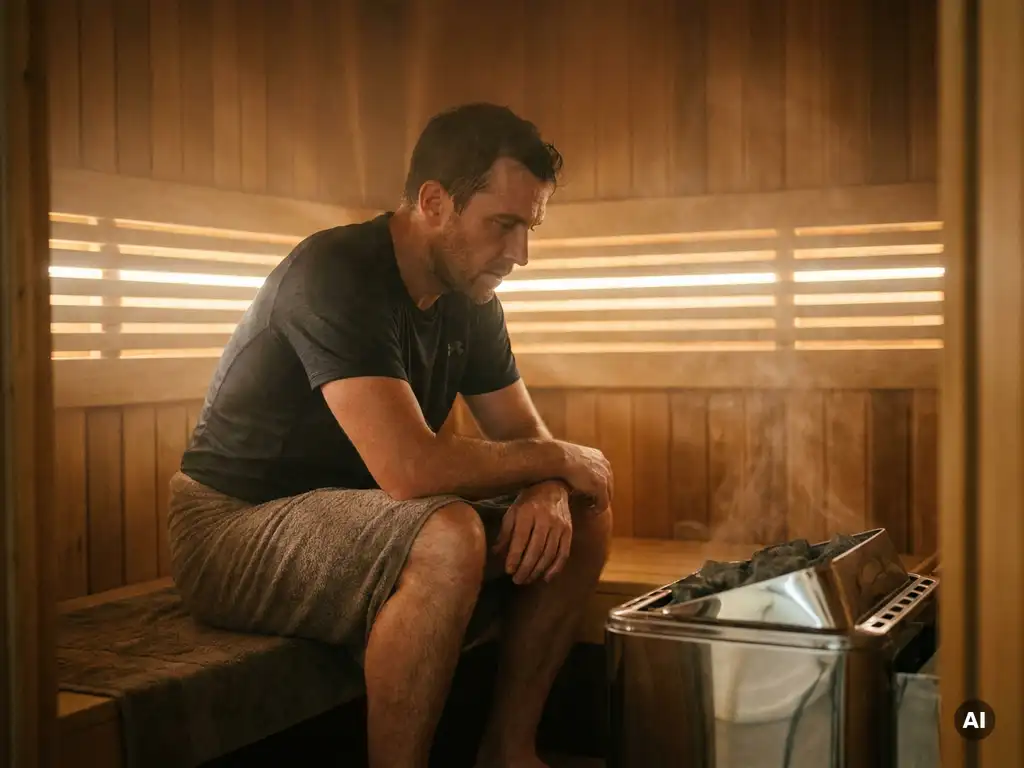
Yes, a sauna is good for sore muscles. Heat therapy increases blood flow to tired muscle tissue, helping to flush out metabolic waste products and deliver fresh oxygen and nutrients that support recovery. Whether you’re dealing with post-workout soreness or everyday muscle tension, regular sauna sessions can make a meaningful difference in how quickly and comfortably you recover.
Below, we answer the most common questions about sauna and muscle recovery so you can get the most out of every session.
How does heat help relieve muscle soreness?
Heat relieves muscle soreness by dilating blood vessels and increasing circulation to affected tissue. This improved blood flow accelerates the removal of lactic acid and other metabolic byproducts that accumulate during physical activity, while simultaneously delivering oxygen and nutrients the muscles need to repair. Heat also relaxes muscle fibers directly, reducing tension and stiffness.
Beyond circulation, heat stimulates the release of heat shock proteins, which play a role in cellular repair and protection. It also activates the parasympathetic nervous system, shifting the body into a rest-and-recover state. This combination of physiological responses makes heat therapy one of the most accessible and effective tools for muscle relief.
What type of muscle soreness does sauna help with?
Sauna helps with both acute muscle fatigue and delayed onset muscle soreness (DOMS). Acute fatigue, the heavy tiredness felt immediately after exercise, responds well to heat because circulation is already elevated and the muscles are primed to receive fresh blood flow. DOMS, which typically peaks 24 to 48 hours after intense activity, also benefits from sauna heat as it reduces inflammation and eases the stiffness that makes movement uncomfortable.
Sauna is particularly effective for soreness in large muscle groups such as the legs, back, and shoulders, where heat can penetrate deeply. It is less suited to acute injuries involving swelling or inflammation in a localized area, where cold therapy is generally the better first response.
How long should you stay in the sauna for muscle recovery?
For muscle recovery, a sauna session of 15 to 20 minutes is generally effective for most people. This duration is long enough to raise core body temperature, promote sustained vasodilation, and allow muscles to relax fully, without placing excessive strain on the cardiovascular system.
If you are new to sauna use, start with 10 minutes and build up gradually. More experienced users may extend sessions to 25 minutes, but longer is not always better. Staying hydrated before, during, and after is essential regardless of session length, as sweating significantly increases fluid loss.
Should you use the sauna before or after a workout?
For muscle recovery, use the sauna after a workout rather than before. Post-exercise sauna sessions capitalize on already elevated circulation and help the body transition into recovery mode. Using sauna before exercise can cause premature fatigue, dehydration, and reduced performance by raising core temperature before you have even begun training.
That said, a short, low-intensity sauna session before exercise can serve as a warm-up for muscles, particularly in cold environments. But if your goal is specifically sauna for sore muscles and faster recovery, the post-workout window is where heat therapy delivers the most benefit. Allow yourself to cool down for 10 to 15 minutes after exercise before entering the sauna.
Does sauna help with chronic muscle pain and tension?
Yes, regular sauna use can help manage chronic muscle pain and tension. Consistent heat exposure keeps muscles more pliable, reduces habitual tightness, and supports the nervous system in maintaining a lower baseline stress response. For people dealing with conditions like chronic back pain or tension headaches rooted in muscle tightness, sauna sessions several times per week can provide meaningful ongoing relief.
The key word here is regular. A single session offers temporary relief, but the cumulative effects of frequent sauna use build over time. Many wellness practitioners recommend incorporating sauna into a broader routine that includes stretching, adequate sleep, and proper hydration for the best long-term results with chronic muscle issues.
What should you do after a sauna session for better muscle recovery?
After a sauna session, rehydrate immediately with water or an electrolyte drink to replace fluids lost through sweating. Follow this with a period of gentle movement or light stretching while your muscles are still warm and pliable, as this is an ideal window to improve flexibility and reduce residual tension.
- Drink at least 500 ml of water within 30 minutes of finishing your session
- Do gentle stretching or foam rolling while muscles are warm
- Eat a protein-rich snack or meal to support muscle repair
- Rest and allow your body time to complete the recovery process
Avoid alcohol immediately after a sauna session, as it accelerates dehydration. A cool shower can help bring your core temperature back to normal and leave you feeling refreshed without undoing the muscle-relaxing benefits of the heat.
How Saunum’s electric sauna heaters support muscle recovery
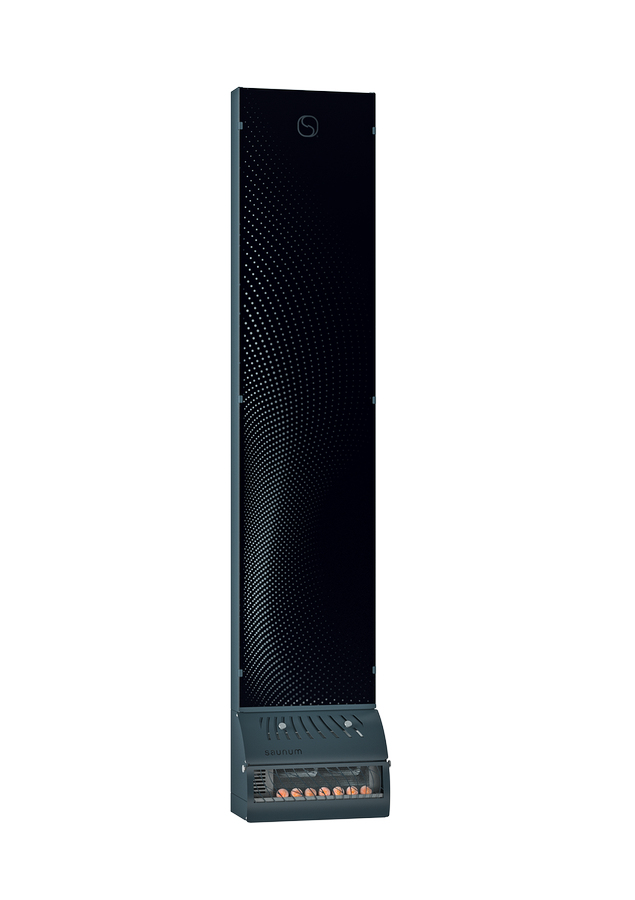
Getting the most from sauna muscle recovery depends not just on time spent in the sauna, but on the quality of the environment itself. Our electric sauna heaters are built around a patented air circulation system that actively blends the hot steam trapped near the ceiling with the cooler, oxygen-rich air near the floor. The result is a more even temperature throughout the room and a softer, more breathable steam that lets you stay in longer and sweat more intensely without discomfort.
- Consistent heat from floor to ceiling means your whole body benefits equally, not just the upper body
- Softer, more breathable steam reduces the harshness that can make longer recovery sessions feel difficult
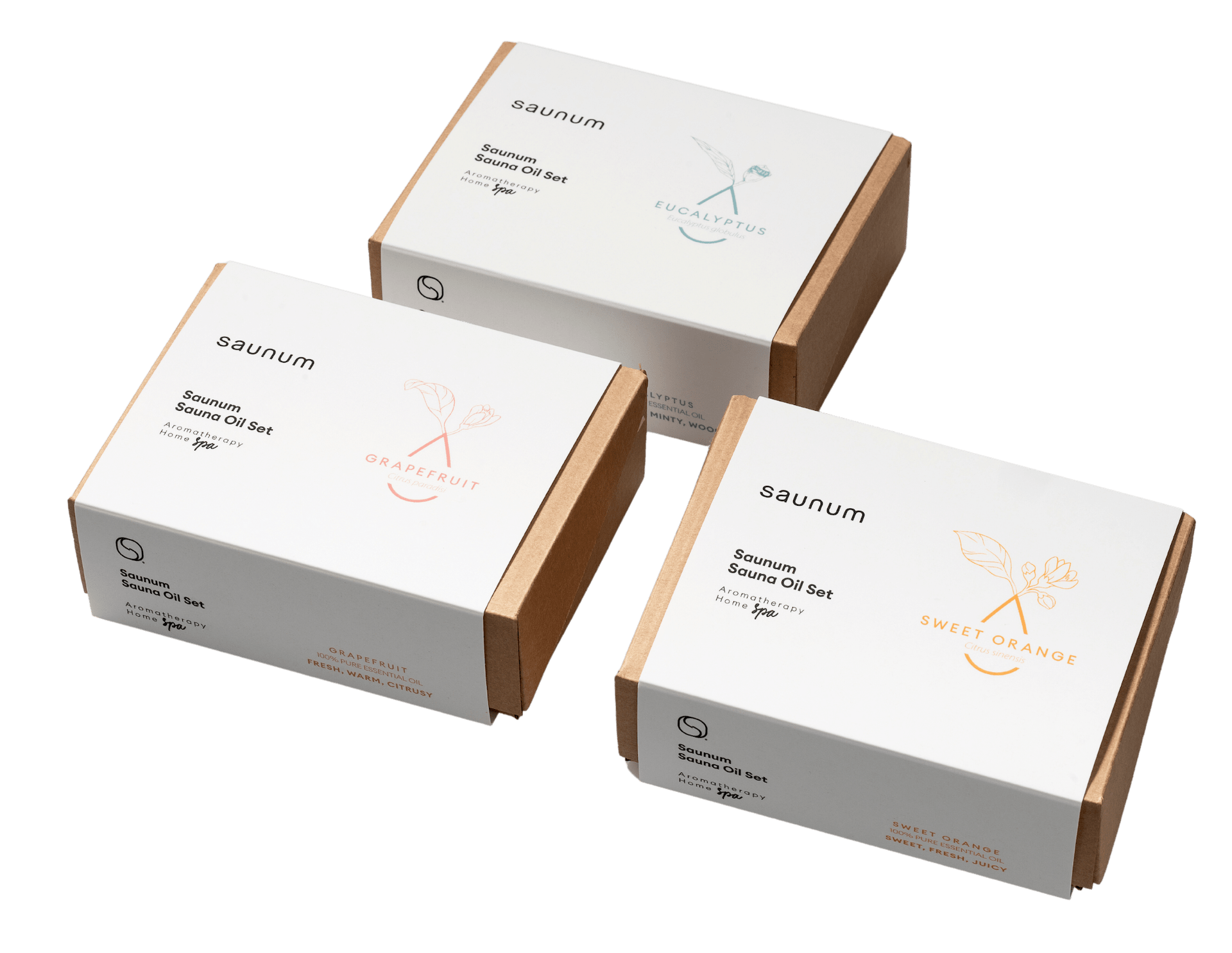
- Optional Himalayan salt orbs infuse the air with beneficial ions for an added wellness dimension
If you are serious about using sauna as part of your muscle recovery routine, the quality of your heater matters. Explore Saunum’s range of electric sauna heaters and find the right fit for your home or wellness space.
Frequently Asked Questions
Can I use the sauna every day for muscle recovery, or is there such a thing as too much?
Daily sauna use is generally safe for healthy individuals, but most experts recommend 3 to 4 sessions per week for muscle recovery purposes to allow your body adequate rest between heat exposures. Using the sauna every single day without rest can place cumulative stress on the cardiovascular system and may lead to chronic dehydration if fluid intake is not carefully managed. Listen to your body — if you feel fatigued, lightheaded, or unusually sore after sessions, scaling back frequency is the right move.
Is an infrared sauna or a traditional Finnish sauna better for sore muscles?
Both types offer meaningful muscle recovery benefits, but they work differently. Traditional Finnish saunas operate at higher temperatures (70–100°C) and heat the body primarily through convection and steam, producing a more intense sweat that many users find deeply relaxing for large muscle groups. Infrared saunas run cooler (45–60°C) and penetrate tissue more directly with radiant heat, which some users find gentler and easier to tolerate for longer sessions. If you can handle the heat, a traditional sauna tends to produce faster, more pronounced muscle relief; infrared is a solid alternative for those sensitive to high temperatures.
Should I stretch before or after getting into the sauna?
Stretching after your sauna session is significantly more effective than stretching beforehand. The heat from the sauna increases muscle elasticity and reduces tissue resistance, meaning your muscles are at their most pliable immediately after you exit. Light dynamic or static stretching in this warm window can improve your range of motion more efficiently and help release any residual tension that the heat has already begun to loosen. Aim to stretch within 5 to 10 minutes of leaving the sauna, before your muscles have had a chance to cool down completely.
Is it safe to use the sauna if I have a muscle injury rather than just general soreness?
It depends on the nature and stage of the injury. For acute injuries — such as a pulled muscle, strain, or any injury involving visible swelling, bruising, or sharp localized pain — heat is not recommended in the first 48 to 72 hours, as it can increase inflammation and worsen the damage. Cold therapy (ice or cold compression) is the appropriate first response in this phase. Once the acute phase has passed and swelling has subsided, gentle heat can support the later stages of healing. When in doubt, consult a physiotherapist or sports medicine professional before using sauna on an injured area.
Does combining cold plunging with sauna improve muscle recovery compared to sauna alone?
Yes, alternating between sauna heat and cold water immersion — a practice known as contrast therapy — is widely regarded as one of the most effective recovery protocols available. The rapid cycling between vasodilation (caused by heat) and vasoconstriction (caused by cold) creates a pumping effect in the circulatory system that accelerates the removal of metabolic waste and reduces muscle inflammation more efficiently than either method alone. A common protocol is 10 to 15 minutes in the sauna followed by 1 to 3 minutes in cold water, repeated 2 to 3 times. Start conservatively if you are new to cold exposure.
How much water should I drink before a sauna session to stay safe during muscle recovery?
Drink at least 500 ml (about 16 oz) of water in the hour leading up to your sauna session to ensure you enter well-hydrated. During longer sessions, sipping water every 5 to 10 minutes can help offset fluid loss, though many traditional sauna users prefer to hydrate before and after rather than during. After your session, aim to drink at least 500 to 750 ml of water or an electrolyte-rich drink within 30 minutes to replenish what was lost through sweat. Avoid entering the sauna if you are already feeling thirsty, as thirst is a sign that mild dehydration has already begun.
Can sauna use help reduce muscle soreness from non-exercise causes, like sitting at a desk all day?
Absolutely — sauna is just as effective for tension and stiffness caused by prolonged static postures as it is for post-workout soreness. Sitting for extended periods causes muscles in the hips, lower back, and neck to shorten and tighten, and heat therapy directly addresses this by increasing blood flow and encouraging those muscles to relax. Regular sauna sessions 2 to 3 times per week can be a practical part of a desk worker’s wellness routine, especially when combined with movement breaks throughout the day and post-sauna stretching targeting the hip flexors, thoracic spine, and shoulders.