
If you’ve ever stepped into a sauna and felt a wall of scorching heat hit your face while your feet stayed cold, you’ve experienced one of the most common problems in sauna design: poor indoor climate control. For anyone building or upgrading a sauna, understanding how the air inside the room behaves is just as important as choosing the right heater. The quality of your sauna’s indoor climate directly shapes how long you can stay in, how well you recover, and how good you feel when you walk out.
This article answers the most common questions about sauna indoor climate control and explains how an air-blending system sauna setup can transform an uncomfortable sweat session into a genuine recovery experience. Whether you’re a DIY builder, a contractor specifying a new installation, or simply someone who wants more from their sauna time, these answers will help you make smarter decisions. You can also browse our full range of sauna climate solutions to see which system fits your build.
What is sauna indoor climate control and why does it matter?
Sauna indoor climate control refers to the management of temperature distribution, humidity, airflow, and air quality inside a sauna room. It matters because, without active climate management, heat and steam rise to the ceiling and stay there, creating a dangerously hot upper zone and a cooler, less effective lower zone. The result is an uneven, uncomfortable session that limits recovery benefits.
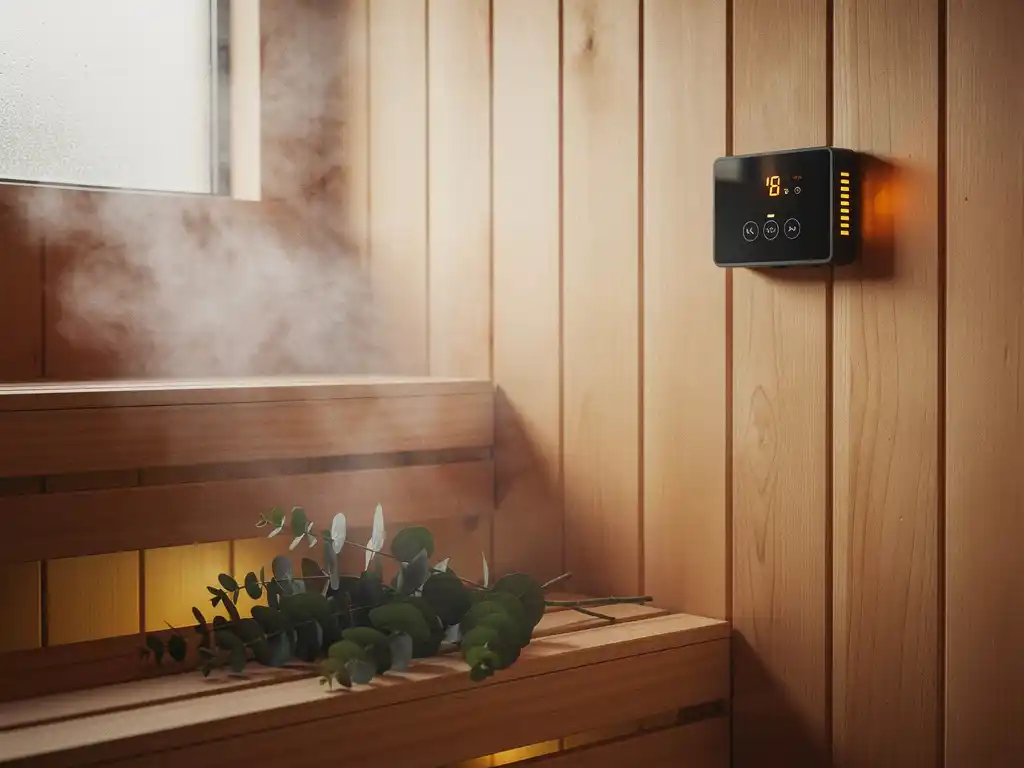
In a conventional sauna, the temperature difference between ceiling level and floor level can be dramatic. The steam produced when water hits the hot stones shoots upward and accumulates near the ceiling, while the lower half of the room stays relatively cool and dry. This stratification means that the bather’s torso and head are exposed to very different conditions than their legs, which undermines the physiological effects that make sauna bathing so valuable for recovery.
Effective climate control solves this by actively circulating and blending the air throughout the room. When heat and steam are distributed evenly from floor to ceiling, the bather experiences a consistent, enveloping warmth that promotes deeper sweating, easier breathing, and longer, more comfortable sessions. That consistency is the foundation of a genuinely restorative sauna experience.
How does poor air circulation affect sauna recovery sessions?
Poor air circulation in a sauna reduces recovery effectiveness by creating uneven heat exposure, short and harsh bursts of steam, and oxygen-depleted air around the upper body. When hot steam concentrates at ceiling level, the air becomes dense and difficult to breathe. Bathers often feel the urge to leave sooner, which cuts short the sweating and relaxation cycle that drives recovery.
The breathing challenge is particularly significant. In a poorly ventilated sauna, the steam near the ceiling is intense and concentrated, while the air near the bather’s face can feel heavy and stale. Many people report headaches or fatigue after sessions in conventionally designed saunas, which is a sign that the body was working harder than necessary to cope with the environment rather than benefiting from it.
From a recovery standpoint, both duration and comfort matter. A bather who can stay in the sauna longer, breathe comfortably, and sweat more intensely will experience greater muscle relaxation, improved circulation, and more effective stress relief. Poor air circulation cuts that process short by making the environment feel oppressive rather than restorative. The sauna ventilation system you choose has a direct and measurable effect on how beneficial each session actually is.
How does a sauna climate control system improve recovery time?
A sauna climate control system improves recovery time by equalizing temperature throughout the room, softening steam so it lasts longer, and enriching the air with oxygen. This allows bathers to stay in the sauna longer and sweat more intensely without discomfort, which accelerates the physiological processes behind muscle recovery, improved circulation, and stress relief.
The core mechanism is air blending. An active climate device captures the hot steam that rises to the ceiling and mixes it with the cooler, oxygen-rich air near the floor. The blended air is then redistributed evenly throughout the room. Because the steam is now softer and more diffuse, it doesn’t feel harsh or suffocating. Bathers can ladle water onto the stones more frequently, producing richer steam without the usual sting.
The role of oxygen-enriched air in recovery
One of the less obvious benefits of an air-blending system sauna setup is improved breathability. When cooler, floor-level air, which naturally contains more oxygen, is mixed into the upper zone, the overall air quality in the sauna improves. Bathers report being able to breathe more easily and comfortably throughout the session, which reduces the physiological stress response and allows the body to focus on recovery rather than coping. To learn more about how this process works, visit our sauna technology page.
Sessions in a well-controlled sauna climate also tend to produce more intense sweating, which is one of the primary mechanisms through which the body eliminates metabolic waste and regulates temperature. More effective sweating in a comfortable environment means the body achieves its recovery goals faster and with less strain.
What’s the difference between a standard sauna heater and a climate control system?
A standard sauna heater generates heat by warming stones, which then radiate heat and produce steam when water is added. A sauna climate control system, or sauna indoor climate device, goes further by actively managing how that heat and steam move through the room. The heater creates the energy; the climate system distributes it effectively.
In practical terms, a heater without a climate control component simply heats the room and lets physics take over. Hot air rises, steam accumulates at the ceiling, and the temperature gradient between floor and ceiling becomes pronounced. A climate device adds a fan-driven air-circulation mechanism that captures that ceiling-level heat and steam and blends it back down through the room.
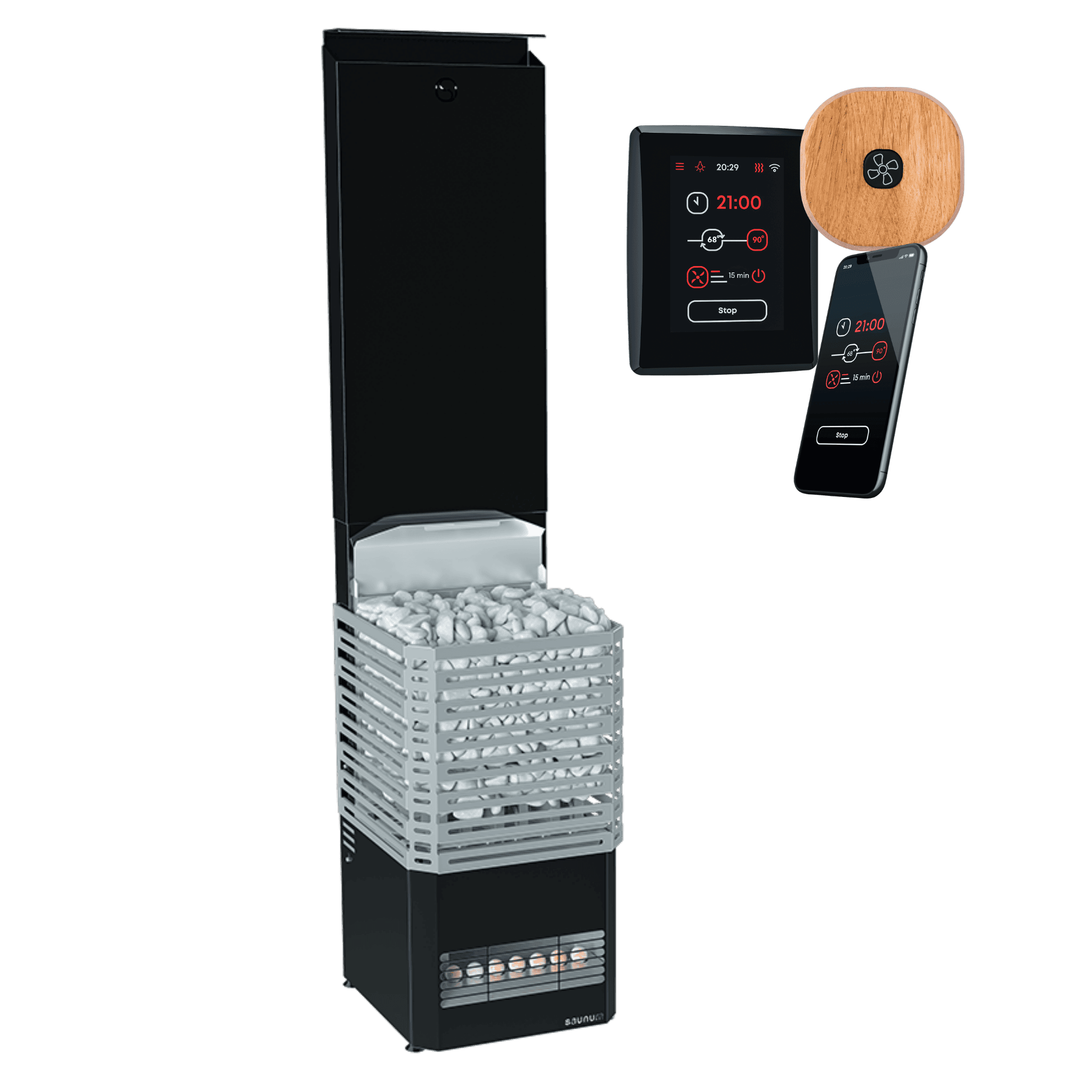
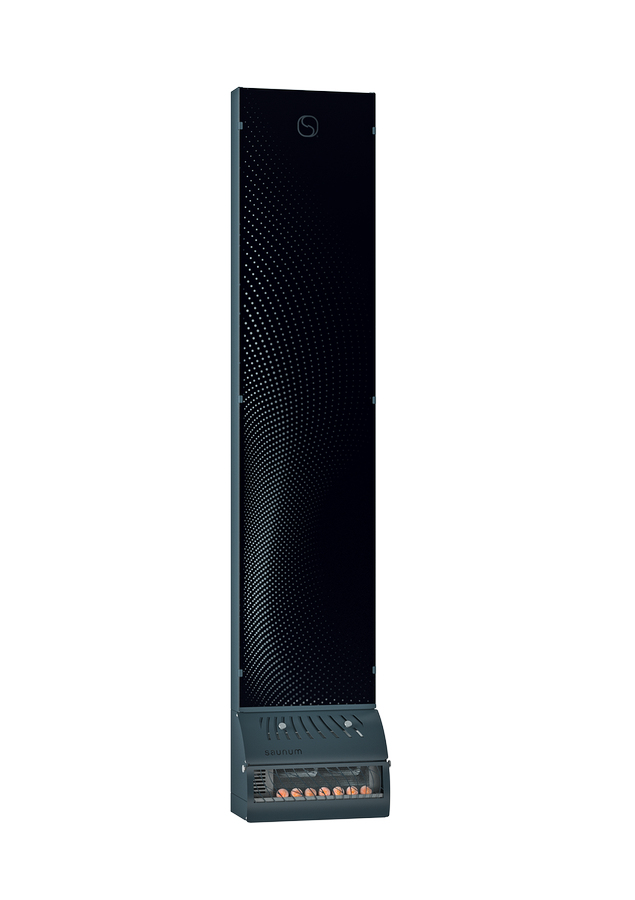
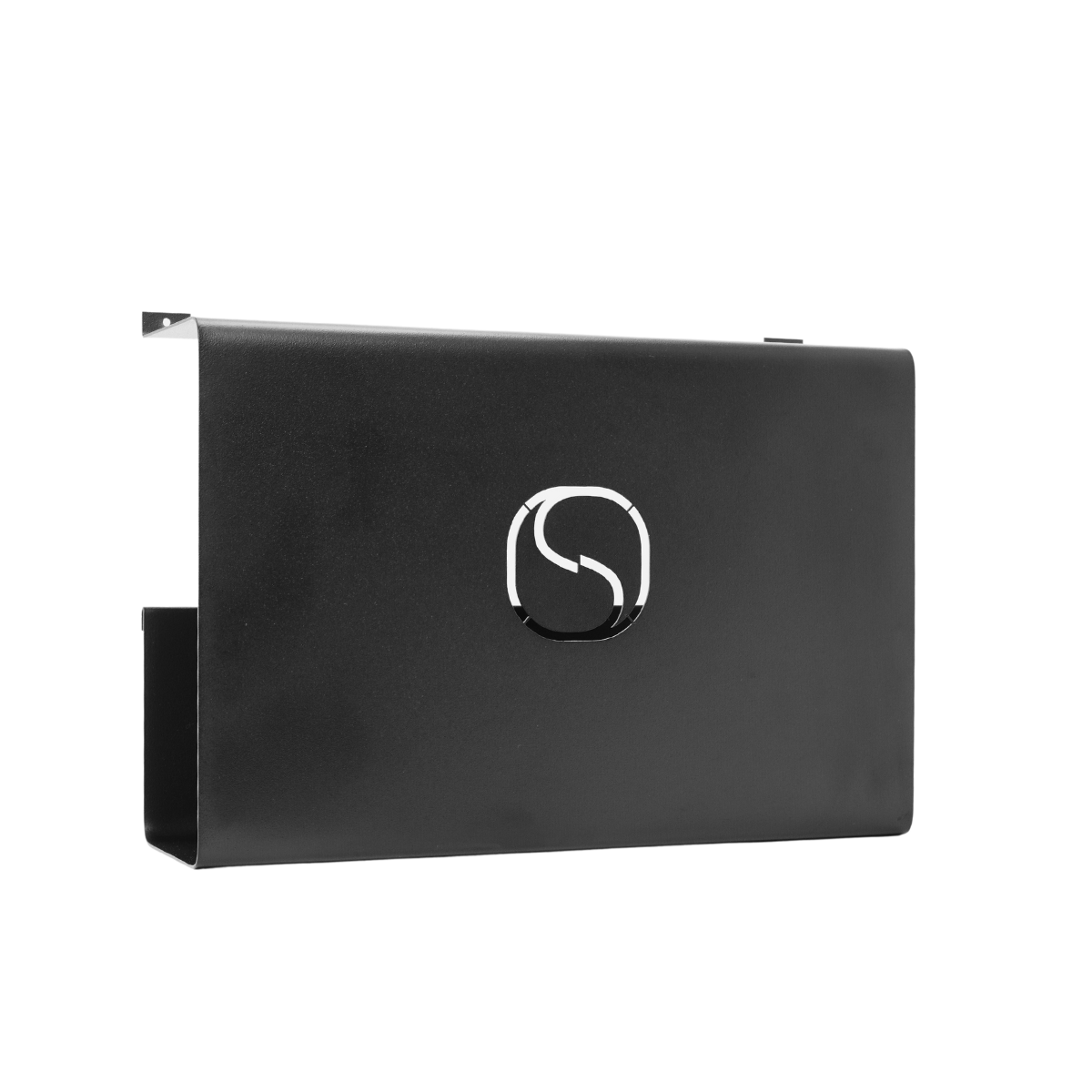
Some products combine both functions in a single unit. Our integrated heaters, for example, incorporate the air-blending system directly into the heater body, which means there is no separate visible climate device to install. This approach simplifies the installation process and creates a cleaner aesthetic, while still delivering the full benefit of active climate management. A standalone climate device, like the Saunum Base, can be added to an existing heater to achieve the same effect without replacing the heater entirely.
Should I install a sauna climate control system in a home sauna build?
Yes, installing a sauna climate control system in a home sauna build is worth it for almost any setup. The improvement in comfort, breathability, and session quality is significant enough to affect how often you use the sauna and how much benefit you get from it. For anyone building a sauna with recovery in mind, active climate control is not a luxury add-on but a core component of the design.
The case is especially strong if your sauna room has any features that complicate heat distribution, such as glass walls, a high ceiling, or uninsulated surfaces. These elements increase temperature stratification and make the problem of uneven heat worse. A sauna ventilation system with active air blending compensates for these architectural challenges by mechanically equalizing the environment regardless of the room’s construction.
For contractors and DIY builders, the practical question is whether to choose an integrated unit or add a standalone climate device. Integrated options simplify wiring and reduce the number of components to install, while standalone devices offer flexibility for existing builds. Either way, the investment pays off in a sauna that people actually want to use regularly, which is the whole point of building one. If you have specific questions about which system suits your project, contact us and our team will help you find the right fit.
What features should you look for in a sauna climate control system?
The most important features in a sauna climate control system are effective air blending, adjustable fan speeds, humidity control through a vent valve, and a reliable control interface. Beyond these fundamentals, features like salt-ion therapy integration, smart scheduling, and multiple sauna-mode presets add genuine value for home and boutique spa installations.
When evaluating a sauna indoor climate device, consider these key capabilities:
- Adjustable fan speeds: Multiple speed settings allow you to shift between different sauna experiences, from a dry Nordic session to a humid, steam-rich environment.
- Vent valve control: A vent that can be opened or closed adjusts how much humidity stays in the room, giving you direct control over the feel of the steam.
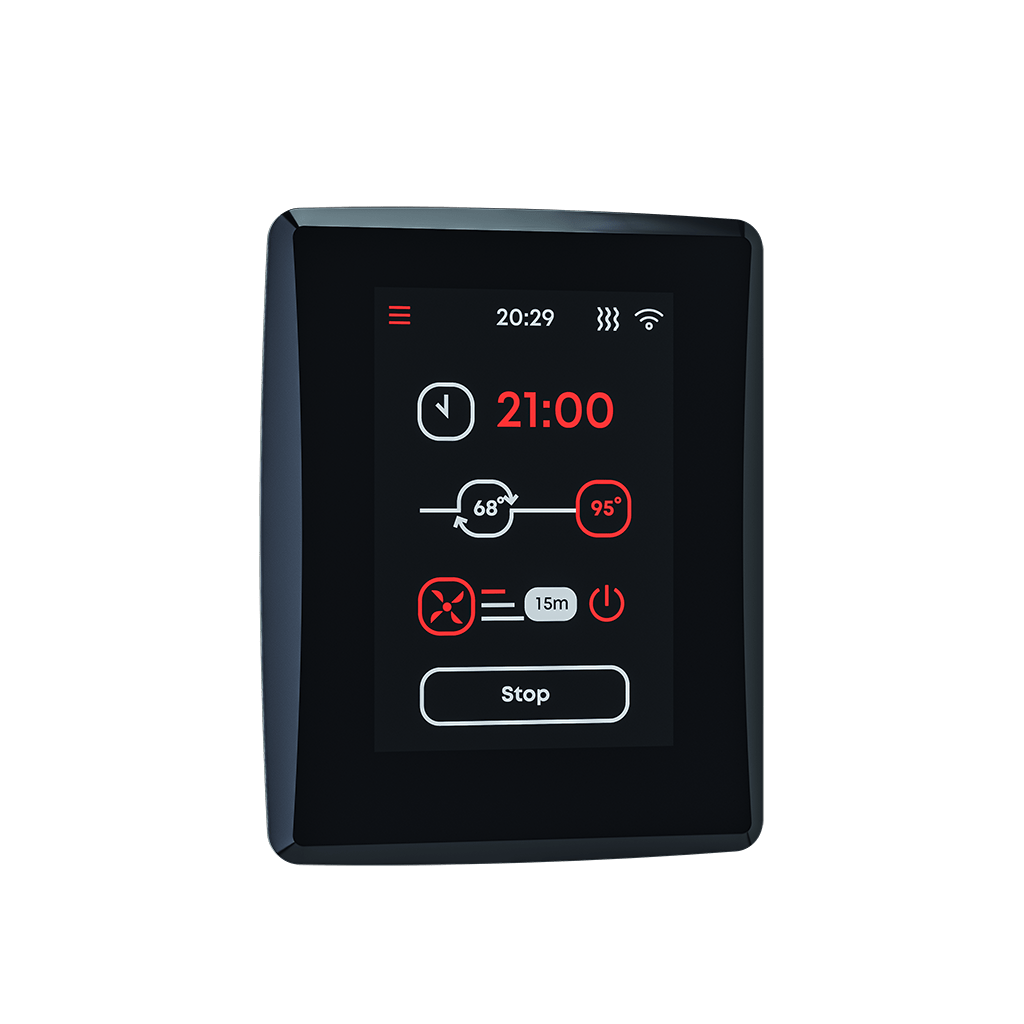
- Smart control integration: A controller that allows scheduling, remote operation, and real-time notifications removes friction from the sauna routine and improves safety.
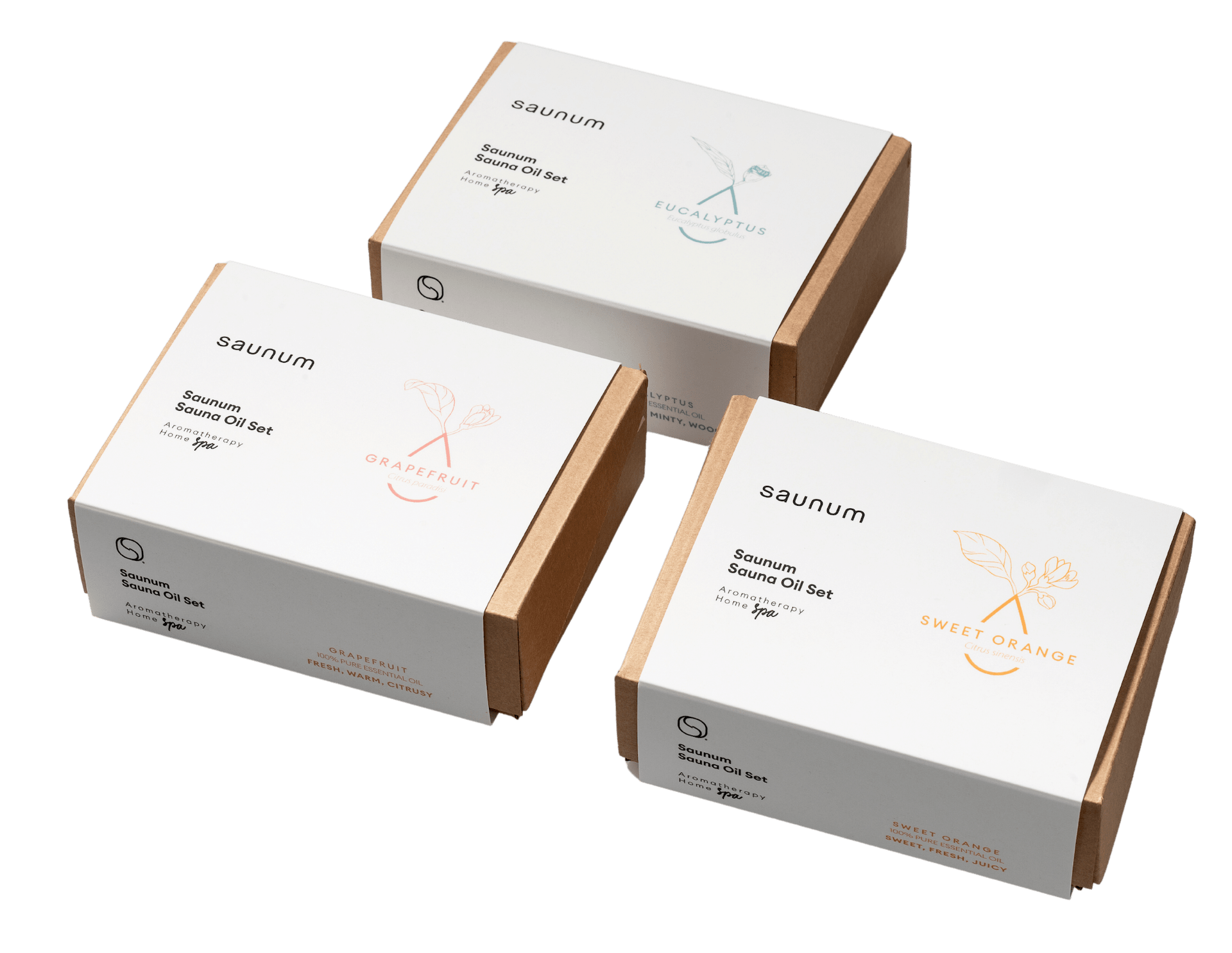
- Salt-ion or aromatherapy compatibility: Systems that support Himalayan salt spheres or aroma delivery add therapeutic dimensions to the session without requiring separate equipment.
Durability and safety features also matter, particularly for home builds where the system will run frequently. Look for corrosion-resistant materials in the heating elements and housing, thermal cut-off protection, and clear minimum safety distances in the installation documentation. A well-specified system, installed correctly, will run reliably for years without requiring significant maintenance.
How Saunum helps improve sauna indoor climate for better recovery
We design every product in our lineup around the core problem this article addresses: uneven heat distribution and poor air quality in conventional saunas. Our patented air-blending system captures hot steam from the ceiling, mixes it with cooler, oxygen-rich air from the floor, and redistributes it evenly throughout the room. The result is a sauna environment that is more comfortable, more breathable, and more effective for recovery.
Here is what our climate control solutions deliver in practice:
- Even temperature from floor to ceiling, eliminating the harsh upper zone that drives bathers out early.
- Softer, longer-lasting steam that allows more frequent ladling and more intense sweating without discomfort.
- Oxygen-enriched air that makes breathing easier and helps prevent post-session headaches and fatigue.
- Five selectable sauna experiences in one unit, from classic Nordic to humid steam, salt-ion therapy, and aroma sauna.
Our product range covers every installation scenario. The Saunum Base adds air blending to any existing heater without a full replacement. The Saunum Experience is our entry-level integrated unit for home saunas. The Saunum Spa Session combines a heater and climate device in a single streamlined body, and the Saunum Luxury and Pro Experience scale up for larger rooms and boutique public saunas. Every unit includes Himalayan salt spheres and is controlled through the Saunum Leil smart controller, which supports scheduling, remote operation, and smart home integration via Modbus.
If you are planning a new sauna build or upgrading an existing one, Saunum is ready to help you get the installation right from the start. Contact us at saunum.com to explore our full product range, use our heater sizing calculator, or get in touch about professional installation services that cover everything from electrical connections to stone placement and usage guidance.