
Saunas and cold plunges affect the body in fundamentally different ways: heat exposure dilates blood vessels, raises core temperature, and triggers a deep sweat response, while cold immersion constricts blood vessels, lowers tissue temperature, and activates the nervous system’s alertness response. Both therapies deliver real, well-documented health benefits, but they work through opposite physiological mechanisms. Below, we break down exactly what each does to your body and how to get the most from both.
How does heat from a sauna affect the body?
Heat from a sauna raises your core body temperature, which causes blood vessels to dilate, heart rate to increase, and sweat glands to activate. This mimics the cardiovascular response of moderate exercise. Your body works hard to cool itself, improving circulation, flushing metabolic waste through sweat, and stimulating the release of heat shock proteins that support cellular repair.
As your muscles warm up, tension releases and connective tissue becomes more pliable, which is why a sauna session often leaves you feeling physically looser. The heat also prompts the brain to release endorphins, contributing to that familiar post-sauna sense of calm. Regular sauna use has been associated with improved cardiovascular function, better sleep quality, and reduced muscle soreness after exercise.
The quality of the heat matters too. Harsh, dry steam can make breathing uncomfortable and shorten your session before the benefits fully develop. A more even, breathable heat environment allows you to stay longer and sweat more deeply, which is where the real therapeutic value accumulates.
How does a cold plunge affect the body differently?
Cold water immersion does the opposite of heat: it causes blood vessels to constrict rapidly, drives blood away from the skin and extremities toward the core, and triggers an immediate stress response from the nervous system. This activates the release of norepinephrine and adrenaline, producing a sharp increase in alertness and focus that can last for hours after the plunge.
A cold plunge also reduces inflammation by slowing metabolic activity in tissues and limiting the inflammatory cascade that follows intense physical exertion. This is why athletes have used ice baths for decades to speed recovery after hard training. Beyond recovery, regular cold exposure has been linked to improved mood, stronger immune response, and greater resilience to stress over time.
Unlike sauna, which gradually builds its effects over a 15 to 20 minute session, cold plunge delivers its most intense physiological response within the first 30 to 60 seconds of immersion. The body adapts quickly, so shorter, consistent exposures tend to be more effective than infrequent long ones.
What are the health benefits of sauna vs. cold plunge?
Sauna and cold plunge share some overlapping benefits, including improved circulation and stress reduction, but each has distinct strengths. Sauna excels at cardiovascular conditioning, deep muscle relaxation, respiratory support, and detoxification through sweat. Cold plunge is more effective for acute inflammation reduction, nervous system activation, and mental alertness.
- Sauna benefits: improved heart health, muscle recovery, respiratory ease, better sleep, and stress relief through parasympathetic activation
- Cold plunge benefits: reduced post-exercise inflammation, increased norepinephrine for focus and mood, enhanced cold tolerance, and immune system stimulation
For people dealing with respiratory issues or chronic muscle tension, the sauna tends to offer more direct relief. For those focused on athletic recovery or mental sharpness, cold plunge provides a more targeted response. Many wellness practitioners find that combining both delivers benefits neither can achieve alone.
Should you do sauna or cold plunge first?
For most people, doing the sauna first and the cold plunge second produces the best overall experience. Starting with heat allows your muscles to relax fully, your circulation to open up, and your body to build a deep sweat. Following that with cold immersion creates a powerful vascular response as constricted vessels push freshly oxygenated blood back through the body.
If your primary goal is athletic recovery, finishing with cold is generally recommended because it helps reduce inflammation and soreness more effectively when the body is already warm. If your goal is relaxation and sleep quality, ending with a shorter, less intense cold exposure and then warming up gently afterward may work better, as the final state of the body tends to influence how you feel for the rest of the day.
There is no single correct order for everyone. Experiment with both sequences and pay attention to how your body responds over several sessions before settling on a routine.
What is contrast therapy and does it work better than either alone?
Contrast therapy is the deliberate alternation between heat and cold exposure, typically cycling between sauna and cold plunge two to four times in a single session. The repeated expansion and contraction of blood vessels creates a pumping effect on circulation that neither heat nor cold alone can replicate. Many people describe the result as a full-body reset, combining the relaxation of sauna with the alertness of cold.
The evidence supporting contrast therapy is strong in the context of physical recovery. The vascular cycling accelerates the removal of metabolic byproducts from muscle tissue, reduces delayed onset muscle soreness, and can improve overall recovery speed after intense training. For general wellness, the combination also appears to produce more sustained mood benefits than either therapy used in isolation.
A typical contrast therapy protocol involves spending 10 to 15 minutes in the sauna, followed by 1 to 3 minutes in the cold plunge, repeated two to three times. Finishing with heat promotes relaxation; finishing with cold promotes alertness. Choose your ending based on what you need from the session.
Who should avoid sauna, cold plunge, or both?
Both sauna and cold plunge are safe for most healthy adults, but certain conditions require caution or complete avoidance. Anyone with an unmanaged cardiovascular condition, very low or very high blood pressure, or a history of fainting should consult a doctor before using either therapy. Pregnant women are generally advised to avoid both intense heat and cold immersion.
- Avoid sauna if: you have acute fever, severe dehydration, unstable heart conditions, or are in the first trimester of pregnancy
- Avoid cold plunge if: you have Raynaud’s disease, open wounds, severe cardiovascular instability, or a history of cold shock response
For people with respiratory conditions, a well-ventilated sauna with soft, breathable steam is often tolerable and even beneficial, but harsh or overly dry heat can aggravate symptoms. Always start with shorter sessions at moderate temperatures and increase exposure gradually as your body adapts.
How Saunum’s electric sauna heaters enhance your heat therapy experience
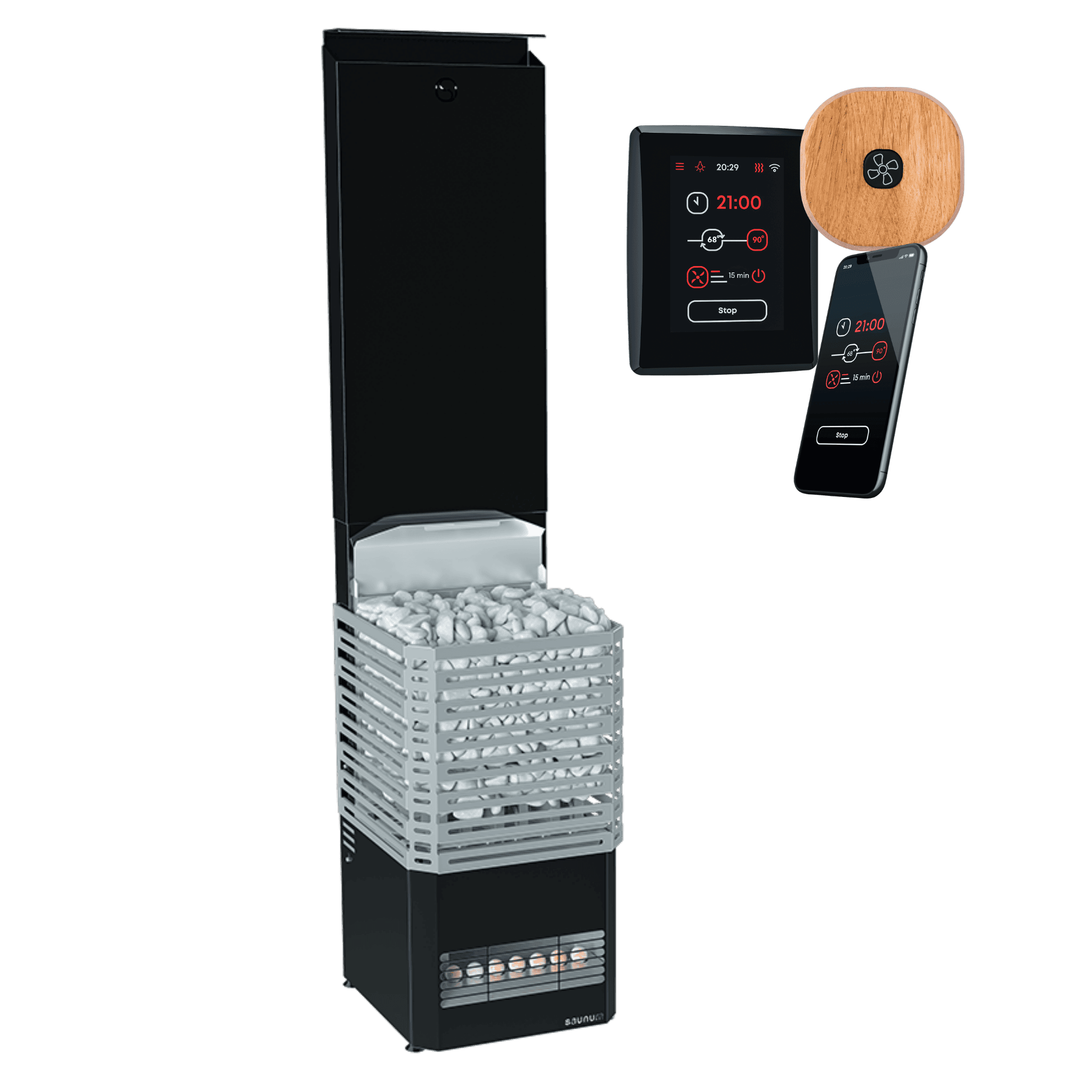
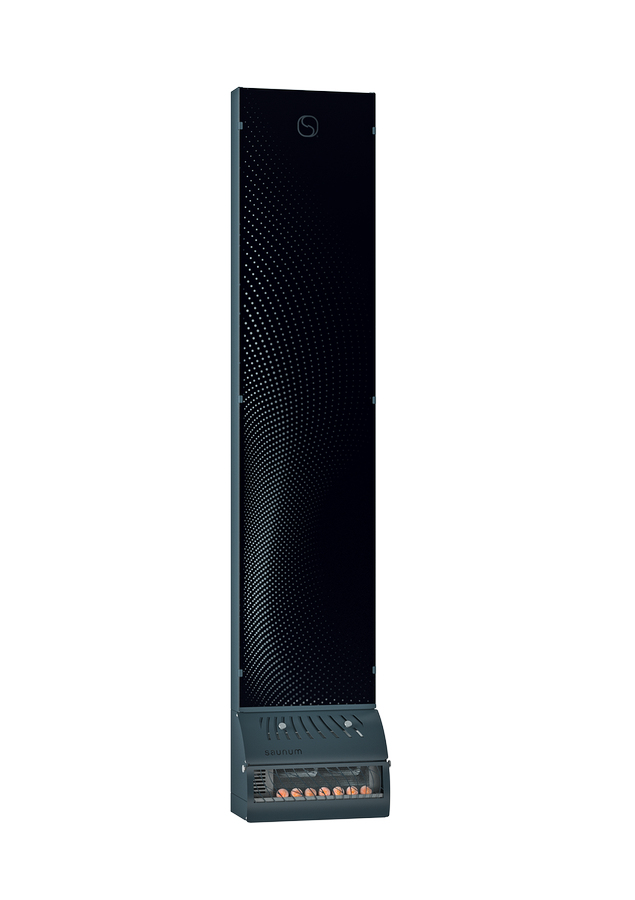
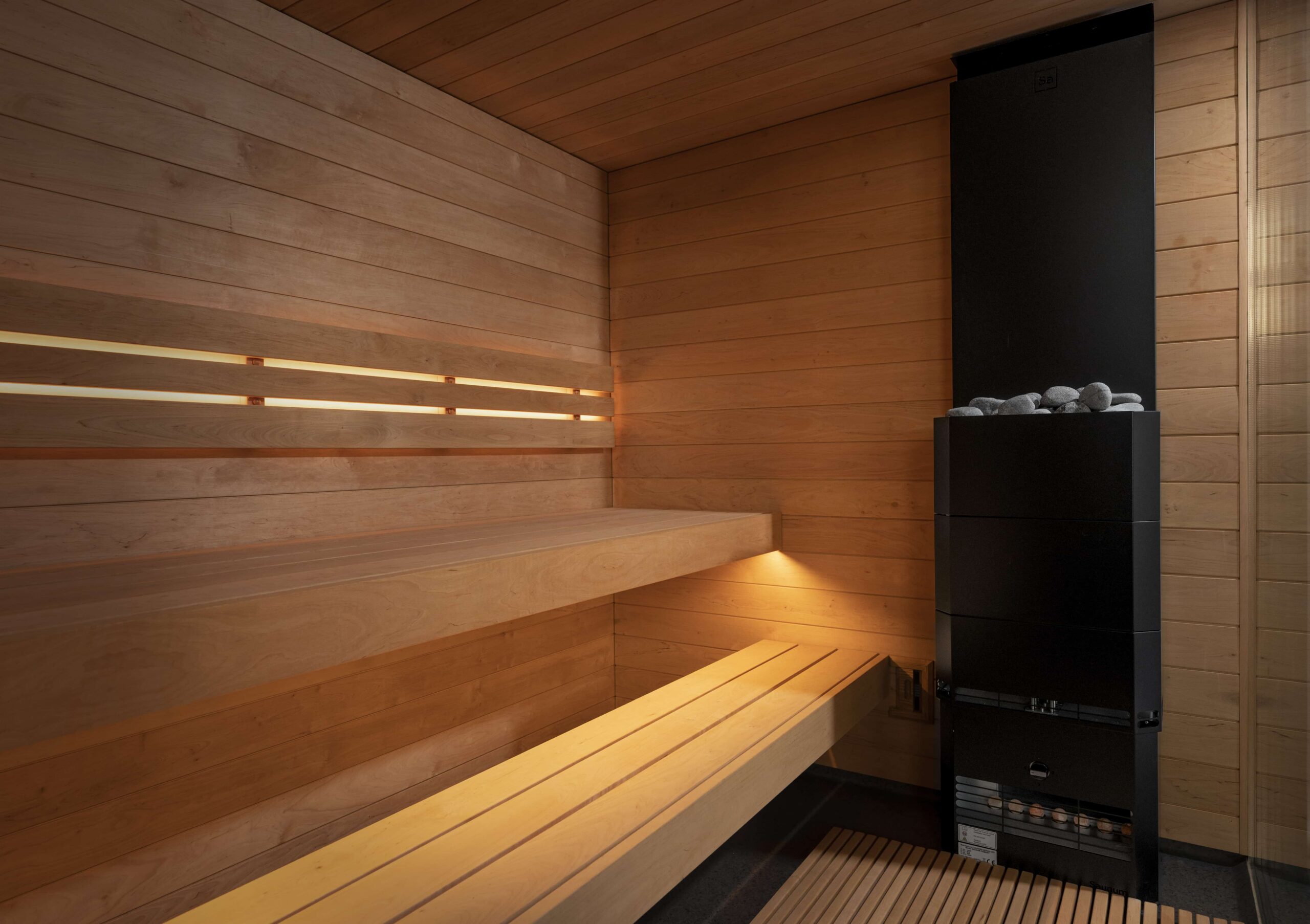
Getting the most from sauna therapy, whether you use it alone or as part of a contrast therapy routine, depends heavily on the quality of the heat environment. Our electric sauna heaters are built around a patented air circulation system that draws hot steam from the ceiling, blends it with cooler, oxygen-rich air from the floor, and redistributes it evenly throughout the room. The result is a consistent temperature from floor to ceiling, softer steam that is genuinely easier to breathe, and sessions that feel more comfortable and last longer. Here is what that means in practice:
- Up to 60% more even temperature distribution compared to conventional heaters
- Softer, more breathable steam that supports respiratory comfort
- Optional Himalayan salt orbs that infuse the air with beneficial salt ions during each session
- Five sauna experiences in one unit: traditional Nordic, steam, relaxation, salt ion, and aroma sauna
If you are building a home wellness routine around sauna and cold plunge, the heater you choose shapes every session. Saunum’s technology ensures that the heat side of your contrast therapy practice is as effective and enjoyable as possible. Explore our range of electric sauna heaters and find the right fit for your space.
Frequently Asked Questions
How long should a beginner's first sauna or cold plunge session be?
Beginners should start with 5 to 10 minutes in the sauna at a moderate temperature (around 150–170°F / 65–75°C) and limit cold plunge exposure to 30 to 60 seconds. The goal in early sessions is acclimation, not intensity. Gradually increase duration over several weeks as your body adapts, always listening to how you feel rather than pushing through discomfort.
How often should I do sauna and cold plunge sessions to see real benefits?
Research suggests that 3 to 4 sauna sessions per week is the threshold where cardiovascular and recovery benefits become most pronounced, with some studies pointing to even greater gains at 5 to 7 sessions. For cold plunge, consistency matters more than duration — short daily exposures of 1 to 3 minutes tend to outperform infrequent longer sessions. If you’re combining both as contrast therapy, 2 to 3 full sessions per week is a practical and effective starting point for most people.
Can sauna and cold plunge actually interfere with muscle growth or strength gains?
This is a legitimate concern, particularly with cold plunge. Some research suggests that immediately icing muscles after strength training can blunt the inflammatory signaling that drives muscle adaptation and hypertrophy. If building muscle is your primary goal, consider delaying cold immersion by at least a few hours after resistance training, or reserving it for cardio and endurance recovery days. Sauna, on the other hand, has not been shown to negatively impact muscle growth and may actually support it through heat shock protein activation.
What should I eat and drink before and after a sauna or cold plunge session?
Hydration is the most critical factor — drink 16 to 20 oz of water before a sauna session and continue rehydrating with water or an electrolyte drink afterward, since you can lose a significant amount of fluid through sweat. Avoid heavy meals within an hour of either therapy, as digestion competes with the cardiovascular demands of heat or cold exposure. A light snack with some protein and carbohydrates after your session can support recovery and help stabilize blood sugar, especially if you’ve combined sauna and cold plunge.
Is it normal to feel dizzy or lightheaded during or after a sauna session, and what should I do?
Mild lightheadedness can occur, especially for beginners, and is usually caused by blood pooling in dilated vessels near the skin or a drop in blood pressure when standing up quickly. If you feel dizzy, exit the sauna calmly, sit or lie down in a cooler area, and drink water. Persistent or severe dizziness, nausea, or chest discomfort are warning signs to stop the session immediately and seek medical attention. Preventing this is straightforward: stay well-hydrated, avoid alcohol before sessions, and always exit slowly rather than standing up abruptly.
Can I do sauna and cold plunge if I'm sore from a workout the day before?
Yes — in fact, this is one of the most effective use cases for both therapies. Sauna helps increase blood flow to sore muscles, accelerating the delivery of nutrients and removal of metabolic waste, while cold plunge directly reduces the inflammation driving that soreness. A contrast therapy session the day after intense training is a well-established recovery strategy used by professional athletes. Just keep the sauna temperature moderate and the cold exposure brief if your body is already under significant physical stress.
Do I need a professional-grade setup to get real benefits from sauna and cold plunge at home?
Not necessarily, but the quality of your equipment does directly affect the quality of your experience and results. A poorly ventilated sauna with uneven heat can make sessions uncomfortable and cut them short before the therapeutic benefits fully develop — which is exactly the problem that even-heat technology like Saunum’s air circulation system is designed to solve. For cold plunge, a dedicated cold plunge tub with temperature control is ideal, but a cold shower or ice bath can serve as a practical starting point while you build your routine and assess whether a more permanent setup makes sense for your lifestyle.