
Yes, you should take a cold shower after a sauna — and most wellness experts and sauna enthusiasts consider it one of the best things you can do to complete your session. The contrast between intense heat and cold water is the foundation of a practice known as contrast therapy, and it amplifies many of the health benefits you get from the sauna alone. Below, we answer the most common questions about cold showers after a sauna so you can build a routine that works for you.
What actually happens to your body when you go from sauna to cold water?
When you move from a hot sauna to cold water, your body undergoes a rapid physiological shift. The heat causes your blood vessels to dilate and your heart rate to rise. Cold water triggers the opposite response — your blood vessels constrict, your heart rate spikes briefly, and your nervous system shifts into a more alert state. This back-and-forth is the engine behind contrast therapy.
During the sauna phase, your core temperature rises, your muscles relax, and your body releases heat through sweat. The moment cold water hits your skin, your body redirects blood flow inward to protect your vital organs. This vascular “pumping” effect is sometimes compared to a workout for your circulatory system. Your body also releases a surge of norepinephrine, a hormone linked to mood, focus, and alertness, which is why many people feel energized and clear-headed after a cold shower following a sauna.
What are the health benefits of a cold shower after a sauna?
The sauna-cold-shower benefits come from the combined effect of heat exposure followed by cold exposure. Together, they stimulate circulation, support muscle recovery, boost mood, and may strengthen immune function over time. The contrast between the two temperatures creates a physiological response that neither heat nor cold alone produces as effectively.
Some of the most well-supported benefits include:
- Improved circulation: The repeated dilation and constriction of blood vessels gives your cardiovascular system a meaningful workout.
- Faster muscle recovery: Cold water helps reduce inflammation and soreness after physical activity, making the sauna-cold shower combination popular among athletes.
- Mood and mental clarity: The norepinephrine release triggered by cold exposure is associated with reduced feelings of fatigue and improved focus.
- Skin tone and pore tightening: Heat opens pores and promotes sweating; cold water closes them back up, which many people find leaves their skin feeling refreshed.
It is worth noting that these benefits build over time with consistent practice. A single session is enjoyable, but a regular hot-cold therapy routine is where the real long-term value lies.
How long should you wait before taking a cold shower after a sauna?
You do not need to wait long before taking a cold shower after a sauna — most experienced sauna users step out and move to cold water within one to three minutes. The key is to let your body transition naturally out of the sauna rather than rushing straight from the bench to the shower. A brief cool-down period of one to two minutes at room temperature is generally enough.
Waiting too long defeats part of the purpose. The contrast therapy effect is most pronounced when your body is still warm and your blood vessels are still dilated. If you wait ten or fifteen minutes, your body will have already begun cooling on its own, and the circulatory response to the cold water will be less dramatic. So keep the gap short — a minute or two of standing or sitting in a cooler space is all you need before stepping under cold water.
Should you take a cold shower or a cold plunge after a sauna?
Both a cold shower and a cold plunge are effective after a sauna, but they deliver a slightly different experience. A cold plunge — submerging your body in cold water — creates a more intense and immediate physiological response because water conducts heat away from the body much faster than air, and full immersion affects a larger surface area at once. A cold shower is more accessible and still highly effective for most people.
If you are new to contrast therapy, a cold shower is the better starting point. It allows you to control the intensity by adjusting the water temperature and the duration of exposure. Once you are comfortable with the practice, a cold plunge after a sauna offers a deeper experience and is the traditional approach in Nordic and Finnish sauna culture. Ultimately, the best option is the one you will actually do consistently as part of your sauna routine.
Who should avoid cold showers after a sauna?
Cold showers after a sauna are not suitable for everyone. People with certain cardiovascular conditions, uncontrolled high blood pressure, or a history of heart arrhythmias should speak with a doctor before combining sauna use with cold water exposure. The rapid shift in blood pressure and heart rate that contrast therapy produces can place additional stress on the heart.
Pregnant women are generally advised to avoid both extreme heat and sudden cold exposure. People who feel dizzy, lightheaded, or unwell after a sauna session should also skip the cold shower and focus on rehydrating and resting instead. If you are new to sauna use altogether, it makes sense to build up your heat tolerance first before adding cold exposure to your routine. Listen to your body — contrast therapy should feel invigorating, not overwhelming.
How many sauna and cold shower cycles should you do per session?
Most sauna enthusiasts recommend two to three cycles of heat and cold per session. A typical cycle involves spending ten to fifteen minutes in the sauna, followed by one to three minutes of cold water exposure, and then a rest period of five to ten minutes before repeating. This rhythm gives your body time to respond fully to each phase without pushing into exhaustion.
Beginners often start with one cycle and work up gradually. More experienced practitioners may complete three or four cycles, but the quality of each cycle matters more than the quantity. Ending your final cycle with cold water is generally recommended, as it closes the pores, reduces inflammation, and leaves you feeling alert and refreshed rather than drowsy. Always finish a session by rehydrating with water or an electrolyte drink to replace what you lost through sweating.
How Saunum’s electric sauna heaters enhance your contrast therapy routine
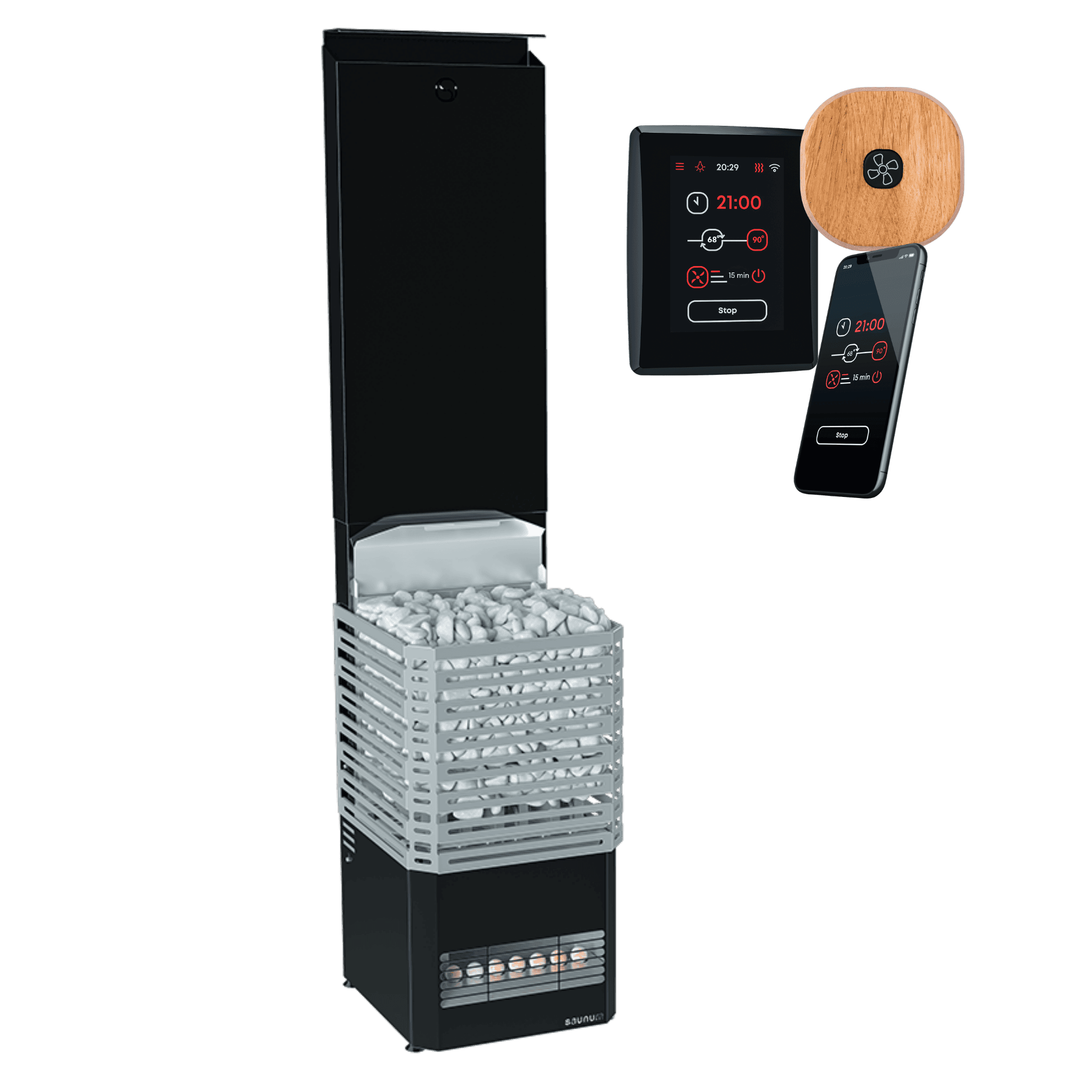
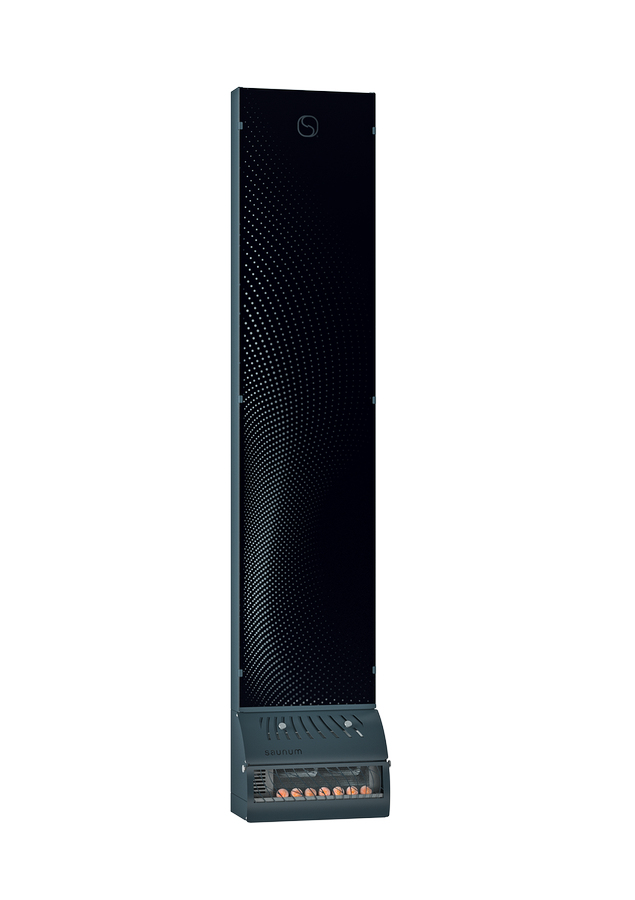
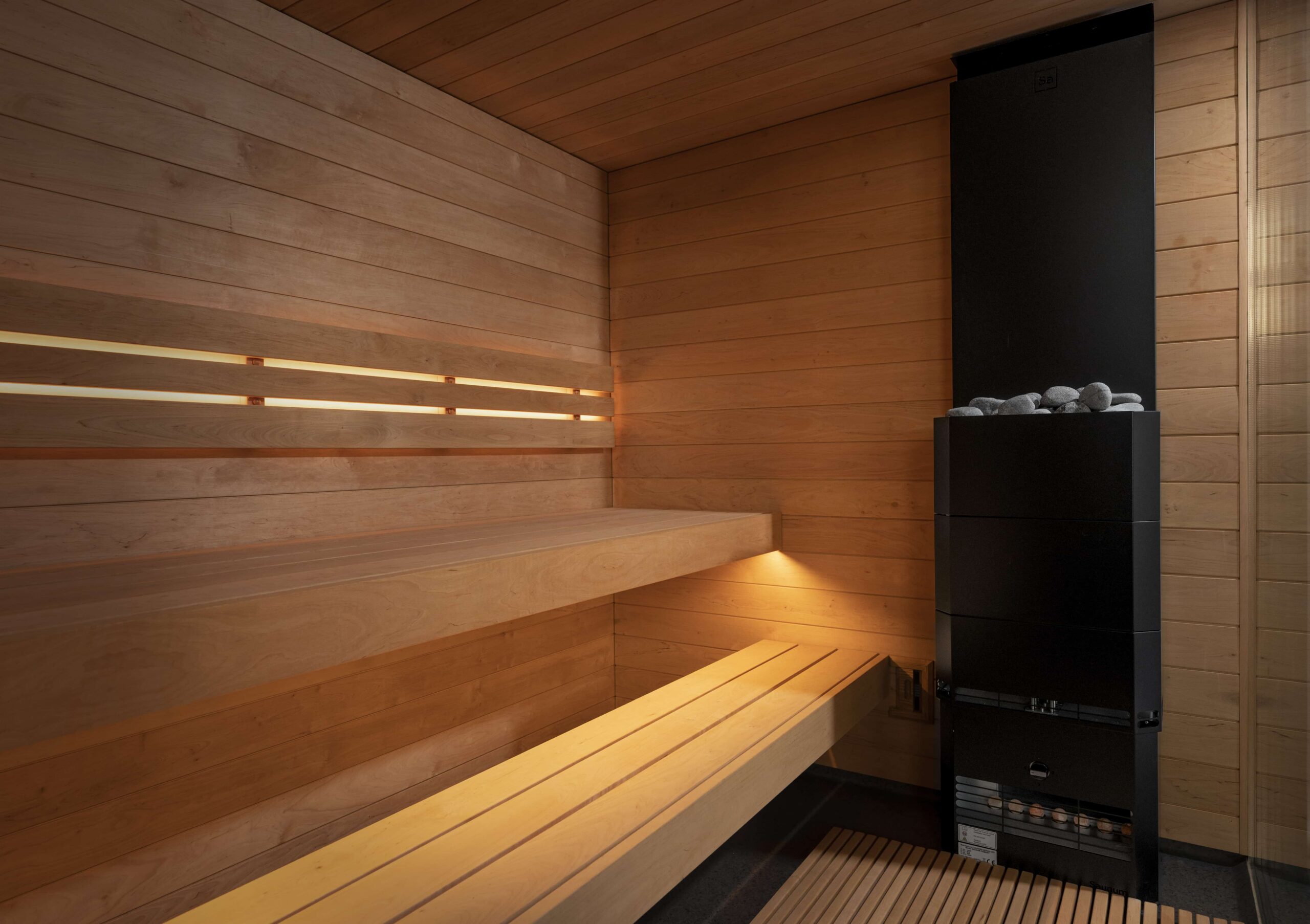
Getting the most out of a cold shower after a sauna starts with the quality of the heat experience itself. If your sauna session is uncomfortable — too hot near the ceiling, too cool near the floor, or filled with harsh steam that makes it hard to breathe — you are less likely to stay in long enough to get the full benefit before stepping into cold water. This is where our electric sauna heaters make a real difference.
Our heaters are built around a patented air circulation system that actively draws the scorching steam that collects near the ceiling, mixes it with cooler, oxygen-rich air from floor level, and redistributes it evenly throughout the room. The result is a sauna environment that is:
- More consistent in temperature from floor to ceiling, so every seat in the room feels comfortable
- Filled with softer, more breathable steam that makes longer sessions genuinely enjoyable rather than something to endure
A more comfortable sauna session means you can stay in longer, sweat more intensely, and step out feeling genuinely ready for the cold. That is the foundation of an effective contrast therapy cycle. If you want to explore our range of electric sauna heaters, Saunum has options designed for home and professional use alike — built in Estonia and sold in more than 30 countries.
Frequently Asked Questions
What temperature should the cold shower be for the best contrast therapy effect?
For effective contrast therapy, aim for a water temperature between 50°F and 60°F (10°C–15°C) — cold enough to trigger a strong physiological response but not so extreme that it becomes unsafe. Most standard home showers can reach this range on their coldest setting. If your tap water does not get cold enough, especially in warmer climates, adding ice to a cold plunge tub is a more reliable alternative.
Can I take a cold shower after a sauna every day?
Yes, daily contrast therapy is practiced by many sauna enthusiasts and is generally considered safe for healthy individuals. In Nordic countries, daily sauna and cold exposure routines are a long-standing cultural tradition. That said, if you are just starting out, three to four sessions per week is a sensible baseline that allows your body to adapt before making it a daily habit.
Should I shower with soap during the post-sauna cold shower?
It is best to save soap and cleansing for a separate shower rather than your contrast therapy cold shower. The cold shower after a sauna is primarily a therapeutic tool — its purpose is to trigger a circulatory and nervous system response, not to cleanse your skin. Using soap interrupts the process and can strip the natural oils your skin produces during sweating. If you want to wash up, do it after your final cold rinse once your session is fully complete.
What should I do between sauna rounds and cold showers during a multi-cycle session?
The rest period between cycles is just as important as the heat and cold phases themselves. Use it to sit or lie down in a cool, comfortable space, breathe normally, and let your heart rate settle before the next round. This is also the right time to sip water or an electrolyte drink to stay hydrated. Avoid scrolling your phone or engaging in anything stimulating — treating the rest phase as active recovery helps your body reset fully before the next cycle.
Is it normal to feel dizzy or lightheaded after going from the sauna to a cold shower?
Mild lightheadedness immediately after leaving the sauna is fairly common, especially for beginners, and is usually caused by a drop in blood pressure as your body adjusts. If this happens, sit or lie down before stepping into the cold shower rather than pushing through it. Persistent or severe dizziness, however, is a signal to stop the session entirely, rehydrate, and rest. If dizziness is a recurring issue, reduce your sauna time, lower the temperature, or consult a doctor before continuing contrast therapy.
Does the order matter — can I start with a cold shower and then go into the sauna?
The traditional and most effective sequence is always sauna first, cold exposure second. Starting with heat raises your core temperature, relaxes your muscles, and dilates your blood vessels — which is what makes the cold water response so powerful. Reversing the order does not produce the same contrast effect and can actually make the sauna feel uncomfortable if your body is already cold and constricted. Stick with heat-to-cold for the full physiological benefit.
How long does it take to start noticing the benefits of regular sauna and cold shower sessions?
Many people notice immediate effects — improved mood, mental clarity, and a sense of physical refreshment — after their very first session. Longer-term benefits like improved circulation, better sleep quality, and enhanced stress resilience typically become noticeable after two to four weeks of consistent practice. As with most wellness habits, the compounding effect of regular sessions is where the real value builds, so consistency matters far more than the intensity of any single session.