


You can make a home sauna more comfortable by controlling temperature consistency, improving steam quality, and adding the right accessories. The single biggest factor is even heat distribution: when hot air pools at the ceiling and cold air sits at the floor, the experience feels harsh and hard to breathe. The sections below answer the most common questions about getting a genuinely comfortable sauna session at home.
What temperature makes a home sauna most comfortable?
The most comfortable home sauna temperature for most people falls between 70°C and 90°C (158°F to 194°F). However, the number on the thermometer matters less than how evenly that heat is distributed throughout the room. A sauna sitting at 80°C with consistent temperature from floor to ceiling will feel far more pleasant than one at 75°C where the heat is stratified.
Temperature stratification is one of the most overlooked problems in home sauna comfort. In a typical sauna, the air near the ceiling can be 20°C to 30°C hotter than the air near the floor. This means your head is roasting while your feet stay cold, which creates an uncomfortable, disorienting sensation. Improving sauna temperature control is not just about turning a dial: it is about ensuring the heat you generate actually reaches every part of the room evenly.
If you are new to sauna bathing, starting at the lower end of the range (around 70°C) and gradually working up as your body adapts is a sensible approach. Experienced sauna users often prefer 85°C to 90°C, particularly when the air is well mixed and the steam is soft rather than sharp.
Why is sauna steam hard to breathe in some home saunas?
Sauna steam becomes hard to breathe when superheated vapor from the rocks rises directly to the ceiling and stays there, creating a dense, oxygen-depleted layer of scorching air. When you inhale this concentrated steam, it can feel sharp, heavy, and irritating to the airways. Poor sauna air circulation is almost always the root cause.
When water hits hot sauna rocks, the resulting steam shoots upward rapidly. Without a mechanism to blend that hot steam with the cooler, oxygen-rich air near the floor, the two layers simply sit on top of each other. The result is a sauna where the air feels suffocating rather than refreshing. This is particularly noticeable in smaller home saunas where the room volume is limited and steam has nowhere to dissipate naturally.
The fix is active air blending. When the hot steam from the ceiling is drawn down and mixed with cooler floor-level air before being redistributed evenly, the steam becomes softer and far more breathable. This is the difference between a sauna session that leaves you feeling refreshed and one that sends you gasping for the door after five minutes.
How does salt therapy improve a home sauna session?
Salt therapy in a home sauna works by releasing microscopic salt ions into the air during a session. These ions, when inhaled, can help clear the airways, support respiratory comfort, and create a noticeably cleaner-feeling breathing environment. A salt therapy sauna experience combines the heat benefits of traditional sauna bathing with the respiratory support associated with halotherapy.
Himalayan salt is the most commonly used medium for this purpose. When salt is placed within the airstream of a sauna, rather than simply sitting on a shelf, the warm, moving air activates the salt and carries ions throughout the room. This placement within the airstream is the key detail: salt that simply sits passively in a corner has minimal effect on the air you breathe.
For people who use the sauna to support respiratory wellness, reduce congestion, or simply enjoy a more pleasant breathing environment, adding a salt component to their home sauna setup can meaningfully improve the quality of each session. It also adds a gentle aromatic quality to the air that many people find deeply relaxing.
What sauna accessories actually make a difference for comfort?
The accessories that genuinely improve home sauna comfort are those that address heat, hygiene, and the sensory experience directly. Decorative items rarely move the needle: functional ones do.
- A quality ladle and bucket: Controlling how much water you add to the rocks, and how often, is one of the simplest ways to manage steam quality and humidity.
- A wooden sauna whisk (vihta or birch bundle): Traditionally used to gently beat the skin, it improves circulation and adds a pleasant herbal scent to the air.
- A sauna thermometer and hygrometer: Knowing the actual temperature and humidity in your sauna lets you make informed adjustments rather than guessing.
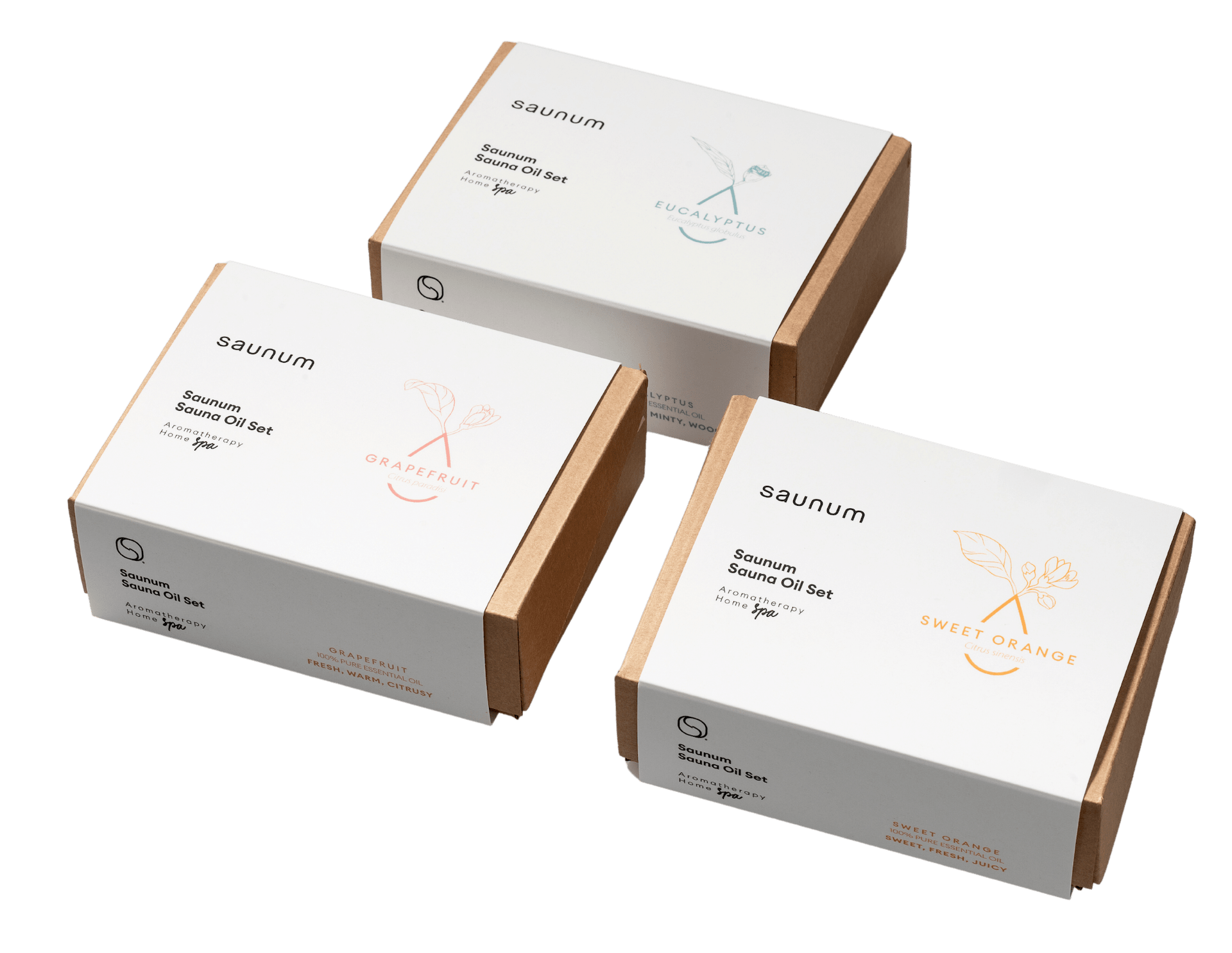
- Sauna essential oils or aromatic extracts: A few drops added to the water before pouring over the rocks can transform the sensory atmosphere of a session.
Beyond accessories, the quality of your heater and the layout of your benches have a larger impact on comfort than any add-on. Accessories enhance a good sauna experience: they cannot rescue a poorly designed one.
How often should you add water to sauna rocks for the best experience?
For the best sauna experience, add small amounts of water to the rocks every five to ten minutes rather than pouring large amounts infrequently. Small, regular additions maintain a steady humidity level and produce gentler, more consistent steam. Large, infrequent pours create sudden spikes in steam that can feel overwhelming and may cool the rocks too quickly.
The ideal amount per pour depends on the size of your heater and the volume of your sauna room, but a general starting point is around 50 to 100 millilitres at a time. Listen to the sound the rocks make: a steady, even hiss indicates the rocks are at the right temperature. A loud crack or sputter suggests the rocks may be too cool or the pour was too large.
If your sauna has good air circulation, you will find that steam distributes more evenly after each pour, which means you can add water more frequently without the room feeling oppressively humid. This is one of the underappreciated benefits of a well-ventilated sauna: you get more steam, more often, without discomfort.
Which type of home sauna heater is best for comfort and health?
An electric sauna heater with an integrated air circulation system is the best choice for home sauna comfort and health. Electric heaters offer precise temperature control, consistent performance, and low maintenance compared to wood-burning alternatives. When combined with a system that actively blends sauna air, they deliver a significantly more comfortable and health-supportive experience than a standard heater alone.
Wood-burning heaters have a loyal following and produce a distinctive atmosphere, but they require more effort to manage, produce variable heat, and are not practical for many home installations. Electric heaters solve these problems and, in modern designs, can match or exceed the steam quality of wood-burning options.
The key differentiator among electric heaters is whether they simply heat the air or actively manage how that air moves through the room. A heater that only generates heat leaves temperature distribution to chance. One that draws hot steam from the ceiling, blends it with cooler floor-level air, and redistributes it evenly creates a fundamentally different, and far more comfortable, sauna environment. You can explore electric sauna heaters designed around this principle to see how the technology works in practice.
How Saunum’s electric sauna heaters create a more comfortable home sauna
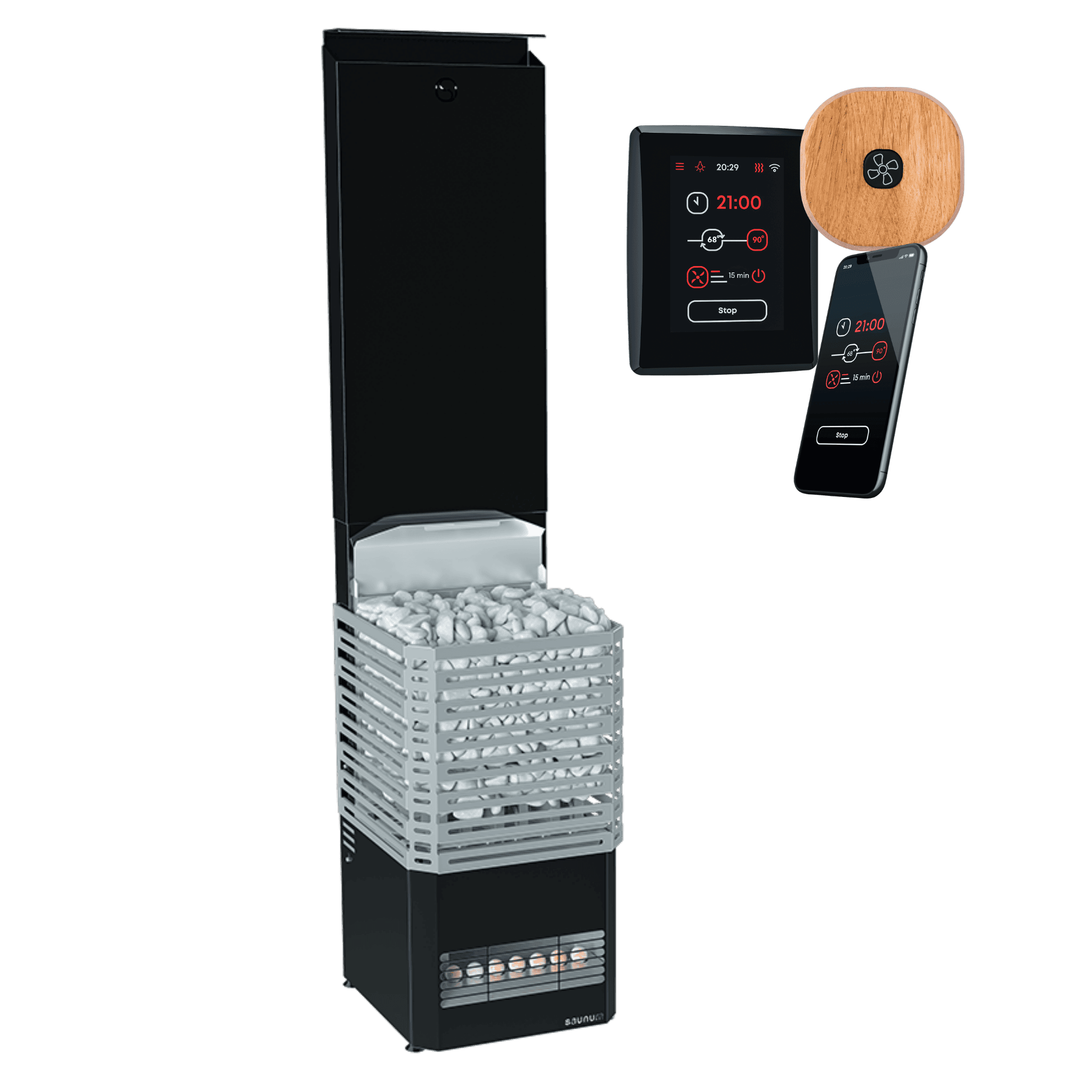
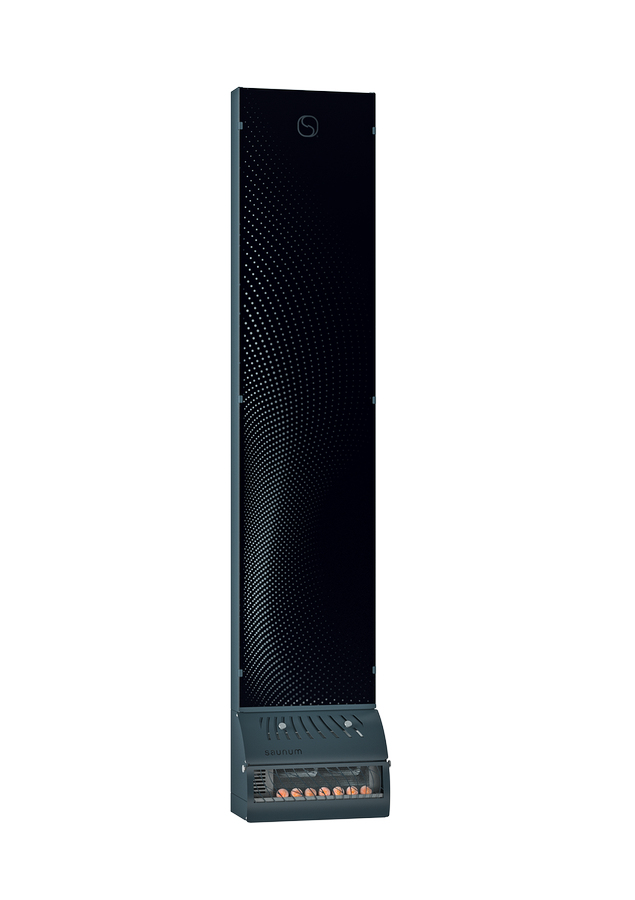
Saunum’s electric sauna heaters are built around a patented air circulation system that directly addresses the most common sources of home sauna discomfort. Rather than simply generating heat and leaving the rest to physics, our heaters actively manage the air in your sauna room to create a consistent, breathable, and genuinely enjoyable environment. Here is what that means in practice:
- Even temperature from floor to ceiling: The system draws superheated steam from the ceiling, blends it with cooler, oxygen-rich air from the floor, and redistributes soft steam evenly throughout the room, reducing temperature stratification by up to 60%.
- Softer, more breathable steam: By mixing hot steam with oxygenated air before it reaches you, the steam feels gentler on the airways and allows for longer, more satisfying sessions.
- Built-in salt therapy option: Himalayan salt orbs can be added directly within the airstream of the heater, so beneficial salt ions are actively carried through the room with every pour rather than sitting passively on a shelf.
- Five sauna experiences in one: From classic Nordic sauna to steam sauna, relaxation sauna, salt sauna, and aroma sauna, all from a single heater.
If you are serious about getting the most out of your home sauna, Saunum offers a solution that goes well beyond a standard heater. Visit our online store to find the right heater for your sauna room and start experiencing the difference that proper air circulation makes.
Frequently Asked Questions
How long should a home sauna session last for the best results?
For most people, a single sauna session of 10 to 20 minutes is the sweet spot, followed by a cool-down period of equal or greater length before re-entering. Beginners should start at the lower end and build up gradually as their body adapts to the heat. Repeating two to three rounds of heat and cool-down is a common practice among experienced sauna users and tends to produce the deepest sense of relaxation and recovery.
What is the best way to cool down between sauna rounds at home?
The most effective cool-down methods at home include a cold shower, a plunge into a cold tub or barrel, or simply stepping outside into cool air if your climate allows. The contrast between the heat of the sauna and the cold of the cool-down is what drives much of the circulatory and recovery benefit. Even a few minutes of sitting in a cool room and drinking water is far better than skipping the cool-down entirely, which can leave you feeling drained rather than refreshed.
How do I know if my home sauna has poor air circulation, and what can I do about it?
The clearest signs of poor air circulation are a noticeable difference in temperature between your head and your feet, steam that feels sharp or difficult to breathe, and a general sense of stuffiness that makes you want to leave sooner than expected. You can confirm stratification by holding a thermometer at bench level and then at ceiling level: a difference of more than 10°C to 15°C indicates a significant problem. The most effective fix is a heater or add-on system that actively draws hot air from the ceiling and blends it with cooler floor-level air, rather than relying on passive convection alone.
Can I add essential oils directly to my sauna rocks, or is there a better method?
You should never pour undiluted essential oils directly onto sauna rocks, as the concentrated oils can burn, produce harsh fumes, and damage the stones over time. The correct method is to dilute a few drops of sauna-grade essential oil into the water in your ladle before pouring it over the rocks. This allows the heat to gently vaporize the aromatic compounds and distribute them evenly through the steam, producing a pleasant scent without any of the risks associated with direct application.
How often do sauna rocks need to be replaced, and how can I tell when they are worn out?
Sauna rocks typically need replacing every three to five years with regular use, though this varies depending on how frequently you use your sauna and how aggressively you add water. Signs that your rocks need replacing include crumbling or cracking surfaces, a sulfurous or unpleasant smell when water is added, and a noticeably duller, less satisfying steam response. Using the wrong type of rock — such as porous or sedimentary stones — can accelerate deterioration, so always use rocks specifically rated for sauna use, such as olivine diabase or peridotite.
Is a home sauna safe to use every day?
For most healthy adults, daily sauna use is considered safe and is in fact the norm in countries like Finland, where sauna bathing is a lifelong habit. The key is to stay well hydrated before and after each session, avoid alcohol before entering, and listen to your body — dizziness, nausea, or an unusually rapid heartbeat are signals to exit and cool down immediately. People with cardiovascular conditions, pregnancy, or other medical concerns should consult a doctor before establishing a daily sauna routine.
What is the minimum room size needed for a comfortable home sauna, and does size affect the experience?
A functional home sauna can be built in as little as 1.2 by 1.2 metres (roughly 4 by 4 feet), though a space of around 1.8 by 2.1 metres (6 by 7 feet) is generally considered the minimum for a genuinely comfortable experience for one to two people. Smaller rooms heat up faster and are more energy-efficient, but they also have less air volume, which means steam can become concentrated and harder to breathe more quickly — making good air circulation even more critical in compact saunas. Ceiling height also matters: a height of around 2.1 metres (7 feet) gives heat enough room to distribute without sitting directly on top of you.