



Sauna heat directly affects the nervous system by triggering a shift from sympathetic (fight-or-flight) activation to parasympathetic (rest-and-digest) dominance as the session progresses. The body’s response to controlled heat stress produces measurable changes in heart rate, hormone levels, and neurotransmitter activity that together create the deep relaxation most sauna users feel after a session. The questions below unpack exactly how each of these mechanisms works.
What happens to your nervous system during a sauna session?
During a sauna session, your autonomic nervous system moves through two distinct phases. First, the sympathetic nervous system activates in response to heat stress, raising your heart rate and redirecting blood flow toward the skin. Then, as your body adapts to the warmth, the parasympathetic nervous system gradually takes over, slowing the heart rate and promoting a state of calm recovery.
This two-phase response is why a sauna session can feel both invigorating and deeply relaxing at the same time. The initial sympathetic surge is similar to mild aerobic exercise: your cardiovascular system works harder, your core temperature rises, and your body mobilizes its cooling mechanisms. Once you step out and begin to cool down, the parasympathetic rebound is often pronounced, producing the heavy, pleasant fatigue that many sauna enthusiasts describe as the best part of the experience.
The autonomic nervous system response also influences breathing patterns, muscle tension, and digestive activity. Regular exposure to this controlled heat stress can gradually improve the flexibility of the autonomic nervous system, making it more efficient at switching between activation and recovery states.
How does sauna heat trigger the release of feel-good chemicals?
Sauna heat stimulates the release of endorphins, norepinephrine, and dynorphins, neurochemicals that collectively reduce pain perception, elevate mood, and create a sense of euphoria. The heat acts as a mild physiological stressor, and the brain responds by releasing these compounds as a natural coping mechanism, much as it does during sustained physical exercise.
Sauna endorphins are particularly well documented. The warm, enclosed environment activates the same opioid receptors that exercise targets, which is why the post-sauna glow feels similar to a runner’s high. Dynorphins, a less commonly discussed class of endogenous opioids, are also released during heat exposure and are thought to contribute to the temporary discomfort some people feel at high temperatures, followed by an enhanced sensitivity to endorphins once the session ends.
Norepinephrine, a neurotransmitter involved in focus and alertness, can increase significantly during sauna use. This may explain why many people report feeling mentally sharp and clear-headed in the hours following a session, even while their body feels physically relaxed.
Does sauna use lower cortisol and reduce chronic stress?
Yes, regular sauna use is associated with lower cortisol levels over time. While a single session may cause a brief, temporary rise in cortisol as part of the acute heat stress response, repeated sauna use appears to train the body to manage stress hormones more efficiently, resulting in lower baseline cortisol levels in regular users.
Cortisol is the body’s primary stress hormone, and chronically elevated levels are linked to poor sleep, immune suppression, and cardiovascular strain. The sauna’s ability to induce a controlled, predictable stress response, one the body learns to recover from quickly, may help recalibrate the hypothalamic-pituitary-adrenal (HPA) axis, the system that governs cortisol production.
This is one reason sauna heat therapy benefits extend beyond the session itself. The cumulative effect of repeated heat exposure appears to build a kind of stress resilience, making the nervous system less reactive to everyday psychological stressors. Think of it as a form of hormetic conditioning: small, manageable doses of stress that strengthen the system over time.
Can sauna heat help with anxiety and sleep quality?
Sauna heat can meaningfully reduce anxiety and improve sleep quality by promoting parasympathetic nervous system dominance, lowering core body temperature after the session ends, and increasing the production of sleep-regulating neurochemicals. The post-sauna drop in core body temperature mimics the natural temperature decline that signals the brain to initiate sleep.
For anxiety specifically, the sauna parasympathetic response plays a central role. The shift away from sympathetic activation reduces the physical symptoms of anxiety, elevated heart rate, muscle tension, shallow breathing, and creates a physiological environment that is the opposite of the fight-or-flight state. Many people find that even a single session provides noticeable short-term relief from anxious feelings.
Sleep benefits are closely tied to timing. Using a sauna in the late afternoon or early evening allows the post-session cooling period to align with the body’s natural circadian temperature drop, reinforcing the sleep onset signal. The release of growth hormone during heat exposure, combined with reduced cortisol, further supports deeper, more restorative sleep cycles.
How does steam quality affect the nervous system response?
Steam quality has a direct impact on how comfortably and effectively the nervous system responds to sauna heat. Harsh, uneven steam that concentrates near the ceiling creates a stressful breathing environment, triggering a more pronounced sympathetic stress response and making it harder for the body to settle into the parasympathetic recovery state that produces the most therapeutic benefits.
When steam is soft, evenly distributed, and mixed with oxygenated air, breathing remains comfortable throughout the session. This allows the nervous system to relax more fully rather than spending energy managing respiratory discomfort. The difference is not subtle: sessions in a well-balanced steam environment tend to feel longer, more satisfying, and more deeply restorative.
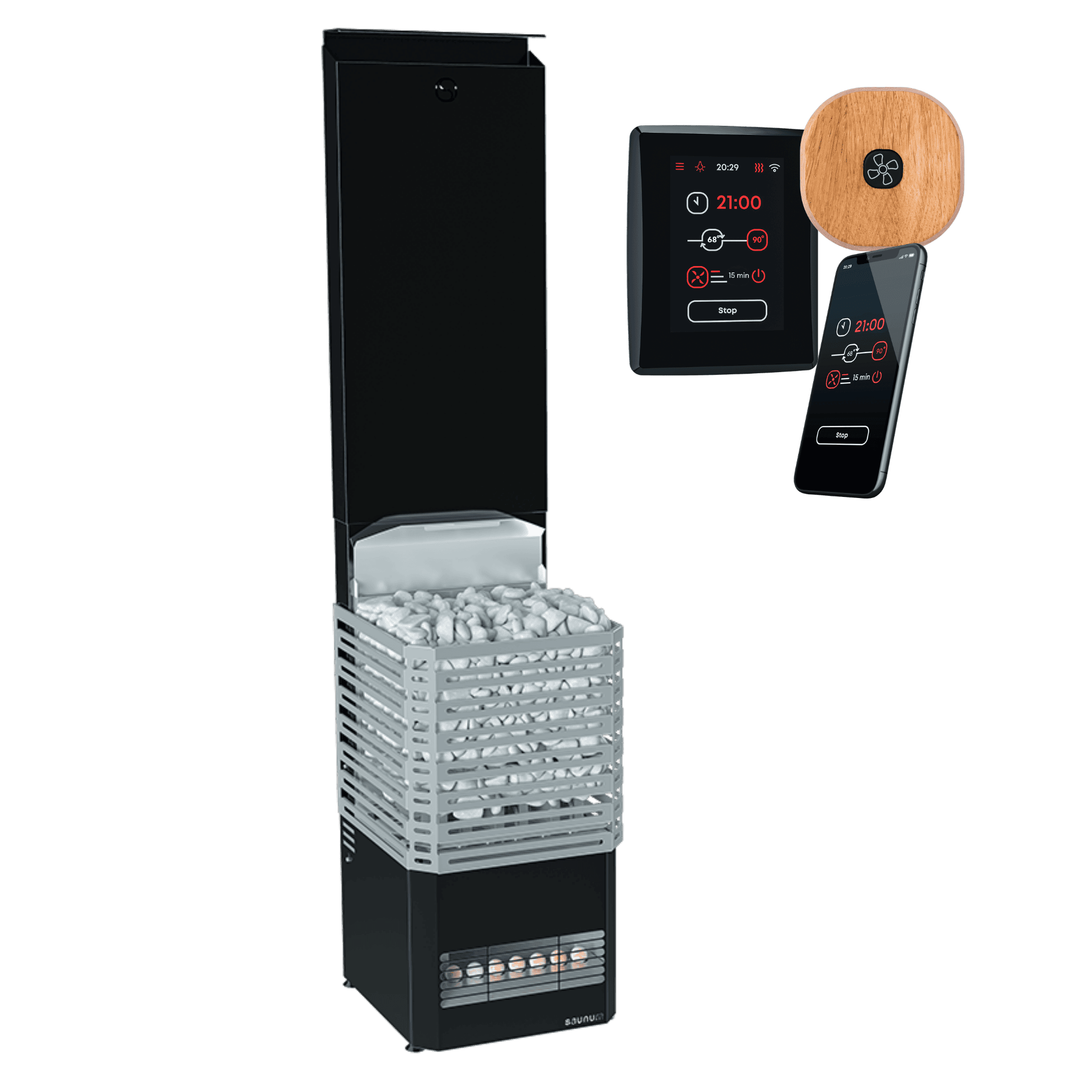
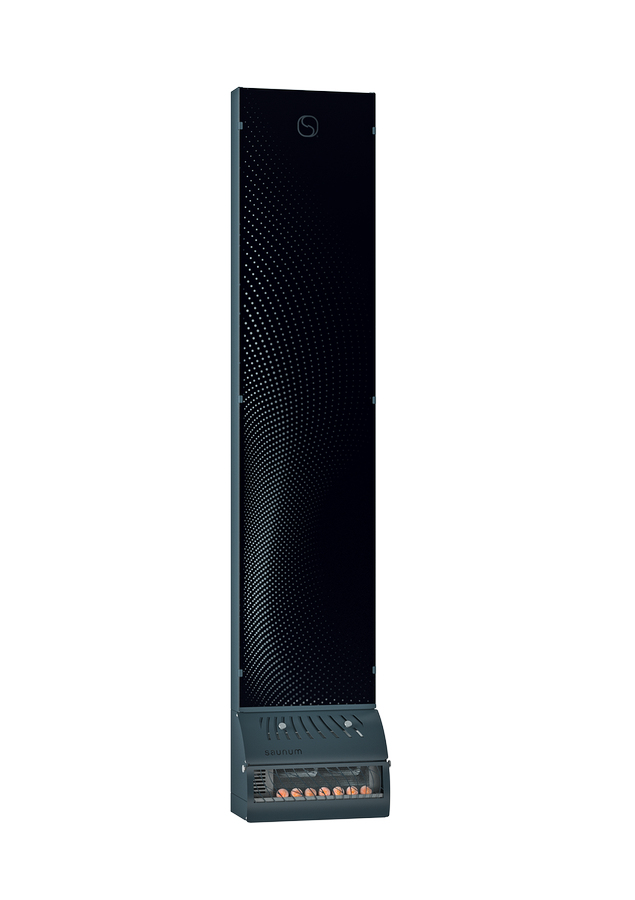
This is where our approach at Saunum makes a practical difference. Our electric sauna heaters use a patented air circulation system that draws the intense heat and steam that accumulates at ceiling level, blends it with the cooler, oxygen-rich air near the floor, and redistributes it evenly throughout the room. The result is softer, more breathable steam and a more consistent temperature from floor to ceiling, conditions that support a fuller, more effective nervous system response during every session.
How often should you sauna to support nervous system health?
For meaningful nervous system benefits, most wellness practitioners suggest sauna sessions three to four times per week, with each session lasting between 15 and 30 minutes. This frequency appears to provide enough cumulative heat exposure to support parasympathetic conditioning, cortisol regulation, and neurochemical balance without overtaxing the body’s recovery systems.
Consistency matters more than intensity. Occasional long sessions are less effective than shorter, regular ones when the goal is nervous system health. The body adapts to repeated heat stress over weeks and months, gradually improving its ability to regulate the autonomic response, manage stress hormones, and recover more efficiently after each session.
- Beginners: Start with two sessions per week at 10 to 15 minutes each, building tolerance gradually
- Intermediate users: Three sessions per week at 15 to 20 minutes supports consistent neurochemical and cortisol benefits
- Regular users: Four or more sessions per week at 20 to 30 minutes are associated with the strongest long-term nervous system adaptations
- Recovery days: At least one full rest day between sessions helps the body consolidate the parasympathetic adaptations
Individual factors like age, cardiovascular health, and heat tolerance all influence the ideal frequency. Listening to how your body feels after each session is the most reliable guide: if you feel refreshed and clear-headed the following day, your current frequency is working well.
How Saunum’s electric sauna heaters support nervous system health
The quality of your sauna environment shapes how deeply your nervous system can respond to heat therapy. Saunum’s patented electric sauna heaters are built specifically to create the conditions that maximize those benefits:
- Even temperature distribution from floor to ceiling reduces the physical discomfort that keeps the sympathetic nervous system activated
- Softer, more breathable steam allows deeper, calmer breathing throughout the session, supporting a fuller parasympathetic response
- Consistent heat quality makes it easier to extend sessions comfortably, giving the body more time to release endorphins and regulate cortisol
- Optional Himalayan salt orbs infuse the air with beneficial ions, adding a layer of respiratory comfort that further supports relaxed, deep breathing
If you want to experience the full nervous system benefits of regular sauna use, the environment you sauna in matters as much as how often you go. Explore Saunum’s range of electric sauna heaters and find the right fit for your home or wellness space.
Frequently Asked Questions
Is it normal to feel tired or even exhausted after a sauna session?
Yes, post-sauna fatigue is completely normal and is actually a sign that your parasympathetic nervous system is doing its job. The pronounced relaxation response, combined with the cardiovascular effort your body exerted during the session, naturally produces a heavy, pleasantly drained feeling. This is distinct from unhealthy exhaustion — if you feel refreshed after resting for 20–30 minutes, your session length and intensity are well-calibrated. If fatigue lingers into the next day, consider shortening your sessions or reducing frequency.
Can I use a sauna if I already have an anxiety disorder or a stress-related condition?
For most people with anxiety or stress-related conditions, regular sauna use can be a helpful complementary tool, but it’s important to start slowly and consult your healthcare provider first. The initial sympathetic activation at the start of a session can feel uncomfortable for those who are highly sensitive to physical arousal, such as elevated heart rate or flushing. Beginning with shorter sessions at lower temperatures (around 70–75°C) and focusing on slow, controlled breathing can help your nervous system acclimate without triggering a stress response. Over time, many people with anxiety find that the parasympathetic rebound becomes easier to access and more pronounced.
What's the best way to cool down after a sauna to maximize the nervous system benefits?
A gradual, intentional cool-down is just as important as the session itself for locking in nervous system benefits. Rather than jumping into an ice-cold plunge immediately, try stepping out into a cool room and allowing your body to air-cool for a few minutes first, then optionally follow with a cool (not freezing) shower. This controlled temperature descent amplifies the parasympathetic rebound and reinforces the core temperature drop that supports sleep onset. Pairing the cool-down with slow, diaphragmatic breathing further deepens the relaxation response.
How long does it take to notice real nervous system improvements from regular sauna use?
Most people notice short-term benefits — improved mood, reduced muscle tension, and better sleep — after just a few sessions. However, meaningful, lasting nervous system adaptations, such as lower baseline cortisol, improved heart rate variability, and greater stress resilience, typically develop over four to eight weeks of consistent use at three or more sessions per week. Think of it similarly to a fitness training program: the acute effects are immediate, but the structural adaptations require repeated, consistent exposure over time.
Should I avoid sauna use if I'm already feeling burnt out or severely stressed?
Counterintuitively, burnout or high stress is often when sauna use can be most beneficial — but the approach matters. When your nervous system is already overtaxed, shorter, lower-temperature sessions (10–15 minutes at moderate heat) are preferable to intense, prolonged ones, which could add to your body’s stress load rather than relieve it. Focus on the post-session cool-down and rest period as part of the overall recovery protocol. If you’re experiencing severe burnout with symptoms like heart palpitations or extreme fatigue, check with a medical professional before starting or continuing sauna use.
Does combining sauna use with other relaxation practices like meditation or breathwork enhance the nervous system effects?
Absolutely — combining sauna heat with intentional breathwork or mindfulness practices can significantly deepen the parasympathetic response. Slow, diaphragmatic breathing during a session actively engages the vagus nerve, which is the primary driver of parasympathetic activation, amplifying the calming effect of the heat itself. Even a simple practice of inhaling for four counts and exhaling for six counts throughout your session can make a noticeable difference in how relaxed and clear-headed you feel afterward. Some users also find that a short meditation or body scan during the cool-down period helps consolidate the neurochemical benefits of the session.
Can children or older adults safely use a sauna for nervous system benefits?
Both groups can benefit from sauna use, but with important modifications. Older adults should use shorter sessions (10–15 minutes), ensure adequate hydration, and avoid extreme temperature contrasts during cool-down, as cardiovascular and thermoregulatory systems become less efficient with age. For children, most experts recommend waiting until at least age 6–8, keeping sessions brief (5–10 minutes), and maintaining lower temperatures. In both cases, the nervous system benefits are still accessible at gentler intensities — the key is matching the heat exposure to the individual’s physiological capacity rather than following adult protocols.