


You should wait 10–15 minutes between sauna sessions to allow your body proper recovery time. This cooling period lets your heart rate normalise, your body temperature regulate, and gives you time to rehydrate. Your individual tolerance, session intensity, and health conditions can influence the optimal waiting time for your specific needs.
How long should you actually wait between sauna sessions?
The standard recommendation is 10–15 minutes between sauna sessions, though this timing can vary based on several important factors. This sauna session timing allows your cardiovascular system to recover and your body temperature to stabilise before the next round of heat exposure.
Several key factors influence your optimal recovery time between sessions:
- Experience level – Beginners typically need 15–20 minutes as their bodies adapt to heat stress, while experienced users often find 10 minutes sufficient
- Session intensity – Particularly hot or extended sessions require longer breaks of 20 minutes or more for proper recovery
- Health conditions – Those with cardiovascular concerns, diabetes, or circulation-affecting medications benefit from extended intervals for safety
- Cooling method – Active cooling with cold showers may reduce recovery time compared to gradual air cooling
- Individual tolerance – Personal heat sensitivity and recovery rate vary significantly between individuals
These factors work together to determine your ideal recovery period. Rather than following rigid timing rules, pay attention to your body’s signals and adjust accordingly. The goal is ensuring complete physiological recovery before exposing yourself to heat stress again, which maximises both safety and the therapeutic benefits of your sauna experience.
What happens to your body between sauna sessions?
During the cooling period, your body undergoes important physiological recovery processes that prepare you for the next sauna session. Understanding these changes helps explain why adequate recovery time is essential for safe and effective sauna bathing.
Your body experiences several critical recovery processes during breaks:
- Cardiovascular normalisation – Heart rate returns to baseline and blood pressure stabilises after the elevated levels caused by heat exposure
- Circulation rebalancing – Blood flow redistributes from dilated skin vessels back to internal organs, reducing cardiac strain
- Temperature regulation – Core body temperature gradually returns towards normal baseline levels
- Hydration restoration – Your body processes consumed fluids and begins rebalancing electrolytes lost through sweating
- Nervous system reset – The parasympathetic system engages to counter the sympathetic activation from heat stress
These recovery processes aren’t merely about safety—they actively enhance your sauna experience. Proper physiological reset between sessions allows your body to fully process the beneficial heat adaptation response while preparing for the next controlled stress exposure. This cyclical process of stress and recovery is what delivers many of sauna bathing’s health benefits, from improved cardiovascular fitness to enhanced stress resilience.
How do you know when you’re ready for another sauna session?
You’re ready for another session when your breathing and heart rate feel normal, you’re comfortable at room temperature, and you feel energised rather than fatigued. These physical cues indicate your body has recovered sufficiently from the previous heat exposure.
Monitor these key readiness indicators before returning to the sauna:
- Breathing pattern – Calm, regular breathing rather than laboured or rapid respiration indicates cardiovascular recovery
- Heart rate – Your pulse should feel settled and similar to normal daily activity levels, not noticeably elevated
- Temperature comfort – You should feel neither overheated nor uncomfortably chilled at room temperature
- Energy levels – A refreshed, energised feeling rather than fatigue, dizziness, or lightheadedness
- Hydration status – Adequate fluid replacement with no dry mouth or thirst sensations
Trust your body’s signals above rigid timing rules. If any indicator suggests incomplete recovery—particularly dizziness, nausea, or unusual fatigue—extend your break or consider ending your session entirely. Your readiness assessment becomes more intuitive with experience, helping you optimise both safety and enjoyment of your sauna routine.
What’s the difference between short breaks and longer recovery periods?
Short breaks of 5–10 minutes work well with active cooling like cold showers, whilst longer periods of 15–20 minutes suit gradual air cooling or when you want deeper relaxation between sessions. Your cooling strategy should match your session goals and personal preferences.
Different recovery approaches offer distinct advantages:
- Active cooling (5–10 minutes) – Cold showers, plunge pools, or outdoor cooling rapidly reset your body temperature for quicker session transitions
- Gradual air cooling (15–20 minutes) – Gentle temperature transition that allows for meditation, light stretching, or socialising between sessions
- Extended rest periods (20–30 minutes) – Incorporate additional wellness activities like massage, reading, or herbal teas for a comprehensive relaxation experience
- Goal-specific timing – Shorter breaks maintain cardiovascular training effects, while longer breaks maximise stress relief and mental unwinding
Your choice between short and long recovery periods should align with your sauna objectives and lifestyle preferences. Active cooling appeals to those seeking efficient heat therapy sessions, while extended breaks suit individuals who view sauna time as part of a broader wellness ritual. Both approaches are equally valid when executed safely with proper attention to your body’s recovery signals.
How many sauna sessions can you safely do in one visit?
Beginners should limit themselves to 2–3 sessions per visit, whilst experienced users can safely enjoy 3–4 sessions with proper recovery time. The maximum safe limit is generally 4–5 sessions, provided you maintain adequate breaks and stay well hydrated throughout.
Session recommendations vary by experience level and individual capacity:
- Beginners (2 sessions) – Start with 8–12 minute sessions separated by 15-minute breaks to assess your body’s response safely
- Regular users (3–4 sessions) – Experienced bathers can handle 12–20 minute sessions with standard recovery periods between each
- Advanced practitioners (4–5 sessions maximum) – Only for those very familiar with their heat tolerance and recovery patterns
- Safety considerations – More than 5 sessions significantly increases risks of dehydration, overheating, and cardiovascular strain
- Quality over quantity – Regular shorter visits with fewer sessions typically provide better long-term benefits than occasional marathon sessions
The key principle is prioritising consistency and safety over session quantity. Your body adapts better to regular, moderate sauna exposure than infrequent intensive sessions. Focus on developing a sustainable routine that fits your schedule and physical capacity, allowing you to enjoy sauna benefits long-term without risking overexertion or burnout.
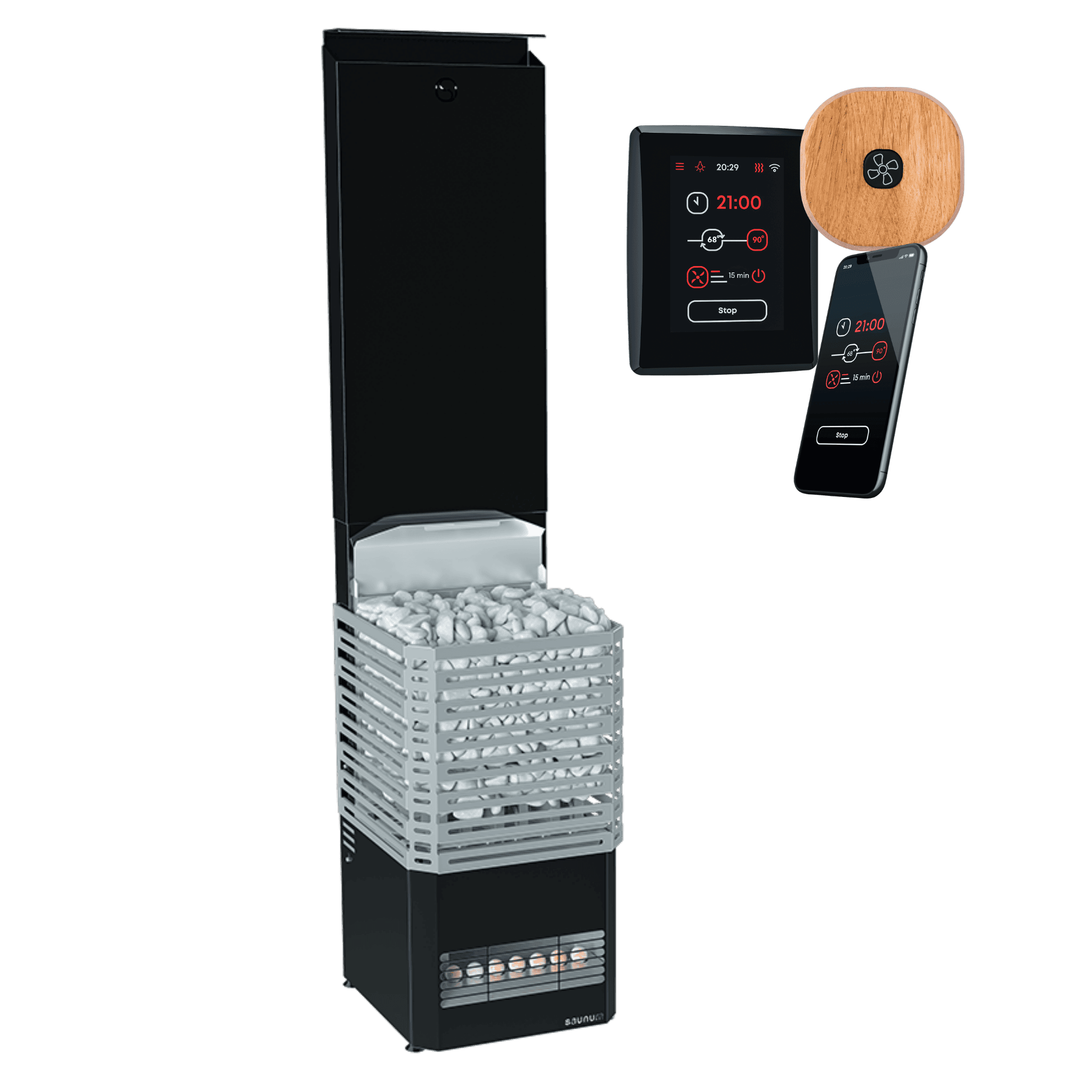
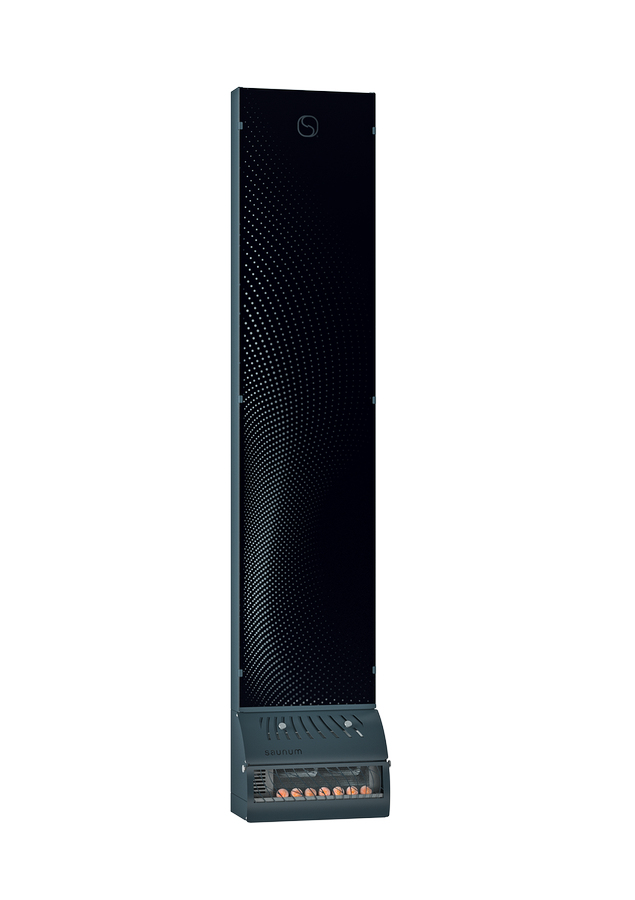
Understanding proper sauna session intervals helps you maximise both safety and benefits from your heat therapy. At Saunum, we’ve designed our advanced electric heaters with patented air circulation systems that create more comfortable, evenly distributed heat – making it easier to maintain optimal session timing whilst enjoying superior steam quality throughout your sauna experience.
If you’re interested in getting started with Sauna, check out our full range today.