



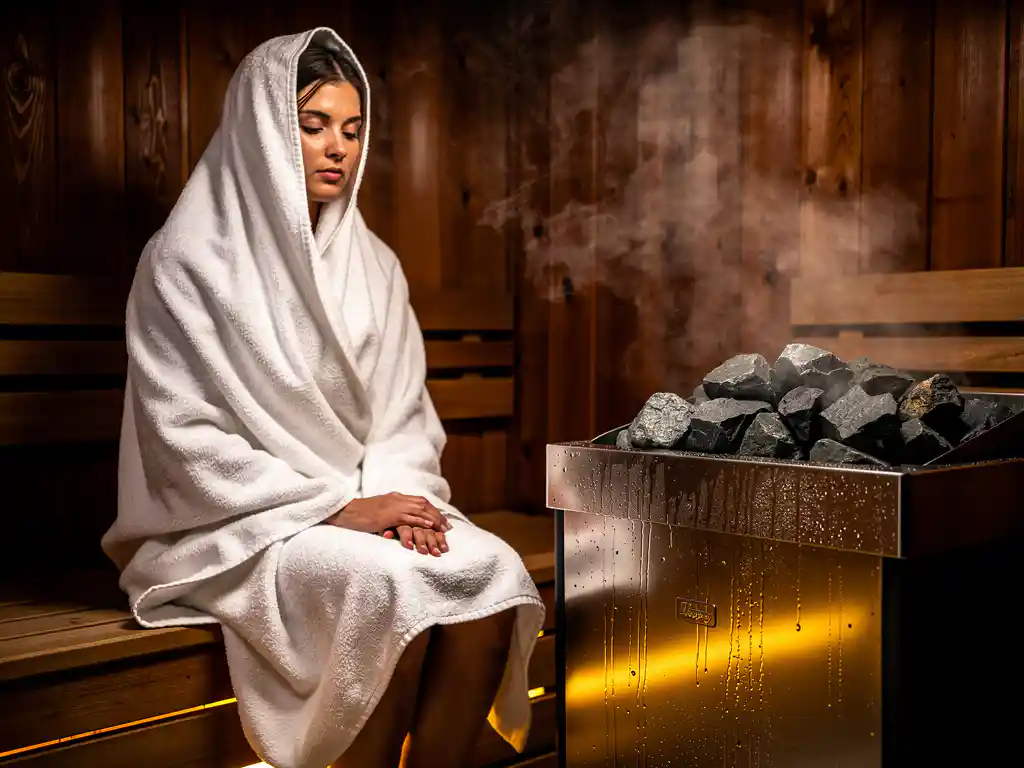
Sauna therapy reduces stress and cortisol levels through heat-induced physiological changes that activate your body’s relaxation response. The heat stress initially triggers cortisol release, but then promotes deeper relaxation as your parasympathetic nervous system takes over, leading to sustained cortisol reduction and improved stress resilience over time.
What exactly happens to your stress hormones during a sauna session?
Your body experiences a fascinating hormonal shift during sauna therapy that follows a predictable pattern of stress response followed by deep relaxation:
- Initial stress activation (0-5 minutes): Heat exposure triggers your sympathetic nervous system, causing a brief spike in cortisol and adrenaline as your body adapts to the temperature change
- Heat shock response (5-15 minutes): Your body releases protective proteins and begins adapting to thermal stress, activating cellular repair mechanisms
- Parasympathetic dominance (15+ minutes): Your nervous system shifts into relaxation mode, with endorphin release creating feelings of well-being
- Cardiovascular adaptation: Heart rate stabilizes into a rhythm similar to moderate exercise while vasodilation improves circulation
- Extended recovery (post-session): Cortisol reduction continues for several hours, helping reset your body’s stress baseline
This carefully orchestrated hormonal sequence demonstrates how controlled heat stress transforms into profound relaxation, creating lasting benefits that extend well beyond your time in the sauna. The process trains your body to handle stress more effectively while providing immediate relief from tension and anxiety.
How does regular sauna use change your body’s stress response over time?
Consistent sauna therapy creates adaptive changes in your stress hormone regulation through hormesis—where controlled stress exposure strengthens your resilience. Regular sessions provide cumulative benefits that reshape how your body manages stress:
- Enhanced stress efficiency: Your body becomes better at managing the initial stress response, with heat feeling more comfortable sooner and smoother transitions between stress and relaxation states
- Stabilized cortisol patterns: Daily cortisol rhythms become more balanced, with healthier baseline levels and proper morning-to-evening hormone cycles
- Improved stress resilience: Daily stressors have less impact on your cortisol levels, with enhanced capacity to handle work pressure, relationship challenges, and life demands
- Better sleep quality: Improved rest supports natural cortisol rhythms, maintaining the optimal pattern of highest levels in morning and lowest at bedtime
- Nervous system flexibility: Enhanced ability to switch between stress and relaxation states, creating more adaptive responses to various situations
These long-term adaptations create a positive cycle where each sauna session becomes more effective at stress reduction while building your overall capacity to handle life’s challenges. The cumulative effect transforms not just your sauna experience, but your entire approach to stress management throughout daily life.
What’s the best way to use sauna therapy for maximum stress relief?
Optimizing your sauna practice for stress reduction involves strategic timing, technique, and consistency. Follow these evidence-based guidelines for maximum cortisol reduction:
- Optimal frequency and duration: Aim for 15–20 minute sessions at 70–80°C (158–176°F) three to four times per week to provide sufficient heat stress without overwhelming your system
- Strategic timing: Evening sessions work particularly well for cortisol reduction by transitioning your body into relaxation mode before bedtime, though morning sessions are beneficial if you allow 2–3 hours before demanding activities
- Enhanced breathing technique: Focus on deep, slow breathing to amplify parasympathetic activation—breathe in through your nose for four counts, hold briefly, then exhale slowly through your mouth
- Proper hydration protocol: Drink water before, during, and after sessions to maintain optimal circulation and help your body manage heat stress effectively
- Recovery integration: Take a cool shower and rest for 10–15 minutes post-session to allow your nervous system to fully integrate the relaxation response
These practices work synergistically to maximize the stress-relieving benefits of sauna therapy, ensuring your body can fully access the hormonal and neurological changes that reduce cortisol and promote lasting relaxation. Consistency with these protocols amplifies results over time.
Why do some people feel more relaxed after sauna sessions than others?
Individual responses to sauna therapy vary significantly based on multiple factors that influence your body’s stress hormone patterns and relaxation capacity:
- Baseline stress levels: People with higher initial stress often experience more dramatic cortisol reduction because they have greater room for improvement and more pronounced stress hormones to regulate
- Experience level: Beginners may feel energized rather than relaxed initially as their bodies adapt, while regular users experience deeper relaxation due to trained nervous system responses
- Health conditions: Those with adrenal fatigue or chronic stress may need gentler, shorter sessions initially, while cardiovascular conditions can alter stress response patterns
- Lifestyle interference: Consuming caffeine, alcohol, or large meals close to sessions can disrupt natural relaxation responses and prevent optimal cortisol reduction
- Mental state: Checking phones or discussing stressful topics during sessions prevents your mind from entering the relaxed state necessary for hormonal benefits
- Genetic factors: Individual variations in stress hormone production and heat tolerance influence how quickly and deeply you experience the therapeutic effects
These variables explain why some people immediately feel profound relaxation while others need time to develop their sauna practice for optimal stress relief. Understanding your individual response pattern helps you adjust your approach for maximum benefit, whether that means starting with shorter sessions, focusing more on breathing techniques, or eliminating lifestyle factors that interfere with the relaxation response.
Understanding how sauna therapy reduces stress and cortisol levels helps you optimize your wellness routine for better mental health. The combination of heat-induced hormonal changes and nervous system regulation makes regular sauna use a powerful tool for stress management. At Saunum, we design our advanced electric heaters with patented air circulation systems that create the ideal environment for these therapeutic benefits, ensuring consistent temperatures and comfortable conditions that support your body’s natural stress-relief processes.
If you’re interested in getting started with Sauna, check out our full range today.