

Proper Finnish sauna etiquette means entering clean, respecting silence, taking turns with löyly, and leaving your phone at the door. Finnish sauna culture is built on mutual respect, equality, and a shared appreciation for heat and steam. The customs are simple but meaningful, and following them ensures everyone enjoys the experience. Here is what you need to know before you step inside.
What are the basic rules of Finnish sauna culture?
Finnish sauna culture is grounded in a few core principles: cleanliness, respect, equality, and relaxation. Everyone enters on equal footing, regardless of age or status. The sauna is a place to unwind, not to impress. Phones, loud conversations, and rushed behavior all go against the spirit of the tradition.
Sauna customs in Finland have been passed down for thousands of years, and the space is treated with genuine reverence. It is not unusual for Finns to say that the sauna is their most sacred room. The basic rules are less about strict formality and more about being considerate of the people sharing the heat with you.
- Always enter the sauna clean and without outdoor clothing
- Sit on a towel to maintain hygiene for everyone
- Keep noise and distractions to a minimum
- Ask before throwing water on the stones if others are present
Should you shower before entering a Finnish sauna?
Yes, showering before entering a Finnish sauna is expected and considered basic courtesy. Rinsing off removes sweat, dirt, and any products from your skin before you share the heat with others. This is one of the most consistent sauna rules across all Nordic countries, and skipping it is considered disrespectful.
The pre-sauna shower does not need to be long. A quick rinse is enough. The goal is to enter the sauna clean so that the experience remains hygienic and pleasant for everyone in the room. After the sauna, another shower is equally common to rinse off sweat before cooling down or heading to a pool or lake.
What is löyly and how is it done properly?
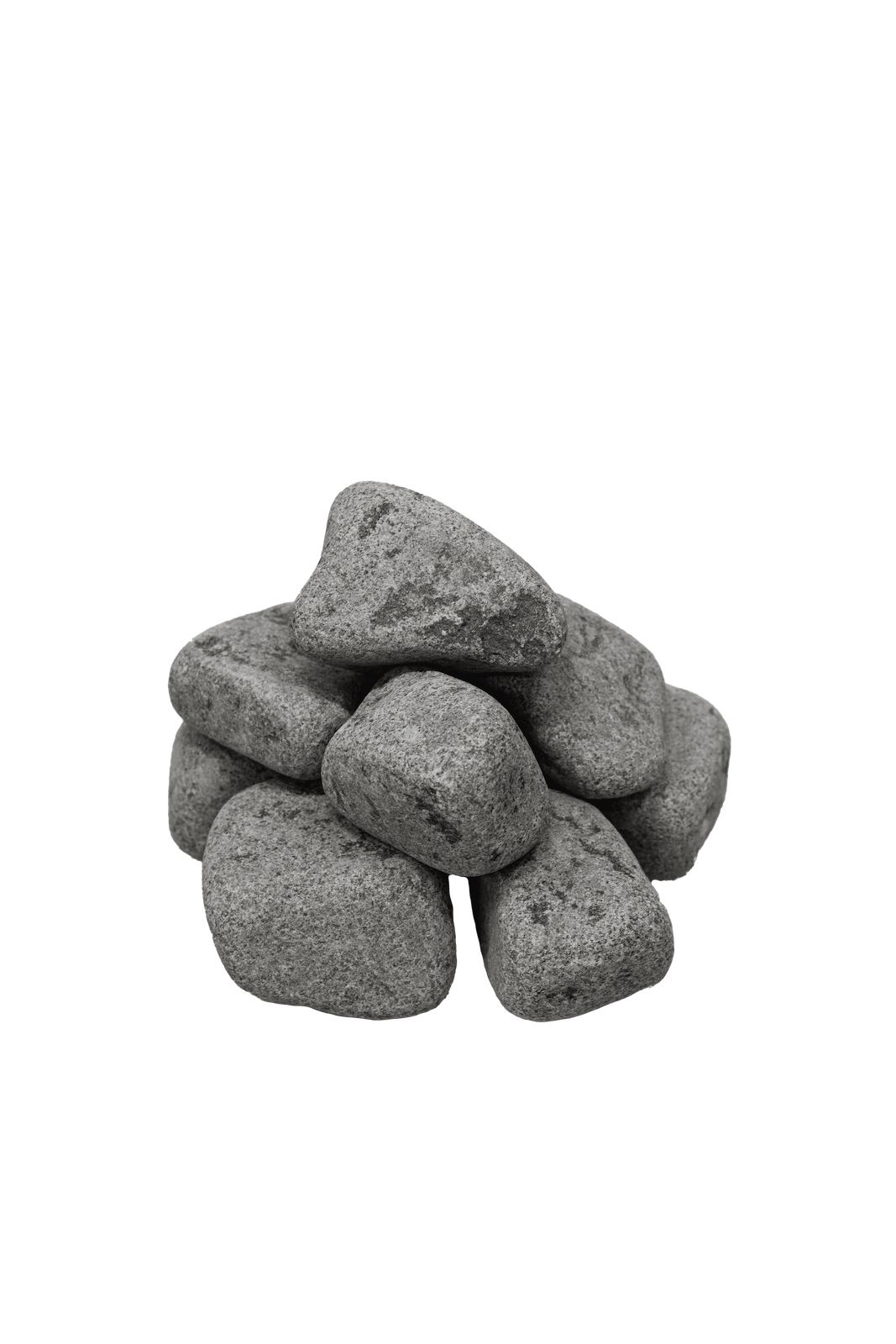
Löyly is the steam created when water is poured over hot sauna stones. It is the heart of the Finnish sauna experience, and doing it properly means ladling water slowly and deliberately onto the stones to produce a soft, even wave of steam rather than a sudden blast of harsh heat.
The word löyly has no direct translation in English, which tells you how central it is to Finnish identity. Proper sauna behavior around löyly means always asking others in the room before you throw water, especially if someone is sitting close to the stones. Pouring too much water too quickly can make the air uncomfortably hot and difficult to breathe.
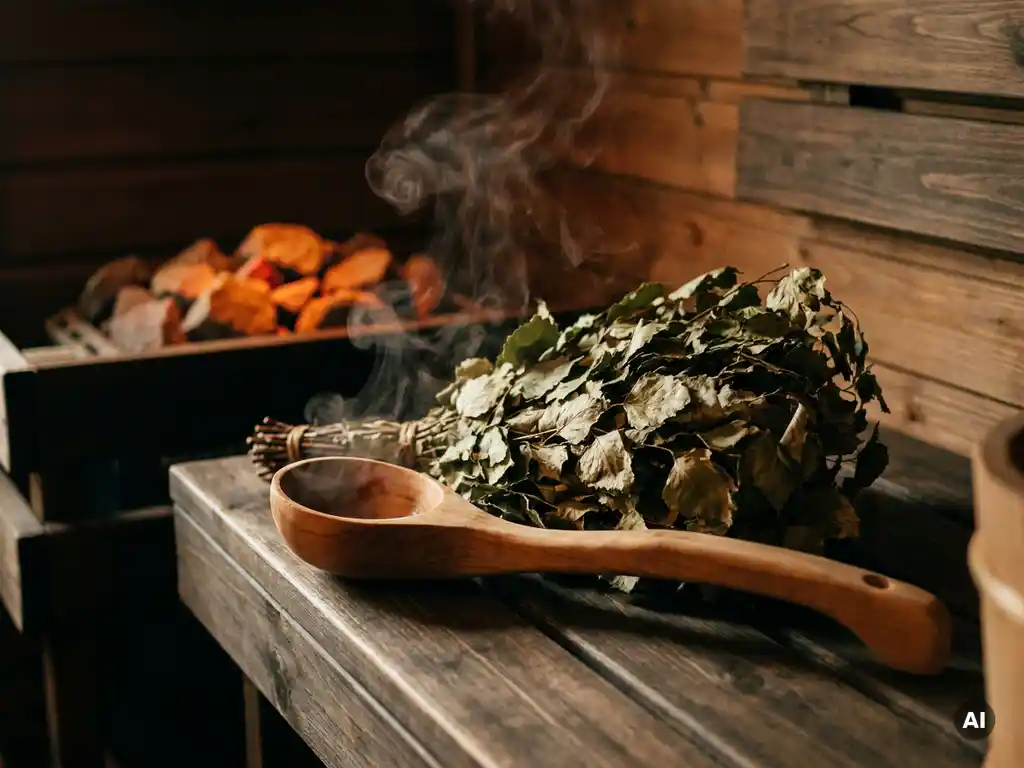
A small ladleful of water at a time is the standard approach. Birch branches, known as vihta or vasta, are sometimes used to gently beat the skin during löyly, which improves circulation and enhances the steam experience. This is entirely optional but deeply traditional.
How long should you stay in a Finnish sauna?
Most people stay in a Finnish sauna for 10 to 20 minutes per round, followed by a cooling period outside, in cold water, or in a cooler room. There is no fixed rule on total session length, but a typical sauna visit involves two to four rounds with breaks in between.
Proper sauna etiquette means listening to your body rather than pushing through discomfort to prove endurance. Leaving the sauna to cool down is not a sign of weakness. It is part of the rhythm. The contrast between heat and cold is what makes the experience genuinely restorative. Cooling down between rounds also allows you to return to the heat and enjoy it more fully.
Children, older adults, and anyone with health concerns should keep sessions shorter and stay well hydrated throughout. Drinking water before, during breaks, and after the sauna is always good practice.
What should you never do in a Finnish sauna?
The most important things to avoid in a Finnish sauna are bringing your phone inside, wearing swimwear in traditional settings where nudity is the norm, pouring excessive water on the stones without asking, and being loud or disruptive. These behaviors break the atmosphere and show a lack of respect for the tradition.
Alcohol inside the sauna is also strongly discouraged. While it is common to enjoy a cold drink during the cooling break, drinking alcohol while actively sitting in the heat raises serious safety concerns and is not part of proper sauna etiquette.
- Do not use your phone or take photos without permission
- Do not pour water on the stones without checking with others first
- Do not wear shoes or outdoor clothing into the sauna
- Do not rush others or treat the sauna as a competition
Is it rude to talk in a Finnish sauna?
Talking in a Finnish sauna is not inherently rude, but the tone and volume matter. Quiet, calm conversation is perfectly acceptable and even common among friends and family. What is considered inappropriate is loud, boisterous talk, arguments, or bringing in stressful topics that disrupt the peaceful atmosphere.
Finnish sauna culture values silence and reflection. Many Finns are comfortable sitting in complete quiet, and that silence should be respected if others in the room seem to prefer it. In a public sauna with strangers, it is generally best to follow the lead of those already inside. If the room is quiet, keep it that way. If others are chatting, joining in lightly is fine.
The sauna is often described as a place where social barriers drop and honest conversation flows naturally. Some of the most meaningful exchanges in Finnish culture happen in the sauna, but they tend to be unhurried and low-key rather than animated or performative.
How Saunum’s electric sauna heaters enhance the traditional experience
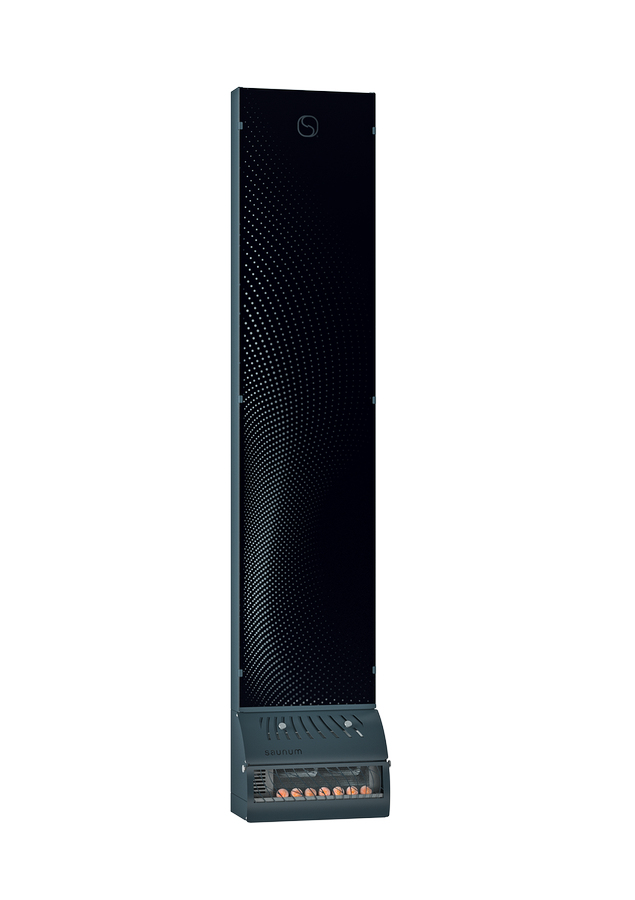
Following proper Finnish sauna etiquette becomes even more rewarding when the sauna itself performs at its best. Our electric sauna heaters are built around a patented air circulation system that draws the hottest steam from the ceiling, blends it with cooler, oxygen-rich air from the floor, and redistributes it evenly throughout the room. The result is a softer, more breathable steam that makes every round more comfortable and every löyly more satisfying.
This matters for the customs described throughout this article. When the temperature is consistent from floor to ceiling, guests at every bench level share a similar experience, which supports the equality at the core of sauna culture. Softer steam also means you can stay in longer, breathe more easily, and enjoy the full rhythm of heat and cooling that defines a proper session. Saunum heaters are also available with Himalayan salt orbs that infuse the air with beneficial ions, adding a therapeutic dimension to the traditional sauna ritual.
Frequently Asked Questions
Can I visit a Finnish sauna if I have never done it before and don't know anyone there?
Absolutely — public saunas in Finland are welcoming to first-timers, and most regulars are happy to guide newcomers through the basics. The best approach is to observe what others are doing when you arrive, follow their lead on things like löyly and cooling breaks, and don’t be afraid to quietly ask if you’re unsure about something. Most Finns appreciate genuine curiosity about their sauna culture and will respect you more for making the effort to do it right.
What should I wear in a Finnish sauna, and does it differ between public and private settings?
In traditional Finnish sauna culture, nudity is the norm — the sauna is considered a clean, non-sexual space where clothing is seen as unnecessary and even unhygienic. In private saunas with friends or family, going without a swimsuit is standard practice. In public saunas, sessions are typically gender-separated, and nudity remains the expectation, though some modern or tourist-oriented facilities may allow swimwear — always check the specific venue’s rules before you go.
How do I know if I'm throwing the right amount of water on the sauna stones?
A good rule of thumb is to start with a single small ladleful — roughly 100 to 150 ml — and wait a few seconds to feel how the steam rises before adding more. The steam should feel like a gentle, enveloping warmth rather than a sharp, stinging heat that makes it hard to breathe. If people in the room flinch, gasp, or move away from the stones, you’ve likely poured too much too fast — dial it back on the next round and give the stones time to recover between ladles.
What is the proper way to cool down between sauna rounds?
Cooling down between rounds is just as important as the heat itself, and Finns take it seriously. The most traditional method is a plunge into a cold lake, river, or the sea — in winter, rolling in snow or cutting a hole in the ice is not unheard of. If none of those are available, a cold shower works perfectly well. The key is to let your body temperature drop fully before returning to the heat, which typically takes 5 to 15 minutes depending on the cooling method and the individual.
Is it safe to use a Finnish sauna if I have a health condition like high blood pressure or heart disease?
People with cardiovascular conditions, high blood pressure, or other serious health concerns should consult their doctor before using a sauna, particularly one with high heat and dramatic temperature contrasts. That said, many people with managed conditions enjoy sauna bathing safely by keeping sessions shorter, avoiding extreme cold plunges, staying well hydrated, and skipping alcohol entirely. The most important rule is to listen to your body — dizziness, chest tightness, or nausea are signals to exit the sauna immediately and cool down gradually.
What is a vihta (or vasta), and do I need to use one to have an authentic experience?
A vihta (called vasta in eastern Finland) is a bundle of fresh or rehydrated birch branches used to gently whisk the skin during or after löyly. The light tapping motion stimulates circulation, opens pores, and releases a pleasant birch scent that many consider an essential part of the experience. It is entirely optional, not a requirement — plenty of Finns enjoy the sauna without one — but if you get the chance to try it, especially with fresh summer birch, it is well worth the experience.
How do I find a good public sauna to visit in Finland as a tourist?
Finland has a growing number of excellent public saunas that welcome tourists, with Helsinki being a great starting point — venues like Löyly, Allas Sea Pool, and Kotiharju Sauna (one of the oldest public saunas in the city) each offer a distinct experience ranging from modern design to old-school tradition. Look for saunas that clearly explain their etiquette rules online, as these tend to be the most welcoming to first-time visitors. Booking in advance is recommended for popular spots, especially on weekends.