


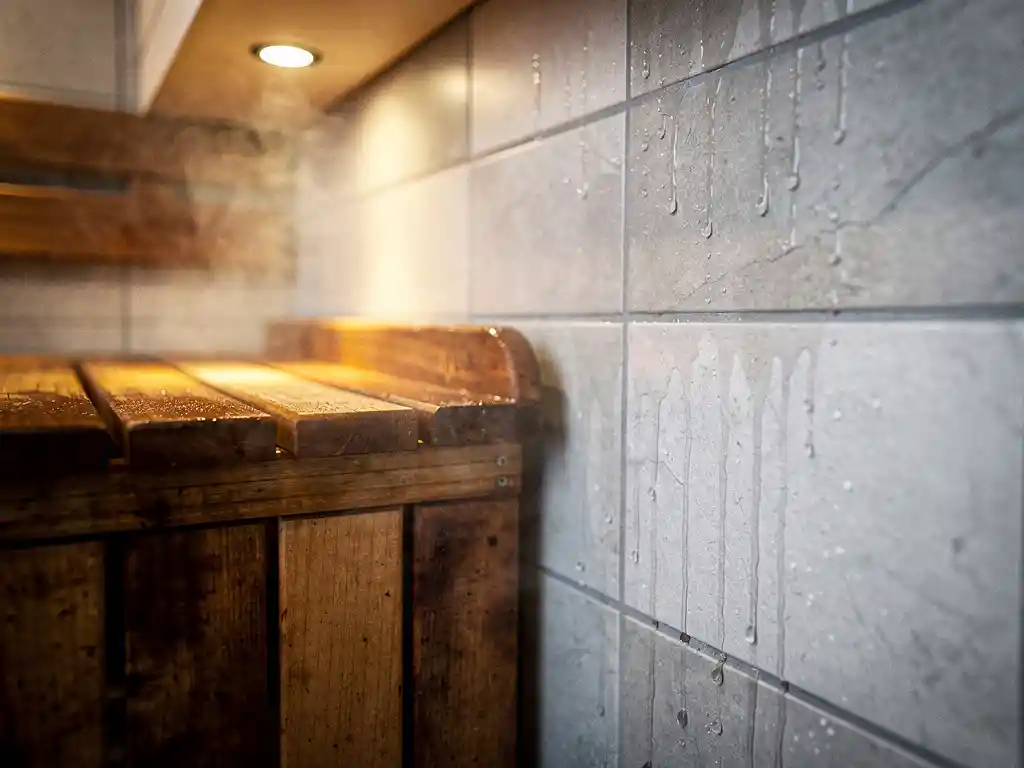
The main difference between a traditional sauna and a steam bath lies in humidity and temperature levels. Traditional saunas use dry heat with temperatures of 70–100°C and humidity below 20%, while steam baths operate at lower temperatures (40–50°C) with nearly 100% humidity. This creates completely different experiences for your body, breathing, and skin sensation.
What actually happens inside a traditional sauna versus a steam bath?
The operational differences between traditional saunas and steam baths create distinct environmental experiences:
- Traditional saunas create dry heat environments – Operating at 70–100°C with humidity below 20%, allowing your body to regulate temperature through efficient sweating while maintaining comfortable breathing
- Steam baths maintain moist heat conditions – Running at 40–50°C with nearly 100% humidity, making the air thick and every breath feel heavier while preventing efficient sweat evaporation
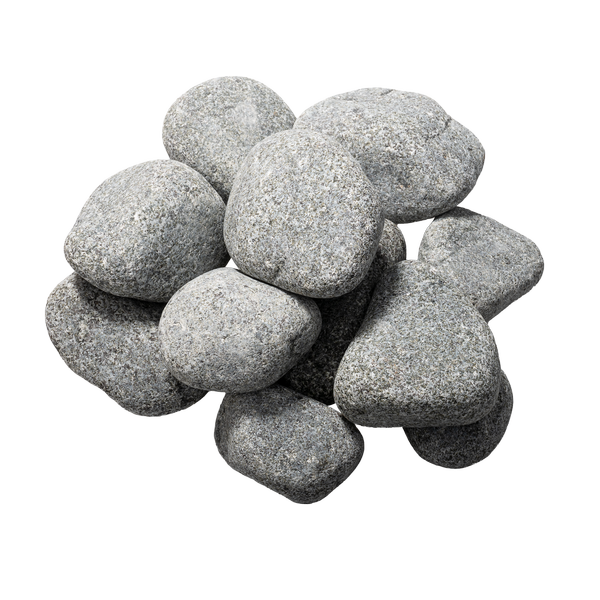
- Finnish saunas offer controllable moisture – You can pour water on heated stones to create löyly (steam bursts), giving you control over humidity levels while maintaining the dry heat foundation
- Steam rooms provide constant humidity – Steam generators maintain unchanging misty environments with consistent high moisture levels throughout your session
- Session durations vary by environment – Traditional saunas allow 15–20 minute sessions due to efficient body cooling, while steam baths typically limit you to 10–15 minutes as your body works harder to maintain temperature balance
These fundamental operational differences create entirely different physiological responses and comfort levels. The dry heat of traditional saunas promotes natural body cooling mechanisms, while steam baths challenge your temperature regulation system through moisture saturation. Understanding these environmental distinctions helps you choose the experience that best matches your comfort preferences and wellness goals.
Why do traditional saunas and steam baths feel so different on your skin?
The skin sensations and breathing experiences differ dramatically between these two heat therapy environments:
- Dry sauna heat promotes efficient sweat evaporation – Creating a cooling effect that helps regulate body temperature while making your skin feel warm but breathable, with perspiration flowing freely without stickiness
- Steam bath humidity prevents sweat evaporation – Making your skin feel constantly moist and sometimes clammy, while the high moisture content can make breathing feel labored, especially for those with respiratory sensitivities
- Personal tolerance affects preference significantly – People who enjoy feeling their body work to cool itself often prefer traditional saunas, while those wanting gentle warmth without intense heat typically favor steam baths
- Skin conditions influence optimal choice – Individuals with dry skin conditions often benefit more from steam room humidity, while those with certain breathing difficulties may find dry sauna air easier to manage
- Exit experiences vary between environments – Leaving a traditional sauna into normal air feels refreshing and cooling, while exiting a steam bath can feel jarring as your body adjusts from moisture-saturated to regular humidity levels
These sensory differences extend beyond simple comfort preferences to impact how your body processes the heat therapy experience. The evaporation efficiency in dry saunas creates a natural cooling cycle that many find invigorating, while steam baths provide an enveloping warmth that opens pores and hydrates skin. Your individual physiology, skin type, and respiratory health all play crucial roles in determining which environment will feel most beneficial and comfortable for your wellness routine.
Which health benefits do you get from saunas versus steam rooms?
Traditional saunas and steam baths offer distinct health advantages based on their different environmental conditions:
- Traditional saunas excel at cardiovascular conditioning – The high heat forces your heart to work harder, similar to moderate exercise, potentially supporting heart health and improved circulation
- Dry heat promotes deep cleansing perspiration – Efficient sweating may help with muscle recovery after workouts and stress relief through intense heat therapy
- Steam baths support respiratory comfort – The moist heat can help ease sinus congestion and support breathing for some people with certain respiratory conditions
- High humidity provides excellent skin hydration – Steam rooms offer superior moisturizing benefits and gentler temperatures that make heat therapy accessible for those who cannot tolerate intense dry heat
- Both environments promote stress reduction through different mechanisms – Traditional saunas create intense heat experiences that many find mentally clearing, while steam baths offer enveloping warmth that promotes calm relaxation
Your existing health conditions significantly influence which option suits you better. People with certain heart conditions should consult healthcare providers before using either environment, but may find steam baths’ lower temperatures more manageable. Those with respiratory sensitivities might prefer traditional sauna air, though individual responses vary considerably. The key is matching the therapy type to your specific health goals and physical tolerances for optimal wellness benefits.
How do you choose between a traditional sauna and steam bath for your home?
Several practical and personal factors determine the best choice for your home wellness installation:
- Space requirements and installation needs vary significantly – Traditional saunas need proper ventilation, electrical connections for heaters, and adequate ceiling height, while steam rooms require waterproof construction, steam generators, drainage systems, and excellent ventilation to prevent moisture problems
- Maintenance demands differ between options – Traditional saunas need occasional wood treatment and heater maintenance but generally require less ongoing care, whereas steam rooms need regular cleaning to prevent mold, descaling of generators, and intensive ventilation upkeep
- Energy costs depend on usage patterns – Traditional saunas use more electricity during operation due to higher temperatures but heat up quickly, while steam generators consume less power but may run longer for consistent steam production
- Personal heat preferences determine satisfaction – If you enjoy intense heat experiences and want efficient sessions, traditional saunas work well, but if you prefer gentler warmth with humidity benefits, steam baths suit you better
- User diversity affects functionality – Traditional saunas often accommodate wider ranges of heat tolerances through controllable löyly, while steam baths provide consistent conditions that some find more predictable and comfortable
Making the right choice requires balancing these practical considerations with your wellness goals and lifestyle preferences. Consider how frequently you’ll use the facility, who else in your household will benefit, and whether you want the flexibility to vary your heat therapy experience. Some homeowners opt for systems that offer multiple modes or install both options when space and budget allow, maximizing their investment in home wellness technology.
Understanding these differences helps you make an informed decision about sauna vs. steam room installation. At Saunum, we’ve developed innovative solutions that combine multiple sauna experiences in one system, including traditional dry heat, steam functionality, and even salt therapy options. This approach lets you enjoy various wellness benefits while maximizing your investment in home wellness technology.
If you’re interested in getting started with Sauna, check out our full range today.