



Choosing the right wood for your indoor sauna interior is one of the most important decisions you will make during a build. The wood you select affects how the space feels underfoot, how it handles repeated heat and moisture cycles, and, ultimately, how long your sauna lasts. Whether you are a contractor fitting out a client’s home spa or a dedicated DIY builder, understanding the properties that separate great sauna wood from a costly mistake will save you time, money, and frustration down the line.
This guide walks you through every key question surrounding sauna wood selection, from the properties that matter most to the species worth considering and the maintenance habits that protect your investment. We have also included a section on how the right heating technology works hand in hand with quality wood to create a truly exceptional home sauna experience.
What wood properties make a sauna interior safe and comfortable?
The best sauna interior wood is low in resin, has low thermal conductivity, remains dimensionally stable under repeated heat and moisture cycles, and is smooth enough to sit and lean against comfortably. These four properties determine whether a wood species is genuinely suited to the demanding environment of an indoor sauna.
Low resin content is the safety-critical factor. Resinous woods release sticky, hot sap when they heat up, which can cause burns on bare skin and creates an unpleasant, sharp smell. Thermal conductivity determines how quickly the wood surface heats up. Wood with low thermal conductivity stays cooler to the touch, meaning benches and backrests remain comfortable even when the air temperature is high. This is why dense hardwoods that conduct heat rapidly are generally a poor fit for sauna interiors, despite their durability in other applications.
Dimensional stability matters because sauna wood expands when it absorbs steam and contracts as it dries between sessions. Wood that cannot handle this repeated movement will warp, crack, or pull away from fixings over time. Finally, a smooth, splinter-free surface is essential in a space where people sit and rest with very little clothing. Tight, even grain and a naturally fine texture are signs that a species will stay comfortable over years of use.
Which wood species are most commonly used in sauna interiors?
The most widely used sauna interior woods are cedar, aspen, alder, spruce, and Nordic pine. Each species is chosen for its combination of low resin content, thermal stability, and pleasing aesthetics. The right choice depends on your budget, the look you want, and how the sauna will be used.
Cedar
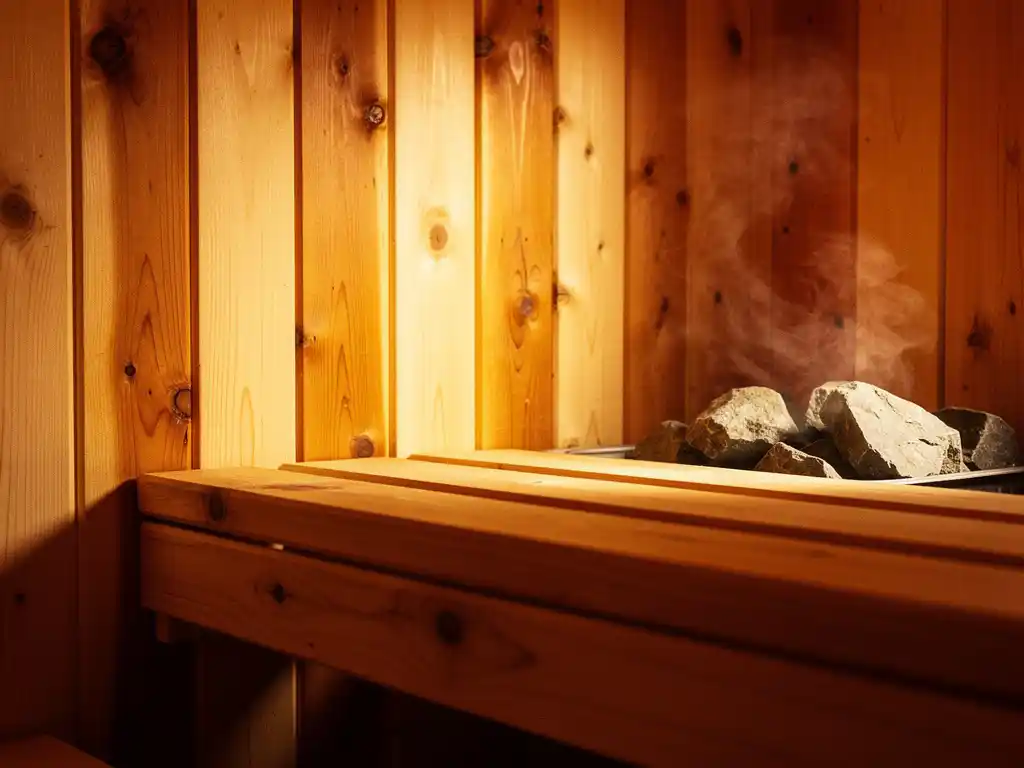
Western red cedar is arguably the most recognized sauna wood in North America. It is naturally resistant to moisture and decay, has a beautiful reddish tone, and carries a distinctive aromatic scent. Cedar is lightweight, easy to work with, and holds its shape well through heat cycles, making it a practical choice for both DIY builders and professional installers.
Aspen
Aspen is the go-to choice across Scandinavia and Finland, where sauna culture originated. It is virtually resin-free, has an exceptionally smooth surface, and stays cool to the touch even at high temperatures. Aspen is pale and neutral in colour, which gives sauna interiors a clean, modern appearance. It is also hypoallergenic, making it a sensible option for users with sensitive skin.
Alder
Alder sits between cedar and aspen in terms of character. It has a warm, reddish-brown tone, is low in resin, and handles humidity well. Alder is widely used in European sauna builds and is particularly popular for benches and wall panelling because of its smooth grain and attractive appearance.
Spruce and Nordic Pine
Spruce and Nordic pine are budget-friendly options that are widely available and easy to source. Both are low-density softwoods that work reasonably well in sauna environments, though they contain more resin than aspen or alder. Kiln-dried versions are preferable, as proper drying significantly reduces resin activity.
What’s the difference between cedar and aspen for sauna interiors?
The key difference between cedar and aspen for sauna interiors is that cedar offers natural decay resistance and a strong aromatic scent, while aspen is virtually odourless, resin-free, and stays cooler to the touch. Cedar suits traditional, rustic sauna aesthetics; aspen is better suited to modern, minimalist builds and users with scent sensitivities.
Cedar’s natural oils give it excellent moisture resistance without any treatment, which extends the lifespan of the wood in wet conditions. However, those same oils produce the characteristic cedar aroma, which some users find pleasant and others find overpowering, particularly in a small, enclosed indoor sauna. Cedar also tends to darken over time, developing a rich patina that many builders and homeowners appreciate.
Aspen, on the other hand, is prized in Finnish sauna tradition precisely because it does not interfere with the sensory experience. The wood itself has no competing smell, so the steam, any added sauna oils, or the subtle mineral notes from Himalayan salt spheres remain the focus. Aspen also has one of the lowest thermal conductivity ratings among common sauna woods, which means bench surfaces stay noticeably cooler and more comfortable during long sessions. The trade-off is that aspen is less naturally resistant to moisture and benefits more from good ventilation and regular drying between uses.
What wood should you avoid using inside a sauna?
Avoid using pine with high resin content, any pressure-treated or chemically preserved wood, plywood, MDF, and dense tropical hardwoods such as teak or mahogany inside a sauna. These materials either release harmful substances when heated, conduct heat too aggressively for comfortable contact, or deteriorate rapidly in the high-humidity environment of a sauna.
Pressure-treated lumber is the most important category to exclude. The preservative chemicals used to protect this wood from rot and insects are not designed to be heated and inhaled. Similarly, plywood and MDF contain adhesive resins and binders that off-gas at elevated temperatures, creating air-quality problems in an enclosed space where you are breathing deeply and sweating intensely.
Dense tropical hardwoods present a different problem. While they are durable and beautiful in other contexts, their high thermal conductivity means surfaces heat up quickly and stay hot, creating burn risks on benches and backrests. They are also often very heavy, making installation more demanding, and their density means they expand and contract aggressively with moisture changes, leading to cracking and joint failure over time.
- Pressure-treated or chemically preserved lumber
- Plywood, MDF, or any composite panel product
- Dense tropical hardwoods such as teak or mahogany
- Highly resinous pine or fir that has not been properly kiln-dried
How do you maintain sauna wood to make it last longer?
The most effective way to maintain sauna wood is to allow the space to dry out completely after every session, clean the benches regularly with a mild, sauna-specific cleaner, sand lightly when the surface becomes rough or grey, and ensure the ventilation system keeps fresh air circulating through the room between uses.
Drying is the single most important maintenance habit. Moisture left sitting on wood surfaces encourages mould growth and accelerates the breakdown of wood fibres. After each session, leave the sauna door slightly open and run the ventilation long enough for the interior to return to ambient humidity. This is where a well-designed sauna climate control system genuinely earns its place. Consistent air circulation removes residual steam more efficiently than passive ventilation alone, protecting the wood and keeping the interior fresher between sessions.
Sanding is a simple but often overlooked maintenance step. Over time, sauna wood surfaces can become rough or develop a grey tinge from mineral deposits in the steam. A light pass with fine-grit sandpaper restores the smooth surface and removes any surface contamination. For most sauna woods, applying a sauna-grade wood-treatment oil once or twice a year to bench surfaces helps preserve the wood’s natural properties without sealing it in a way that traps moisture underneath.
How Saunum helps with electric sauna climate control
Even the finest sauna wood will underperform if the climate inside the room is poorly managed. Extreme temperature stratification—where the air near the ceiling is scorching while the floor level remains cool—places uneven stress on wood surfaces and creates an uncomfortable experience for users. This is the core problem that we at Saunum built our product line to solve.
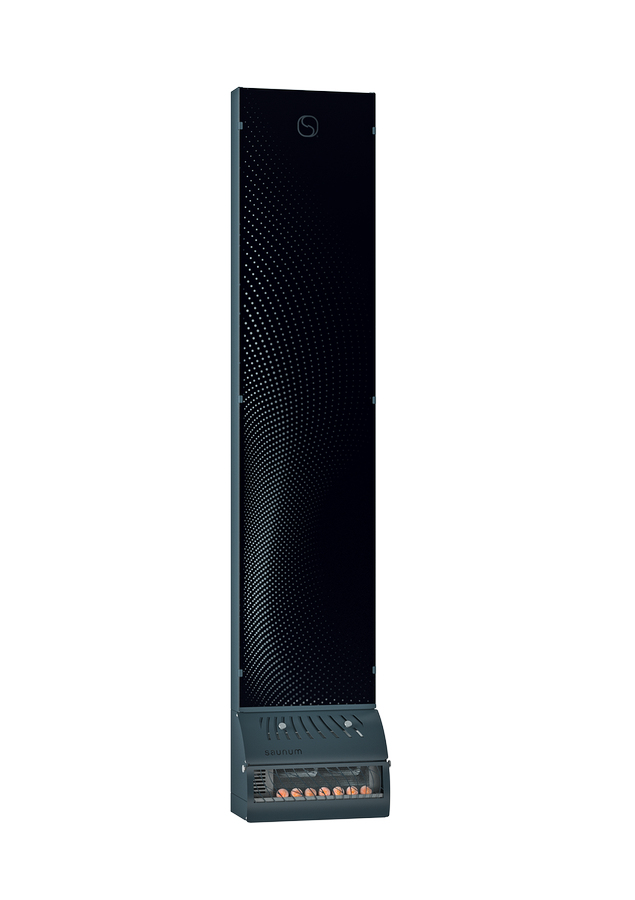
Our patented air-blending system captures the hot steam that accumulates near the ceiling and mixes it with the cooler, oxygen-rich air near the floor, redistributing it evenly throughout the room. The result is a more stable temperature from floor to ceiling, which means the wood in your indoor sauna experiences less dramatic thermal cycling and, as a result, lasts longer. For builders and contractors fitting out home sauna projects, this translates directly into fewer callbacks and a better long-term result for the client.
- Even heat distribution reduces the stress of extreme temperature swings on sauna wood panels and benches
- Softer, longer-lasting steam means users add water more gradually, reducing sudden moisture spikes that cause wood movement
- Integrated Himalayan salt spheres enrich the air with salt ions without requiring any modifications to the wood interior
- The 5-in-1 spa solution lets users switch between classic Nordic sauna, humid steam, aroma, and relaxation modes from a single unit
Saunum offers a range of electric sauna heaters for every project suited to everything from compact apartment saunas to large public spa facilities, all built around the same air-blending core technology. If you are planning an indoor sauna build and want a heating solution that protects your wood investment while delivering a genuinely superior experience, explore the full Saunum product range or get in touch with our team to find the right fit for your project.
If you’re interested in getting started with Sauna, check out our full range today.