

Using a home sauna is one of the most rewarding investments you can make for your health and well-being. Whether you have a compact indoor sauna tucked into a spare room or a dedicated steam room in your basement, the experience delivers genuine physical and mental benefits. But like any high-heat environment, a home sauna comes with responsibilities. Understanding the right safety precautions keeps every session enjoyable and protects both users and your home.
The good news is that home sauna safety is straightforward once you know what to watch for. From setting the right temperature to choosing a properly installed electric heater, the precautions covered below apply whether you are a first-time sauna owner or a seasoned enthusiast looking to tighten up your routine.
What are the most important home sauna safety precautions?
The most important home sauna safety precautions are controlling heat exposure time, staying hydrated, never using a sauna alone if you have underlying health conditions, keeping flammable materials away from the heater, and ensuring your electric sauna heater is professionally installed with the correct clearances. These five principles form the foundation of safe home sauna use.
Beyond those core rules, always make sure your indoor sauna has adequate ventilation. Fresh oxygen is essential, especially during steam sessions when humidity rises. A well-ventilated sauna prevents the buildup of stale, oxygen-depleted air that can cause dizziness or lightheadedness. Limit sessions to 15 to 20 minutes at a time, cool down fully between rounds, and always listen to your body. Discomfort, nausea, or a racing heartbeat are signals to exit immediately.
Keep a source of clean drinking water within easy reach outside the sauna. Dehydration can set in faster than most people expect in a heated environment, and replacing fluids before and after each session is just as important as the session itself.
What temperature should a home sauna be set to safely?
A home sauna should be set between 150°F and 195°F (65°C to 90°C) for a traditional Nordic sauna experience. For beginners, or for those using a steam room at higher humidity, a lower range of 104°F to 140°F (40°C to 60°C) is safer and more comfortable. The right temperature depends on your experience level and the style of session you choose.
Temperature by sauna style
Different sauna experiences call for different temperature settings, and modern heaters make it easy to dial in exactly what you need. A classic Nordic sauna runs at 60°C to 100°C with lower humidity, while a humid, steam-rich session is best enjoyed at 45°C to 60°C, with the fan running at a higher speed to distribute moisture evenly. A mild, relaxing sauna sits comfortably between 40°C and 55°C, making it ideal for longer, gentler sessions.
One practical reason temperature consistency matters for safety is that traditional saunas often create extreme stratification, with scorching air near the ceiling and much cooler air near the floor. This uneven distribution can push ceiling temperatures dangerously high while misleading users who feel comfortable at bench level. An air-blending system that equalizes temperature from floor to ceiling removes this hidden risk and makes the environment far more predictable and safe.
Never exceed 90°C if you are using a combined heater and climate device, as most manufacturers set this as the maximum operating threshold for both safety and equipment protection. Always use a reliable thermometer mounted at bench height, not at ceiling height, to get an accurate reading of the temperature your body is actually experiencing.
How do you safely install an electric sauna heater at home?
Safe electric sauna heater installation requires a licensed electrician, correct cable sizing for the heater’s power rating, proper safety clearances on all sides of the unit, and a dedicated circuit with the correct fuse rating. Never attempt a DIY electrical connection for a sauna heater without professional qualifications, as incorrect wiring is a leading cause of sauna fires and equipment failure.
Key installation requirements
Before installation begins, confirm that your sauna room volume matches the heater’s power rating. Undersized heaters work harder and run hotter than intended, shortening their lifespan and creating unpredictable heat. As a general rule, non-insulated wall surfaces such as glass doors or concrete walls increase the effective room volume that needs to be heated, so factor those surfaces into your sizing calculation.
Safety clearances are non-negotiable. For example, a standard home sauna heater with an open stone basket typically requires at least 150 mm of clearance on the sides and front, and more than 1,000 mm of clearance from the top of the stones to the ceiling. These distances exist to prevent accidental contact burns and to allow heat to dissipate safely. Always follow the specific clearance figures in your heater’s installation documentation rather than estimating.
- Use only the cable type and cross-section specified for your heater’s power rating.
- Install a dedicated fuse or circuit breaker sized to the heater’s current draw.
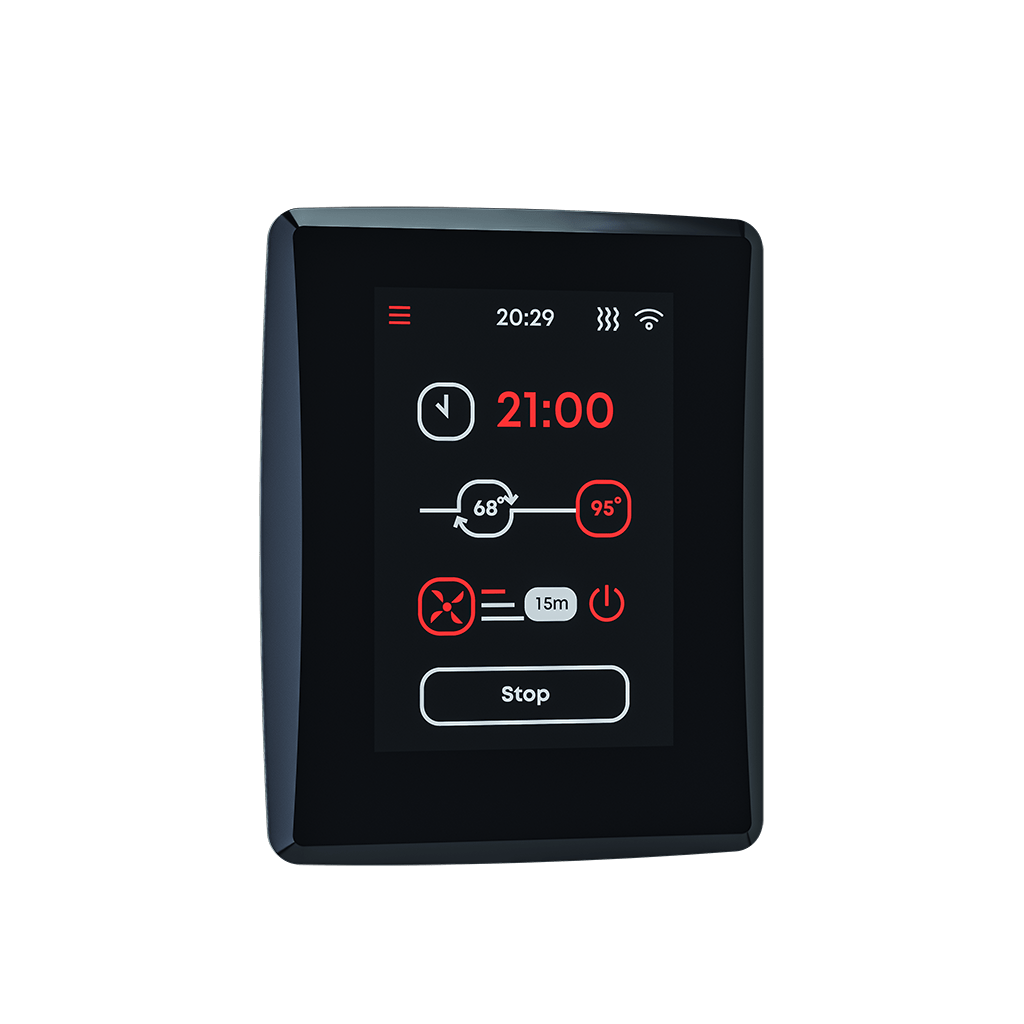
- Ensure the control unit or thermostat is positioned outside the steam room so electronics are not exposed to direct moisture.
- Have a qualified electrician inspect the completed installation before first use.
Who should avoid using a home sauna?
People who should avoid using a home sauna include those with uncontrolled high blood pressure, recent cardiovascular events, acute infections or fever, pregnancy (without medical clearance), and anyone under the influence of alcohol or sedative medications. Children under the age of six should not use a sauna at all, and older children should only use one under close adult supervision.
The heat in a steam room places real demands on the cardiovascular system. Your heart rate increases, blood vessels dilate, and your body works hard to regulate its core temperature. For most healthy adults, this is a beneficial stress. For someone with an unmanaged heart condition or recovering from surgery, that same stress can be dangerous. If you have any chronic health condition, always consult your doctor before making sauna use a regular habit.
Alcohol and sauna use are a particularly risky combination. Alcohol impairs your body’s ability to regulate temperature, dulls the warning signals that tell you to exit, and increases the risk of dehydration and loss of consciousness. Even a moderate amount of alcohol before a session significantly raises the risk of a medical emergency in the heat.
What are the most common home sauna safety mistakes to avoid?
The most common home sauna safety mistakes are staying in too long without cooling down, using the sauna immediately after intense exercise or alcohol consumption, placing objects against or near the heater, ignoring proper electrical installation, and failing to hydrate adequately before and after sessions. Each of these mistakes is easy to avoid once you are aware of them.
Placing towels, wooden buckets, or other objects too close to the heater is a frequent and underappreciated hazard. Sauna heaters generate intense radiant heat, and anything within the required clearance zone can overheat, char, or ignite over time. Keep the area around your heater clear at all times, and never drape wet towels over the unit or the stone basket.
Another common mistake is assuming that a cooler-feeling sauna is a safe one. Temperature stratification in traditional indoor saunas means the air near the ceiling can be dangerously hot even when the bench level feels moderate. This is especially relevant for children, who sit lower and may seem comfortable while the upper zone is extreme. Using a heater with an air-blending system eliminates this stratification risk by distributing heat evenly throughout the room.
How do you maintain a home sauna to keep it safe long-term?
Long-term home sauna safety depends on regular cleaning of the interior surfaces, inspecting and replacing heater stones when they degrade, checking electrical connections annually, and ensuring the ventilation system remains unobstructed. A well-maintained indoor sauna is not only safer but also more energy-efficient and more enjoyable to use.
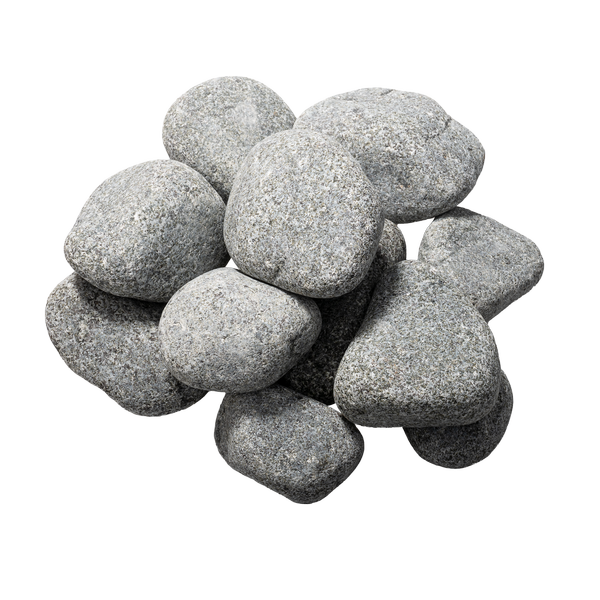
Heater stones absorb water and heat through hundreds of cycles and eventually crack, crumble, or lose their ability to retain heat effectively. Broken stones can also shift and block airflow around the heating elements, creating localized overheating. Inspect your stones every season and replace any that show significant cracking or deterioration. Always use stones specifically rated for sauna use, as other stone types can shatter dangerously when exposed to water.
Clean the wooden interior regularly with a mild, sauna-safe cleaner, paying particular attention to benches and the floor where sweat accumulates. Allow the sauna to air out fully after each session by leaving the door slightly open. This helps prevent mold growth and keeps the wood in good condition. Check the door seal and hinges periodically to make sure the room closes properly and retains heat as intended.
How Saunum helps with electric sauna heater safety
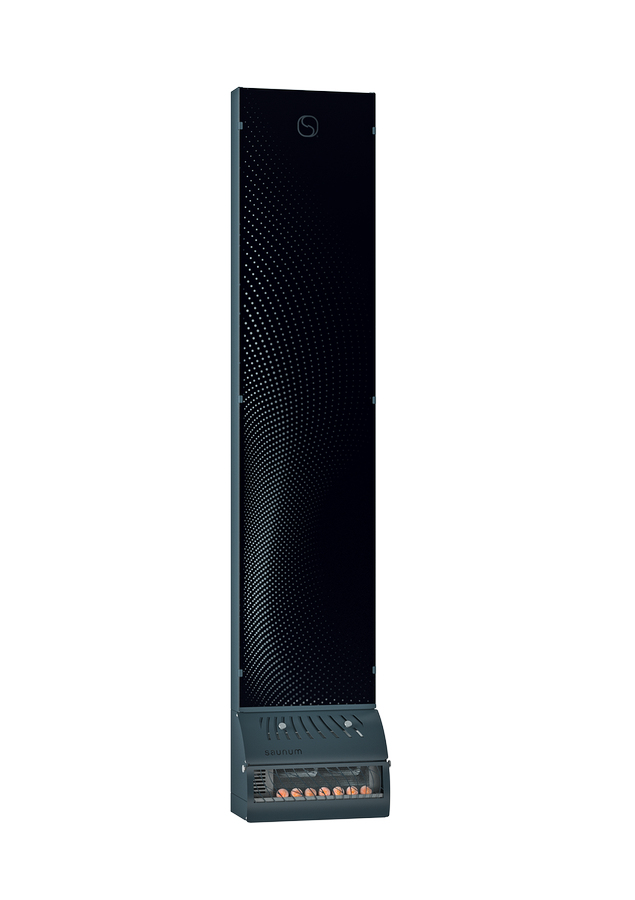
Saunum addresses several of the most significant home sauna safety risks through the design of our heaters and climate systems. Our patented air-blending technology directly solves the temperature stratification problem that makes traditional saunas unpredictable and potentially dangerous. By capturing hot steam near the ceiling and mixing it with cooler, oxygen-rich air from the floor, our systems maintain a consistent, easy-to-read temperature throughout the entire sauna room.
Here is what sets our approach apart from a safety perspective:
- Even heat distribution from floor to ceiling removes the hidden danger of extreme ceiling temperatures that users at bench level cannot feel.
- Oxygen-enriched, circulated air makes breathing easier and reduces the lightheadedness that can occur in poorly ventilated saunas.
- Built-in thermal cut-off protection and overheating safeguards are standard across our product range, including the Saunum Spa Session and Saunum Experience heaters.
- Clear, model-specific safety clearance specifications and electrical requirements take the guesswork out of safe installation.
Whether you are building a new indoor sauna or upgrading an existing setup, Saunum home sauna heaters and climate devices are sized for home use, with detailed installation guidance and US-based support to help you get it right. Contact us for sauna installation support to explore our full product lineup and find the right solution for your sauna room.
If you’re interested in getting started with Sauna, check out our full range today.