




Keeping your home sauna clean is just as important as building it properly. Whether you use your indoor sauna a few times a week or every day, sweat, moisture, and heat create ideal conditions for bacteria, mold, and unpleasant odors to develop. A consistent cleaning routine protects both the people who use the sauna and the materials it is made from.
This guide answers the most common questions about how to clean and sanitize a sauna steam room safely, covering everything from the right products to use on wood benches to how to care for your electric sauna heater. If you are a builder, installer, or DIY enthusiast setting up a new sauna, these practices are worth establishing from day one.
What’s the difference between cleaning and sanitizing a sauna steam room?
Cleaning removes visible dirt, sweat residue, and surface buildup from sauna materials. Sanitizing goes a step further by reducing bacteria and microorganisms on those surfaces. In a sauna steam room, you need to do both regularly, but they are separate steps that serve different purposes and require different products.
Think of cleaning as the foundation. You scrub benches, wipe down walls, and rinse away the physical residue that accumulates after each session. This step is essential before sanitizing because disinfectants cannot work effectively on surfaces covered in organic matter. Skipping the cleaning step and going straight to sanitizing is one of the most common mistakes sauna owners make.
Sanitizing, on the other hand, targets the invisible layer of bacteria and fungi that thrive in warm, humid environments. In a sauna steam room, where temperatures fluctuate and moisture is constant, this step matters for hygiene and long-term material health. For home sauna use, light sanitizing solutions are usually sufficient, but public or shared saunas may require a more rigorous protocol after every session.
How often should you clean and sanitize a sauna steam room?
You should wipe down benches and high-contact surfaces after every use, do a full cleaning of the entire sauna steam room once a week with regular use, and perform a deep clean—including the walls, floors, and heater area—once a month. Frequency depends on how many people use the sauna and how often.
After each session, a quick wipe-down of the bench surface with a damp cloth or a diluted, sauna-safe cleaner takes only a few minutes and prevents sweat from soaking into the wood grain. This small habit dramatically reduces the buildup that makes weekly cleaning harder. Leaving the sauna door slightly ajar after use also helps moisture escape, which slows the growth of mold and bacteria between sessions.
The weekly cleaning should cover benches, backrests, walls, and the floor. Each month, inspect the area around your electric sauna heater and sauna equipment, check for any discoloration or residue on the stones, and look for early signs of mold in corners or behind the heater unit. Consistent attention at each of these intervals keeps the indoor sauna in good condition for years.
What cleaning products are safe to use in a sauna steam room?
Safe cleaning products for a sauna steam room include diluted mild soap, white vinegar solutions, and products specifically formulated for sauna wood. Avoid bleach, ammonia-based cleaners, strong disinfectants, and any product with harsh chemical fragrances, as these can damage wood, corrode metal components, and release harmful fumes when the sauna heats up.
White vinegar diluted with water is one of the most effective and widely recommended options for sauna cleaning. It is mildly antibacterial, safe on untreated wood, and does not leave a residue that could off-gas at high temperatures. A ratio of roughly one part vinegar to three parts water works well for bench surfaces and walls.
If you prefer a commercial product, look for cleaners labeled specifically for sauna or spa use. These are formulated to be safe on Nordic spruce, aspen, and thermally treated wood without stripping natural oils or causing premature graying. Always rinse surfaces with clean water after using any cleaning product, and allow the sauna to air-dry or run a short heat cycle before the next session to drive off any remaining moisture.
How do you clean sauna wood benches and walls safely?
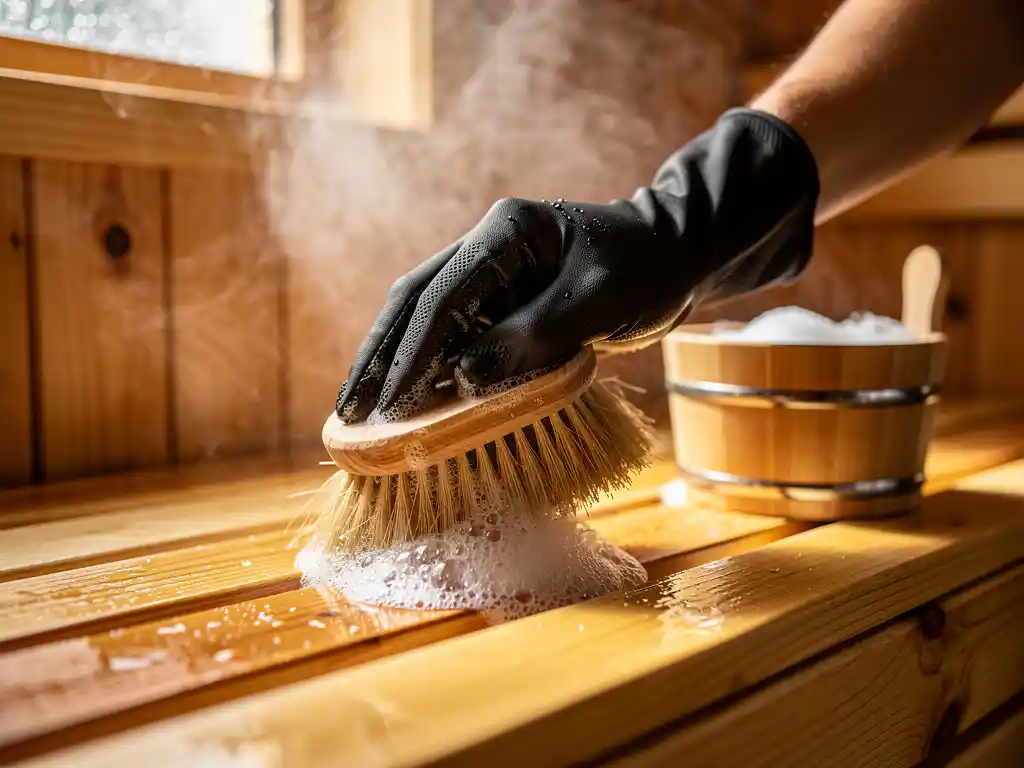
To clean sauna wood benches and walls safely, use a stiff-bristle brush or scrubbing pad with mild soap or a diluted vinegar solution, scrubbing along the wood grain. Rinse thoroughly with clean water, and allow the wood to dry completely before the next use. Never soak the wood or use abrasive metal tools.
Cleaning benches
Benches have the most direct contact with skin and sweat, so they need the most attention. Scrub along the grain rather than across it to avoid raising the wood fibers or creating grooves where bacteria can settle. For stubborn staining or graying, fine-grit sandpaper used dry can restore the surface, followed by a thorough rinse and drying cycle.
Untreated wood is the standard in quality saunas, and for good reason. It breathes, absorbs and releases moisture naturally, and stays cooler to the touch than treated alternatives. The trade-off is that it requires more consistent care. Avoid applying oils, varnishes, or sealants to bench surfaces, as these can become sticky, emit fumes under heat, and actually trap bacteria rather than prevent them.
Cleaning walls and floors
Walls in a sauna steam room accumulate a fine layer of mineral deposits and moisture over time. Wipe them down with your diluted vinegar solution using a soft cloth, working from top to bottom. The floor, especially in a steam-heavy sauna, should be scrubbed regularly and rinsed well, since standing water or persistent dampness at floor level is where mold most commonly takes hold.
How do you clean and maintain an electric sauna heater?
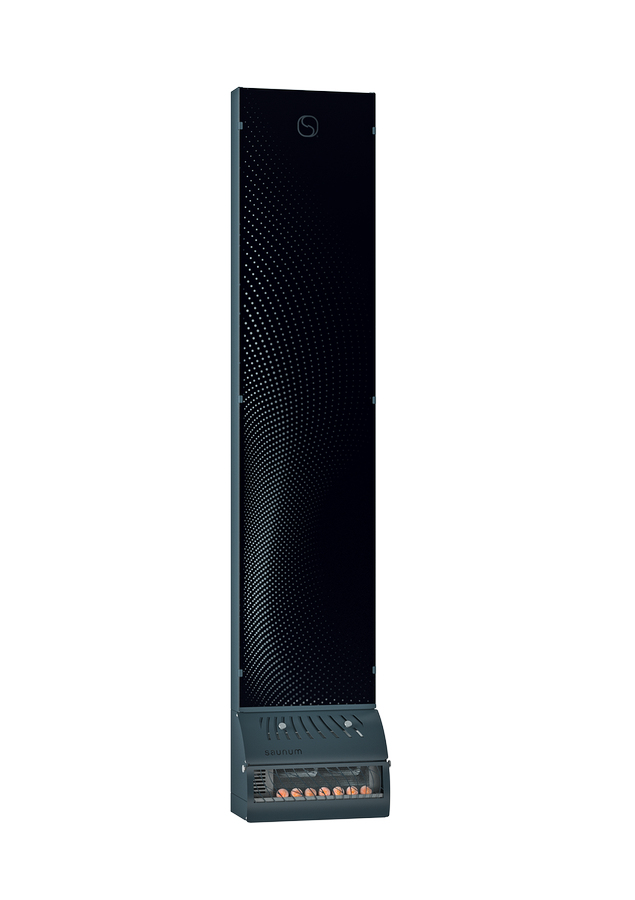
To clean an electric sauna heater, always allow it to cool completely before touching it. Wipe the exterior housing with a damp cloth, remove and inspect the sauna stones periodically, and replace any cracked or crumbling stones. Never spray water or cleaning solutions directly onto the heating elements or electrical components.
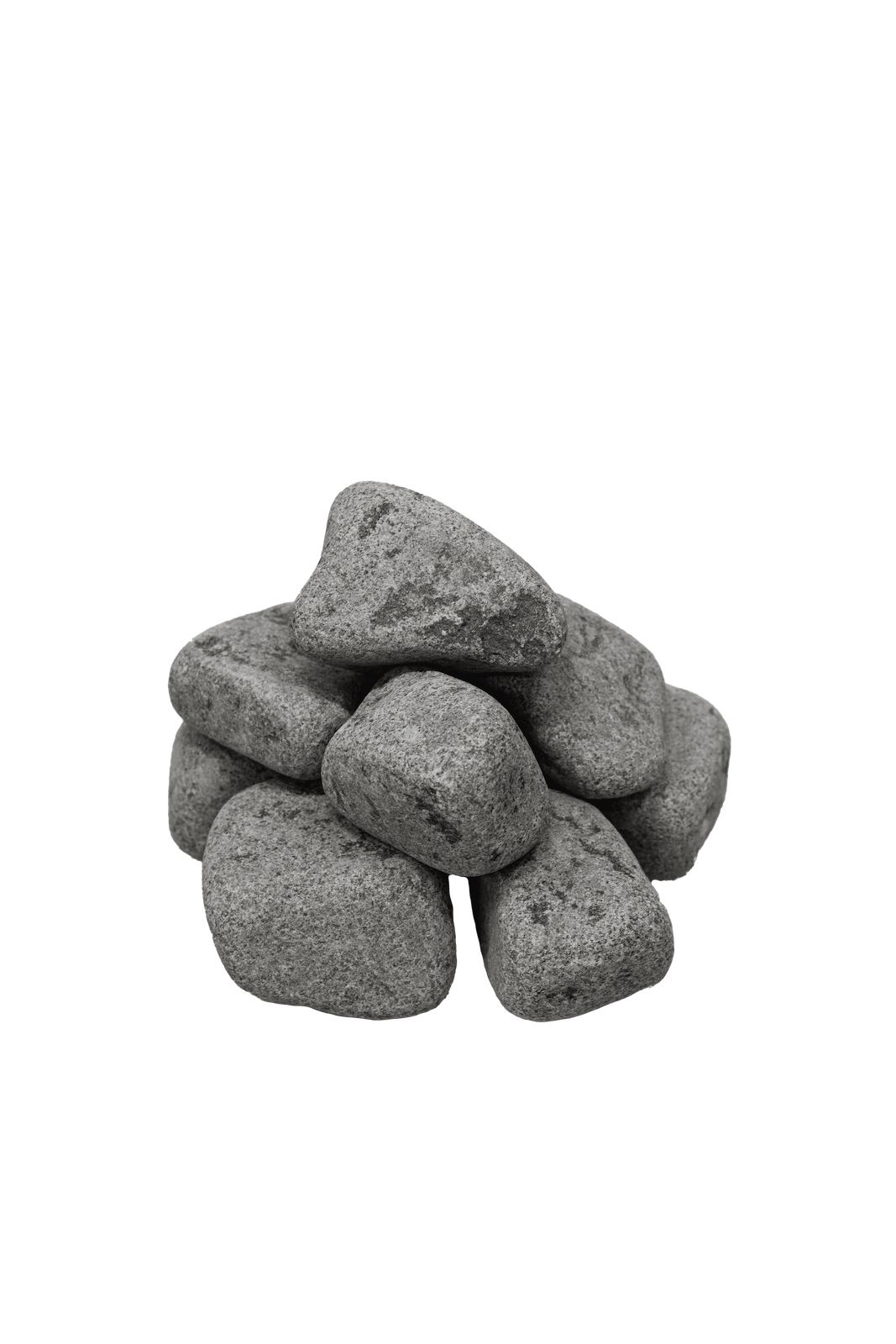
The sauna stones themselves need attention over time. Cracked stones can shatter when water is poured over them, which is a safety risk, and degraded stones reduce steam quality. Remove the stones every few months, rinse them under clean water to remove mineral buildup, and discard any that show significant cracking or disintegration. Replace them with fresh sauna-grade stones of the appropriate size for your heater model.
The area around the heater, including the floor directly beneath it and the wall behind it, should be kept clear and wiped down during your monthly deep clean. Dust and lint can accumulate near the base of the unit and, while the high operating temperatures of an electric heater typically prevent mold growth in that immediate area, keeping it clean supports airflow and reduces any fire risk from debris buildup.
What are the most common sauna cleaning mistakes to avoid?
The most common sauna cleaning mistakes include using harsh chemical cleaners that damage wood or off-gas under heat, over-wetting wood surfaces, neglecting the floor and lower wall areas where mold starts, and skipping regular maintenance between deep cleans. Each of these mistakes shortens the lifespan of your indoor sauna and creates hygiene risks.
- Using bleach or strong disinfectants directly on wood surfaces strips natural oils and can leave residues that produce harmful fumes when heated.
- Over-soaking benches or walls with water causes the wood to swell, warp, and eventually crack, especially at joints and fastening points.
- Ignoring the floor and lower wall zone allows mold to establish before it becomes visible at eye level.
- Waiting for visible staining or odor before cleaning means the buildup has already penetrated the wood grain and is much harder to remove.
Another frequently overlooked mistake is failing to ventilate the sauna after use. Closing the door on a hot, damp room traps humidity and accelerates the growth of mold and bacteria. Leaving the door open after each session, or running the ventilation system briefly, makes a measurable difference in how quickly the sauna dries out and how clean it stays between sessions.
How Saunum helps keep your electric sauna cleaner and healthier
Maintaining a clean sauna steam room is easier when your equipment is designed with hygiene in mind. Our patented air-blending sauna technology does more than improve steam quality. It actively supports a healthier sauna environment by circulating oxygen-enriched air evenly throughout the room, reducing stagnant moisture pockets near the ceiling where mold and bacteria tend to develop in conventional saunas.
Here is how Saunum’s technology directly supports a cleaner, healthier indoor sauna experience:
- Himalayan salt sphere technology: Salt ions circulate through the air during every session. Salt aerosol has recognized antimicrobial properties, which means the air itself is naturally cleaner between cleaning cycles.
- Even heat and moisture distribution: By eliminating temperature stratification, our system prevents the cool, damp zones near the floor where microbial growth is most common in traditional saunas.
- Integrated aromatherapy system: Essential oils are mixed into the steam rather than applied directly to hot stones, which means no burnt residue builds up on the stones or in the heater basket over time.
Saunum heaters are built from corrosion-resistant materials, including AISI 316 steel and Magnelis, which hold up well under the regular cleaning routines described in this guide. Whether you are installing a home sauna for the first time or upgrading an existing setup, Saunum gives you a system that is genuinely easier to maintain. Visit saunum.com to explore our full range of electric sauna heaters and find the right fit for your sauna dimensions.
If you’re interested in getting started with Sauna, contact us to find out more today.