
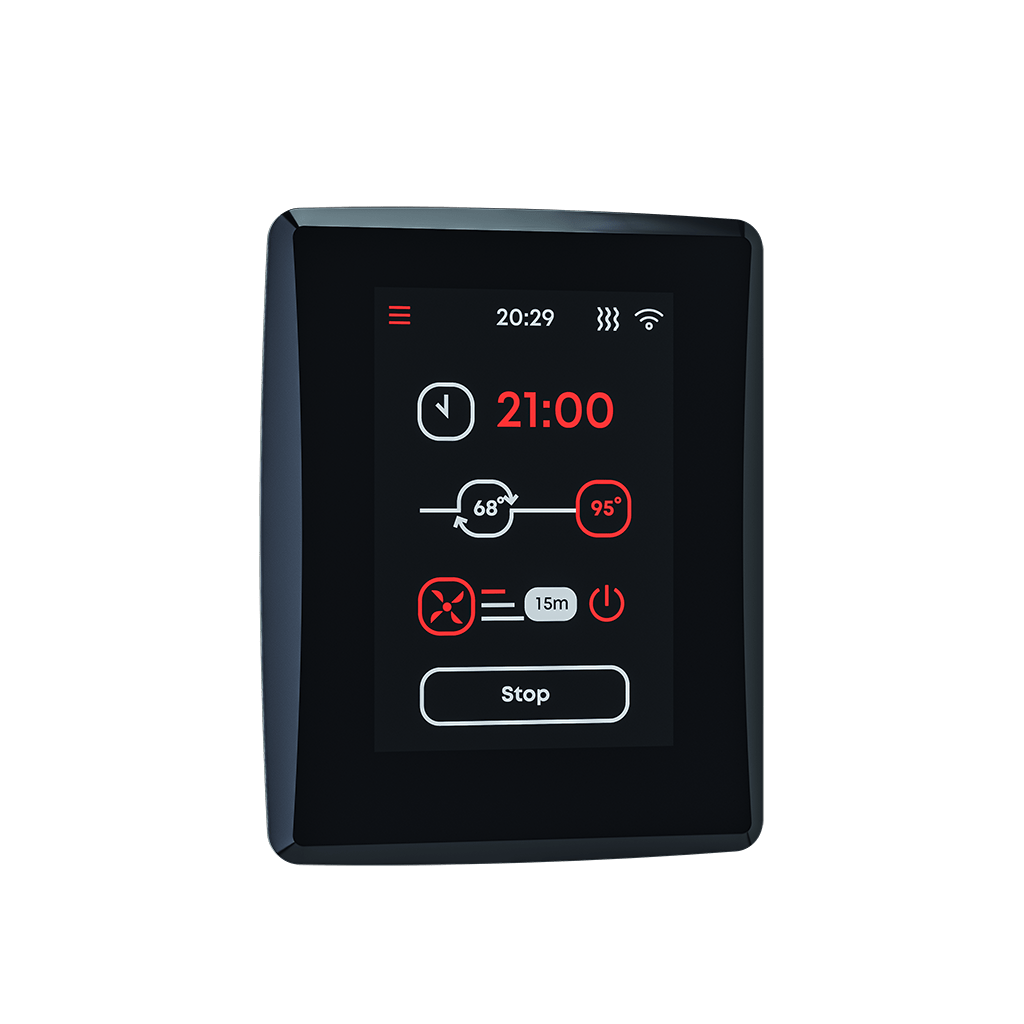

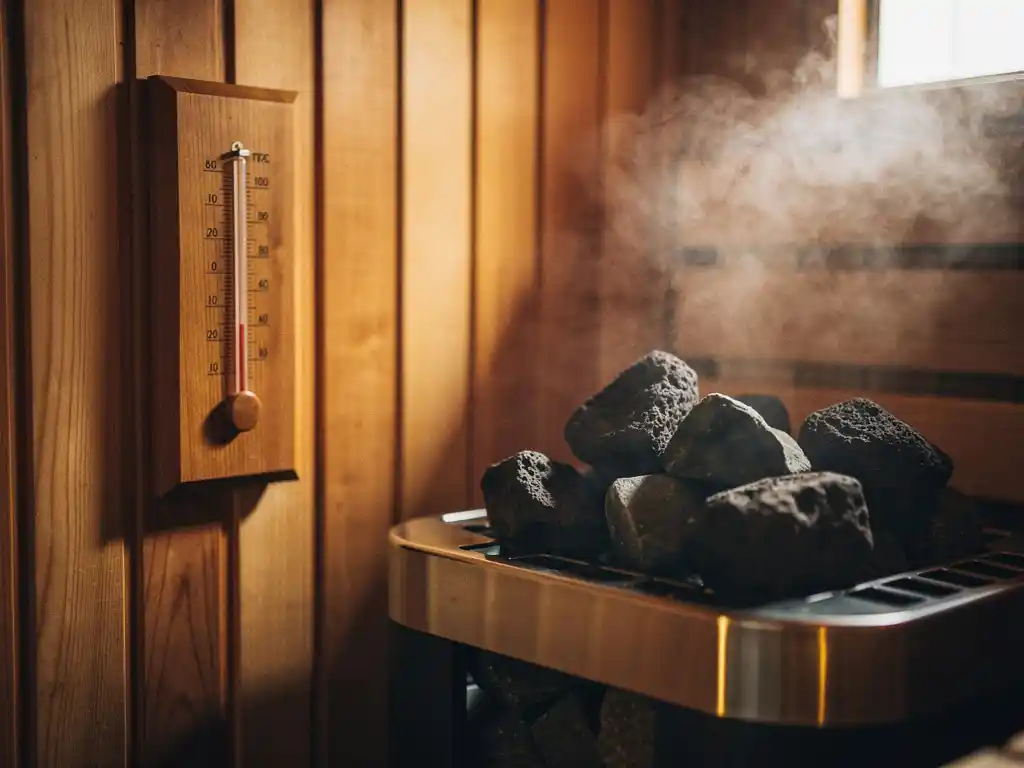
The best sauna temperature ranges from 70–80°C (158–176°F) for beginners and 80–100°C (176–212°F) for experienced users. Traditional Finnish saunas operate at higher temperatures, while infrared saunas work effectively at 50–65°C (122–149°F). Your ideal temperature depends on your experience level, health condition, and personal comfort preferences.
What temperature should you set your sauna to for the best experience?
Selecting the right optimal sauna temperature depends on several key factors that work together to create your perfect experience:
- Sauna type determines baseline temperature ranges – Traditional Finnish saunas deliver optimal benefits between 80–100°C (176–212°F) with low humidity, while infrared saunas work best at 50–65°C (122–149°F), and steam saunas operate effectively at 40–50°C (104–122°F) with high humidity levels
- Experience level dictates safe starting points – Beginners should start at 70–80°C (158–176°F) and gradually increase their heat tolerance over multiple sessions, while experienced users can comfortably enjoy temperatures up to 100°C (212°F) for extended periods
- Personal health considerations require temperature adjustments – People with cardiovascular concerns should consult healthcare providers and typically prefer lower temperatures around 60–70°C (140–158°F), as age, fitness level, and medication use all influence your body’s response to heat exposure
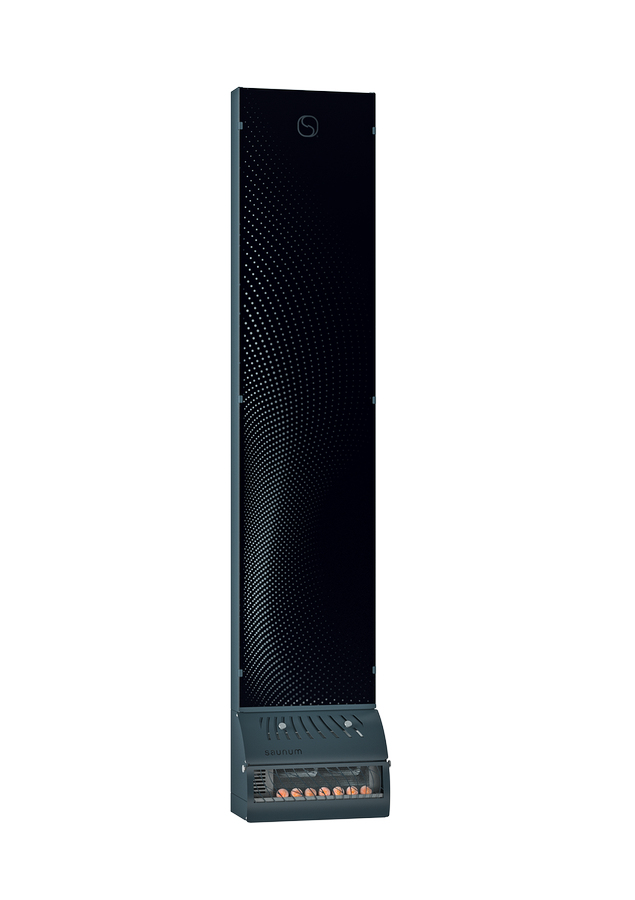
- Modern heating technology ensures consistent results – Electric sauna heaters with advanced air circulation systems help maintain even temperatures throughout the sauna space, preventing hot spots and ensuring uniform heat distribution from floor to ceiling
These factors work synergistically to determine your ideal temperature setting. Understanding how sauna type, personal experience, health status, and equipment quality interact helps you create a customised approach that maximises benefits while ensuring safety and comfort throughout your sessions.
Why does sauna temperature matter more than you think?
Sauna heat levels serve as the primary catalyst for numerous physiological and therapeutic benefits that extend far beyond simple relaxation:
- Temperature directly triggers cardiovascular responses – Proper heat ranges stimulate beneficial cardiovascular responses similar to moderate exercise, increasing heart rate, dilating blood vessels, and improving circulation throughout your body
- Heat intensity determines therapeutic effectiveness – Temperatures below 60°C (140°F) provide minimal therapeutic benefits, while the optimal range triggers stress hormone reduction, muscle relaxation, and enhanced recovery after physical activity
- Temperature controls sweating quality and detoxification – Lower temperatures produce gentle perspiration for comfort, while higher heat creates profuse sweating that provides deeper detoxification benefits and improves skin health through toxin elimination
- Excessive heat creates serious safety risks – Temperatures above 110°C (230°F) can cause dangerous overheating as your body’s ability to regulate core temperature decreases, making proper hydration and session duration management essential
Temperature serves as the foundation for all sauna benefits, acting as a precise tool that must be carefully calibrated to your individual needs. The right heat level creates a cascade of positive physiological responses while maintaining safety, making temperature selection one of the most critical decisions for maximising your sauna experience.
How do you know if your sauna is too hot or too cold?
Your body provides clear signals to help you identify the appropriate sauna session temperature through various physical and comfort indicators:
- Optimal temperature produces gradual, comfortable warming – You should feel pleasantly warm with gradual perspiration beginning within 5–10 minutes, without excessive discomfort, rapid breathing, or immediate intense sweating
- Overheating symptoms demand immediate attention – Warning signs include dizziness, nausea, rapid heartbeat, or feeling faint, which indicate you should immediately leave the sauna, cool down gradually, and rehydrate to prevent heat-related health complications
- Insufficient heat prevents therapeutic benefits – If you’re not perspiring after 15 minutes or feel chilly, the temperature is too low and should be gradually increased until you achieve comfortable warmth with steady sweating
- Individual health conditions require personalised adjustments – Pregnant women, older adults, and people with medical conditions should use lower temperatures and shorter sessions while carefully monitoring their body’s responses
Learning to interpret your body’s temperature signals develops over time and becomes an essential skill for safe sauna use. These physical indicators serve as your personal guidance system, helping you fine-tune temperature settings to match your current condition, tolerance level, and therapeutic goals while maintaining safety as the top priority.
What’s the difference between beginner and advanced sauna temperatures?
The progression from beginner to advanced sauna use involves systematic temperature and duration increases that respect your body’s adaptation process:
- Beginner protocols prioritise safety and adaptation – New users should start with ideal sauna temperature ranges of 70–80°C (158–176°F) for 10–15 minute sessions, allowing their bodies to gradually adjust to heat exposure without overwhelming their systems
- Advanced users develop enhanced heat tolerance – Experienced enthusiasts can safely enjoy 85–100°C (185–212°F) for 15–20 minutes, having developed improved heat regulation and learned proper hydration, breathing techniques, and cooling methods
- Temperature progression requires patience and consistency – Advancement should occur slowly over weeks or months, starting with shorter sessions at lower temperatures, then gradually extending duration before increasing heat levels to allow safe physiological adaptation
- Experience enhances safety awareness, not invincibility – Even advanced users must monitor their physical responses, maintain proper hydration, and avoid pushing beyond comfortable limits, as regular use builds tolerance but doesn’t eliminate heat exposure risks
The journey from beginner to advanced sauna use represents a gradual development of both physiological adaptation and safety awareness. This progression allows you to access higher therapeutic benefits while maintaining the respect for heat exposure that keeps sauna use both effective and safe, regardless of your experience level.
Finding your perfect sauna temperature requires patience and attention to your body’s responses. Start conservatively, progress gradually, and prioritise safety over intensity. At Saunum, we design our electric heaters with patented air circulation technology that maintains consistent temperatures throughout your sauna, ensuring comfortable and safe sessions regardless of your chosen heat level.
If you’re interested in getting started with Sauna, check out our full range today.