




Homeowners are always looking for smart ways to increase property value, and the idea of adding a home sauna has moved from a luxury dream to a genuine real estate conversation. Whether you’re building a custom sauna for personal use or planning ahead for resale, understanding how an indoor sauna affects your home’s market appeal is worth serious consideration.
The answer is more nuanced than a simple yes or no. Location, buyer demographics, installation quality, and the type of sauna you choose all play a role in how much value you actually add. This guide walks through the key questions homeowners and builders ask when evaluating the resale case for an indoor sauna.
Does adding an indoor sauna increase home value?
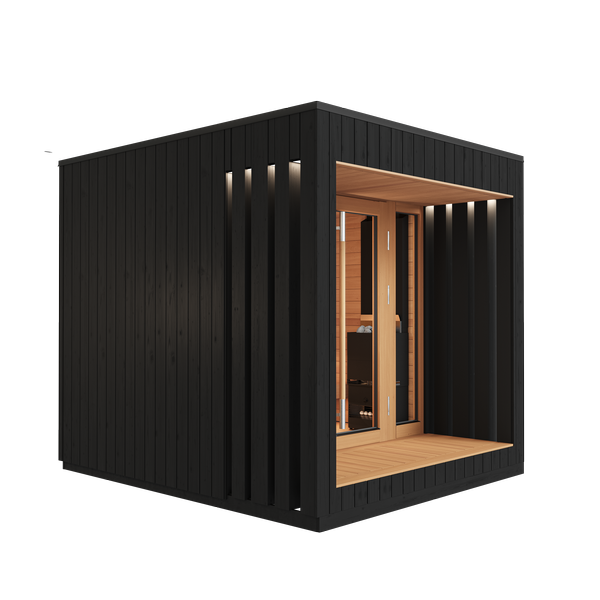
Yes, adding an indoor sauna generally increases home value, though the extent depends on your market and how well the sauna is integrated into the home. Real estate professionals consistently report that a well-built, permanent indoor sauna is viewed as a premium amenity, particularly in markets where wellness features are in high demand. It signals quality, lifestyle, and long-term investment in the property.
Unlike a portable or plug-in unit, a built-in sauna becomes part of the home’s infrastructure. Buyers perceive it as they would a finished basement or an upgraded bathroom: a feature that took planning, skill, and real investment to create. That perception translates into stronger offers and faster sales in the right market segments.
It is worth noting that not every sauna adds equal value. A poorly installed unit with outdated equipment or visible wear can raise buyer concerns rather than excitement. The quality of the heater, the finish of the sauna room, and how well it is maintained all factor into whether buyers see it as an asset or a liability.
How much ROI can a home sauna realistically deliver?
A home sauna typically returns between 50% and 80% of its installation cost in added resale value, though this varies significantly by market. In wellness-focused or colder-climate markets, the return can be higher. In areas where saunas are less common or less desirable, the return may be lower, but the sauna can still accelerate a sale by differentiating your listing.
ROI is not purely about the sale price. Homeowners who use the sauna regularly for years before selling are effectively spreading the cost across genuine personal benefit. The resale value at the end is then more of a bonus than the primary justification for the investment.
The most important factor in maximizing ROI is installation quality. A sauna built with durable materials, proper electrical work, and a reliable heating system holds its value far better than a budget build. Buyers who are serious about wellness features will inspect the heater, the ventilation, and the overall finish before making an offer.
What types of indoor saunas add the most value?
Permanent, built-in electric saunas add the most resale value because they are integrated into the home’s structure and require professional installation. Steam rooms and combination sauna-steam rooms are also strong performers in the luxury market. Infrared saunas add value but are perceived as less premium than traditional Finnish-style or steam-capable units by many buyers.
Traditional Finnish-style saunas
The classic Nordic sauna, with a proper electric heater and the ability to pour water over hot stones for steam, remains the gold standard for most buyers. This style has deep cultural roots and strong international recognition, which makes it broadly appealing. It is also the most versatile format, capable of delivering multiple sauna experiences from a single installation.
Combination sauna and steam room
A sauna that can also function as a humid steam room or a relaxation sauna at lower temperatures is particularly attractive to wellness-focused buyers. The ability to switch between experiences without separate installations is a genuine selling point. This is exactly the kind of flexibility that modern all-in-one heater sauna technology is designed to deliver.
Which buyers are most attracted to homes with saunas?
Buyers most attracted to homes with indoor saunas tend to be health-conscious individuals, families who prioritize wellness, and buyers in the 35 to 60 age range with higher disposable incomes. In colder climates, saunas appeal broadly. In warmer regions, they attract a more specific, wellness-oriented segment, but that segment is growing rapidly as home spa culture expands.
Remote workers and buyers seeking a strong at-home lifestyle are an increasingly important group. Since the shift toward working from home, buyers have placed greater emphasis on amenities that support well-being and relaxation within the home itself. A sauna fits directly into that mindset.
Buyers who are sauna enthusiasts or have experience with sauna culture—particularly those with Scandinavian or Eastern European backgrounds—will place a strong premium on a well-built unit. These buyers understand what good sauna technology looks like and will recognize quality when they see it.
What factors affect how much value a sauna adds?
The key factors that determine how much value an indoor sauna adds to your home are location and market demand, the quality of construction and materials, the type and condition of the heater, available space and integration with the home’s layout, and how well the sauna is maintained over time.
- Market demand: In Nordic countries, Canada, and northern U.S. states, saunas are expected in premium homes. In other markets, they are a differentiator rather than a baseline expectation.
- Build quality: Properly insulated walls, quality wood, and professional electrical installation signal a serious investment to buyers.
- Heater technology: A modern, capable heater with smart controls and multi-experience functionality is far more compelling than an aging basic unit.
- Maintenance: A clean, well-maintained sauna room with no moisture damage or worn components adds value; a neglected one raises red flags.
The size of the sauna also matters. A sauna that comfortably fits two to four people is the sweet spot for most residential buyers. A very large sauna may impress, but it also raises questions about running costs and upkeep. A compact but beautifully finished sauna often outperforms a larger but less polished one in buyers’ perceptions.
Should you install a sauna before selling your home?
Installing a sauna specifically to sell your home is generally not recommended unless you are in a market where saunas are a strong buyer expectation. The upfront cost and installation timeline rarely deliver a full return in a short window. However, if you already planned to install a sauna and are selling within a few years, building it now means you can enjoy it in the meantime while adding a genuine selling feature.
If you are preparing to sell and want to maximize appeal without a full installation, upgrading an existing sauna with a modern heater and smart controls is a much more cost-effective approach. Buyers respond strongly to technology and condition, so a refreshed sauna can outperform a brand-new basic one. Contact us to discuss your sauna upgrade options before listing your home.
Timing also matters in terms of presentation. A sauna that looks and functions beautifully during showings creates a memorable impression. Making sure the heater is clean, the wood is in good condition, and the room smells fresh on viewing day is simple but effective.
How Saunum helps with electric sauna installations
If you are building or upgrading an indoor sauna to maximize both personal enjoyment and resale appeal, the heater you choose makes a significant difference. We design electric sauna heaters that go beyond basic heating, delivering a complete multi-experience sauna environment from a single, elegantly integrated unit.
Here is what sets our approach apart for homeowners and builders focused on quality and long-term value:
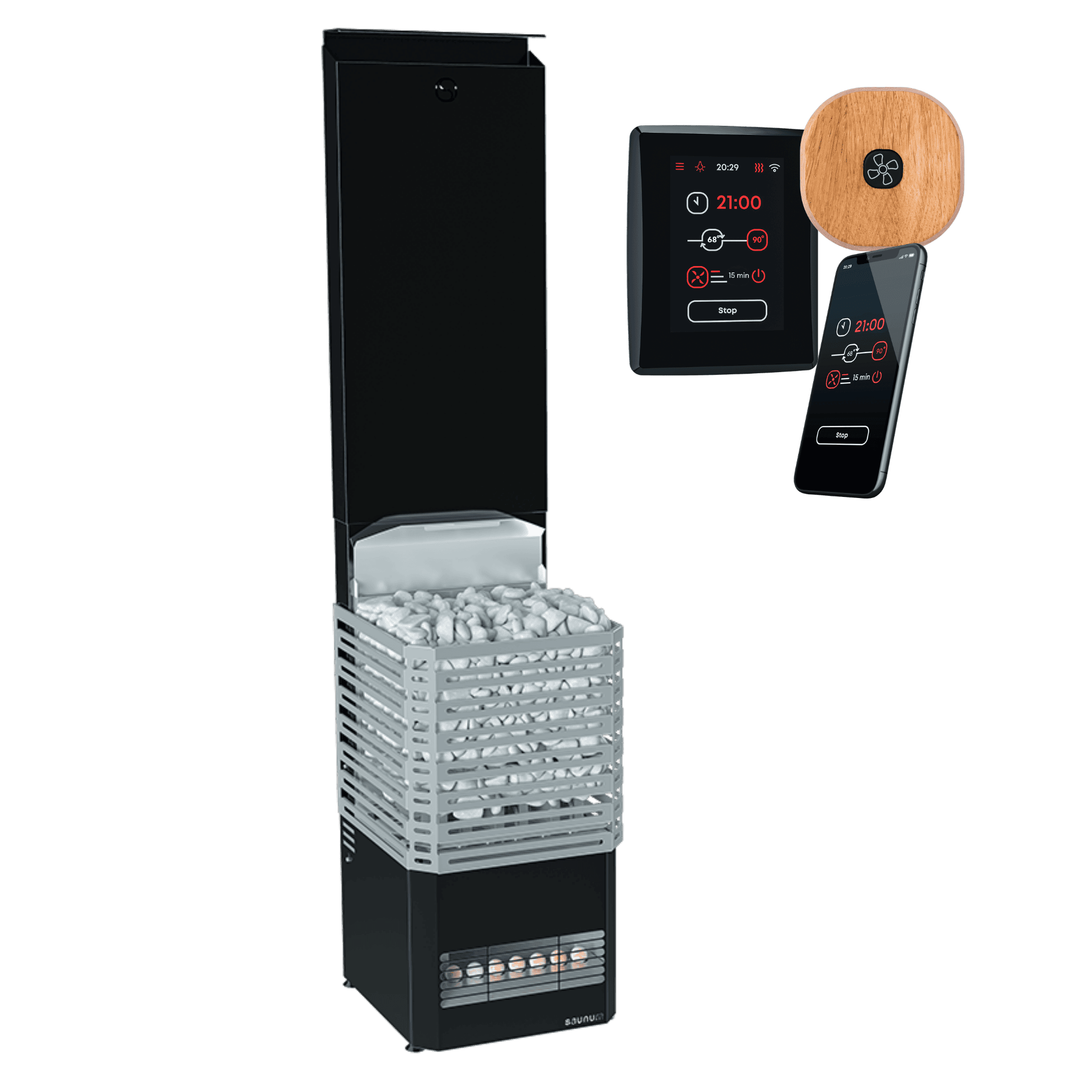
- Patented air-blending technology eliminates the uncomfortable temperature gap between ceiling and floor, creating an even, breathable sauna environment that buyers and guests immediately notice.
- 5-in-1 experience capability means one installation supports a classic Nordic sauna, a humid steam sauna, a mild relaxation sauna, salt-ion therapy, and an aroma sauna, all without additional equipment.
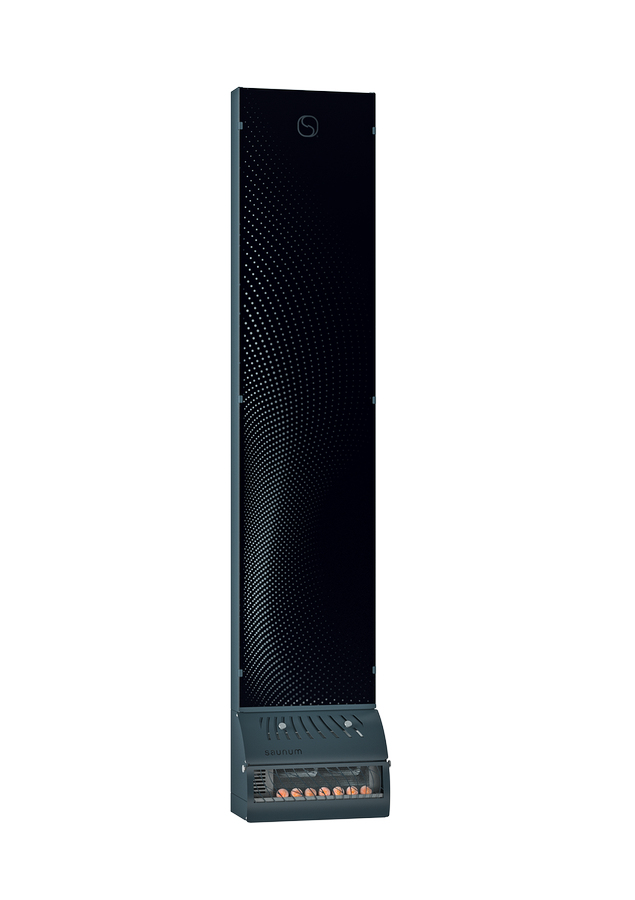
- Integrated design with options like the Saunum Spa Session keeps the sauna room looking clean and premium, which directly supports buyer perception during showings.
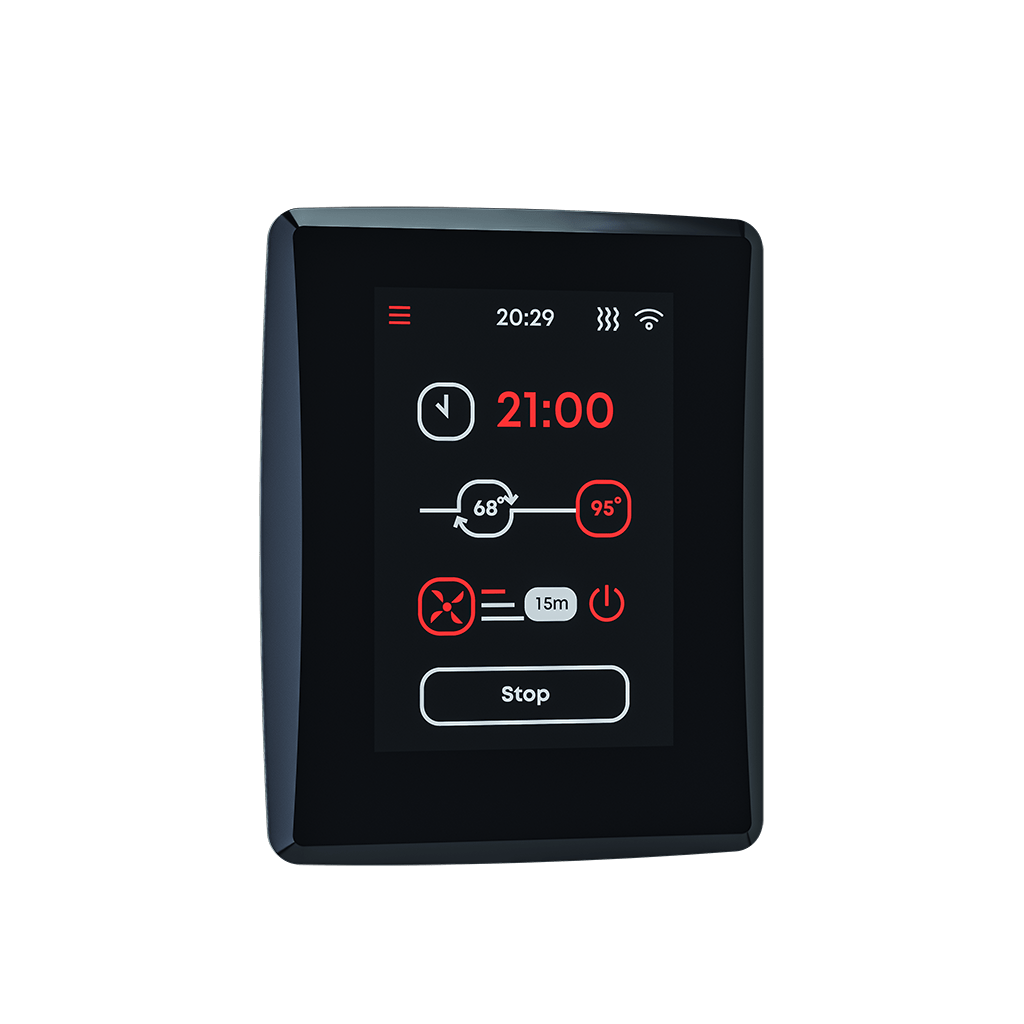
- Smart control systems with scheduling and app connectivity add a modern technology layer that resonates with today’s buyers.
Whether you are building a home sauna from scratch or refreshing an existing one before a sale, Saunum electric sauna heaters offers a range of heaters sized for everything from a compact apartment sauna to a large residential spa room. Explore our full sauna heater product shop at saunum.com and find the right heater for your space, your budget, and the buyers you want to impress.